Understanding 12 Galvanized Wire: Its Role and Impact Worldwide
When you hear “12 galvanized wire,” it’s easy to imagine just some kind of metallic string — but frankly, it’s so much more than that. This relatively simple product plays a vital role across the globe, from reinforcing infrastructure to supporting humanitarian and industrial projects. With rising demand for durable, corrosion-resistant materials worldwide, especially in developing and industrializing regions, getting a grip on what 12 galvanized wire is and why it matters can unlock understanding of entire supply chains — and even ongoing challenges in sustainability and innovation.
Why 12 Galvanized Wire Matters Globally
According to ISO standards and global trade data, galvanized steel wire usage is growing steadily, particularly in construction, agriculture, and disaster response. A recent UN report suggests infrastructure resilience, much of which depends on materials like galvanized wire, is key to achieving sustainable development goals related to industry and cities. Still, issues like cost-efficiency and supply chain reliability challenge many regions — and glossy marketing aside, selecting the right galvanized wire gauge (like size 12) can seriously affect project success.
What Exactly is 12 Galvanized Wire?
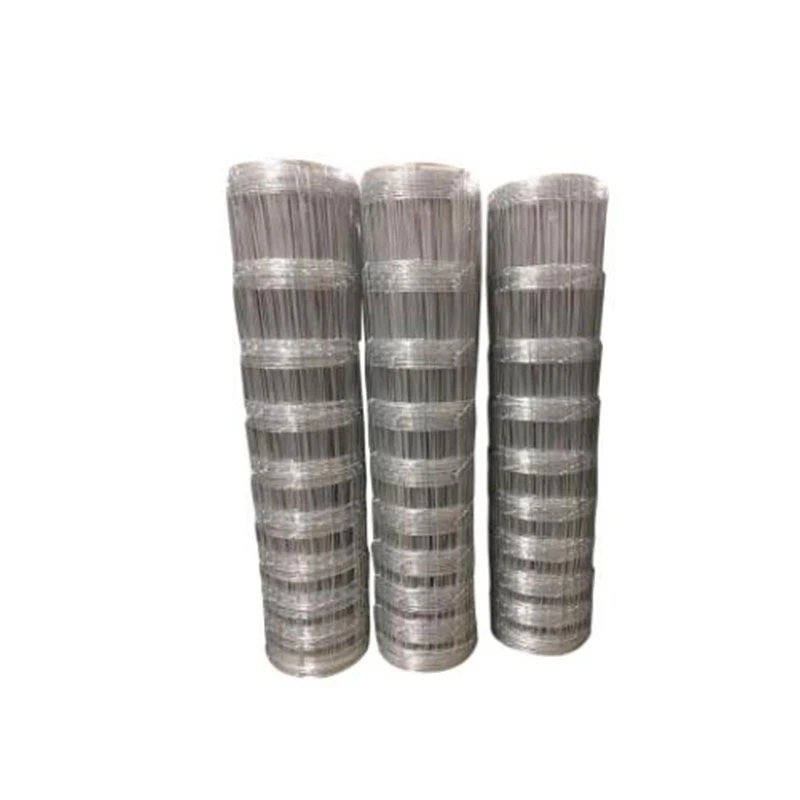
Put simply, 12 galvanized wire refers to steel wire with a gauge size 12 that’s coated with a layer of zinc through galvanization. This coating prevents rust and corrosion, meaning it lasts way longer outdoors — crucial for fencing, mesh, or reinforcing concrete. In humanitarian contexts, such wire is used for quick, durable shelter construction or perimeter fencing, making it a frontline tool in emergency setups.
Core Components & Key Factors of 12 Galvanized Wire
1. Durability and Corrosion Resistance
The zinc coating isn’t just for show. It forms a sacrificial barrier, slowing rust even if scratched. This means 12 galvanized wire keeps its strength and appearance through years outdoors — important in humid or coastal environments.
2. Versatility in Application
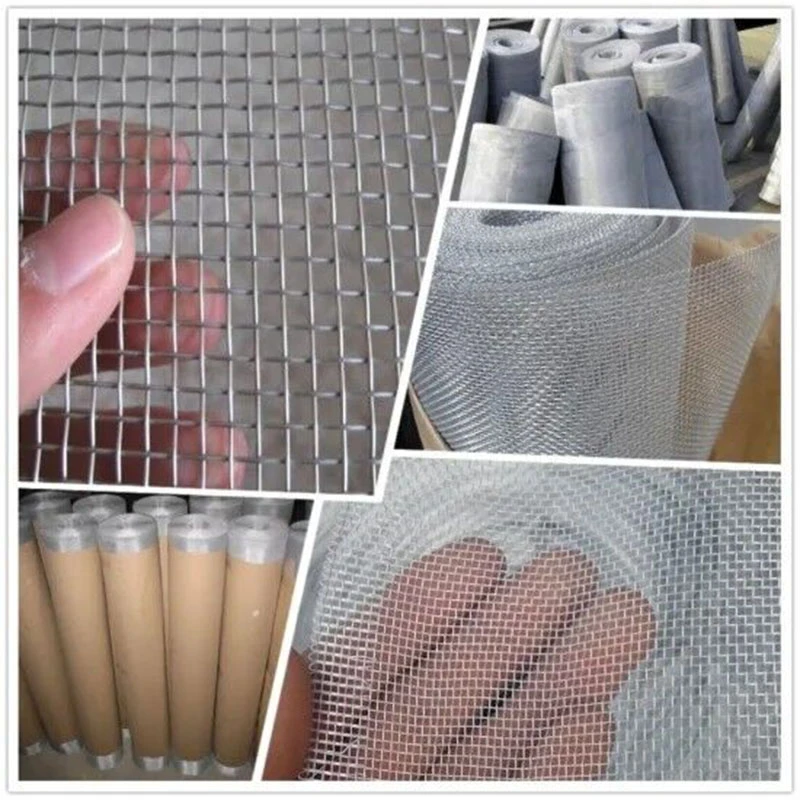
This wire gauge balances strength and flexibility, making it useful across fencing, mesh products, construction, and industrial binding. You’ve likely walked past it in farm fencing or city construction, even if you didn’t notice.
3. Cost Efficiency
Compared to stainless steel or PVC-coated alternatives, galvanized wire often provides the best bang for your buck while maintaining quality. This matters especially for large-scale projects or NGOs on tight budgets.
4. Availability and Scalability
Because steel and galvanizing processes are well established worldwide, 12 galvanized wire is generally easy to source—making it scalable for huge projects, from urban infrastructure to rural electrification.
5. Environmental Impact
While steel production has obvious environmental footprints, galvanized wire’s longevity reduces replacement cycles, cutting down waste and resource use over time — a practical win on sustainability.
Mini Takeaway
In a nutshell, 12 galvanized wire’s balance of durability, versatility, cost, and availability makes it a deceptively powerful material worldwide, well-suited for diverse needs from agriculture to emergency relief.
Global Applications & Use Cases
12 galvanized wire’s adaptability has made it a backbone for many industries. In East Africa, for instance, NGOs use it extensively for fencing refugee camps or livestock areas, combining quick installation and long-term strength. Over in Asia, large infrastructure projects deploy it widely for concrete reinforcement and safety mesh around construction sites. Even in developed economies, it supports utilities and farming operations where corrosion resistance is king.
Notably, during post-disaster relief operations — say, after hurricanes or earthquakes — galvanized wire fencing helps in rapid site demarcation and shelter stabilization. This reliability is why it’s often preferred for humanitarian supply kits.
Advantages & Long-Term Value of 12 Galvanized Wire
- Cost-effectiveness: Low lifecycle cost due to minimal maintenance.
- Reliability: Proven resistance to weathering and chemical attack.
- Social Impact: Supports safer communities through sturdy perimeters and infrastructure.
- Sustainability: Longer service life translates to less frequent replacements.
- Innovation: Integration with new materials boosts performance even further.
On an emotional level, there’s something reassuring about fencing or mesh that promises long-term protection — safety, dignity, and peace of mind, honestly, that’s priceless in many of the contexts where it’s deployed.
Product Specifications of 12 Galvanized Wire
| Specification | Details |
|---|---|
| Gauge Size | 12 Gauge (Approx. 2.05 mm diameter) |
| Material | Carbon Steel |
| Coating | Hot-dip galvanized zinc coating |
| Tensile Strength | 350 – 550 MPa |
| Standard Lengths | 50 m, 100 m coils (custom lengths available) |
Comparing 12 Galvanized Wire Vendors
| Vendor | Price / kg | Zinc Coating Thickness | Lead Time | Regional Availability |
|---|---|---|---|---|
| YJD Wire Mesh | $1.50 | 80-100 g/m2 | 2-3 weeks | Global (specializes in Asia and Africa) |
| Global Steel Co. | $1.65 | 70-90 g/m2 | 4-6 weeks | North America, Europe |
| Asia Wire Ltd. | $1.40 | 75-85 g/m2 | 1-2 weeks | Asia, Australia |
Future Trends & Innovations
We’re seeing a push toward greener galvanizing processes, using less energy and reducing emissions — a natural progression as climate concerns mount. On the tech side, digital sensors embedded in wire mesh for structural health monitoring sound futuristic but are already piloted in some urban smart city projects. There’s also movement toward hybrid coatings with polymers that can extend life even further while preserving recyclability. Oddly enough, even automation in wire production lines improves consistency and cut waste, making the whole industry more efficient.
Challenges & Solutions
One ongoing challenge with 12 galvanized wire is ensuring consistent coating thickness in mass production, which can affect corrosion resistance if uneven. Also, some remote locations struggle with supply chain delays or erratic quality. Experts suggest ramping up localized manufacturing or sourcing, digital quality control systems, plus training in proper installation to maximize product lifetime. Frankly, the human factor often counts more than the product specs themselves.
FAQ: Frequently Asked Questions About 12 Galvanized Wire
- Q: How long does 12 galvanized wire typically last outdoors?
A: Depending on environmental conditions, properly galvanized size 12 wire can last 15 to 30 years or more. Coastal or industrial areas may reduce lifespan due to harsh conditions. - Q: Can 12 galvanized wire be used for electric fencing?
A: Absolutely. It’s suitable for electric fencing when properly insulated and tensioned. Its strength and corrosion resistance make it ideal for long-term installations. - Q: How do I choose between galvanized and PVC-coated wire?
A: Galvanized wire is more cost-effective and breathable, good for general use. PVC-coated adds extra corrosion resistance but at higher cost and weight — often preferred in marine environments. - Q: What’s the typical lead time when ordering 12 galvanized wire in bulk?
A: Typical lead times range from 1 to 6 weeks, depending on vendor location, order size, and custom specs. Planning ahead helps avoid delays. - Q: Is 12 galvanized wire recyclable?
A: Yes, both the steel core and zinc coating can be recycled, making it an environmentally responsible choice compared to some composites.
Conclusion
All told, 12 galvanized wire is a quietly indispensable industrial material — its robust strength, corrosion resistance, and cost efficiency touch on so many sectors and solutions worldwide. Whether your next project involves reinforcing concrete, fencing livestock, or building emergency shelters, understanding this material’s nuances will improve results and budget balance. For high-quality options and expert advice on 12 galvanized wire, visit our website to explore tailored solutions.
Final Thought
The world is slowly waking up to how materials like galvanized wire form the backbone of resilient, sustainable progress. Sometimes the simplest things hold the most potential.