Small Nails for Concrete: The Ultimate Guide to Selection and Application
When tackling masonry projects, the choice of fasteners can determine the structural integrity and longevity of your work. Utilizing high-quality small nails for concrete ensures a secure grip in one of the hardest building materials available. Unlike standard nails, concrete nails are engineered from hardened steel to penetrate dense surfaces without bending or breaking. Whether you are installing thin molding, securing electrical conduits, or performing delicate repairs, understanding the nuances of these fasteners is essential for any professional contractor or DIY enthusiast. In this guide, we will explore everything from material compositions to the best installation practices.

The Engineering Behind Small Nails for Concrete
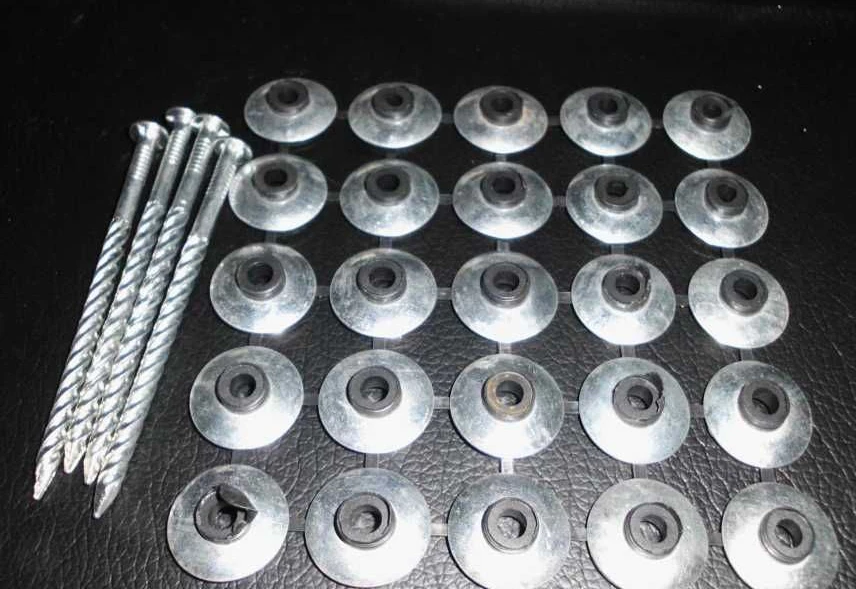
Concrete is an unforgiving medium; its compressive strength is immense, meaning standard nails would simply flatten upon impact. small nails for concrete are typically manufactured using case-hardened carbon steel or alloy steel. This process creates a hard outer shell that allows the nail to pierce the masonry, while maintaining a slightly more flexible core to prevent the nail from snapping under shear stress. The shank design is also critical; most are smooth to allow for rapid driving, though some specialized versions feature slight fluting to improve grip and reduce friction during the driving process.
Technical Tip: Always verify the "hardness" rating of your nails. For high-density concrete, only fully hardened steel nails should be used to avoid the frustrating experience of "mushrooming" the nail head.
Choosing the Right Size: Specifications for Small Nails for Concrete
Size selection is a balance between the thickness of the material being attached and the depth of penetration required. If the nail is too short, it won't provide sufficient holding power; if it is too long, you risk cracking the concrete substrate. When sourcing small nails for concrete, you will typically encounter a range of diameters and lengths designed for specific light-duty applications.
Concrete Nails vs. Concrete Screws: Which to Use?
A common dilemma for builders is choosing between small nails for concrete and concrete screws (Tapcons). Nails are significantly faster to install and more cost-effective for high-volume, low-load applications. However, screws offer a stronger mechanical bond and the ability to be removed without damaging the substrate. For projects where speed is the priority and the load is minimal, nails are the superior choice. For structural attachments or areas subject to vibration, screws are recommended.
Quick Selection Guide:
• Use Nails when: Fastening trim, securing wires, or low-budget quick fixes.
• Use Screws when: High-load requirements, need for removability, or vibration-prone areas.
Best Practices for Driving Small Nails for Concrete
Even the best small nails for concrete can fail if driven incorrectly. To prevent the concrete from spalling (chipping) or the nail from bending, it is crucial to use a hammer with a face that matches the nail head size. For very small nails, a light, rapid series of strikes is more effective than one heavy blow, which could crack the surrounding concrete. If you encounter an extremely hard spot, avoid forcing the nail; instead, consider a small pilot hole using a masonry drill bit to guide the nail and reduce the stress on the fastener.

Common Applications of Small Concrete Fasteners
The versatility of small nails for concrete makes them indispensable across various trade sectors. In electrical work, they are used to secure PVC conduits and cable clips along basement walls. In interior design, they are used for securing thin baseboards or decorative moldings to concrete floors. Additionally, they are frequently used in industrial settings for temporary signage or light-duty shelving supports. Because they are discreet, they provide a clean finish without the bulky heads of traditional bolts.
Storage and Maintenance to Prevent Corrosion
Since concrete can hold moisture and some environments are humid, corrosion is a primary concern. While many small nails for concrete are treated with a galvanized coating, they should still be stored in a dry, climate-controlled environment to prevent premature rusting. If you are working in a coastal area or a high-moisture zone (like a shower room), ensure you select stainless steel or hot-dipped galvanized versions to prevent "rust bleeding," where orange streaks appear on the concrete surface over time.
Conclusion: Maximizing Efficiency with the Right Fasteners
Choosing the correct small nails for concrete is more than just a matter of size—it is about matching the material hardness and the application needs to the right tool. By focusing on quality case-hardened steel and following proper driving techniques, you can ensure that your installations are secure, professional, and durable. Whether for industrial or residential use, investing in premium fasteners from trusted sources ensures that your project stands the test of time.
Frequently Asked Questions (FAQs)
Why do my concrete nails keep bending during installation?
Nails usually bend for two reasons: either the nail is not specifically "hardened" for concrete (standard nails will always bend), or the nail is being driven at an angle rather than perfectly perpendicular to the surface. Ensure you are using high-carbon hardened steel small nails for concrete and that your hammer strikes are centered and direct. If the concrete is exceptionally hard, a tiny pilot hole can prevent bending.
Can I remove concrete nails without damaging the wall?
Removing concrete nails is more difficult than removing wood nails because the grip is much tighter. The best method is to use a pair of heavy-duty pliers or a pinch bar to grip the head and pull straight out. However, because concrete is brittle, some small chipping (spalling) around the hole is almost inevitable. To minimize damage, you can carefully drill out the nail or use a vacuum to clear debris before pulling.
Do I need to pre-drill holes for small concrete nails?
Technically, hardened small nails for concrete are designed to be driven directly into the masonry without pre-drilling. However, pre-drilling a very small pilot hole (slightly thinner than the nail) can be highly beneficial in two scenarios: when the concrete is extremely high-strength (Grade 40 or higher) or when you are working near the edge of a concrete slab and want to prevent the edge from cracking.
Are galvanized concrete nails better than stainless steel?
It depends on the environment. Galvanized nails are excellent for general indoor use and provide good protection against moderate moisture. However, for outdoor applications, saltwater environments, or areas where chemicals are present, stainless steel is far superior as it offers total immunity to rust. For most residential interior projects, galvanized small nails for concrete provide the best balance of cost and performance.