The Unseen Backbone: Why 6 Gauge Galvanized Wire Matters Globally
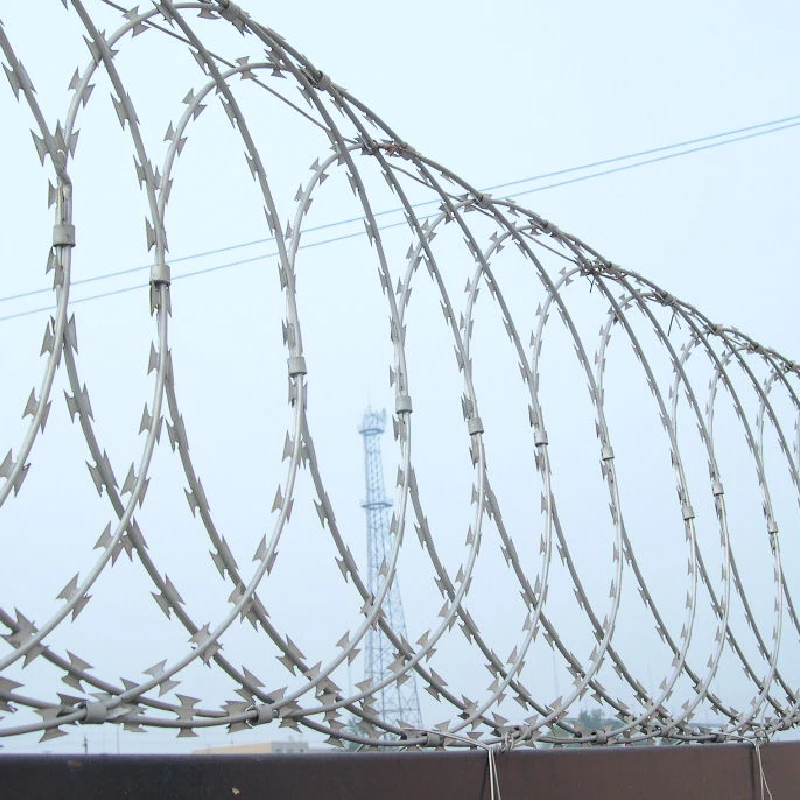
It might surprise some that the humble 6 gauge galvanized wire – essentially a sturdy metal wire coated with zinc for corrosion resistance – plays an outsized role across industries worldwide. From security fences surrounding critical infrastructure, to supporting cables in agriculture and construction, this wire ties many solutions together, literally and figuratively.
Globally, galvanized wire addresses the relentless need for durable, reliable, and cost-effective materials that withstand harsh environments. Its zinc coating protects against rust, making it invaluable in environments prone to moisture or extreme weather — in coastal regions, tropical climates, or even frigid zones. Understanding the nuances of this product is more than a technical curiosity; it is part of the puzzle for global supply chains, infrastructure resilience, and even humanitarian relief efforts.
Mini takeaway: The 6 gauge galvanized wire is a global staple for durable applications, bridging industrial needs and environmental challenges.
Understanding the 6 Gauge Galvanized Wire: A Global Perspective
On a broad scale, steel production and galvanized finishes are industrial pillars tracked by organizations like ISO and reported by trade bodies worldwide. The demand for galvanized wire surged as global infrastructure expanded — the World Bank estimates that over 60% of rural electrification and fencing needs in developing nations are met using galvanized steel products.
One core problem these wires address is the rapid degradation of metal products in environments exposed to moisture and chemicals. Untreated steel rusts quickly; galvanized wire extends the lifespan without excessive cost. For industries ranging from agriculture to construction, this means less downtime, fewer replacements, and better resource allocation.
Mini takeaway: The galvanized wire’s zinc armor is a global defense against corrosion, vital for infrastructure sustainability in diverse environments.
So, What Exactly Is 6 Gauge Galvanized Wire?
In simple terms, “6 gauge” describes the wire’s diameter measured by the American Wire Gauge system — roughly 4.11 mm thick or 0.162 inches. Galvanization here means the wire is dipped in molten zinc or electroplated to form a protective layer. This combination imparts a balance of strength, flexibility, and corrosion resistance.
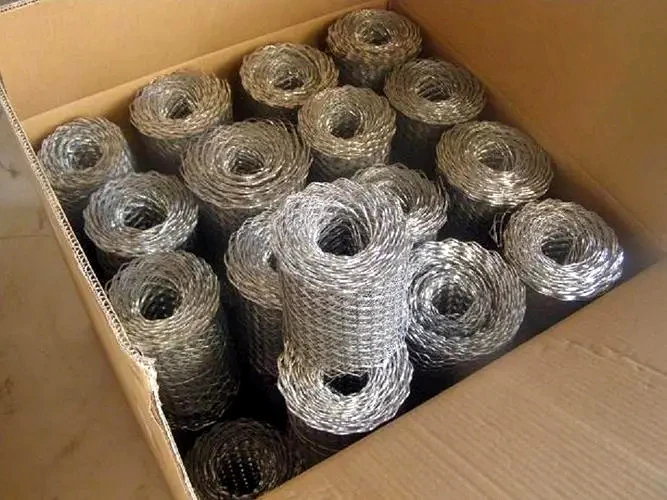
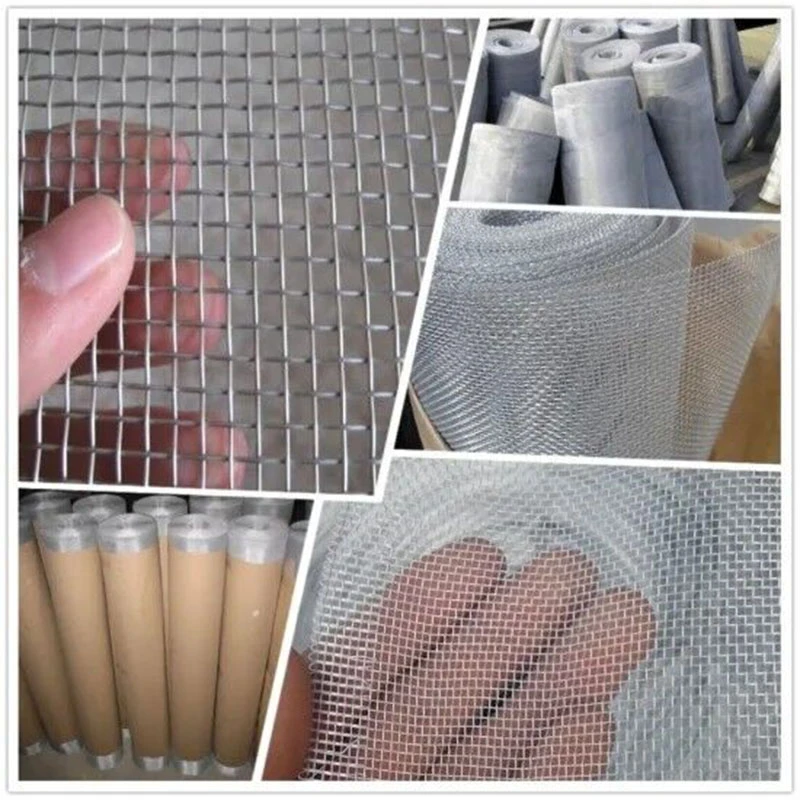
Thanks to these properties, 6 gauge galvanized wire is often the go-to for fencing, mesh construction, cable support, and even temporary structural reinforcement. In humanitarian settings, where materials must be robust, affordable, and quickly deployable, galvanized wire is invaluable for building shelters, perimeter fencing, and even water pipe supports.
Mini takeaway: 6 gauge galvanized wire blends strength and anti-corrosion tech to meet both industrial and humanitarian needs efficiently.
Key Factors You Should Know About 6 Gauge Galvanized Wire
Durability
Due to the thick zinc coating, 6 gauge galvanized wire can last several decades outdoors, even in salty or acidic soils. This durability reduces maintenance costs and ensures safety in fencing or structural applications.
Strength & Flexibility
The steel core provides tensile strength comparable to many construction-grade cables, yet the wire still retains flexibility enough to be bent and woven. This makes it ideal for fencing and mesh where tension and shaping matter.
Cost Efficiency
Compared to stainless steel or other corrosion-resistant alloys, galvanized wire is a budget-friendly alternative. It’s widely produced and distributed, meaning users benefit from economy of scale.
Scalability & Availability
Produced by many vendors globally, the 6 gauge galvanized wire is easily sourced in bulk or small quantities, fitting a spectrum from small farms to large industrial projects.
Environmental Resilience
From the wet conditions of Southeast Asia to the arid deserts in Australia, this wire adapts. Its galvanized coating delays rust significantly, reducing premature failure in critical installations.
Safety & Compliance
Many wire manufacturers adhere to ASTM standards for coating thickness, tensile strength, and elongation. This assures users of predictable quality and performance.
Mini takeaway: Durability, strength, and cost-efficiency make 6 gauge galvanized wire suitable for diverse, demanding applications around the world.
Real-World Uses: 6 Gauge Galvanized Wire in Action
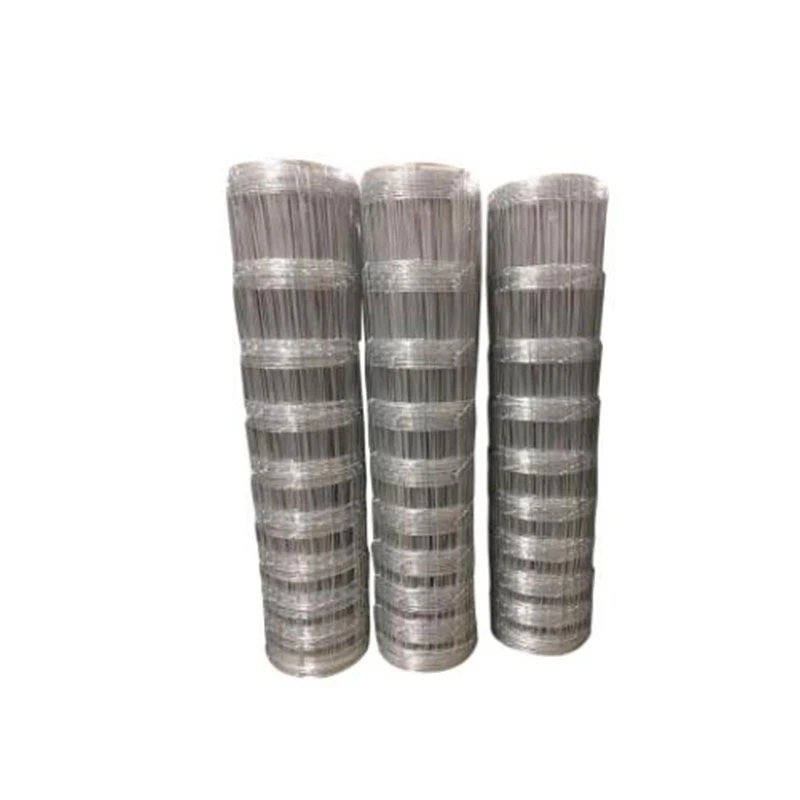
In agriculture, farms use this wire for fencing large livestock enclosures in climates as varied as the US Midwest and South African plains. Farmers often cite its ease of repair and longevity.
Post-disaster relief efforts in the Caribbean and Southeast Asia utilize galvanized wire to construct temporary perimeters and shelters, where rapid deployment and weather resistance are critical.
Industrial zones across Europe deploy this wire for safety barriers and cargo containment, where a balance of tensile strength and corrosion resistance reduces downtime.
Utility companies in Canada and Russia rely on galvanized wire for supporting electrical cables in freezing conditions — the coating helps prevent rust-induced failures.
| Property | Specification | Unit |
|---|---|---|
| Diameter | 4.11 | mm |
| Tensile Strength (min) | 450-620 | MPa |
| Zinc Coating Thickness | 45 | g/m² (Minimum) |
| Elongation | ≥8 | % |
| Weight (approx., per 100 m) | 550 | kg |
Mini takeaway: This wire’s specs make it a reliable choice for heavy-duty and long-term use, bridging industrial and emergency relief needs.
Advantages Beyond the Obvious
Investing in 6 gauge galvanized wire means securing long-term safety — fences won’t fall apart in rust, supports won’t snap unexpectedly, and standing up to natural elements is a built-in feature. On a social level, secure fencing means safer communities and protected livestock — which for many rural families, is a lifeline.
Emotionally, knowing your perimeter or installation won’t fail breeds trust and peace of mind — a feeling that engineers and builders often highlight when selecting materials.
Innovations in galvanization techniques also mean better sustainability. Thicker coatings reduce waste, and some plants now use more eco-friendly zinc recovery processes.
Looking Forward: Trends & Innovations
Interestingly, the galvanized wire sector is not sitting still. The push toward green energy and sustainability is seeing vendors innovate with lower-carbon steel production coupled with zinc coatings that last even longer.
Automation in manufacturing improves coating consistency, while IoT sensors layered onto wire fences are an emerging trend in smart agriculture and security.
There’s also a growing interest in integrating recycled steel in wire production, lowering the sector’s environmental footprint without compromising performance.
Challenges and Expert Solutions
Of course, galvanized wire isn’t flawless. Some challenges include:
- Mechanical fatigue after prolonged tension or weather cycles can eventually cause breaks.
- Coating wear in highly abrasive environments may expose steel.
- Environmental impact from zinc mining and galvanization processes, although improving.
Engineers suggest these are mitigated by proper application techniques, such as tension limits, supplementary coatings, or choosing bespoke zinc thicknesses. Advances in biodegradable zinc phosphate primers may further reduce environmental concerns.
Vendor Comparison: Choosing Your 6 Gauge Galvanized Wire Supplier
| Vendor | Coating Thickness (g/m²) | Tensile Strength (MPa) | Price per ton (USD) | Lead Time |
|---|---|---|---|---|
| YJD Wire Mesh | 50 | 470 | 1,100 | 2 weeks |
| Global Steel Co. | 45 | 480 | 1,050 | 3 weeks |
| SafeCo Wire | 40 | 460 | 1,000 | 1.5 weeks |
Frequently Asked Questions About 6 Gauge Galvanized Wire
What makes 6 gauge galvanized wire better than thinner wire for fencing?
Thicker 6 gauge wire offers superior tensile strength and durability, making it less prone to snapping or sagging. The zinc coating also lasts longer, reducing maintenance and replacement frequency. For applications requiring long-term security or strength, it’s simply more reliable than thinner alternatives.
How long can 6 gauge galvanized wire last outdoors?
When properly installed, it can last 15–30 years depending on environmental conditions. Coastal or acidic environments may shorten lifespan, but generally, the zinc coating and steel core provide decades of corrosion resistance.
Is 6 gauge galvanized wire suitable for agricultural use?
Absolutely. Many farmers use it for fencing cattle, horses, and wildlife enclosures because it withstands the tension and outdoor exposure common on farms. It balances strength with enough flexibility for easy installation and repairs.
Can I use galvanized wire for international projects? How do I ensure compliance?
Yes. Check the wire supplier’s adherence to international standards like ASTM A641 or ISO equivalents. Documentation and certifications typically accompany bulk shipments. Using a reputed vendor streamlines import customs and guarantees quality.
Are there eco-friendly alternatives to traditional galvanized wire?
Newer galvanized wire produced with recycled steel content and cleaner zinc recovery processes are gaining traction. While pure stainless steel wire is eco-friendlier long-term, cost and application needs often keep galvanized wire preferred.
Conclusion: Securing the Future with 6 Gauge Galvanized Wire
In real terms, whether you’re securing a farm in rural Africa, fortifying a construction site in Europe, or providing rapid relief fencing after a disaster in Asia, 6 gauge galvanized wire is a quietly powerful cornerstone. Its durability, cost-effectiveness, and global availability make it an enduring choice for countless industries and humanitarian efforts.
If you’re exploring quality, reliable galvanized wire for your next project, consider YJD Wire Mesh — a vendor known for consistent quality, robust supply chains, and fast deliveries designed to keep your work moving.