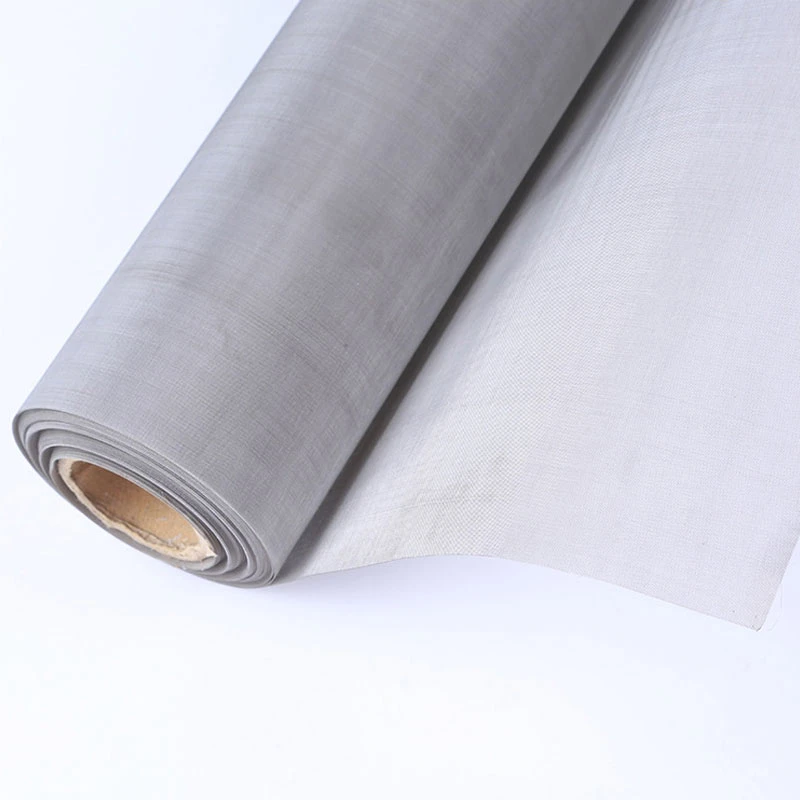
Perforated Mesh that works hard (and looks good): insider notes from the shop floor
If you’re speccing a perforated sheet for an architectural facade, an acoustic ceiling, or a plant-room intake, you probably want one thing: reliable performance without design compromises. I’ve visited mills from Shenze, Shijiazhuang (Hebei, China) to Europe’s industrial belts, and the consistent winner lately is well-made Perforated Mesh with predictable tolerances, good finishing, and straightforward lead times.

Industry trends (and what specifiers are really asking)
Architects keep pushing for lightweight screens with clean sightlines, higher open area, and color-matched powder coatings. Process engineers want tighter pitch tolerance and consistent airflow. Surprisingly, aluminum alloys and coated low-carbon steel are pulling ahead of stainless in exterior jobs—thanks to weight savings and better cost-to-performance. CNC punching remains the workhorse; fiber laser cutting steps in for complex patterns or small batches. Sustainability is no longer a buzzword: recycled-content sheets and RoHS/REACH-compliant finishes are now frequently requested.
Product snapshot: Perforated Mesh
Materials include stainless steel, aluminium sheet, aluminium-magnesium alloy, copper/nickel plate, low-carbon steel, galvanized plates, PVC plates, and cold-rolled steel—manufactured in Hebei’s building materials base. Many customers say the finishing quality out of Shenze is, frankly, underrated.
| Parameter | Typical Range (≈, real-world use may vary) |
|---|---|
| Thickness | 0.5–6.0 mm (aluminum), 0.5–3.0 mm (SS/galv) |
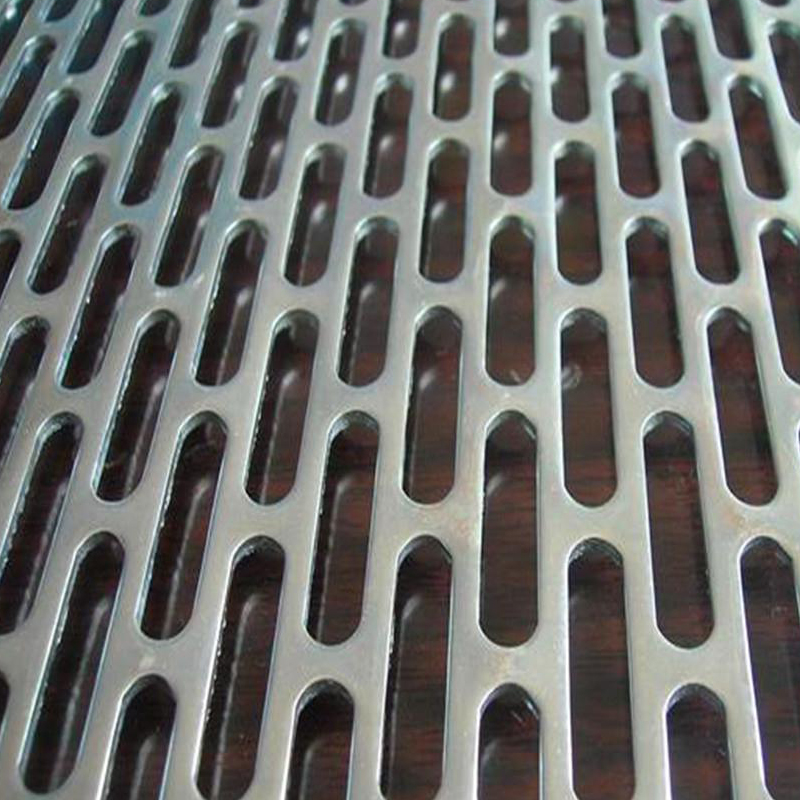
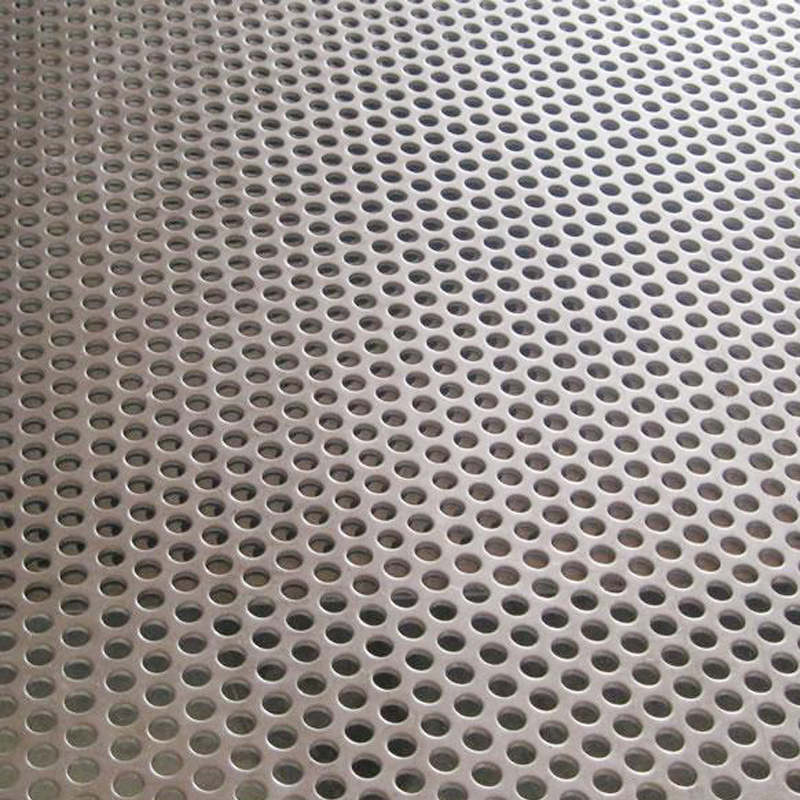
| Hole types | Round, square, slotted, hex, decorative |
| Hole diameter | 1–30 mm (laser for micro or irregular) |
| Open area | 8–55% (custom up to ≈70%) |
| Sheet size | 1000×2000, 1220×2440, 1250×2500 mm; custom |
| Finishing | Powder coat, anodize (Al), galvanize, PVDF, brushing |
Process, testing, and service life
Flow: coil/sheet sourcing → CNC punching or fiber laser → deburring → leveling → edge trimming/margins → surface treatment → QC. Tolerances: hole dia ±0.10–0.20 mm; pitch ±0.15–0.30 mm; flatness ≤3 mm/m (typ.). Corrosion tests per ASTM B117 salt spray 240–720 h depending on finish; coating adhesion per ASTM D3359. Service life: around 10–25 years exterior (finish-dependent), >25 years indoors.
Where it shines
- Architectural facades, sunscreens, balustrades
- Acoustic panels (with mineral wool backing; NRC ≈0.70–0.85 at 25–50 mm wool)
- Filtration pre-screens, HVAC intake/exhaust, machine guards
- Food/agri drying racks, sieving, ventilation plenum covers
Advantages: high strength-to-weight, predictable airflow, tidy cable concealment, and, honestly, it just photographs well. With 2 mm holes, 3 mm pitch, and ≈30% open area, airflow balances noise reduction nicely for plant rooms.
Vendor comparison (quick reality check)
| Vendor | Lead time | Certs | Custom tooling | Notes |
|---|---|---|---|---|
| Hebei producer (Perforated Mesh) | 10–18 days | ISO 9001, RoHS/REACH | Yes (low MOQ) | Competitive price, tight pitch tolerance |
| Imported brand | 3–5 weeks | ISO 9001, EPD (some lines) | Yes (higher NRE) | Excellent coatings, premium cost |
| Local fabricator | 5–12 days | Varies | Limited | Fast iterations, mixed finishing consistency |
Customization and real-world feedback
Patterns: custom CAD, stepped margins for framing, folded edges, backing fleece. One facility manager told me their perforated sheet guards cut fan noise “enough that we stopped getting complaints.” Another client used bronze-look powder on aluminum perforated sheet—looked like boutique metal at half the weight.
Case notes
Retail facade: 1.5 mm aluminum perforated sheet, 30% OA, PVDF coating—kept daytime glare low while meeting ventilation targets. Brewery sieve decks: galvanized perforated sheet in 3 mm thickness boosted throughput by ≈12% vs woven mesh (less clogging).
Compliance and references: specify alloys per ASTM A240 (SS), ASTM A653/EN 10346 (galvanized), ASTM B209 (aluminum); corrosion and coating tests per ASTM B117 and ASTM D3359. For exterior aluminum perforated sheet, anodize or PVDF helps a lot, to be honest.
Authoritative citations
- ASTM B117 – Standard Practice for Operating Salt Spray (Fog) Apparatus. https://www.astm.org/b0117-19.html
- ASTM A240 – Standard Specification for Chromium and Chromium-Nickel Stainless Steel Plate, Sheet, and Strip. https://www.astm.org/a0240_a0240m-20.html
- ASTM A653 / EN 10346 – Steel Sheet, Zinc-Coated (Galvanized). https://www.astm.org/a0653_a0653m-20.html
- ASTM B209 – Aluminum and Aluminum-Alloy Sheet and Plate. https://www.astm.org/b0209-14.html