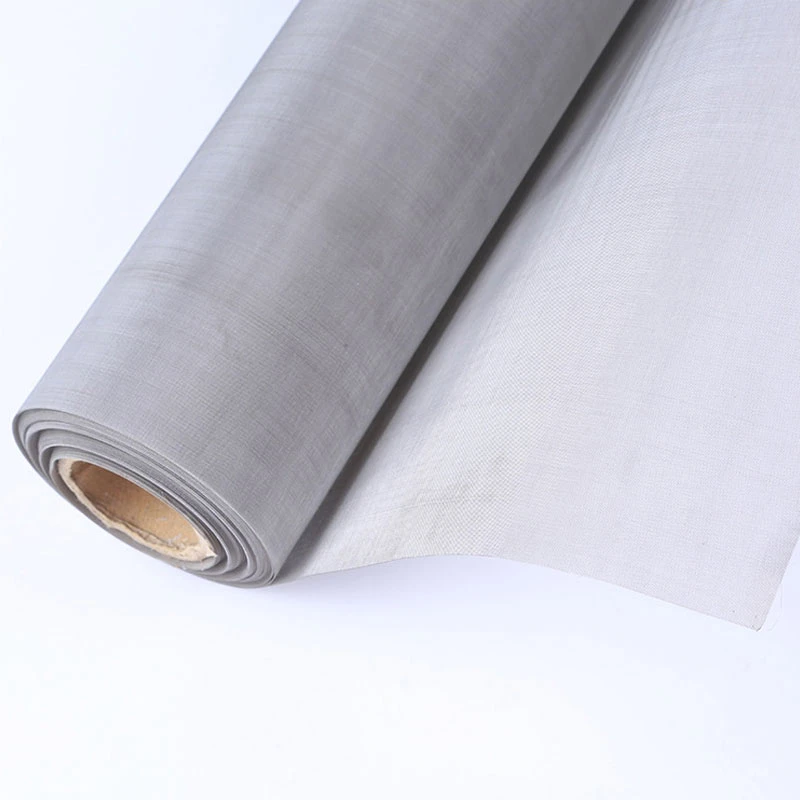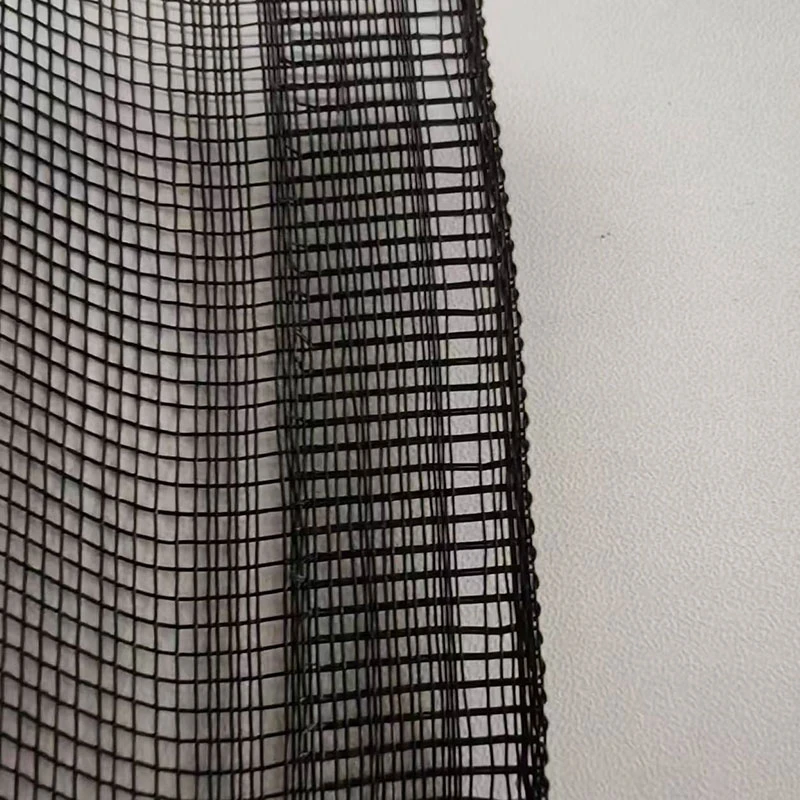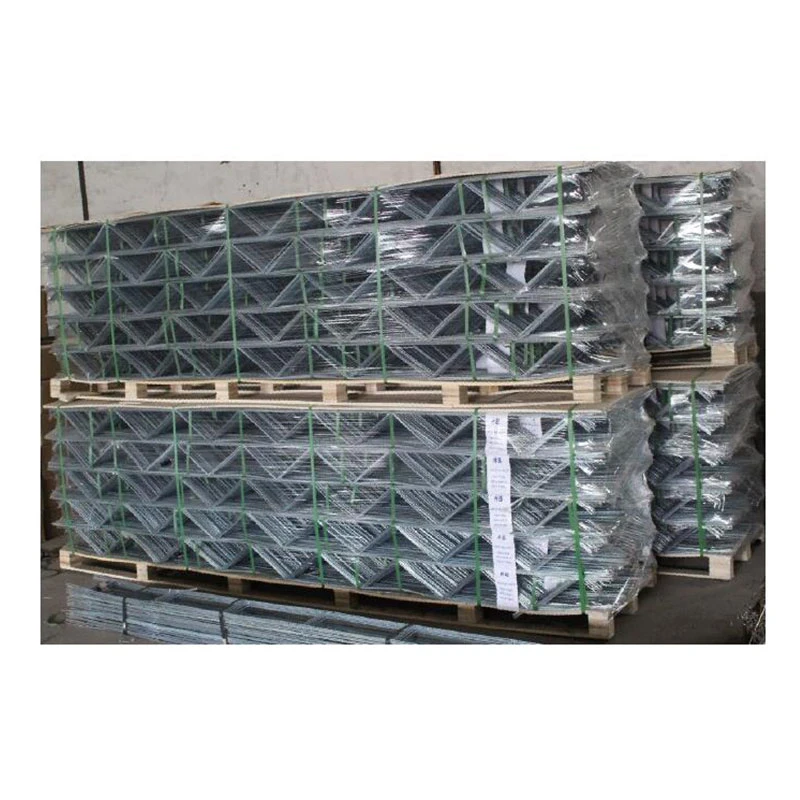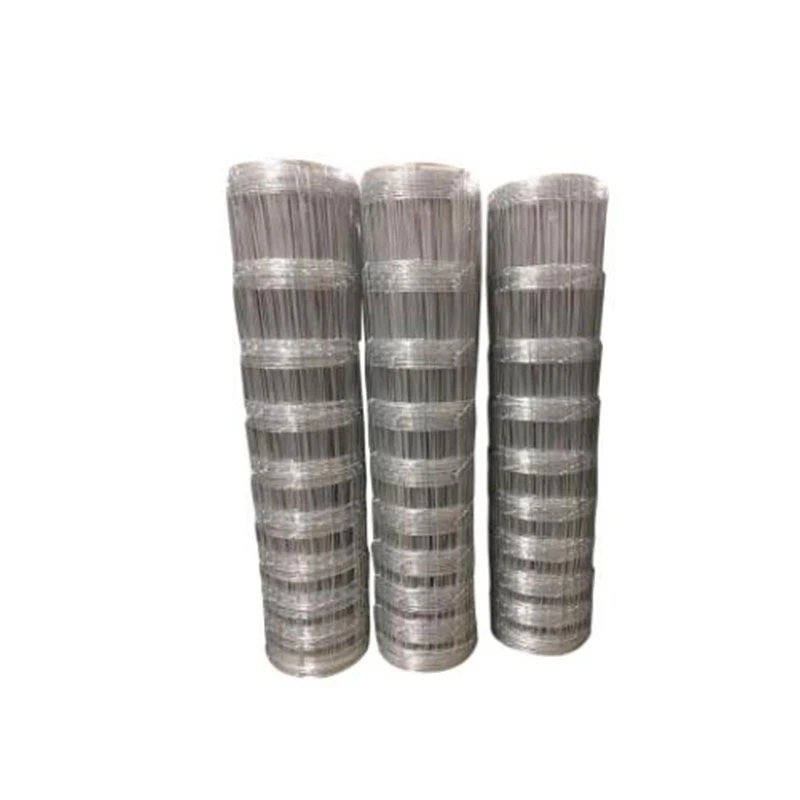
Introduction to High-Performance Cattle Fence Wire Solutions
In the contemporary agricultural sector, robust and reliable perimeter management is paramount for livestock safety, land demarcation, and operational efficiency. High-quality cattle fence wire systems are indispensable, offering superior containment solutions for a variety of livestock and terrains. These advanced fencing materials are engineered to withstand rigorous environmental conditions, deter predators, and ensure the long-term security of agricultural investments.
Our focus today is on the technical specifications, manufacturing precision, and versatile applications of advanced wire mesh solutions for livestock, including cattle panel fencing and specialized galvanized cattle panel products. We aim to provide a comprehensive overview for B2B decision-makers, emphasizing the critical factors that contribute to the performance and longevity of these essential farm infrastructure components.
Industry Trends and Market Dynamics in Livestock Fencing
The global agricultural fencing market is experiencing significant growth, driven by increasing demand for livestock products, land management regulations, and technological advancements in material science. Key trends include a shift towards high-tensile wire products, which offer enhanced strength-to-weight ratios and extended service life compared to traditional low-carbon steel options. There is also a growing emphasis on corrosion resistance, with advanced galvanization techniques becoming standard for products like galvanized cattle panel systems.
Sustainability and animal welfare are also driving innovation, leading to the development of safer and more durable farm fence with wire mesh designs that minimize injury risks to livestock while maximizing containment efficacy. The integration of IoT for monitoring fence integrity, though nascent, represents a future trend in large-scale ranching operations. Market analysis indicates a Compound Annual Growth Rate (CAGR) of 5.8% for the global agricultural fencing market from 2022 to 2027, highlighting robust demand for resilient fencing solutions.
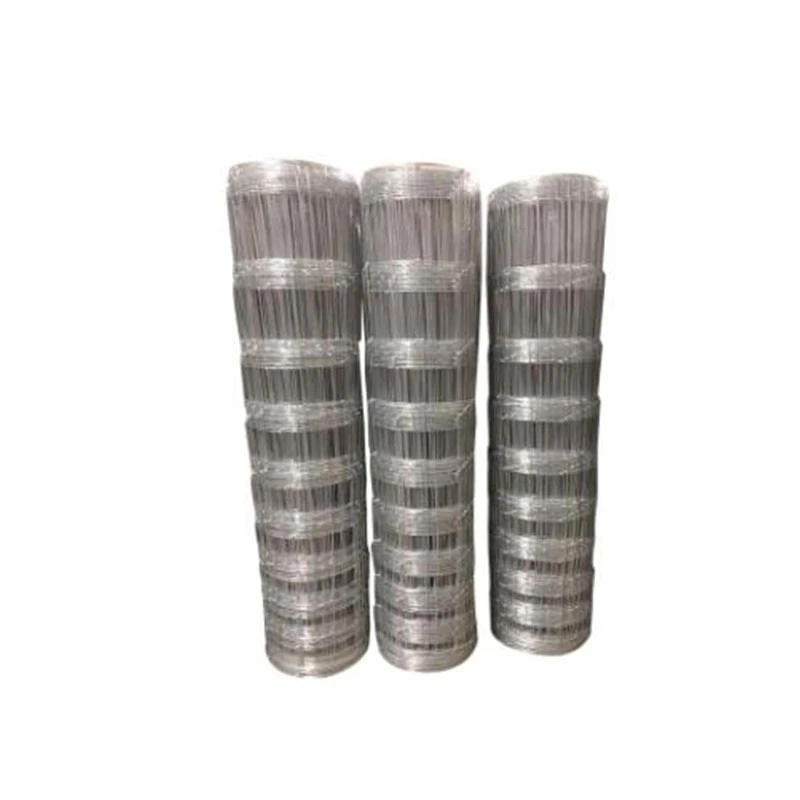
Manufacturing Process Flow for Cattle Fence Mesh
The production of high-performance cattle fence wire involves a meticulously controlled process, ensuring durability, strength, and longevity. Our manufacturing adheres to international standards such as ISO 9001 for quality management and ASTM A641 for zinc coatings on steel wire.
Key Process Steps:
- Material Selection: Utilizing high-carbon or low-carbon steel rods (Q195, Q235, SAE 1008-1010) specifically chosen for their tensile strength and ductility. For enhanced performance, high-tensile steel (e.g., 12.5 gauge, 170,000 psi) is often preferred.
- Wire Drawing: The steel rods are drawn through a series of dies to achieve the desired wire gauge (e.g., 9-14 gauge for fence lines, 6-8 gauge for panel frames). This process increases tensile strength and refines the wire's surface.
- Weaving/Welding:
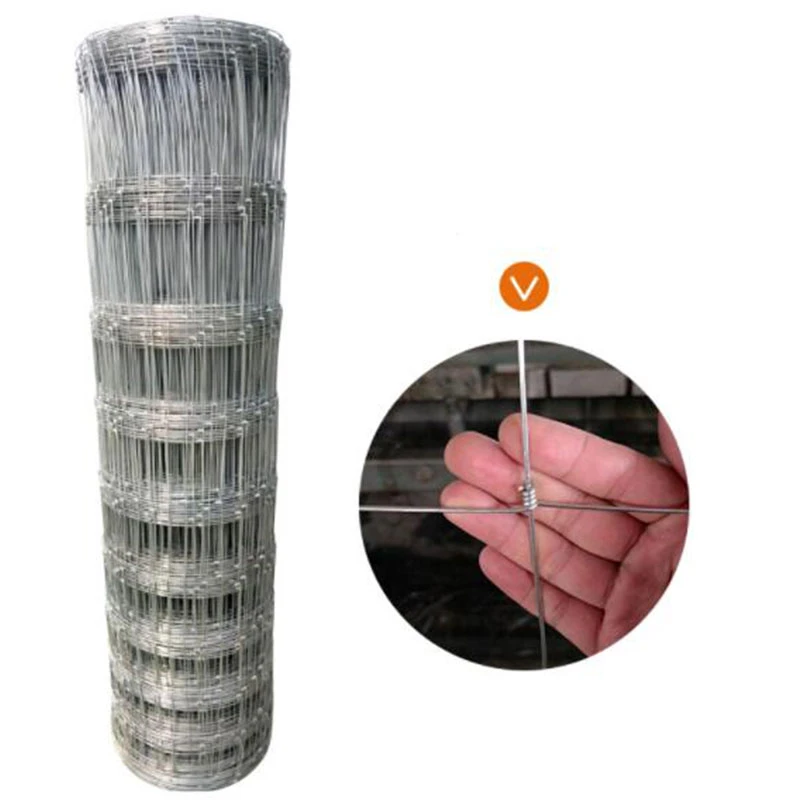
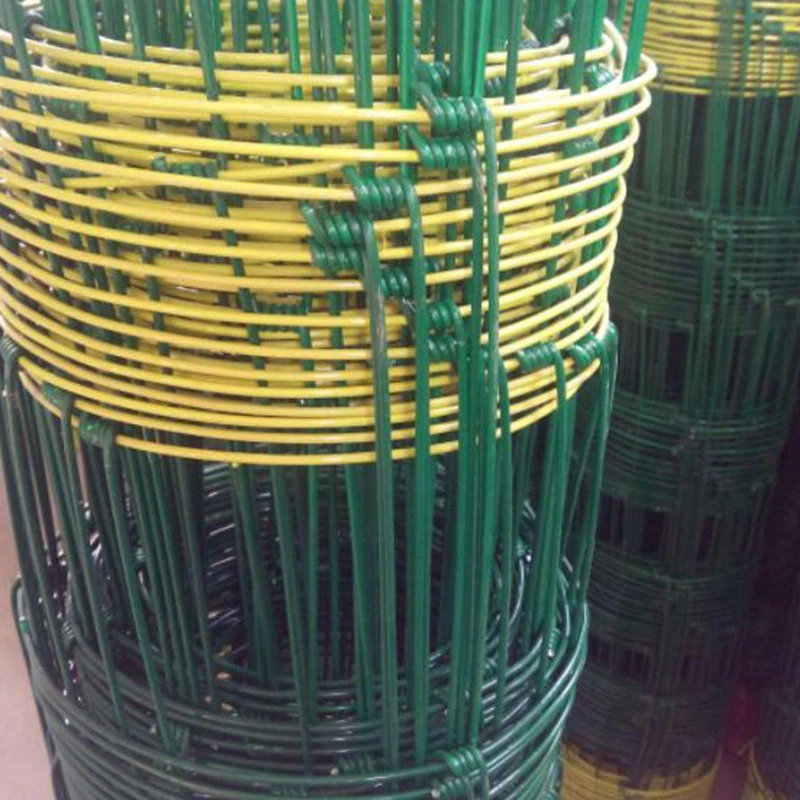
- Woven Wire Fencing: For products like grassland mesh or field fence, wires are woven using specialized machinery to create "hinge joint" or "fixed knot" patterns. The fixed knot offers superior rigidity and impact resistance, ideal for containing larger livestock.
- Welded Wire Panels: For cattle panel mesh, individual wires are precision-welded at each intersection. This method ensures uniform mesh spacing and creates a rigid, robust panel structure. Welding typically employs resistance welding techniques for strong, consistent joints.
- Galvanization: To provide exceptional corrosion resistance, the wire mesh undergoes hot-dip galvanization. This involves immersing the fabricated mesh in molten zinc, creating a metallurgically bonded, sacrificial coating. Class 1 (light), Class 2 (standard), and Class 3 (heavy) galvanization options are available, with Class 3 offering superior longevity, often exceeding 20-30 years in harsh environments. This process is critical for the durability of galvanized cattle panel products.
- Quality Control & Testing: Each batch undergoes rigorous testing, including tensile strength tests, zinc coating thickness measurements (e.g., using XRF analysis), adherence tests for the zinc layer, and visual inspections for weave consistency or weld integrity. Compliance with ISO 1461 (for hot-dip galvanized coatings) and various ASTM standards is verified.
- Finishing & Packaging: The finished rolls or panels are carefully bundled, labelled, and prepared for shipping, often with protective wrapping to prevent damage during transit.
Our dedication to these refined manufacturing processes ensures that every product, whether a roll of farm fence with wire mesh or a rigid cattle panel fencing unit, delivers unparalleled performance and a long service life, significantly reducing maintenance costs for end-users in sectors such as agriculture, ranching, and game management.
Technical Specifications and Performance Parameters
Understanding the precise technical specifications of cattle fence wire is crucial for selecting the optimal product for specific applications. Our range adheres to stringent performance criteria, ensuring robust containment and longevity.
Typical Cattle Fence Mesh Specifications:
These parameters ensure that our products meet the demanding requirements of various agricultural settings, providing reliable containment and minimizing maintenance overheads. The choice of wire gauge, mesh pattern (e.g., fixed knot for robust impact resistance, hinge joint for flexibility over uneven terrain), and galvanization class dictates the suitability for specific livestock types and environmental conditions.
Technical Advantages and Performance Benefits
Our cattle fence wire solutions offer distinct technical advantages engineered for superior performance and return on investment in demanding agricultural environments.
- Enhanced Corrosion Resistance: Utilizing Class 3 hot-dip galvanization, our products offer significantly extended service life, often 2-3 times longer than standard Class 1 coatings. This robust zinc layer forms a metallurgical bond, providing both barrier and cathodic protection against rust and environmental degradation. This is especially critical for galvanized cattle panel products exposed to harsh weather and animal waste.
- Superior Tensile Strength: Engineered with high-tensile steel wire, our fencing boasts greater strength-to-weight ratios. This allows for wider post spacing, reducing material and labor costs during installation, while maintaining exceptional resistance to animal impact and environmental stresses like snow loads.
- Optimal Mesh Design: Whether it's the rigid fixed-knot design for robust cattle panel fencing or the flexible hinge-joint for varied terrain, our mesh patterns are designed for specific livestock needs. Graduated spacing, with smaller openings at the bottom, safely contains smaller animals and prevents predator intrusion while larger openings at the top allow for clear visibility.
- Durability and Longevity: The combination of high-quality steel and advanced galvanization techniques results in products with a service life exceeding 20-50 years, significantly reducing the need for frequent repairs or replacement. This long-term durability contributes to substantial cost savings and operational stability for farmers and ranchers.
- Safety for Livestock: Smooth, consistent wire surfaces and well-formed knots or welds minimize sharp edges, reducing the risk of injuries to valuable livestock. The rigid structure of cattle panel mesh prevents animals from pushing through or getting entangled.
Application Scenarios and Target Industries
The versatility of cattle fence wire makes it indispensable across a spectrum of agricultural and industrial applications. Our products are specifically engineered to meet the stringent demands of diverse environments and livestock management strategies.
- Livestock Fencing: Primary application for cattle, horses, sheep, goats, and other farm animals. The robust construction and appropriate mesh spacing ensure secure containment, preventing escapes and protecting against predators. Specific designs like `V-mesh` or `Fixed Knot` are chosen based on animal size and temperament.
- Farm and Ranch Perimeter Fencing: Establishing clear and secure boundaries for entire properties, protecting valuable crops, equipment, and deterring unauthorized access. A well-constructed farm fence with wire mesh enhances security and land value.
- Pasture and Paddock Division: Creating rotational grazing systems or separating different groups of animals for breeding, health management, or feeding. This improves pasture health and optimizes land use efficiency.
- Corrals and Handling Systems: Sturdy cattle panel fencing units are ideal for constructing temporary or permanent corrals, chutes, and pens for animal handling, vaccination, and sorting. Their modular nature allows for flexible configurations.
- Game Preserves and Wildlife Management: Used in wildlife sanctuaries and game farms to manage animal populations, prevent escapes, and protect specific species from external threats.
- Roadside and Railway Fencing: Employed to prevent livestock from straying onto roads or railway lines, enhancing public safety and preventing costly accidents.
- Vineyard and Orchard Protection: While primarily for livestock, lighter gauge versions of farm fence with wire mesh can deter deer and other large wildlife from damaging crops.
Target industries include large-scale commercial farming, private ranches, dairy farms, equestrian centers, animal rehabilitation facilities, and governmental agricultural departments. The durability and low maintenance of our cattle fence wire solutions offer significant long-term operational advantages in these sectors.
Customized Solutions for Unique Demands
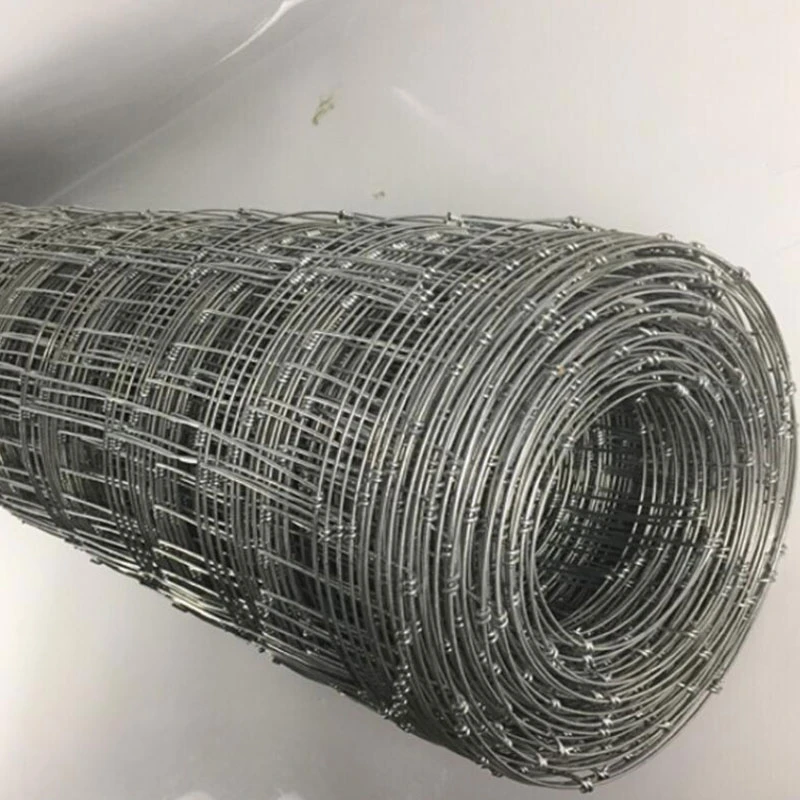
Recognizing that no two agricultural operations are identical, we offer extensive customization options for our cattle fence wire products. Our engineering team collaborates closely with clients to design solutions that precisely meet their specific functional requirements and environmental challenges.
- Tailored Dimensions: Custom heights, lengths, and panel sizes for cattle panel fencing to fit unique property layouts, specific animal breeds, or existing infrastructure.
- Variable Mesh Patterns and Spacing: Design of specific vertical and horizontal wire spacing (e.g., graduated mesh with tighter spacing at the bottom for smaller animals or predator control, or wider spacing for larger livestock) and choice of knot type (fixed knot for maximum rigidity, hinge joint for flexibility).
- Specialized Wire Gauges: Selection of different wire gauges for line wires, stay wires, and panel frames to achieve specific tensile strength and impact resistance profiles. For example, heavier gauge top and bottom wires for additional robustness.
- Enhanced Corrosion Protection: Beyond Class 3 galvanization, we can explore additional protective coatings, such as PVC coating over galvanization, for extremely corrosive environments or aesthetic requirements. This further extends the service life, particularly for galvanized cattle panel in coastal or high-humidity regions.
- Integration with Existing Systems: Consulting and design services to ensure seamless integration of our farm fence with wire mesh solutions with existing gate systems, electric fencing, or animal handling equipment.
Our design process involves detailed consultations, CAD modeling, and sample production to ensure the customized solution perfectly aligns with client expectations and performance specifications, offering optimal functionality and cost-effectiveness.
Vendor Comparison: Key Differentiators
When evaluating suppliers for cattle fence wire, discerning buyers prioritize a blend of quality, cost, service, and technical support. Our commitment to excellence sets us apart in a competitive market. Below is a comparative analysis of key factors:
Comparative Analysis of Cattle Fencing Solutions:
Our commitment to superior materials, advanced manufacturing processes, and robust quality control results in a significantly lower total cost of ownership over the lifespan of the fencing. This strategic advantage, combined with tailored solutions and dedicated support, provides unparalleled value to our B2B partners.
Application Case Studies
Real-world application demonstrates the tangible benefits of our cattle fence wire solutions. These case studies highlight our commitment to delivering effective and durable fencing infrastructure.
Case Study 1: Large-Scale Cattle Ranch in Montana, USA
Client: Montana Livestock Co-op, managing over 10,000 acres for cattle grazing.
Challenge: The co-op faced significant challenges with aging, low-tensile fencing that required constant repairs due to cattle pressure, wildlife breaches, and severe winter conditions. Frequent maintenance led to high labor costs and increased risk of livestock loss.
Solution: We provided over 50 miles of high-tensile cattle fence wire with a Class 3 hot-dip galvanized coating and a fixed-knot mesh pattern. The fence was designed for 15-foot post spacing, maximizing efficiency. Specialized cattle panel mesh sections were used for high-traffic areas and corrals.
Results: Over a five-year period, the ranch reported a 70% reduction in fence repair frequency and a 40% decrease in overall fencing-related maintenance costs. Livestock containment improved significantly, with reported animal losses due to fence breaches dropping by 90%. The enhanced durability and minimal upkeep allowed the co-op to reallocate resources to other critical operational areas. The high-tensile wire effectively managed the varied terrain and extreme weather, proving its long-term reliability.
Case Study 2: Dairy Farm Expansion in New Zealand
Client: Green Pastures Dairy, expanding operations to include an additional 200 acres for rotational grazing of dairy heifers.
Challenge: The farm required a flexible yet robust fencing solution that could adapt to rolling hills and provide secure, temporary divisions for grazing rotation, while being durable enough for the region's humid climate.
Solution: We supplied farm fence with wire mesh featuring a hinge-joint design, allowing for superior flexibility on uneven ground. The Class 2 galvanization provided excellent corrosion resistance for the humid coastal environment, suitable for the rotational grazing cycle of 10-15 years. Customizable lengths of galvanized cattle panel were also integrated for permanent holding pens.
Results: The new fencing system enabled Green Pastures Dairy to implement an efficient rotational grazing strategy, leading to a 20% increase in pasture utilization and a noticeable improvement in herd health due to better forage management. The ease of installation and the ability of the hinge-joint fence to conform to the terrain saved significant labor hours. "The flexibility and corrosion resistance of this fence wire have been exceptional," reported Farm Manager Sarah Jensen. "It was crucial for our expansion, and it has performed exactly as promised, reducing our long-term operating costs."
Quality Assurance and Certifications
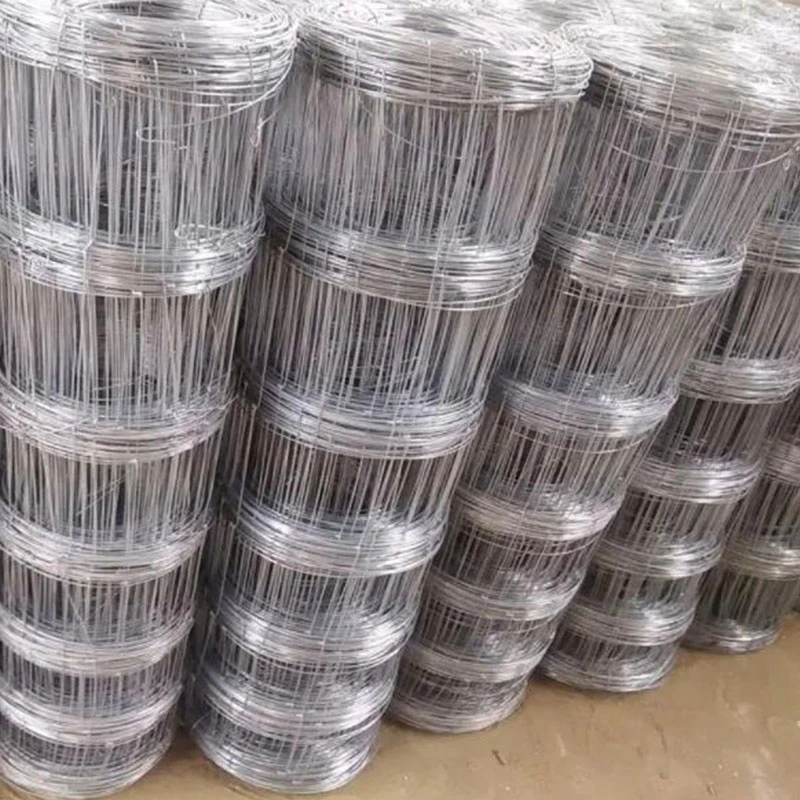
Our commitment to delivering superior cattle fence wire is underpinned by a robust quality assurance framework and adherence to international standards. We are an ISO 9001:2015 certified manufacturer, ensuring that every stage of our production process, from raw material sourcing to final product inspection, meets the highest benchmarks for quality management.
Our products consistently comply with key industry standards, including ASTM A641 for zinc-coated (galvanized) carbon steel wire, ASTM A854 for high-tensile steel wire, and ISO 1461 for hot-dip galvanized coatings on fabricated iron and steel articles. We conduct in-house and third-party testing for tensile strength, zinc coating weight, and material composition to guarantee product integrity and performance. Our long-standing partnerships with leading agricultural suppliers and our track record of over 20 years in the industry stand as a testament to our authoritativeness and reliability in the B2B fencing sector.
Lead Time and Fulfillment
Efficient logistics and timely delivery are crucial for agricultural projects. Our standard lead time for common specifications of cattle fence wire and cattle panel fencing is typically 2-4 weeks from order confirmation, subject to order volume and current production schedules. For highly customized solutions or very large orders, a project-specific timeline will be provided during the quotation phase. We maintain strategic inventory levels of popular products to facilitate quicker dispatch when possible.
We partner with reliable freight and logistics providers to ensure secure and on-schedule delivery to your specified location, whether domestic or international. Our packaging is designed to protect the products from damage during transit, ensuring they arrive in optimal condition, ready for installation. Expedited shipping options are available upon request for urgent requirements.
Warranty and After-Sales Support
We stand behind the quality and durability of our cattle fence wire products with comprehensive warranty coverage and dedicated after-sales support.
- Limited Warranty: Our galvanized cattle panel and woven wire products are covered by a limited warranty of 10 to 20 years against manufacturing defects and premature corrosion, depending on the galvanization class and product type. Full warranty terms and conditions are available upon request.
- Technical Assistance: Our team of technical experts is available to provide guidance on installation best practices, maintenance, and troubleshooting. We offer remote support and, for larger projects, can arrange for on-site consultation.
- Customer Service: A dedicated customer service team is on hand to address any inquiries regarding orders, product specifications, or claims, ensuring a smooth and responsive client experience.
- Replacement Parts: For specific components or in cases of unforeseen damage, we provide access to genuine replacement parts to ensure the longevity of your fencing investment.
Our commitment extends beyond the sale, ensuring that your investment in our farm fence with wire mesh solutions continues to perform optimally for decades.
Frequently Asked Questions (FAQ)
- Q1: What is the primary difference between fixed knot and hinge joint cattle fence wire?
- A1: Fixed knot fencing uses a separate piece of wire to "fix" the line wire to the stay wire, creating a rigid structure that stands upright with less need for posts. It offers superior impact resistance and is ideal for containing larger, more aggressive livestock. Hinge joint fencing features a less rigid connection that allows the fence to flex on impact, making it suitable for uneven terrain and lighter livestock, as well as cost-effective for long stretches.
- Q2: How does Class 3 galvanization extend the life of galvanized cattle panel?
- A2: Class 3 galvanization refers to a significantly thicker zinc coating (typically 240-280 g/m²) compared to Class 1 or 2. This thicker sacrificial layer provides enhanced protection against rust and corrosion, especially in harsh environmental conditions, extending the service life of the fence by 2-3 times, often exceeding 20-30 years without significant degradation.
- Q3: Can your cattle panel mesh be used for purposes other than cattle?
- A3: Yes, while primarily designed for cattle, our robust cattle panel mesh is highly versatile. It is commonly used for containing other large livestock like horses and hogs, creating animal pens, feedlot divisions, and even for non-agricultural applications such as dog kennels, garden fencing, or general property boundaries where a strong, rigid barrier is required.
- Q4: What is the typical installation process for your farm fence with wire mesh?
- A4: Installation typically involves setting sturdy end and corner posts, followed by intermediate line posts spaced according to the fence type (e.g., 15-20 feet for high-tensile, 8-12 feet for low-carbon). The wire mesh is then unrolled and stretched taut using specialized tools (e.g., fence stretchers) before being fastened securely to the posts. Detailed installation guides are provided, and technical assistance is available.
Conclusion
The selection of appropriate cattle fence wire is a critical decision for any agricultural enterprise, directly impacting operational efficiency, livestock welfare, and long-term financial viability. Our commitment to manufacturing excellence, adherence to rigorous technical specifications, and provision of comprehensive support services ensure that our fencing solutions deliver unmatched performance and value.
By investing in our high-quality, durable, and customizable cattle panel fencing and wire mesh products, B2B partners can establish secure, low-maintenance perimeters that stand the test of time and demanding environmental conditions. We invite you to connect with our experts to discuss your specific project requirements and explore how our advanced fencing solutions can enhance your operations.
References
- ASTM International. "A641/A641M - 20, Standard Specification for Zinc–Coated (Galvanized) Carbon Steel Wire."
- International Organization for Standardization. "ISO 9001:2015, Quality management systems – Requirements."
- Kansas State University Extension. "Farm Fencing: Types and Costs." Publication MF1074.
- Rural Fencing Systems Association. "Best Practices Guide for High-Tensile Fencing."
- University of Tennessee Institute of Agriculture. "Fence Building for the Farm." Publication PB1709.