The Role of a GI Wire Supplier in Modern Industry
At first glance, to most people, a "GI wire supplier" might sound like someone who simply sells metal wire—true enough, but it’s a lot richer than that. In global construction, agriculture, manufacturing, and even humanitarian sectors, galvanized iron (GI) wire serves as an unsung hero. It’s the kind of basic yet vital product that holds fences, supports cables, and reinforces structures, often quietly doing its job behind the scenes. Understanding who the GI wire suppliers are, their role in the supply chain, and why their products matter is crucial if you want to grasp the practical realities that underpin so many industries worldwide.
Why GI Wire Supply Matters Globally
Let’s zoom out a little. The World Bank estimates that infrastructure investment in developing countries must reach trillions of dollars in the coming decades to keep pace with urbanization and agriculture expansion. Many of these projects rely heavily on components like galvanized iron wire — prized for its strength and corrosion resistance. With environmental challenges like climate change and rising costs of raw materials, having reliable gi wire suppliers is more urgent than ever. Not to mention, in post-disaster zones or remote regions, a good GI wire supplier can spell the difference between delayed rebuilding and swift recovery. It’s emblematic of how a simple material, sourced thoughtfully, cascades into real-world impact.
Defining GI Wire Suppliers in Practical Terms
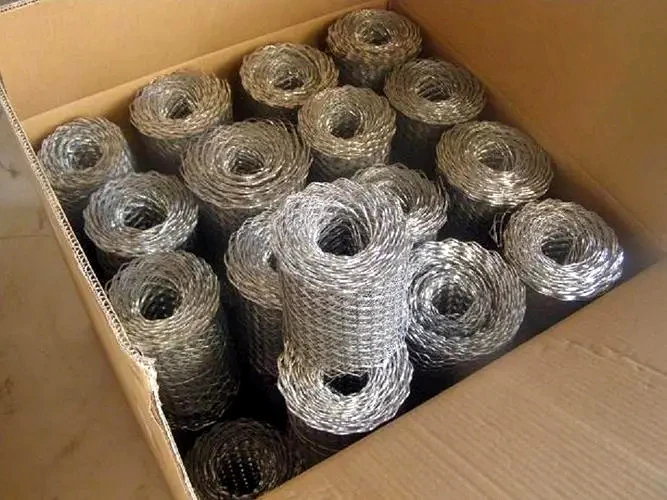
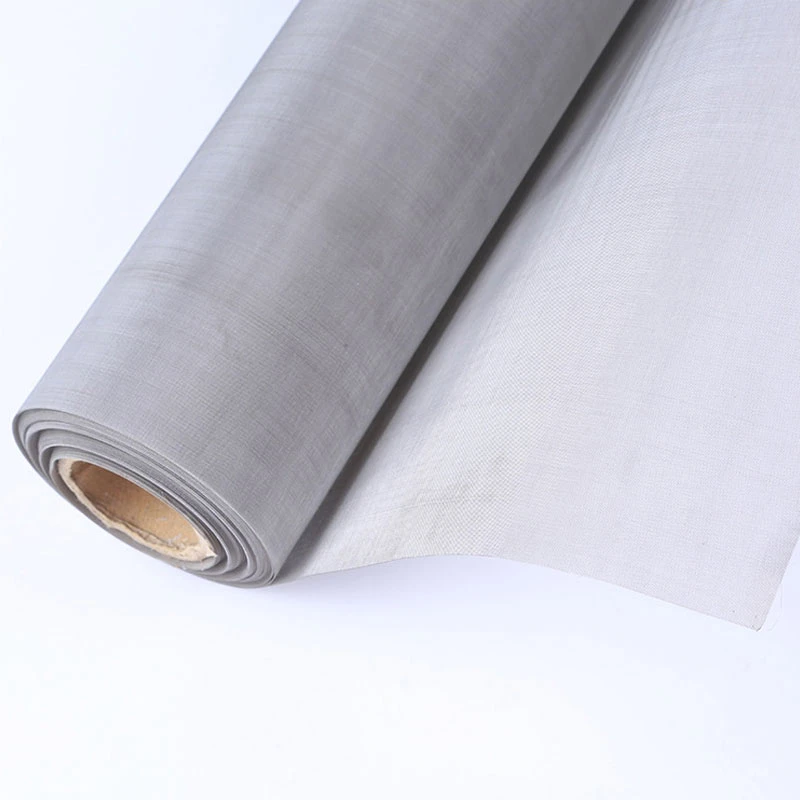
So what exactly is a GI wire supplier? Simply put, they’re the companies or entities that manufacture, stockpile, and distribute galvanized iron wire to various markets. Galvanized iron wire is steel wire coated with a layer of zinc, which prevents rust and extends the life of the wire significantly. These suppliers act as a critical node connecting raw material processing — like steel mills — to end-users such as farmers, builders, or industrial firms. Without this link, entire supply chains would falter, especially considering factors like quality control, product customization, and logistical reliability.
Core Aspects to Consider from a GI Wire Supplier
Durability
Galvanization creates a robust shield against corrosion—a must-have in outdoor and marine environments. Top suppliers ensure their wire adheres to global standards like ISO 1461 to guarantee consistent quality. This durability means the wire won’t need frequent replacing, saving time and money down the line.
Scalability of Supply
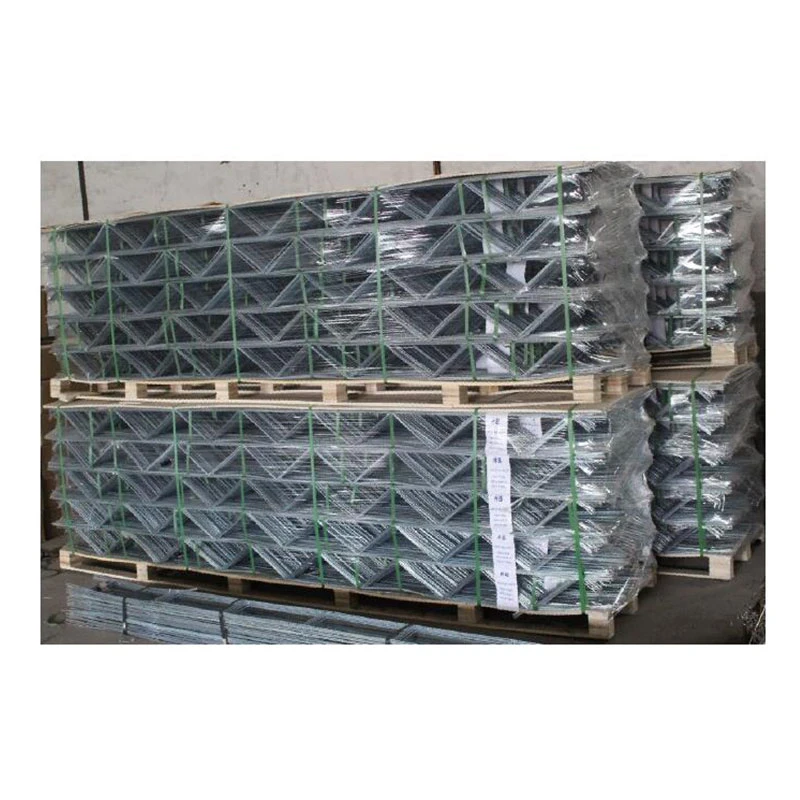
Whether you need a few kilograms for a farm fence or several tons for massive construction, solid suppliers can scale deliveries without serious delays. That flexibility often reflects their operational capacity and logistics prowess, which is sometimes overlooked but key for industries relying on timely materials.
Cost Efficiency
Pricing from GI wire suppliers can vary based on zinc coating thickness, wire gauge, and production techniques. Savvy buyers watch these factors closely. The cheapest option may look tempting but often sacrifices coating quality or tensile strength, leading to premature failure.
Customization
Different projects require different wire gauges, coatings, or packaging forms. A high-quality GI wire supplier listens and adapts, providing custom solutions beyond standard rolls or spools.
Compliance & Certifications
Suppliers who maintain certification to standards like ISO 9001 and ensure product compliance alleviate buyer concerns about material safety and reliability. It’s more than paperwork—it’s peace of mind.
Mini summary: Reliable GI wire supply hinges on durability, scalability, cost, customization, and compliance. These factors shape how well the product serves its many applications.
Where and How GI Wire Is Used Globally
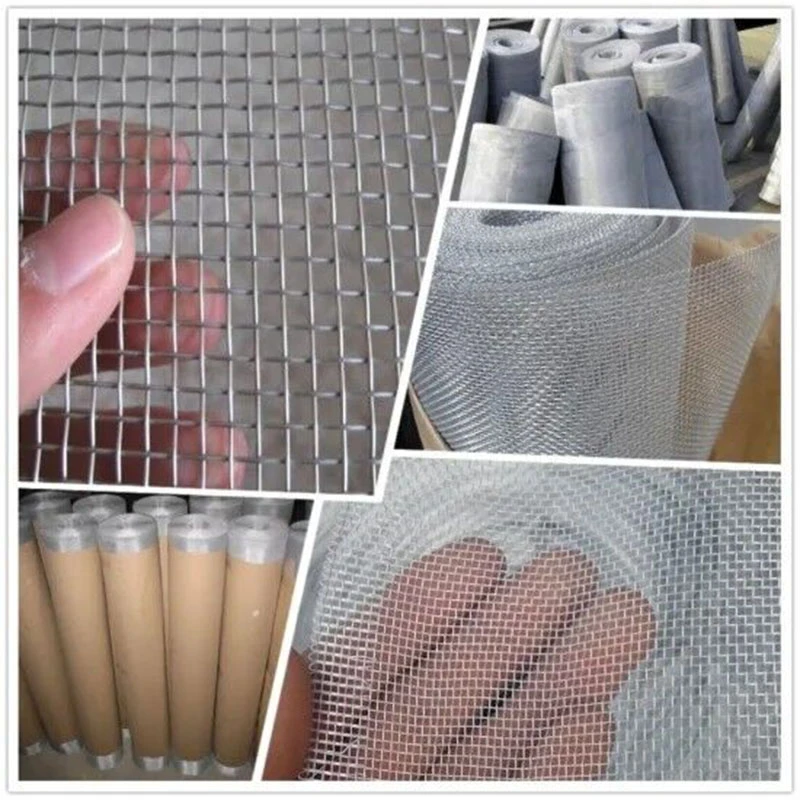
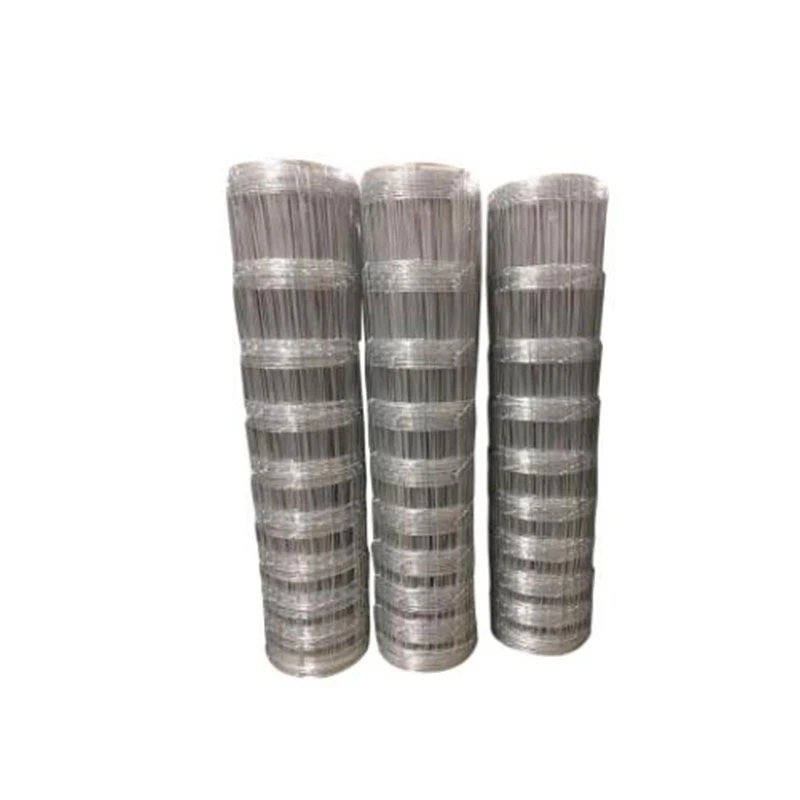
If you wander through rural villages or urban construction sites worldwide, GI wire is often at work. In regions like Southeast Asia and Africa, smallholder farmers depend on it to build secure fencing that protects crops and livestock. Meanwhile, in developed industrial zones, it finds use in binding rebar or manufacturing wire mesh for reinforced concrete.
Oddly enough, its humanitarian applications are just as important. NGOs operating in post-disaster relief — say, after floods in Bangladesh or hurricanes in the Caribbean — often rely on trusted gi wire suppliers to provide rapid, reliable fencing or structural supports for temporary shelters and sanitation facilities.
- Africa: Agricultural fencing, livestock containment.
- Asia: Infrastructure reinforcement, manufacturing.
- Europe & Americas: Construction, electrical wiring protection.
Example Use Case: After Cyclone Gaja in India (2018)
Local rebuilding efforts demanded tons of galvanized wire to secure homes and rebuild damaged fencing. Suppliers who could deliver on short notice made measurable differences in speed and resilience of recovery.
Mini takeaway: GI wire is everywhere, quietly underpinning agriculture, industry, and humanitarian relief in diverse settings, showing that what seems mundane is actually vital.
Benefits a Good GI Wire Supplier Brings to the Table
Cost savings are obvious — high-quality wire with longer life means fewer replacements. But there’s emotional value, too. Builders trust the wire won’t snap or rust unexpectedly, farmers feel secure their investment lasts seasons, and aid groups know their precious budgets aren’t wasted on subpar materials.
In terms of sustainability, durable galvanized wire reduces waste and raw material consumption. Recyclability is another asset — steel wire can be reprocessed indefinitely, fitting with circular economy goals.
Looking Ahead: Innovations in GI Wire Supply
Frankly, it feels like the GI wire sector is quietly evolving. Advances in coating technology — such as multilayer or zinc-aluminum alloys — promise even tougher protection against corrosion. Suppliers are also incorporating digital tracking for batch quality and shipping logistics. Sustainability is driving R&D toward greener production processes, using less energy and hazardous chemicals.
Automation in wire drawing and galvanizing means higher precision and uniformity, often lowering reject rates and improving product performance.
Challenges in the GI Wire Supply Chain
Still, challenges persist. Fluctuating raw material prices create unpredictability in costs. Some suppliers struggle with inconsistent zinc coating thickness or delays in shipping. Small buyers sometimes face minimum order quantities too high for their needs.
How to fix this? Industry insiders suggest closer collaboration with steel mills, adoption of advanced sensor tech for real-time quality monitoring, and flexible packaging options to serve varied customer sizes.
Frequently Asked Questions About GI Wire Suppliers
- What distinguishes a reputable GI wire supplier?
- Reliable suppliers offer certified products that meet international standards, provide consistent quality, and adapt to customer requirements. They maintain transparent supply chains and have good logistics to meet delivery deadlines.
- How does galvanized iron wire compare to plain steel wire?
- GI wire is coated with zinc, significantly improving its corrosion resistance. This makes it last longer outdoors, reducing maintenance and replacement costs compared to uncoated steel wire.
- Can GI wire be recycled, and does that affect quality?
- Yes, GI wire is made from steel, which is highly recyclable. Proper recycling doesn’t degrade steel quality, making it environmentally friendly while preserving performance.
- Are there regional differences in GI wire specifications?
- Minor variations exist based on national standards or application needs, but most suppliers follow global guidelines like ASTM or ISO standards to ensure product consistency.
GI Wire Supplier Product Specifications: A Quick Reference
| Specification | Typical Value | Units |
|---|---|---|
| Wire Gauge | 12 - 18 | AWG |
| Zinc Coating Thickness | 40 - 275 | g/m² |
| Tensile Strength | 350 - 550 | MPa |
| Coating Type | Hot-dipped/Galvanized | — |
| Spool Weight | 15 - 50 | kg |
Vendor Comparison: What to Look for When Choosing a GI Wire Supplier
| Feature | Supplier A | Supplier B | Supplier C |
|---|---|---|---|
| ISO Certification | Yes | No | Yes |
| Zinc Coating Options | 40g, 60g, 100g | 60g, 100g | 40g, 60g, 90g |
| Minimum Order | 500 kg | 1000 kg | 300 kg |
| Customization Available | Yes | Limited | Yes |
| Lead Time | 2 weeks | 4 weeks | 1 week |
Wrapping Up and Next Steps
In essence, a dependable GI wire supplier isn’t just about trading metal wire — it’s about forging connections across industries, regions, and communities. Their ability to deliver quality, scalability, and customization reflects directly in project success, environmental sustainability, and even social upliftment. If you’re sourcing galvanized iron wire for your next project or seeking a partner who understands your field’s nuances, make sure to vet suppliers thoroughly.
Interested in more details or ready to explore high-quality options? Visit our trusted gi wire supplier page to find products that fit your precise needs.
Final thought: As simple as galvanized wire seems, it truly holds the world together in more ways than one.
References: