Why Solid Galvanized Wire Still Reigns in Industrial Applications
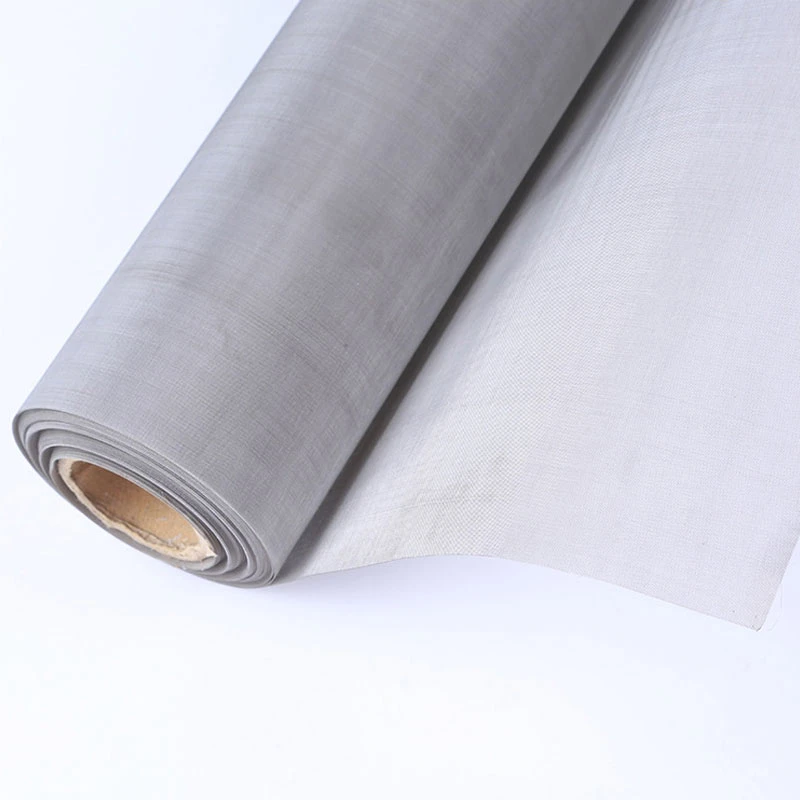
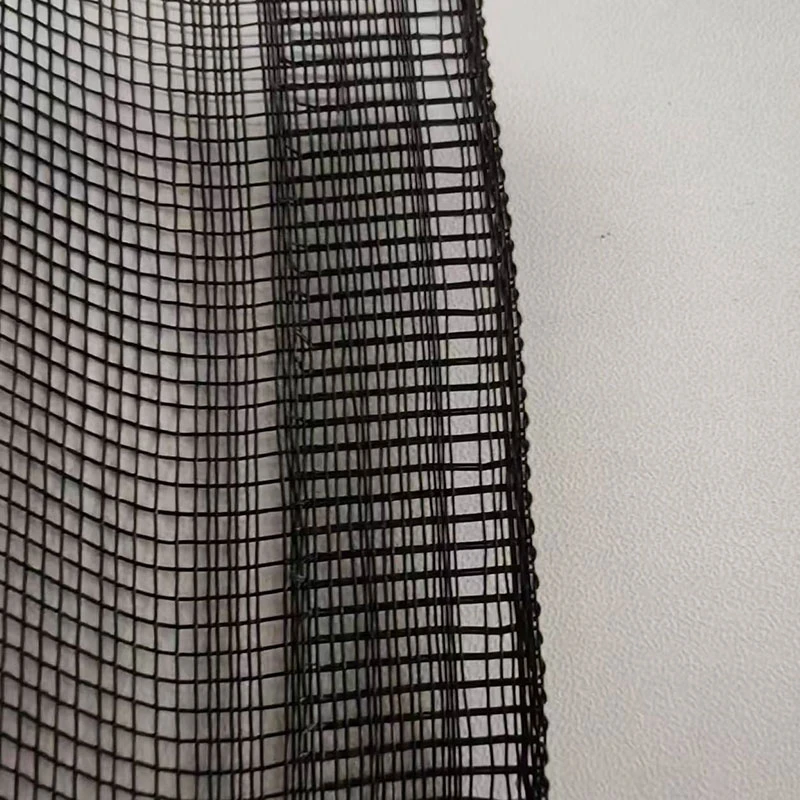
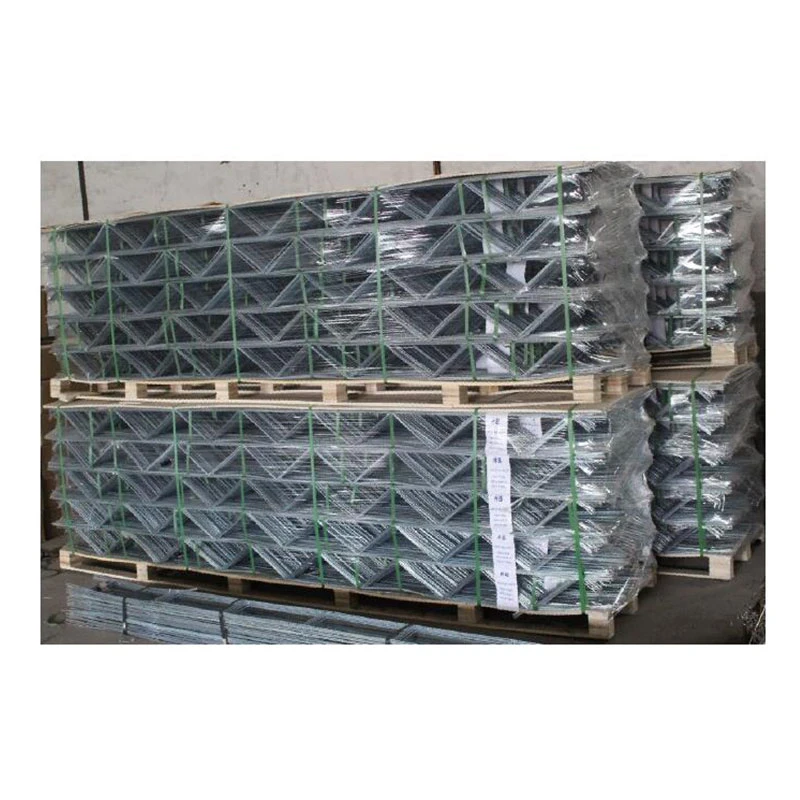
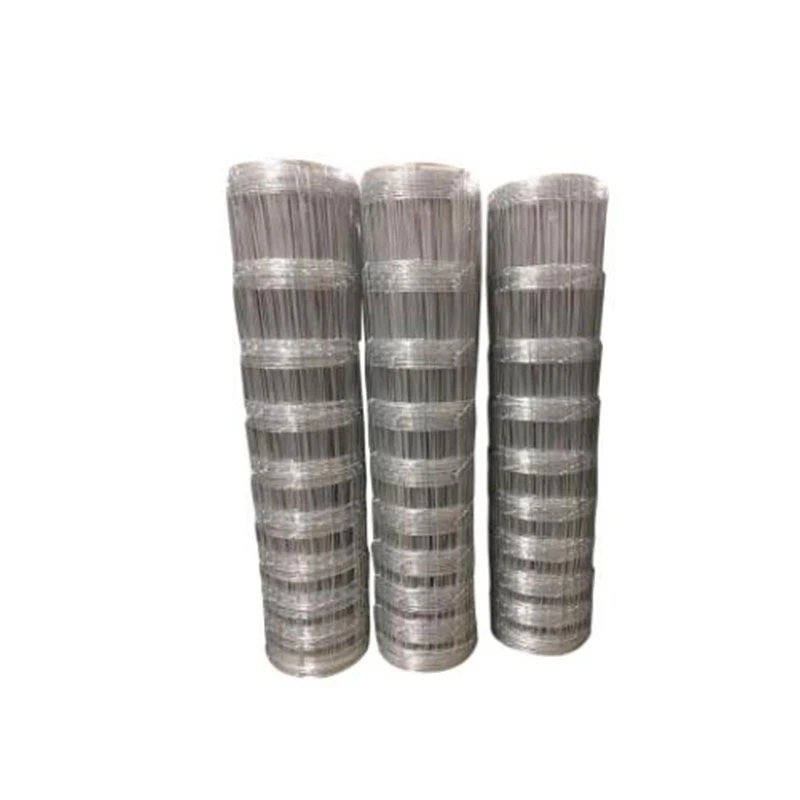
Having spent a good chunk of my career around fences, conveyor belts, and the occasional heavy equipment, I often come back to one reliable material: solid galvanized wire. It’s funny how something so straightforward — a simple wire coated with zinc — can prove itself over and over, even in brutally tough environments. It’s not fancy, but the longevity and strength keep it relevant despite newer alloys and composites hitting the market.
In real terms, the galvanized coating protects the steel core from rust and corrosion, which means fewer maintenance hiccups and replacements down the line. This becomes critical in outdoor or high-humidity settings. I remember one project where the specs called for wires that would last at least five years near a coastal plant — salty air and constant exposure, no joke. The solid galvanized wire more than held up.
Solid Galvanized Wire: Product Specifications You Should Know
Before we dig into the specs, just a quick note: solid galvanized wire comes in a variety of diameters, tensile strengths, and coatings. The zinc layer thickness is especially important depending on the expected wear and tear.
| Specification | Typical Value/Range | Notes |
|---|---|---|
| Wire Diameter | 0.5 mm – 6.0 mm | Common sizes for fencing & industrial use |
| Zinc Coating Thickness | 40 – 275 g/m² | Spec varies by corrosion resistance requirements |
| Tensile Strength | 350 – 700 MPa | Depends on steel grade and treatment |
| Surface Finish | Bright & smooth | Good for uniform coating and better weldability |
| Standard Length | 100m coils or cut-to-length | Flexible for large or small projects |
What Sets Top Vendors Apart in the Solid Galvanized Wire Market
Oddly enough, I’ve noticed that price often isn’t the deciding factor in vendor selection — engineers and procurement leads want consistent quality, timely supply, and customizable options. Some suppliers specialize in fine-tuning the zinc layer or optimizing wire flexibility, depending on end use.
| Vendor | Zinc Coating Range | Customization | Lead Time | Typical Price Range |
|---|---|---|---|---|
| Supplier A (e.g. YJD Wire Mesh) | 40 – 275 g/m² | Diameter, length, coating thickness | 2 – 3 weeks | Moderate |
| Supplier B | 50 – 200 g/m² | Standard sizing only | 1 – 2 weeks | Lower |
| Supplier C | 70 – 250 g/m² | Diameter & coating thickness only | 3 – 4 weeks | Higher |
From My Experience: When to Choose Solid Galvanized Wire
Many engineers say that solid galvanized wire is their go-to for fencing, binding, and some conveyor framework because it’s predictable. In one case, a food processing plant needed wire that could withstand regular washing and harsh cleaning agents without rusting. The solid galvanized option offered an ideal balance — tough enough without breaking the bank.
That said, it’s not always the magic answer. In super corrosive environments or where extreme flexibility is needed, alternative materials might be better. But for most industrial jobs, the solid galvanized wire is like an old reliable coworker — maybe not flashy, but you know it’ll show up day after day.
So if you’re stocking up or specifying materials, think about what really matters — longevity, surface quality, and the protection layer thickness. And of course, choosing a trusted supplier, like the folks over at YJD Wire Mesh, can make a huge difference in making sure you aren’t chasing delivery delays or poor batch quality.
In the end, solid galvanized wire is one of those unsung heroes in the industrial equipment scene. And oddly enough, sometimes the simplest materials carry the heaviest burdens.
References & Thoughts
- Industry reports on galvanized wire coatings and corrosion resistance, 2023.
- Personal field experience in plant maintenance and wire specification, 2018–present.
- “Galvanized Wire and Wire Mesh Technology,” technical handbook, YJD Wire Mesh.