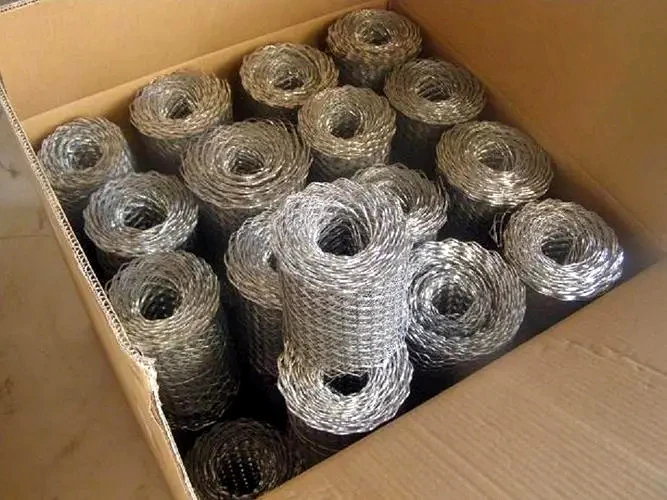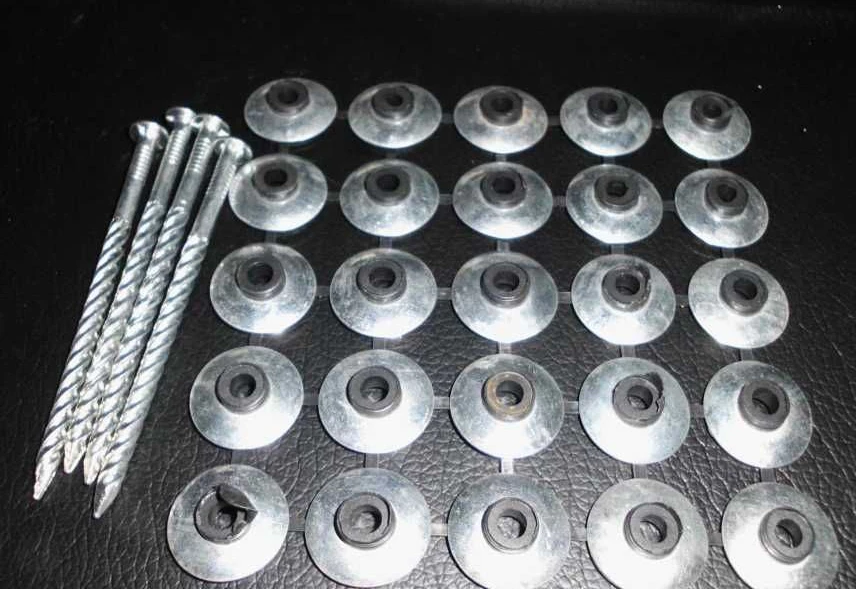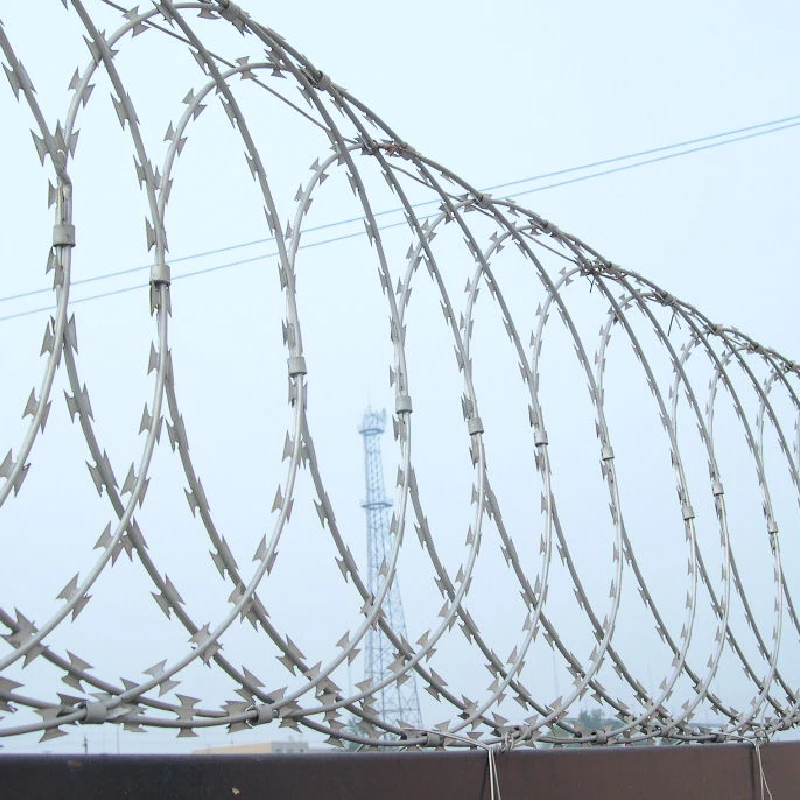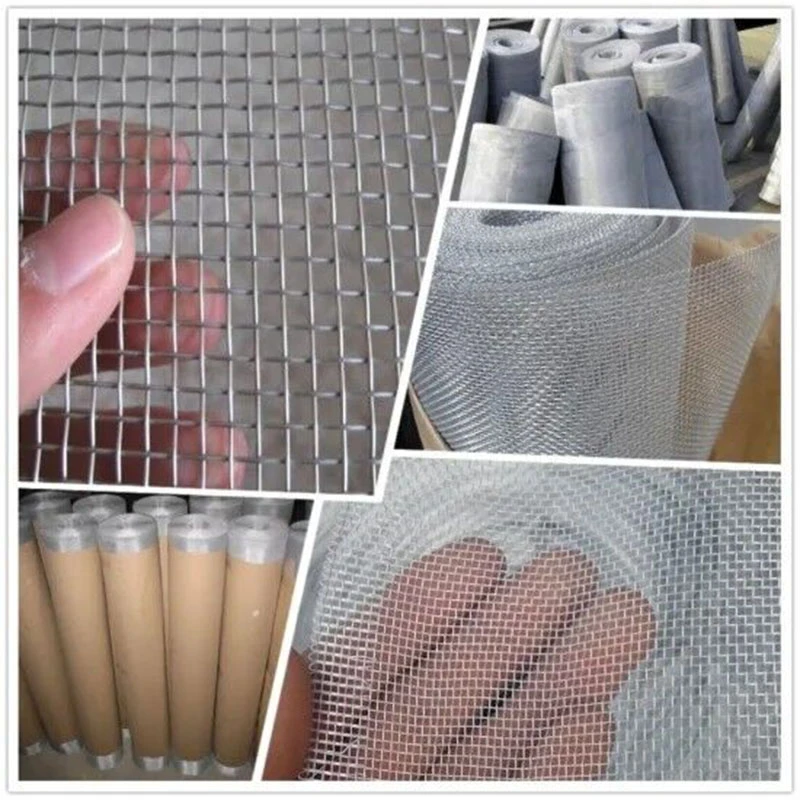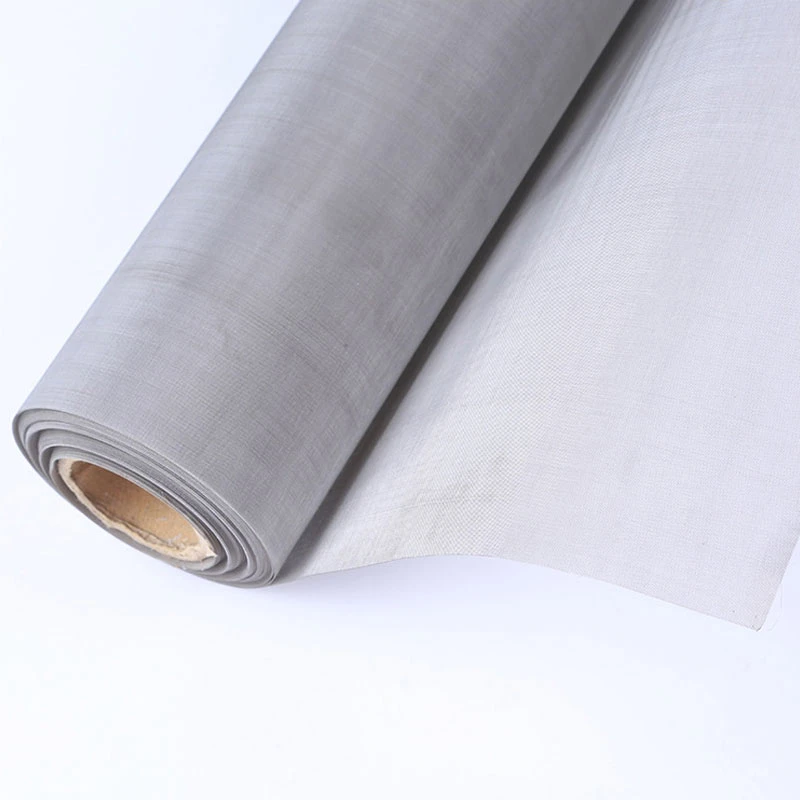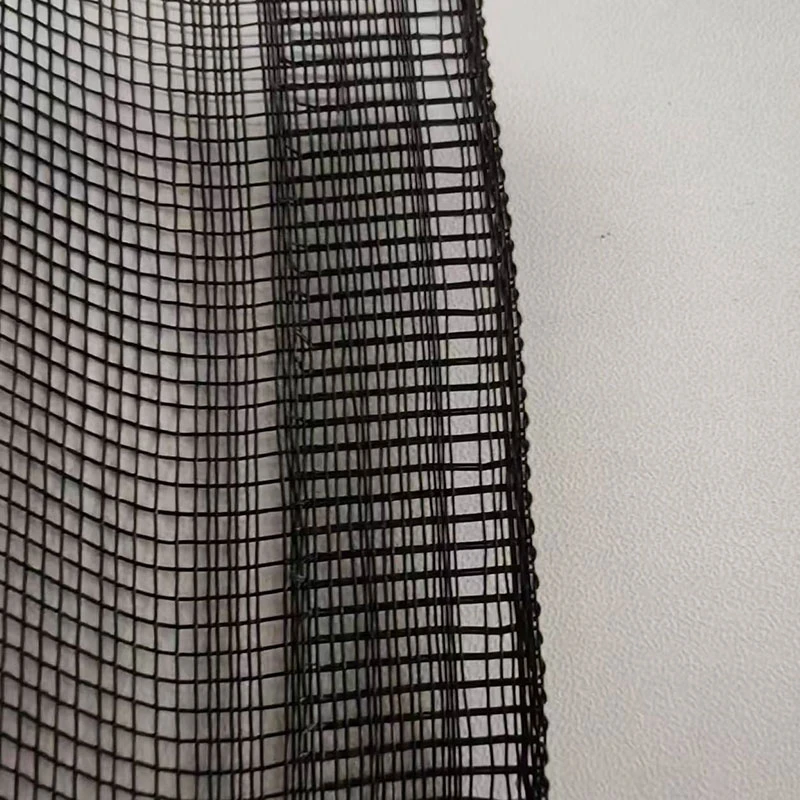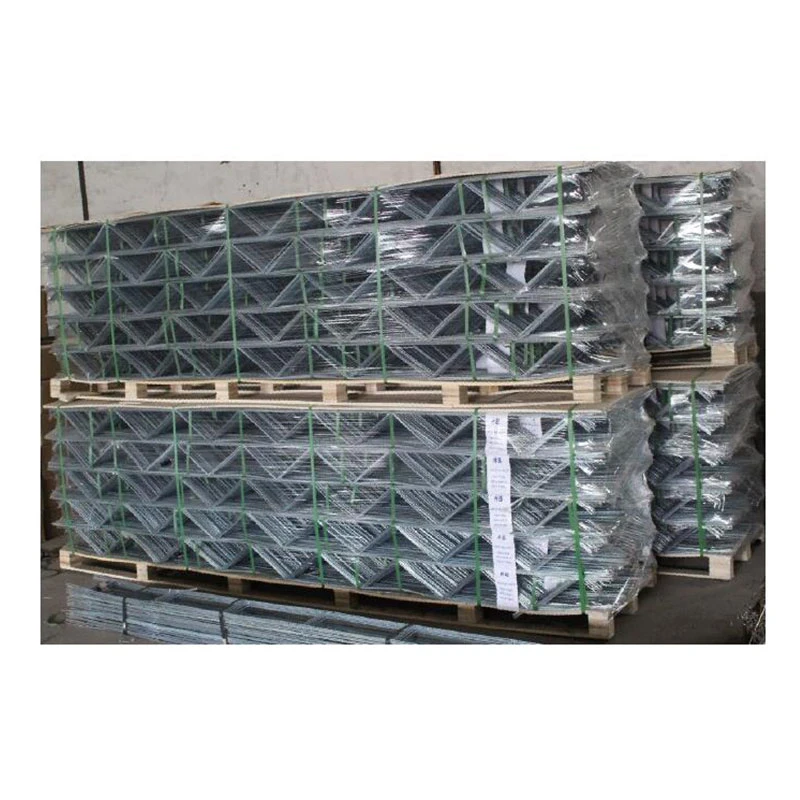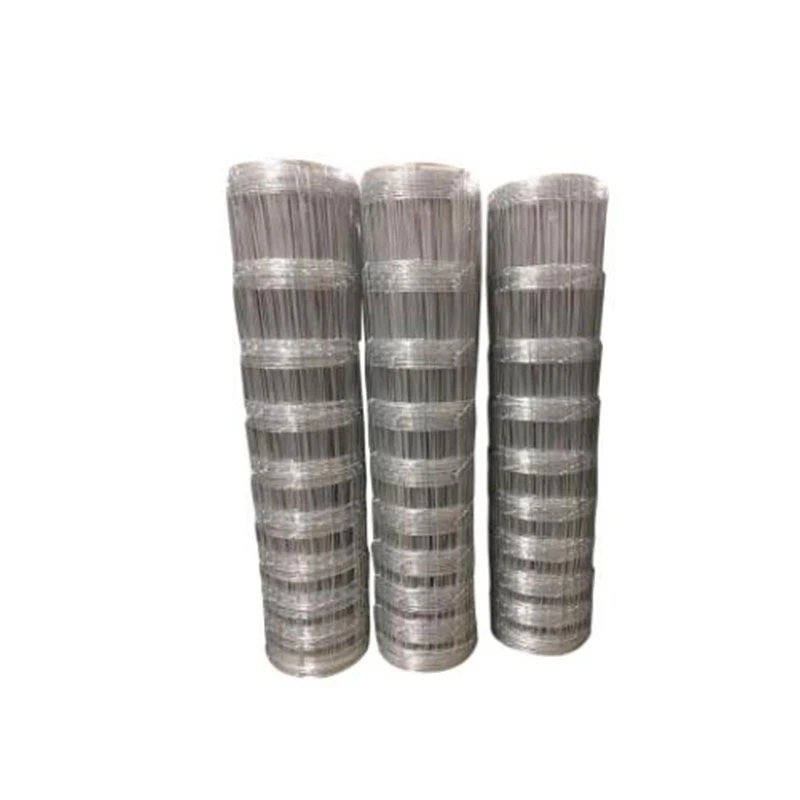
Wholesale wire mesh has established itself as a crucial material across a wide range of industries. From industrial and agricultural sectors to architecture and home improvement, this durable and adaptable material is prized for its strength, resilience, and variety of forms. But what exactly makes wholesale wire mesh so popular, and why should businesses and individuals alike consider bulk purchasing?
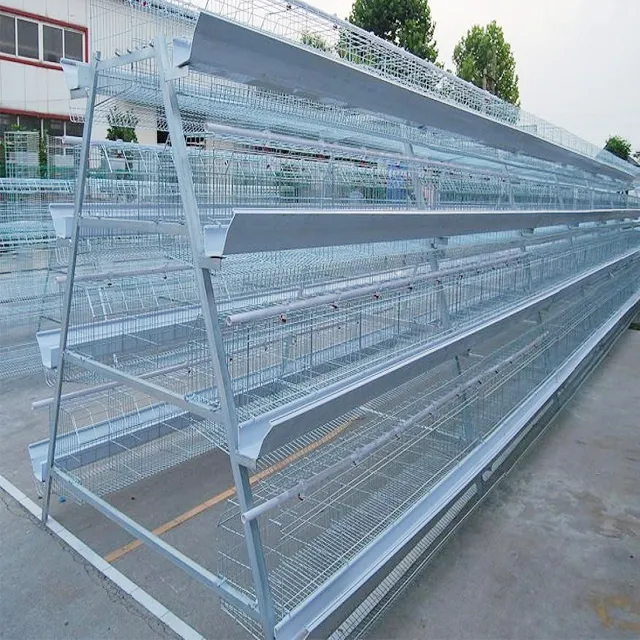
At its core, wire mesh is a grid-like structure made by weaving or welding wires together. Available in materials such as stainless steel, galvanized steel, aluminum, copper, and more, the mesh can be tailored to specific needs—whether for sieving, filtration, reinforcement, or fencing. Buying in bulk from wholesale wire mesh suppliers significantly reduces the wire mesh cost, making it an economically sound decision for large-scale projects or frequent usage.
Another key advantage of buying wholesale wire mesh is the wide array of customization options available. Need a fine mesh for air filtration or a coarse one for fencing livestock? Wholesalers often allow buyers to specify size, material, coating, and shape to match their exact application. Moreover, with rising material costs, locking in wholesale prices can provide a crucial buffer against market fluctuations.
So whether you're reinforcing concrete, protecting property, or creating artistic installations, understanding how wholesale wire mesh fits into your project can help you achieve greater efficiency and cost savings.
Understanding Wire Mesh Cost: Factors That Matter
The wire mesh cost is influenced by a range of factors, and understanding these can help both casual buyers and professionals make informed purchasing decisions. One of the most obvious price determinants is the material. Stainless steel is generally more expensive than galvanized steel or aluminum due to its corrosion resistance and longevity.
Another major contributor to wire mesh cost is the mesh size and wire diameter. Finer meshes with smaller openings and thicker wires require more material and precision manufacturing, thereby increasing the overall price. Additionally, specialized treatments such as PVC coating, epoxy powder, or heat treatments also add to the wire mesh cost, but may be necessary for particular environments such as marine settings or food processing.
Quantity also plays a major role. Purchasing from wholesale wire mesh suppliers generally results in lower costs per unit, making it ideal for contractors, farmers, and manufacturers. Wholesalers often provide tiered pricing, where larger volumes result in even greater savings.
Transportation and storage fees should also be considered. Wire mesh can be bulky, especially in rolled or sheet formats. Choosing a local or regional wholesaler can help minimize shipping costs. Furthermore, if custom sizing or fabrication is required, labor and equipment costs may increase the overall price.
To truly manage wire mesh cost, buyers should not only compare quotes but also assess the total cost of ownership—durability, maintenance needs, and product life span can significantly impact long-term expenses.
The Wide-Ranging Uses of Wire Gauze in Modern Applications
The many uses of wire gauze extend far beyond basic laboratory functions. Although most people associate wire gauze with science labs—used to support beakers and flasks over burners—its role in today’s industries is far more extensive.
In construction, uses of wire gauze include its integration into plastering systems where it serves as a reinforcement material. It helps prevent cracking, offers structural support, and ensures better adhesion of plaster to surfaces. It’s also employed in stucco systems and external wall insulation applications.
In the automotive sector, wire gauze is used in air and oil filters to trap debris and contaminants. Because of its fine mesh structure, it allows fluid or air to pass through while capturing harmful particles. This ensures smoother engine performance and longer-lasting machinery.
In the food industry, uses of wire gauze are vital for sieving, grilling, and drying. Stainless steel gauze is often used in commercial kitchens and food processing facilities because of its non-reactive properties and ease of cleaning.
Artists and designers have also discovered the benefits of using wire gauze in sculptures and installations. Its flexibility, shape retention, and texture allow for innovative, three-dimensional designs that wouldn’t be possible with traditional materials.
The diversity of uses of wire gauze demonstrates just how essential this material is. Its adaptability, combined with cost-effectiveness and availability through wholesale wire mesh suppliers, makes it an indispensable part of modern manufacturing and design.
Balancing Quality and Wire Mesh Cost for Long-Term Value
In today’s market, balancing product performance with reasonable wire mesh cost is essential. Buyers often face a dilemma: should they opt for lower-cost materials that may require frequent replacement, or invest in high-quality options that provide better longevity?
The answer lies in understanding the specific needs of your project. For example, a temporary construction barrier might not require stainless steel mesh, so a galvanized alternative can effectively reduce wire mesh cost. On the other hand, in corrosive or high-moisture environments like chemical plants or marine settings, stainless steel or even coated mesh is more cost-effective in the long run despite the higher initial investment.
Another strategy is working directly with wholesale wire mesh suppliers. These vendors often provide professional consultation to help clients choose the most appropriate mesh type, reducing unnecessary spending. They can also provide samples and technical support for customized applications.
Proper maintenance also plays a role in maximizing your investment. Regular cleaning, timely repairs, and storing mesh properly when not in use can greatly extend its lifespan and reduce replacement needs.
Ultimately, an informed purchase that takes both performance and durability into account will always offer better value than choosing solely based on upfront wire mesh cost.
FAQs About Wholesale Wire Mesh
What are the most common materials used in wholesale wire mesh?
Stainless steel, galvanized steel, and aluminum are the most widely used materials. Stainless steel is favored for its corrosion resistance and strength, making it ideal for harsh environments. Galvanized steel offers cost-effectiveness and moderate rust protection. Aluminum is lightweight and resistant to corrosion, suitable for lightweight applications.
How can I reduce wire mesh cost without compromising quality?
One of the most effective ways is purchasing from wholesale wire mesh suppliers who offer bulk discounts. Also, match the mesh material and weave type exactly to your application needs—avoid over-specifying. Consider alternatives like galvanized steel instead of stainless steel for non-corrosive environments to save costs.
Can wire mesh be customized for specific industrial applications?
Absolutely. Many wholesale wire mesh providers offer customization including material type, wire diameter, mesh size, shape (rolls, sheets, or cut panels), and surface treatments like powder coating or PVC coating. Custom designs ensure that the mesh meets technical and safety requirements for specialized uses.
What are the maintenance practices to extend the lifespan of wire gauze and wire mesh?
Routine cleaning to remove dust, dirt, or corrosive substances is vital. For metal mesh, avoid harsh acids unless it's designed for chemical resistance. Store the mesh in a dry, covered area when not in use. Inspect periodically for wear or structural damage, especially in high-load or exposed environments.