The Silent Backbone: What a GI Wire Factory Is and Why It Matters
When we talk about the relentless march of industries shaping infrastructure, one seemingly modest entity often flies under the radar: the gi wire factory. At first glance, it might sound like just a place that makes wire—but scratch the surface, and you find a vital player in global manufacturing, construction, and even humanitarian efforts worldwide.
GI wire, or galvanized iron wire, is everywhere—reinforcing buildings, protecting crops, and even enabling quick solutions in disaster zones. Understanding how these factories operate, their importance, and their future is more than technical trivia; it’s a window into an essential thread woven into the fabric of daily life and safety. Plus, knowing its benefits can help industries and consumers alike make smarter, more sustainable choices.
Introduction: The Global Pulse Behind GI Wire Factories
The steel and iron wire industry is projected to grow steadily with global infrastructure investments surpassing $3.7 trillion per annum, according to the World Bank. Galvanized iron wire, produced in specialized gi wire factories, contributes significantly to this momentum, especially in emerging markets where urbanization and agriculture demand reliable, affordable, and corrosion-resistant materials.
This industrial segment doesn’t merely feed construction—it's crucial for tackling challenges like soil erosion, fencing for livestock in rural communities, or even in temporary shelters during humanitarian crises. Yet, growing demand brings production challenges: from sourcing raw materials sustainably to maintaining quality under huge output pressures.
Figuring out how these factories innovate while facing environmental and logistical hurdles is key for anyone involved in supply chain, manufacturing, or emergency planning.
Defining a GI Wire Factory: Simply Put
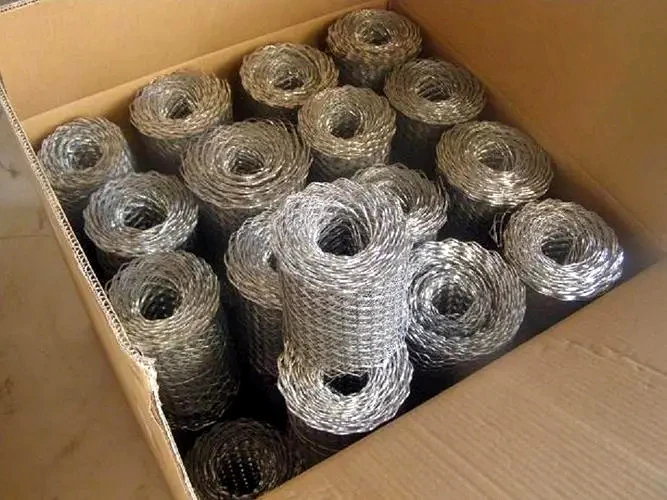
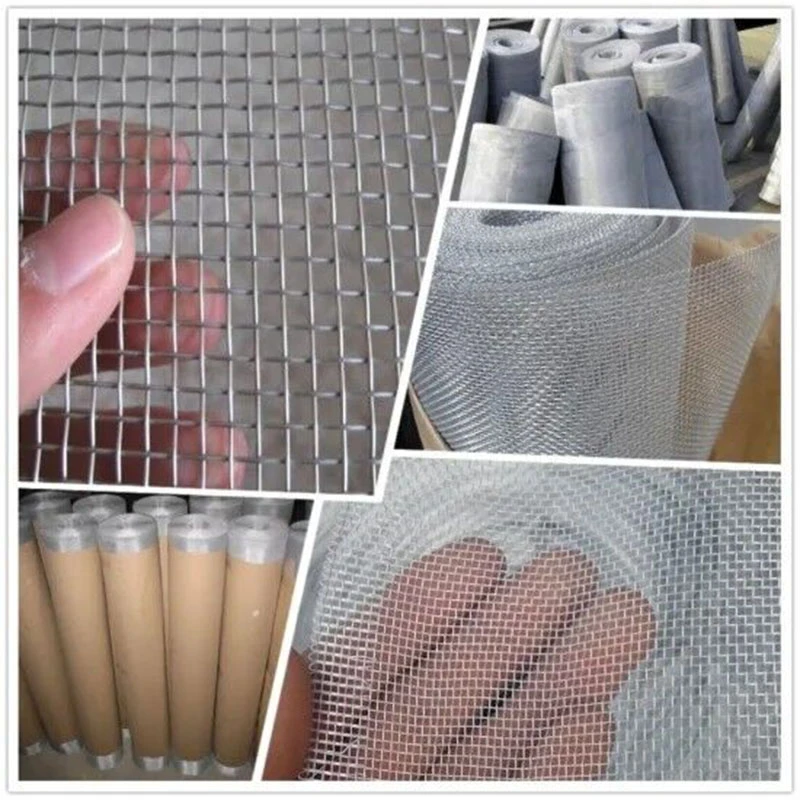
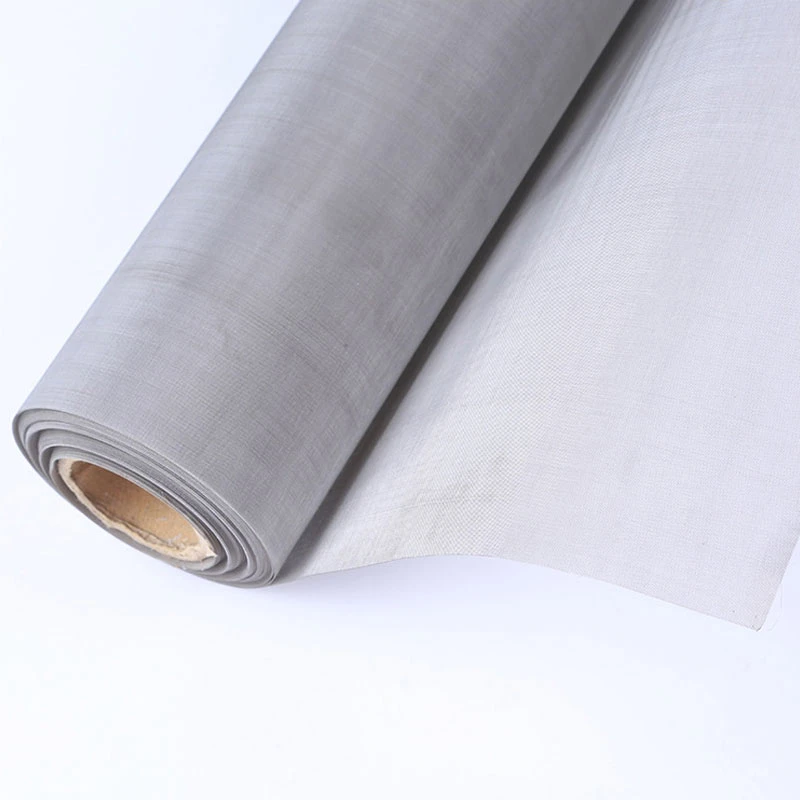
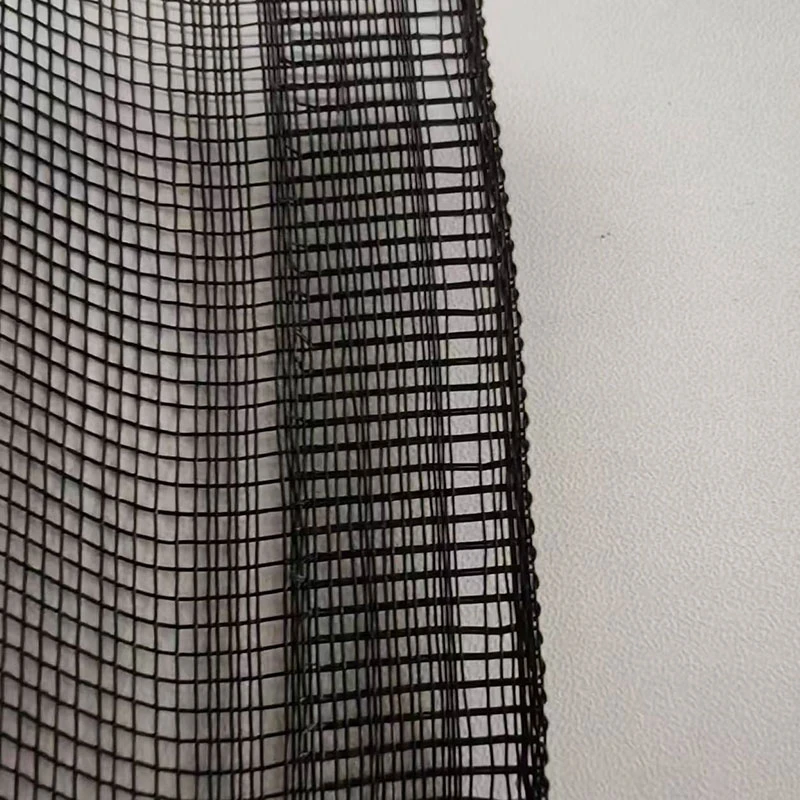
A gi wire factory is a manufacturing facility dedicated to producing galvanized iron wire—thin steel wire coated in zinc to prevent rusting. Think of it as the humble backbone of wire mesh fencing, cable armoring, and much more.
The process usually starts with steel wire rods that are drawn into thinner strands, then dipped in molten zinc for galvanization. This protective layer is what makes the wire versatile enough for outdoor and industrial use.
In many ways, these factories connect modern industry with humanitarian needs. They supply materials needed for resilient building, safe agricultural practices, and infrastructure essentials worldwide.
Core Components That Make GI Wire Factories Tick
1. Durability Through Galvanization
The zinc coating isn’t just a shinny veneer—it’s a game changer. It can extend wire life from mere months to over a decade outdoors, depending on thickness and environment. Durability means less frequent replacements, lowering long-term maintenance costs.
2. Scalability in Production
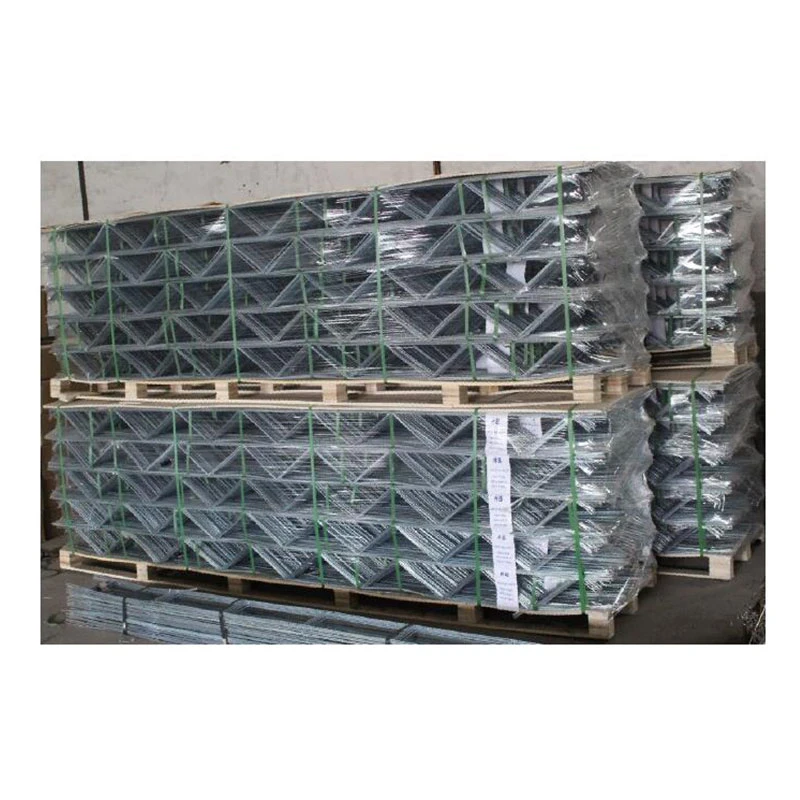
Many gi wire factories boast flexible production lines capable of churning out tons daily to meet global scale demands. This scalability ensures manufacturers can supply sprawling infrastructure projects as well as small rural initiatives.
3. Cost Efficiency
Compared to stainless steel or specialty alloys, galvanized iron wire offers a wallet-friendly balance of strength and protection. Factories optimize cost by fine-tuning zinc usage and automating lines—passing savings downstream.
4. Quality Control & Testing
Reliable factories deploy rigorous testing—coating thickness measurements, tensile strength tests, and elongation assessments—to meet various international standards (like ISO 1461). This quality assurance is crucial: poor wire leads to premature failure, risking safety.
5. Adaptability in Wire Gauge & Length
Whether the wire is 0.5mm for delicate mesh or up to 8mm for heavy reinforcement, factories typically provide customization. This versatility matters across sectors: agriculture, construction, industrial manufacturing, and even art installations!
The Many Faces of GI Wire: Global Applications and Use Cases
It’s fascinating how a product as simple as galvanized wire finds itself at the core of so many efforts globally. Picture this:
- In post-disaster relief operations, where fast fencing and mesh supports are needed to protect devastated sites and displaced communities, gi wire factory supplies critical building blocks.
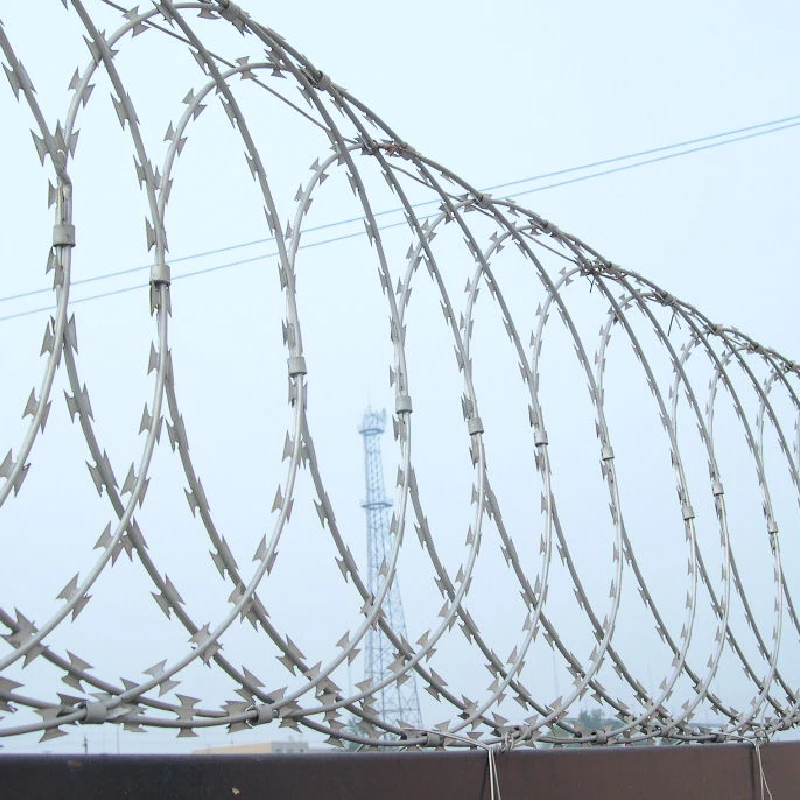
- Urban infrastructure: fences around railways and highways rely on rust-resistant wires to keep communities safe and secure.
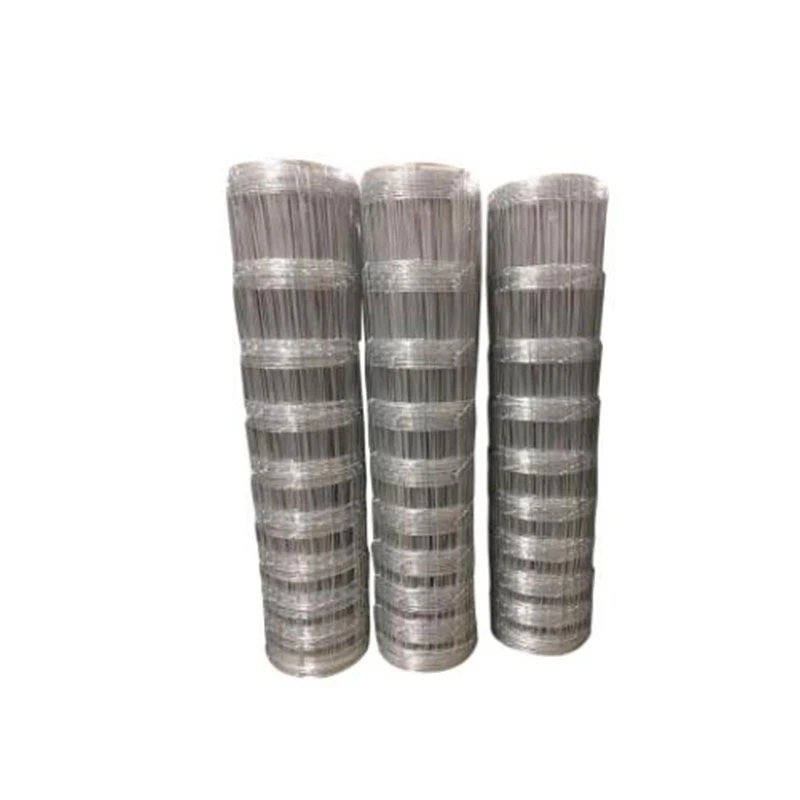
- Agriculture in emerging economies, where affordable fencing keeps livestock protected and helps manage land use sustainably.
- Remote industrial zones, like mining or energy production sites, count on galvanized wire for equipment guarding and structural support in harsh environmental conditions.
East Asia, South Asia, and parts of Africa have seen a surge in factory outputs to meet their growing infrastructure and agricultural needs. Meanwhile, developed regions demand custom, specialized galvanization standards for niche applications—proof of versatility.
Product Specification: A Snapshot of GI Wire Standards
| Specification | Range/Type | Typical Usage |
|---|---|---|
| Wire Diameter (mm) | 0.5 – 8.0 | Light mesh to heavy reinforcement |
| Coating Thickness (μm) | 20 – 85 | Weather resistance depending on environment |
| Tensile Strength (MPa) | 350 – 600 | Structural support and fencing |
| Lengths Available (meters) | 50 – 2000 (coiled or straightened) | Adaptable to project scale |
| Compliance Standards | ISO 1461, ASTM A641 | Global quality assurance |
Comparing Top GI Wire Factory Vendors: What to Look For
| Feature | Vendor A | Vendor B | Vendor C |
|---|---|---|---|
| Production Capacity (tons/month) | 1200 | 950 | 1400 |
| Customization Available | Yes | Limited | Yes |
| ISO Certified | Yes | No | Yes |
| Lead Time (weeks) | 4 | 3 | 5 |
| Export Experience | Extensive | Moderate | Extensive |
Advantages and the Long Game: What GI Wire Brings to the Table
On a practical level? Galvanized wire stands out for its longevity and cost-effectiveness. But oddly enough, the benefits often resonate on an emotional plane, too:
- Safety & Trust: Knowing a fence won’t collapse or corrode makes a tangible difference to families and businesses alike.
- Dignity & Stability: Reliable fencing in refugee camps or farms maintains order and personal space, which is huge in crisis times.
- Innovation & Adaptability: New alloys and coatings allow wire producers to keep up with climate challenges and diverse construction needs.
And sustainability isn’t just buzz—it’s real. Galvanized wires are often recyclable, and efficient factories reduce zinc waste and energy consumption, making them greener than some alternatives.
Looking Ahead: Future Trends in GI Wire Factories
What’s next for this rather unassuming industry? For one, digital transformation like IoT-enabled production lines is gaining traction — helping monitor quality in real time and reduce defects.
Then you have sustainable materials: Some factories experiment with zinc-aluminum coatings, extending corrosion resistance while using fewer resources. Automation also opens doors to faster turnarounds and higher precision.
Regulatory pressures worldwide push suppliers toward greener processes, less waste, and better worker safety — meaning factories aren’t just making better wire, but building better futures.
Challenges on the Horizon & Smart Solutions
GI wire factories aren’t immune to hurdles. Raw material price swings, environmental regulations, and logistics bottlenecks remain persistent issues. Particularly, zinc price volatility can squeeze profit margins unexpectedly.
To tackle this, many producers diversify zinc sourcing, invest in recycling programs, and forge strategic partnerships to stabilize supply. On the tech front, predictive maintenance reduces downtime, while advanced coatings minimize zinc consumption without sacrificing protection.
FAQ: Practical Questions About GI Wire Factories
Q1: How long does galvanized iron wire typically last outdoors?
It varies by coating thickness and environment, but generally, GI wire lasts anywhere from 10 to 25 years in normal outdoor conditions. Coastal or highly polluted areas may see shorter lifespans unless specially coated. Regular inspection also helps prolong usage.
Q2: Can GI wire be customized for different industrial needs?
Absolutely. Most modern gi wire factories offer custom diameters, coil lengths, and zinc coating thicknesses to suit agriculture, construction, or specialized industrial applications. Customization is key for projects with unique durability or safety requirements.
Q3: Are GI wire products eco-friendly?
Moderately so. While galvanized wire involves zinc coating—which requires mining—many factories use recycling and waste reduction techniques to minimize environmental impact. Moreover, wire longevity means less frequent replacement, reducing resource use long term.
Q4: How can international buyers ensure quality when sourcing GI wire?
Look for ISO 1461 certification or equivalent standards, request samples and test reports, and partner with reputable suppliers who provide traceability and customer support. Visiting gi wire factory websites and engaging in direct communication helps verify authenticity.
Q5: What roles do GI wire factories play in humanitarian aid?
They supply materials for quick assembly fencing, protective mesh, and structural supports essential in disaster relief and refugee settlements. Their ability to deliver durable, affordable wire quickly is crucial for effective response efforts.
Conclusion: Why GI Wire Factories Deserve More Attention
It might be tempting to overlook the “factory producing wire,” but in reality, gi wire factories keep many industries safe, sustainable, and moving forward. From the farmer’s fence in South Asia to a disaster shelter’s mesh in Africa, this wire quietly endures challenges and climate alike, delivering resilience everywhere.
If you want to explore more about sourcing reliable galvanized wire or understanding factory capabilities firsthand, it’s worth visiting trusted suppliers like gi wire factory websites for detailed specs, certifications, and customer support.
At the end of the day, GI wire might not be glamorous—but knowing its story and potential feels like investing in a world built on ingenuity and trust.