Look, I’ve spent the last fifteen years breathing dust on construction sites, wrestling with specs, and talking shop with the guys actually building things. And let me tell you, when it comes to securing a site, the price of iron fencing wire is always top of mind. It’s not just about keeping people out, it’s about reliable security that doesn’t break the bank. You want something that can withstand weather, potential vandalism, and just plain wear and tear. Understanding what drives that iron fencing wire price is crucial for keeping projects on schedule and under budget.
It's a surprisingly complex market. You’ve got different gauges of wire, different coatings – galvanized, PVC-coated, even stainless steel for more demanding environments. Each impacts the final price, and more importantly, the lifespan of the fence. A cheap wire might save you upfront, but if you’re replacing sections every year, you’re throwing money away. The real goal is finding that sweet spot between initial cost and long-term durability. I’ve seen too many projects cut corners only to pay double in the long run.
And it’s not just about the wire itself. Shipping costs have gone wild, and availability can be a nightmare these days. Delays in getting materials on-site can halt progress and rack up serious penalties. That's why understanding the factors that influence the iron fencing wire price – from raw material costs to transportation logistics – is essential for proactive project management.
Defining Iron Fencing Wire Price
Simply put, the iron fencing wire price is the cost per unit length or weight of the wire used in constructing perimeter fences. It’s a foundational cost for any project requiring security, demarcation, or animal containment. But it’s rarely just the price of the wire. It's an integral part of a bigger picture involving posts, fittings, installation labor, and ongoing maintenance.
In the modern construction and agricultural landscape, reliable and cost-effective fencing is paramount. Whether it’s securing a building site, protecting livestock, or defining property lines, the initial cost of the iron fencing wire price is a significant factor in project feasibility and budget allocation. It directly impacts the overall cost-effectiveness of the project.
Global Market Dynamics of Iron Fencing Wire
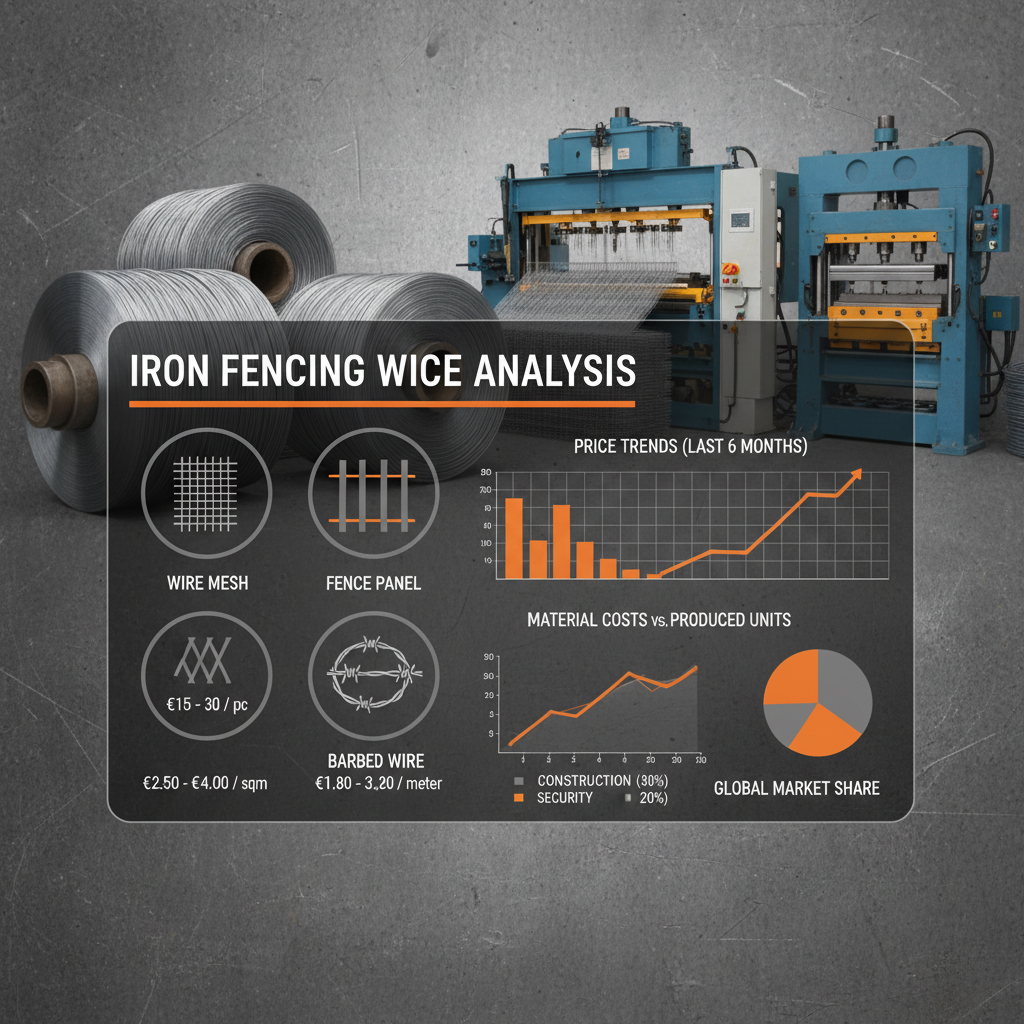
The global market for fencing wire is massive, driven by construction booms in developing nations and continued demand in established economies. According to recent reports, the Asia-Pacific region accounts for the largest share of the market, followed by North America and Europe. Fluctuations in raw material prices – particularly iron ore and steel – have a significant impact on the iron fencing wire price worldwide.
Geopolitical events and trade policies also play a role. Tariffs on steel imports, for example, can directly increase the cost of fencing wire. Supply chain disruptions, as we've seen recently, can lead to shortages and price spikes. Understanding these global dynamics is crucial for anticipating price fluctuations and making informed purchasing decisions. I’ve seen projects delayed for weeks just waiting for wire to arrive.
The demand for security fencing, in particular, is steadily increasing due to rising concerns about theft, vandalism, and unauthorized access. This demand is pushing manufacturers to innovate and develop more durable and secure fencing solutions, which can also influence the iron fencing wire price.
Core Components Affecting Price
Several key factors influence the iron fencing wire price. Wire gauge (thickness) is a major one – thicker wire is stronger and more durable, but also more expensive. The type of coating also makes a big difference. Galvanization provides corrosion resistance, while PVC coating offers added protection and aesthetic appeal. Different coatings have different price points.
The quality of the steel itself is critical. High-carbon steel is stronger and more resistant to stretching, but it’s also pricier. Manufacturing processes, like how the wire is drawn and formed, can also impact the price. And don’t forget about quantity – bulk orders almost always come with discounts. I always tell my guys to factor everything in, not just the per-foot price.
Practical Applications and Cost Analysis
Let’s talk real-world applications. For a simple perimeter fence around a residential property, a lighter gauge galvanized wire might suffice. But for a high-security industrial site, you’ll need heavier gauge wire with a robust coating, potentially even stainless steel, which significantly increases the iron fencing wire price.
Comparative Iron Fencing Wire Price Analysis
Regional Variations in Iron Fencing Wire Price
The iron fencing wire price can vary significantly by region. Shipping costs play a huge role, as does local demand and competition. In areas with limited local suppliers, prices tend to be higher. Similarly, regions with strict building codes or environmental regulations may face higher costs due to the need for specific types of fencing.
Long-Term Value and Total Cost of Ownership
Don't just focus on the initial iron fencing wire price. Consider the total cost of ownership. A cheaper wire that needs to be replaced every few years will ultimately cost you more than a higher-quality wire that lasts for decades. Factor in maintenance costs, such as repainting or repairing damaged sections.
A well-maintained fence adds value to a property and provides long-term security. Investing in quality materials and proper installation is always a smart move, even if it means paying a bit more upfront. I’ve seen too many shortcuts lead to headaches down the road.
Future Trends and Innovations in Fencing Wire
We’re starting to see some interesting innovations in fencing wire. New coating technologies are providing even greater corrosion resistance and durability. Smart fencing systems, incorporating sensors and alarms, are becoming more common. There's also a growing focus on sustainable fencing materials, like recycled steel.
I expect to see more of these trends in the coming years, as manufacturers respond to the demand for more secure, durable, and environmentally friendly fencing solutions. And of course, keeping an eye on raw material prices and supply chain dynamics will be crucial for managing the iron fencing wire price.
Summary of Future Trends impacting Iron Fencing Wire Price
| Trend Category |
Description |
Potential Impact on Price |
Timeline for Adoption |
| Advanced Coatings |
Development of new coatings with superior corrosion resistance and UV protection. |
Initially higher price, but reduced long-term maintenance costs. |
2-5 years |
| Smart Fencing Integration |
Integration of sensors, alarms, and communication systems into fencing structures. |
Significant price increase due to added technology. |
5-10 years |
| Recycled Materials |
Increased use of recycled steel and other sustainable materials. |
Potential for lower price if recycling infrastructure improves. |
Ongoing |
| Automated Manufacturing |
Implementation of automated processes in fencing wire production. |
Potential for reduced labor costs and lower iron fencing wire price. |
3-7 years |
| Supply Chain Diversification |
Sourcing materials from a wider range of suppliers to mitigate risk. |
Increased resilience and potentially more stable pricing. |
Ongoing |
| Nanomaterial Enhancement |
Incorporation of nanomaterials to improve strength, corrosion resistance, and durability. |
Likely to be a premium-priced option with significant performance benefits. |
10+ years |
FAQS
The biggest drivers are the gauge (thickness) of the wire, the type of coating applied (galvanized, PVC, etc.), the quality of the steel itself, and prevailing market prices for raw materials like iron ore. Shipping costs and location also play a role. Understanding these factors allows you to choose the most cost-effective solution for your needs.
Galvanized wire offers good corrosion resistance at a lower initial cost. However, PVC coating provides even better protection, extending the fence's lifespan and reducing maintenance. While PVC costs more upfront, it can save you money in the long run by delaying the need for repairs or replacements.
Always provide suppliers with detailed specifications, including the wire gauge, coating type, total length needed, and delivery location. Get quotes from multiple suppliers to compare prices and terms. Don’t be afraid to negotiate! Building a relationship with a reliable supplier can also secure better pricing over time.
Yes, absolutely. Prices vary significantly based on location due to shipping costs, local demand, competition among suppliers, and regional regulations. Areas with limited local suppliers will generally have higher prices. Always factor in transportation costs when comparing quotes.
Bulk orders almost always qualify for discounts. Suppliers are willing to offer lower prices per unit to secure larger contracts. If you anticipate needing a significant amount of wire, it's worthwhile to inquire about bulk pricing options.
Don't forget about posts, fittings, installation labor, and potential site preparation costs. Also, factor in ongoing maintenance expenses, such as painting or repairs. A comprehensive budget will prevent unpleasant surprises down the line.
Conclusion
In short, understanding the iron fencing wire price is more than just comparing numbers. It’s about assessing the entire lifecycle of the fence—from initial cost to long-term durability and maintenance. It’s about recognizing the impact of global market forces, regional variations, and evolving technologies. A smart approach requires a blend of technical knowledge, practical experience, and a long-term perspective.
Looking ahead, embracing innovation in materials and manufacturing, and prioritizing sustainable practices will be crucial for navigating the ever-changing landscape of fencing solutions. And remember, investing in quality upfront will always pay dividends in the long run. For reliable sourcing and competitive pricing, visit our website: www.yjdwiremesh.com.