Understanding 16 No GI Wire: What It Is and Why It Matters Globally
When we talk about 16 no gi wire, we're diving into a fundamental component used extensively in construction, security, and fencing worldwide. While it may sound like jargon to some, this particular type of galvanized wire plays a critical role in everything from agricultural fencing to large-scale industrial projects. Recognizing its properties and global significance shines a light on how such a seemingly simple wire can impact safety, durability, and sustainability across numerous sectors.
From the sprawling farms of Australia to busy construction sites in Europe, 16 no gi wire is essential precisely because it combines strength and corrosion resistance. For communities recovering from natural disasters or in humanitarian contexts, this wire can offer a straightforward yet effective way to erect barriers, protect areas, or build infrastructure quickly and efficiently.
Introduction: The Global Context of 16 No GI Wire
In 2023, the global galvanized wire market—which includes products like 16 no gi wire—is estimated to exceed several billion dollars, driven by rising demand in infrastructure development and agricultural fencing (Statista). Countries facing harsh environmental conditions particularly lean on this technology to maintain long-lasting fencing without frequent replacements.
However, the challenge remains in choosing the right wire gauge and treatment to ensure maximum durability without escalating costs excessively. This is where 16 no gi wire becomes a practical solution: it balances the demands of corrosion protection via galvanized coating with a precise thickness that offers durability without bulkiness.
Definition & Meaning
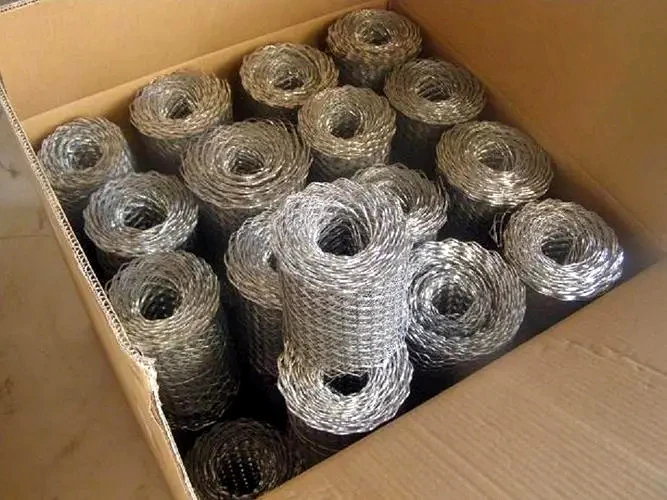
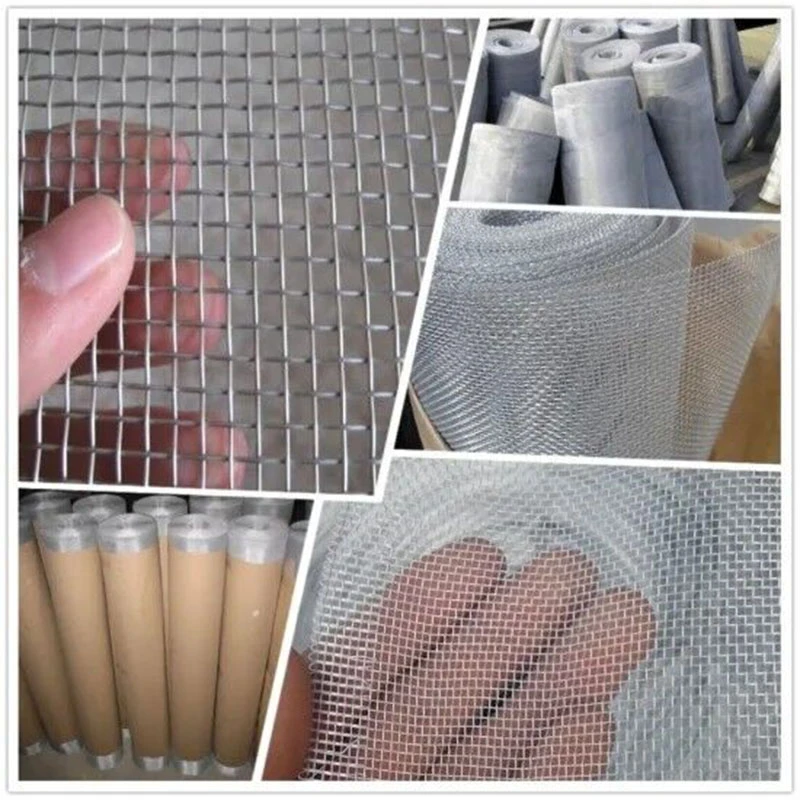
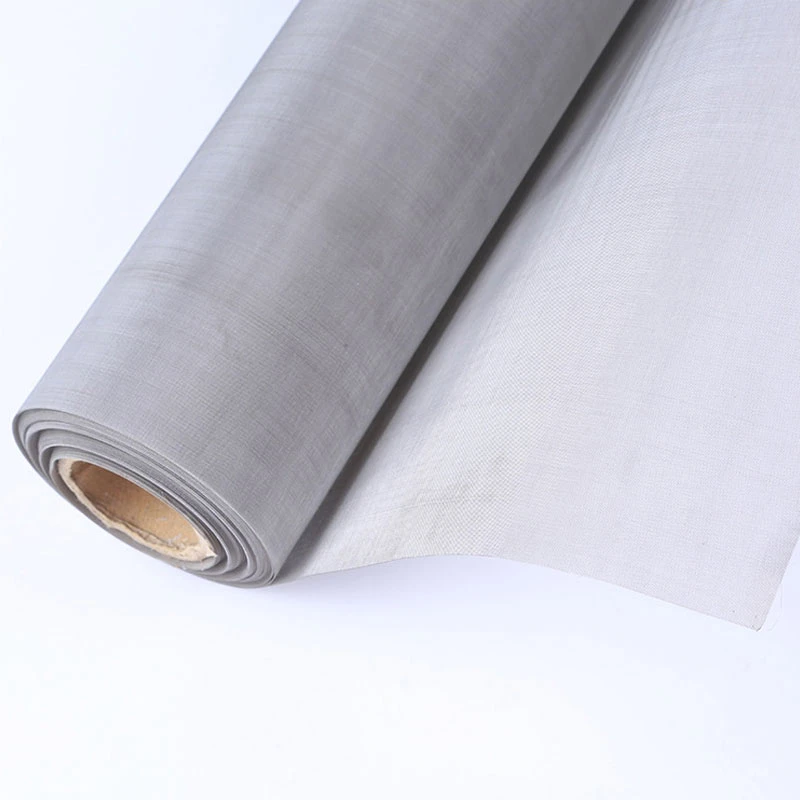
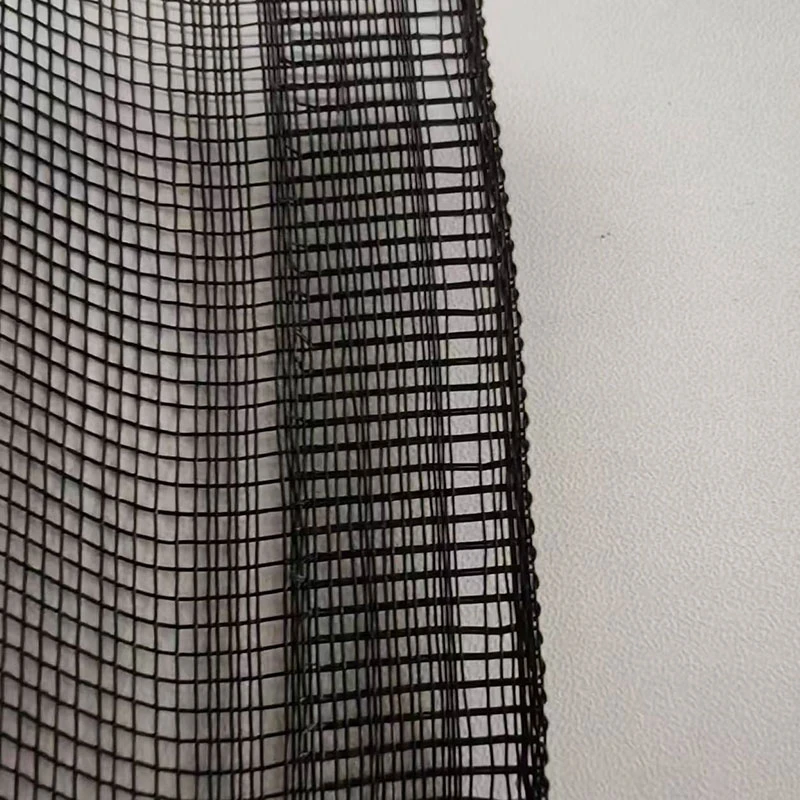
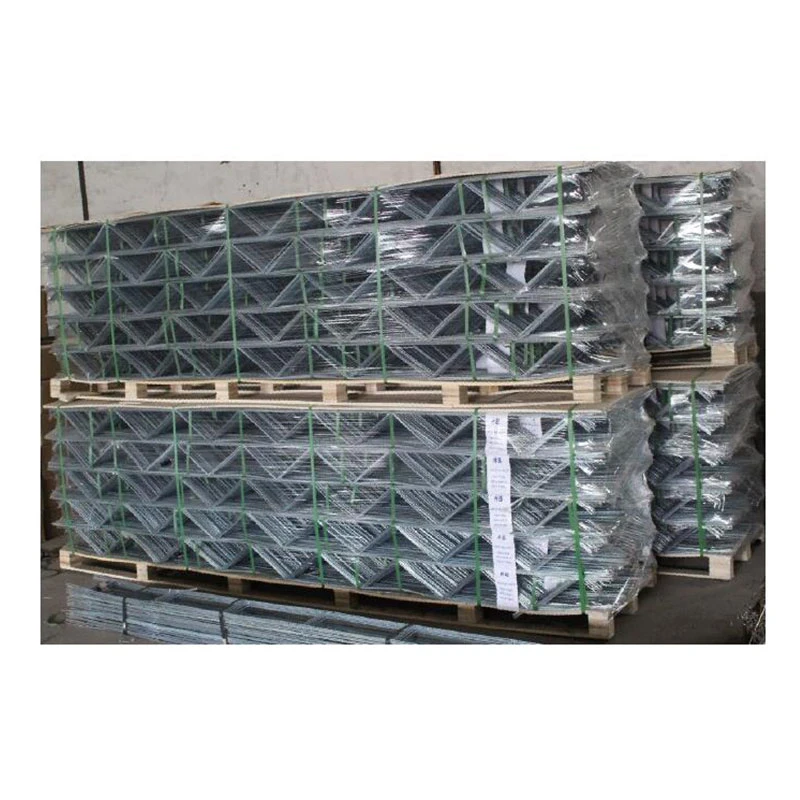
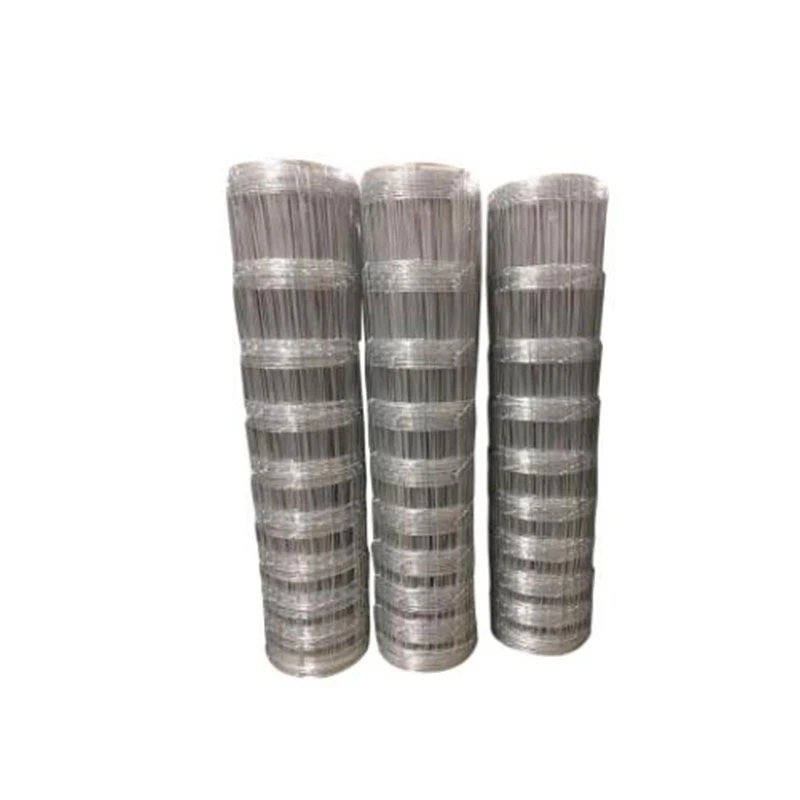
16 no gi wire refers to a galvanized mild steel wire with a specific gauge of 16, typically without insulation ("no GI" loosely means no galvanized insulation—which can confuse at first). It is often simply galvanized wire, coated with zinc to resist rust and is commonly used in fencing, mesh making, and other secure enclosures. The '16' gauge corresponds to a diameter of approximately 1.65 mm, providing a good balance between tensile strength and flexibility.
In humanitarian efforts, particularly in building temporary shelters or boundary fences around aid camps, this wire's reliability and accessibility have made it a steady choice. It fits into a modern industry well-aware of the need for rapid deployment and resilience against weather.
Key Factors of 16 No GI Wire
1. Durability
The galvanized coating on 16 gauge wire protects it against oxidation — this is huge, especially in wet or salty environments. Zinc sacrificially corrodes before the steel underneath does, which means longer fence life and minimal maintenance.
2. Cost Efficiency
Compared to stainless steel or PVC-coated wire, 16 no gi wire is budget-friendly. This financial edge makes it popular among large-scale projects where fencing kilometers of boundary lines can get expensive.
3. Flexibility and Strength
A 16 gauge wire isn’t too thick to work with but still strong enough to handle stress and tension without snapping easily. That versatility suits everything from animal containment to industrial safety barriers.
4. Corrosion Resistance
The zinc galvanization process ensures that the wire withstands challenges posed by weather variations, especially in high-humidity or coastal areas.
5. Environmental Suitability
For agricultural and remote construction zones, this wire type is often preferred because it performs reliably under harsh sun and variable moisture conditions.
| Parameter | Specification |
|---|---|
| Gauge | 16 (1.65 mm diameter) |
| Material | Mild steel |
| Coating | Zinc galvanized |
| Tensile Strength | 350-450 MPa |
| Length per Coil | Up to 500 meters |
Global Applications & Use Cases
16 no gi wire is practically everywhere. Have you ever walked through farms in New Zealand or fenced off conservation areas in Africa? Likely, they’re using this wire. Here are some specific contexts:
- Agriculture: Safeguarding livestock with durable fencing that doesn’t rust with seasonal rains.
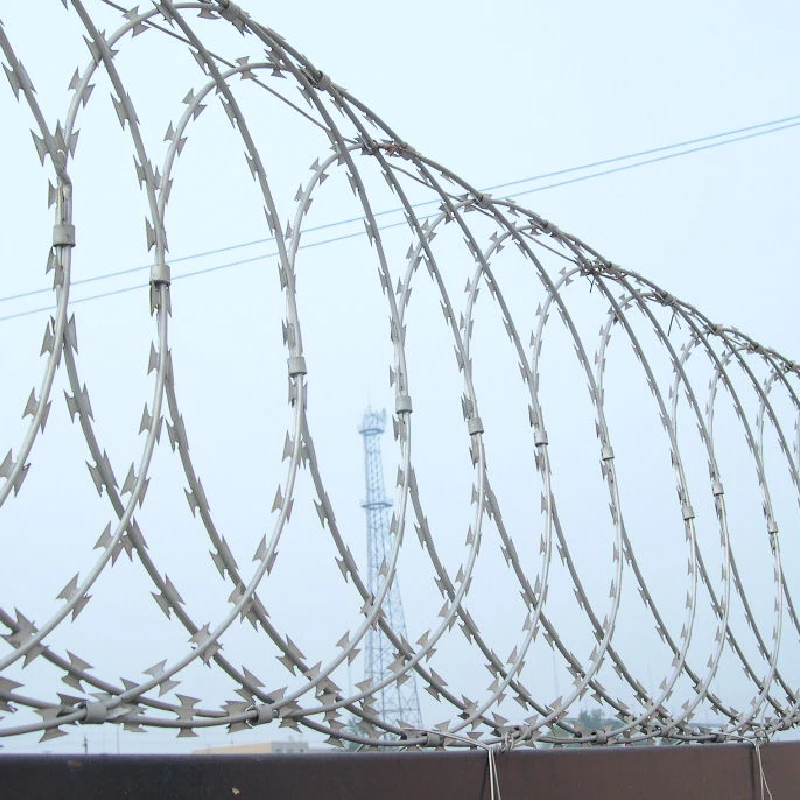
- Construction: Securing temporary boundaries and perimeter fences for safety compliance.
- Disaster Relief: Quickly erecting fences around aid camps and medical centers, for controlled access.
- Industrial Sites: Demarcating hazardous zones or protected areas.
For example, NGOs operating in flood-prone parts of Southeast Asia often rely heavily on galvanized wire fencing to establish safe zones quickly without worrying about rust during the monsoon season.
Vendor Comparison Table
| Vendor | Gauge Options | Coating Quality | Price Range (per coil) | Lead Time |
|---|---|---|---|---|
| GlobalWire Ltd. | 14 - 18 | Standard Zinc | $50 - $70 | 2 weeks |
| EcoSteel Suppliers | 16 - 20 | High Zinc + Eco-coating | $65 - $85 | 3-4 weeks |
| YJD Wire Mesh Co. | 16 only | Premium Zinc Coating | $60 | 1 week |
Advantages & Long-Term Value
Honestly, the biggest benefit of 16 no gi wire is its longevity. You’re not just buying wire; you’re investing in a product that resists rust, reduces replacement costs, and keeps your livestock or property secure for years. That reliability fosters peace of mind — which, frankly, can’t be overstated in rural or industrial settings.
Plus, from a sustainability point of view, galvanized wire's extended lifecycle means fewer resources are consumed over time, aligning well with eco-conscious policies and reducing environmental impact.
Future Trends & Innovations
Looking ahead, some manufacturers are experimenting with hybrid coatings that combine zinc with polymer layers for even stronger corrosion resistance. Others are exploring automation in wire production to tighten quality control. Green energy projects—solar farms, notably—are emerging as a significant new market, demanding durable fencing solutions that include 16 no gi wire.
Digital inventory tracking and smart fencing technology are also simmering on the horizon, promising wire that’s integrated with sensors or GPS to monitor fence integrity remotely.
Challenges & Solutions
Like any product, 16 no gi wire isn’t perfect. The main gripe tends to be occasional zinc coating inconsistency, which could lead to early corrosion spots if poorly handled. However, purchasing from established suppliers with rigorous quality standards—like YJD Wire Mesh—and proper storage minimizes this risk.
It’s also wise to match the wire’s gauge and zinc coating thickness to the exact application and environment. Doing so avoids overspending or, worse, under-protection.
FAQ: Frequently Asked Questions About 16 No GI Wire
Q1: What industries commonly use 16 no gi wire?
A: Agriculture, construction, industrial safety, and humanitarian aid are the top sectors. It’s great for fencing, mesh production, and temporary barriers.
Q2: How long does 16 no gi wire last outdoors?
A: Depending on environment (humidity, salt exposure), it can last 10-15 years or more, thanks to galvanized protection.
Q3: Can 16 no gi wire be recycled?
A: Yes, as mild steel, it’s recyclable, which boosts its sustainability credentials.
Q4: Is there a difference between 16 gauge galvanized wire and 16 no gi wire?
A: They are essentially the same; “no GI” here means raw galvanized wire without additional coatings. So, yes, very similar.
Conclusion & Call to Action
In the big picture, 16 no gi wire offers a blend of durability, cost-effectiveness, and versatility that’s tough to beat. Whether securing livestock, protecting building sites, or aiding relief efforts, it remains an indispensable material worldwide. To explore quality options and expert guidance, be sure to visit YJD Wire Mesh — your trusted source for premium galvanized wire products.
Mini Reflection: It’s fascinating how something as simple as a galvanized wire can be so pivotal in different global industries and humanitarian needs. The key is understanding its specs and applications clearly—and sourcing it reliably.