Understanding Hardened Concrete Nails: A Comprehensive Guide
Hardened concrete nails are essential fasteners for a wide range of construction and DIY projects. Unlike standard nails, these are specifically designed to penetrate dense materials like concrete, brick, and masonry. This article provides a detailed overview of hardened concrete nails, their applications, types, and key considerations for selecting the right nail for your needs. We'll also explore how to ensure proper installation for maximum holding power. For a comprehensive selection of wire mesh and related products, visit YJDWiremesh.
What Makes Concrete Nails "Hardened"?
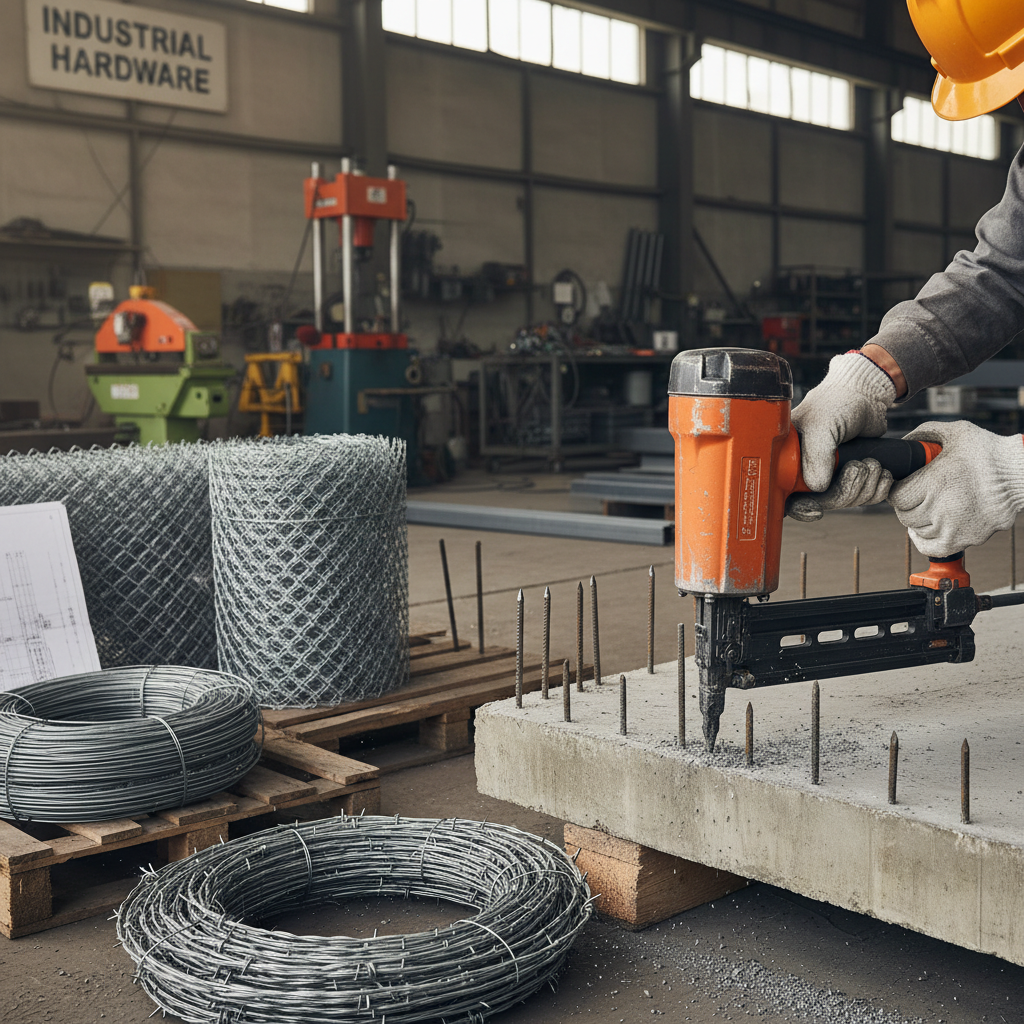
The term "hardened" refers to the heat treatment process these nails undergo. This process increases the nail's carbon content and hardness, making it strong enough to penetrate concrete without bending or breaking. Standard nails lack this hardening, making them unsuitable for these applications. The hardening process also increases the nail’s tensile strength, providing a more secure hold. Choosing the right hardened nail ensures your project's structural integrity and longevity. Explore our diverse range of construction materials at YJDWiremesh.
Key Benefits of Hardened Nails: Increased tensile strength, prevents bending, reliable penetration into concrete and masonry, enhances project durability.
Types of Hardened Concrete Nails
Several types of hardened concrete nails cater to specific applications. The most common include:
- Smooth Shank Nails: Suitable for general-purpose concrete nailing.
- Ring Shank Nails: Feature rings along the shank, providing increased pull-out resistance – ideal for heavier applications.
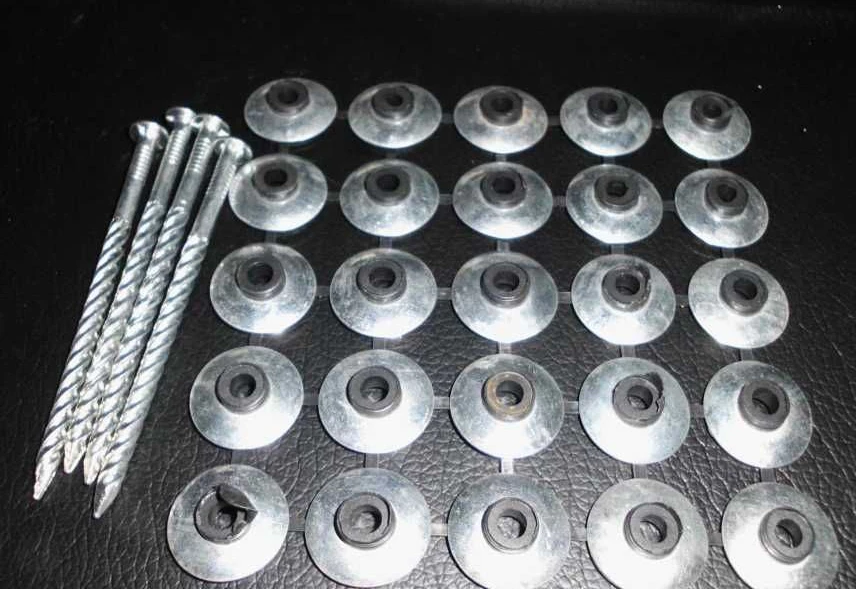
- Spiral Shank Nails: Similar to ring shank nails, offering even greater holding power due to the continuous spiral.
- Masonry Nails: Specifically designed for brick and softer masonry materials.
Selecting the correct type depends on the load-bearing requirements and the material being fastened. YJDWiremesh offers a wide variety of these nail types to meet your project's unique needs.
Choosing the Right Shank Type:
• Smooth Shank: General Use, lighter loads.
• Ring Shank: Medium Loads, increased pull-out resistance.
• Spiral Shank: Heavy Loads, maximum holding power.
Hardened Concrete Nails: Comparison with Other Fasteners
While screws and concrete anchors are alternatives, hardened concrete nails offer unique advantages, particularly for quicker installation and projects where a less permanent fastening is desired. Here's a comparison:
Proper Installation Techniques for Maximum Holding Power
Correct installation is paramount for ensuring the nails provide adequate holding power. Here are some key tips:
- Pilot Hole: Drilling a pilot hole slightly smaller than the nail diameter is recommended, especially in very hard concrete.
- Nailing Angle: Drive the nail in straight, avoiding bending.
- Hammer Force: Use firm, consistent hammer blows.
- Avoid Overdriving: Do not drive the nail completely flush with the surface, as this can compromise its grip.
Following these guidelines will significantly enhance the nail’s performance. At YJDWiremesh, we provide high-quality nails and offer expert advice on their proper use.
Safety Considerations When Working with Concrete Nails
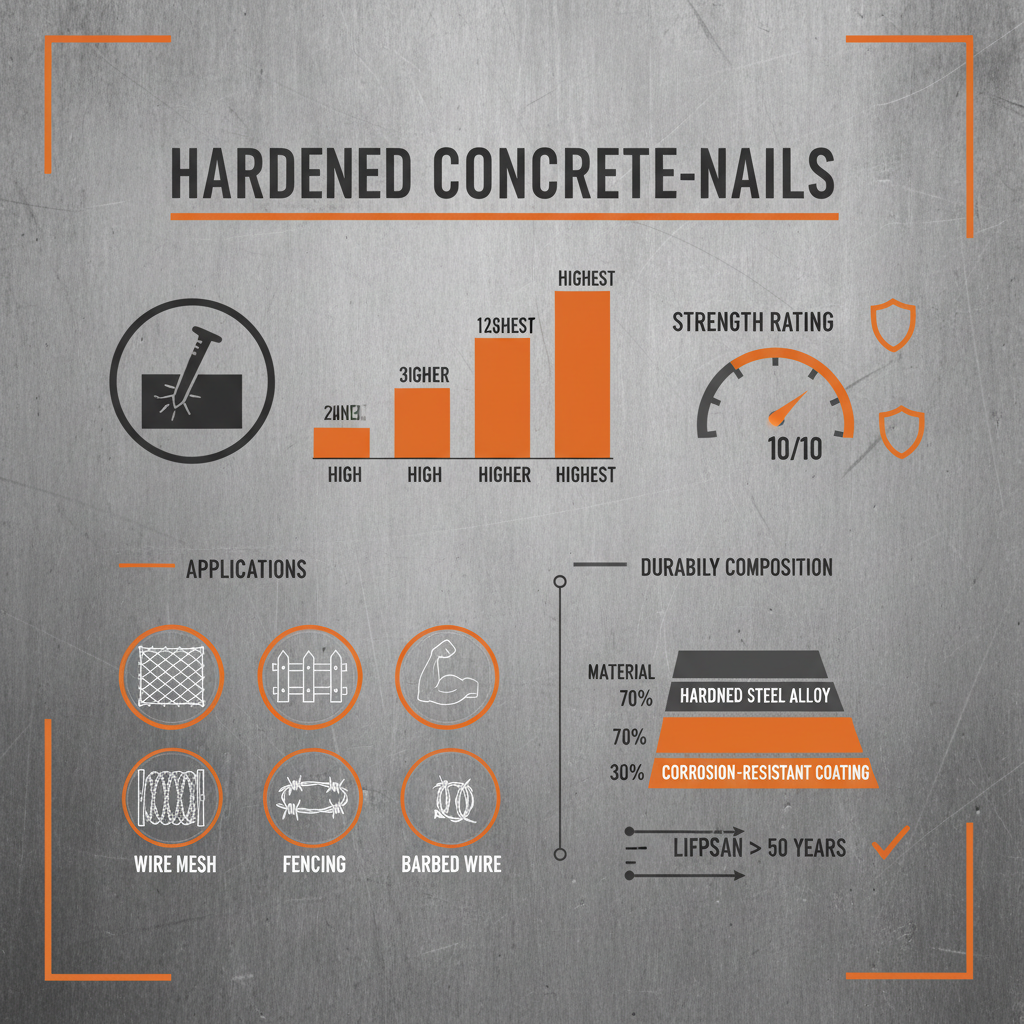
Always prioritize safety when using hardened concrete nails. Wear appropriate safety glasses to protect your eyes from flying debris. Gloves are also recommended to protect your hands. Ensure the work area is well-ventilated, and use a dust mask if concrete dust is present. Always follow the manufacturer’s instructions for safe handling and use. YJDWiremesh is committed to providing not only quality products but also promoting safe work practices.
Conclusion: Selecting and Using Hardened Concrete Nails
Choosing the correct hardened concrete nail and employing proper installation techniques are crucial for successful and safe construction projects. Understanding the different types of nails and their applications will enable you to select the most appropriate fastener for your specific needs. Remember to prioritize safety and always follow manufacturer’s guidelines. Explore the full range of construction supplies available at YJDWiremesh.
Frequently Asked Questions (FAQs)
Can hardened concrete nails be used in all types of masonry?
While hardened concrete nails are versatile, they are best suited for concrete, brick, and similar dense materials. For softer masonry like sandstone or limestone, masonry nails are typically a better choice. Using the wrong nail type can lead to reduced holding power or damage to the material. It’s important to assess the material’s density and select the appropriate fastener. Consider consulting with a construction professional if you’re unsure.
What size nail should I use for a specific project?
Nail size depends on the thickness of the materials being fastened and the load they will bear. Generally, a nail should penetrate at least two-thirds of the way into the base material. For heavier loads, a longer and thicker nail is required. A general rule is to use a nail that’s at least twice the thickness of the material you're fastening. If you're unsure, consult with a structural engineer or a construction professional for guidance.
Are hardened concrete nails resistant to corrosion?
Hardened concrete nails typically have some level of corrosion resistance, but they are not completely immune. Galvanized or coated nails offer significantly better protection against rust and corrosion, especially in damp or outdoor environments. If your project involves exposure to moisture, using galvanized or coated hardened concrete nails is highly recommended. YJDWiremesh carries a range of corrosion-resistant nail options.
Can I reuse concrete nails?
It's generally not recommended to reuse concrete nails. Once a nail has been driven into concrete, it can become slightly deformed, reducing its holding power. Furthermore, the nail may have microscopic damage that isn't visible to the naked eye. Using a new nail ensures a secure and reliable fastening. It’s a small investment for peace of mind and structural integrity.