Choosing the Right Nail for Concrete Walls
Securing items to concrete walls requires a reliable fastening solution. Selecting the correct nail or fastener is crucial for both the longevity of your project and, most importantly, safety. This article will explore the best practices for using nails on concrete walls, outlining the types of nails best suited for this purpose, installation techniques, and safety considerations. We’ll cover everything from understanding the concrete itself to choosing the right nail for your specific application.

Understanding Concrete and Fastening Challenges
Concrete is a composite material known for its strength and durability, but its hardness presents unique challenges when it comes to fastening. Unlike wood, concrete doesn't readily accept nails. Directly hammering a standard nail into concrete will likely result in bending or breaking the nail, and will not provide a secure hold. The key is to use fasteners specifically designed for concrete, or to create a pilot hole and use appropriate anchoring techniques. The type of concrete also matters - its age, density, and the presence of reinforcing steel (rebar) all influence the best fastening approach. Knowing your concrete's composition will help you select the most effective nail or fastener.
Key Considerations: Concrete density, age, and rebar presence all impact fastening success. Selecting specialized fasteners designed for concrete is critical.
Types of Nails and Fasteners for Concrete
While standard nails aren't suitable, several specialized fasteners are effective for concrete. These include:
- Concrete Nails: These hardened steel nails are designed to be driven directly into concrete using a hammer or nail gun designed for concrete applications.
- Masonry Nails: Similar to concrete nails but often with a slightly different head shape.
- Sleeve Anchors: These provide a very strong hold and are ideal for heavier loads. They consist of a nail-like body with a sleeve that expands within the concrete.
- Wedge Anchors: Another strong option, these anchors expand when tightened, creating a secure connection.
- Tapcon Screws: These self-tapping concrete screws are incredibly popular for their ease of use and strong hold.
Fastener Comparison:
• Concrete/Masonry Nails: For lighter loads, quick installation.
• Sleeve/Wedge Anchors: Heavy-duty applications, high load capacity.
• Tapcon Screws: Versatile, easy to install, good for medium loads.
Installation Techniques: A Step-by-Step Guide
Proper installation is key to ensuring a secure hold. Here's a general guide:
- Mark the Spot: Accurately mark the location where you want to install the fastener.
- Drill a Pilot Hole: Use a concrete drill bit to drill a pilot hole slightly smaller than the diameter of the fastener. This is crucial, especially for harder concrete.
- Clean the Hole: Remove dust and debris from the hole using a brush or vacuum.
- Insert the Fastener: Insert the fastener into the hole.
- Drive or Tighten: Depending on the fastener type, drive it in with a hammer (concrete nails) or tighten it with a wrench or screwdriver (sleeve anchors, wedge anchors, Tapcon screws).
Comparing Fastener Strength and Load Capacity
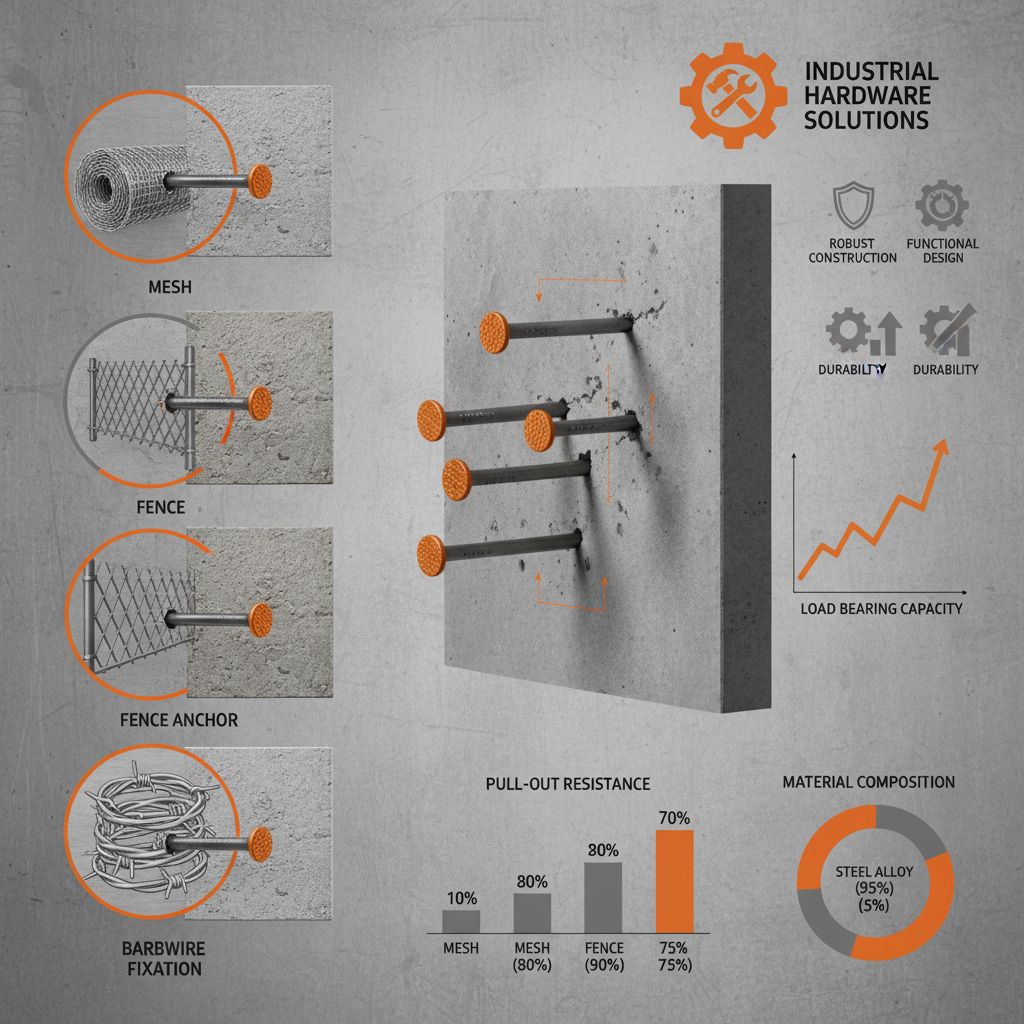
Different fasteners offer varying levels of strength. Understanding their load capacity is vital for safe installations. Here's a comparative look:
Safety Precautions When Working with Concrete
Working with concrete requires adherence to safety guidelines. Always wear safety glasses to protect your eyes from debris. Use hearing protection when operating power tools. Wear a dust mask or respirator to avoid inhaling concrete dust, which can be harmful to your lungs. Ensure proper ventilation in enclosed spaces. Inspect fasteners for damage before use and never exceed their load capacity. For more high-quality concrete products and fasteners, explore the offerings at YJDWiremesh.
Conclusion: Secure Fastening for Lasting Results
Choosing the right nail or fastener for concrete walls is essential for a safe and durable installation. Understanding the type of concrete, selecting the appropriate fastener, and following proper installation techniques are all crucial steps. By prioritizing safety and quality, you can ensure your projects stand the test of time.
Frequently Asked Questions (FAQs)
Can I use a regular hammer to drive concrete nails?
While it's possible to use a regular hammer, it's highly recommended to use a hammer specifically designed for concrete nails, or a pneumatic nail gun compatible with concrete fasteners. Regular hammers often lack the force and weight needed to effectively drive the nail into the concrete without bending or damaging it. A specialized hammer will deliver the necessary impact to set the nail securely.
What size drill bit should I use for Tapcon screws?
The drill bit size depends on the diameter of the Tapcon screw and the density of the concrete. Generally, the drill bit should be slightly smaller than the screw's minor diameter (the diameter of the screw threads). Refer to the Tapcon screw packaging for the manufacturer's recommended drill bit size. Using the correct size drill bit is crucial for ensuring a secure and proper hold without damaging the concrete.
How do I know if I've hit rebar when drilling into concrete?
When you hit rebar, you'll typically feel a sudden, significant increase in resistance when drilling. The drill bit may also start to vibrate or "bounce." If you suspect you've hit rebar, stop drilling and try moving the drill bit slightly to avoid the rebar. Drilling into rebar can damage your drill bit and may compromise the fastener's hold. Consider using a different location for your fastener if rebar is consistently encountered.