Choosing the Right Nail for Cement Wall: A Comprehensive Guide
When working with cement walls, selecting the correct nail for cement wall is crucial for a secure and lasting hold. Different types of nails are designed for specific applications, and using the wrong one can lead to failures. This article provides a detailed overview of the best nails for cement walls, including considerations for different projects and materials. We will explore various options, their strengths, and how to choose the perfect nail for your needs, ensuring structural integrity and project success.
Understanding Cement Wall Composition
Cement walls, often constructed from concrete blocks, brick, or poured concrete, present unique challenges for fastening. Unlike wood, cement is a dense, abrasive material that requires specialized nails to penetrate effectively. The composition of the wall significantly impacts nail selection. For instance, a solid concrete wall demands a harder, more robust nail compared to a hollow concrete block wall. Furthermore, understanding the aggregate within the cement – the gravel, sand, and other materials mixed with the cement – is crucial. Larger aggregate can create voids, requiring nails with better gripping power. Selecting the correct nail for cement wall depends on analyzing this composition.
Key Considerations: The type of cement wall—concrete block, brick, or poured concrete—impacts the necessary nail hardness and design.
Types of Nails for Cement Wall Applications
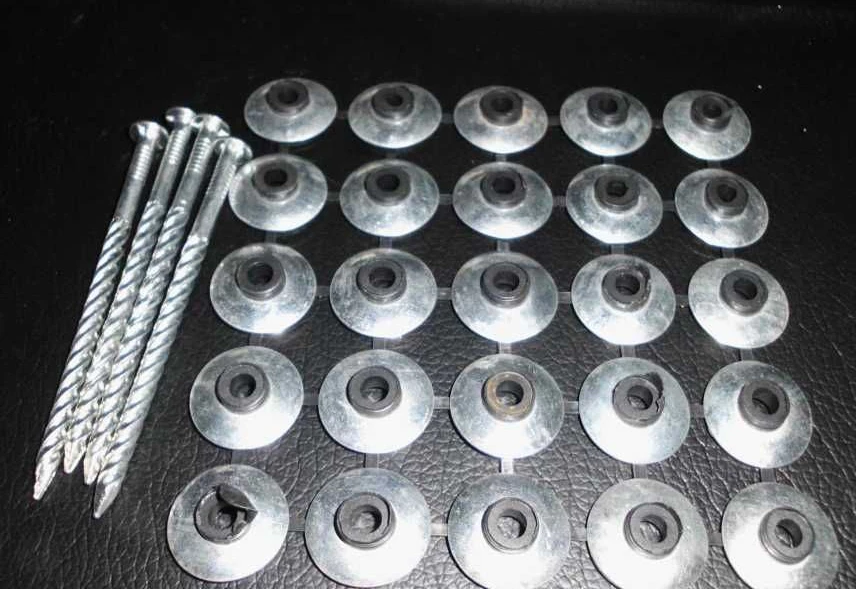
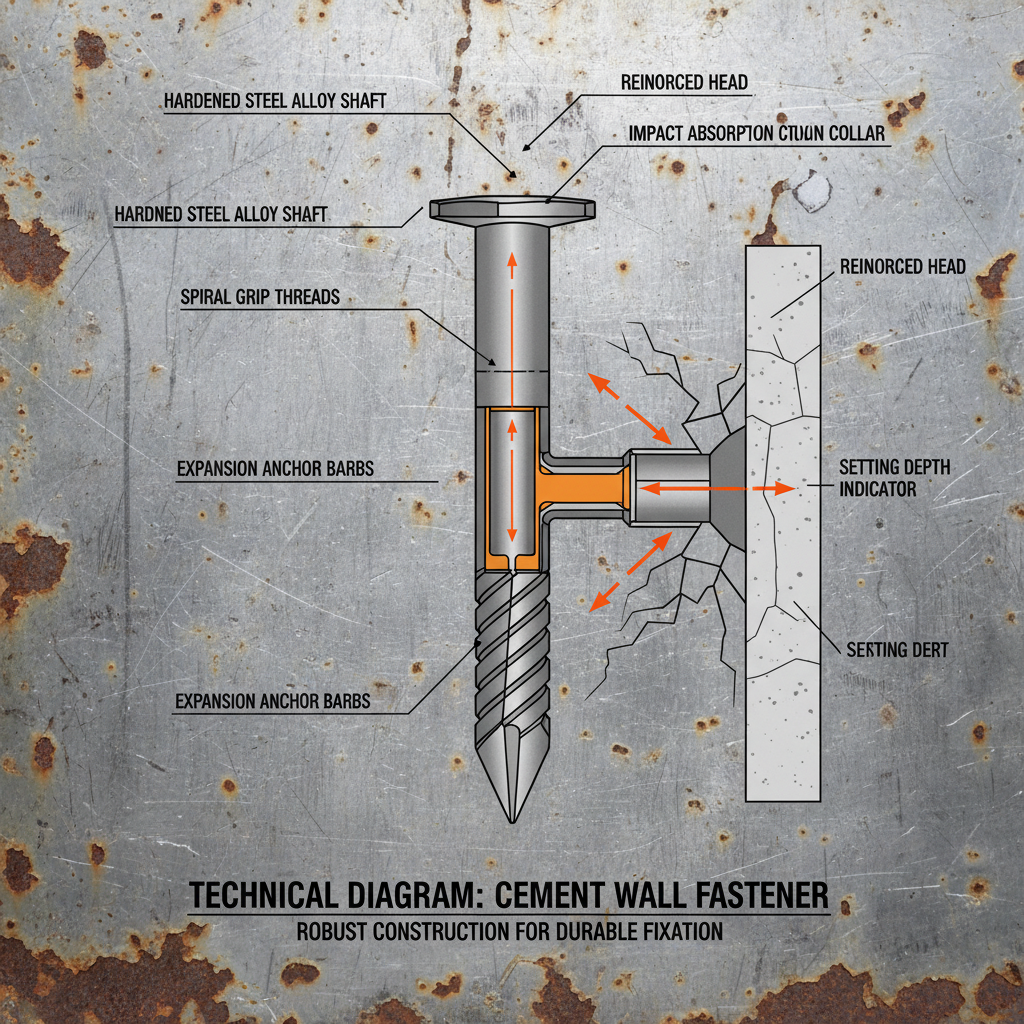
Several types of nails are designed for use in cement walls. The most common include hardened steel nails, concrete nails, and masonry nails. Hardened steel nails offer improved strength over standard nails but may still bend or break in very dense concrete. Concrete nails are specifically manufactured with a thicker shank and a diamond point to facilitate penetration. Masonry nails are often ring-shanked or spiral-shanked to provide greater holding power in brittle materials. The best choice depends on the specific project and the strength required. Using the correct nail for cement wall is essential for ensuring longevity.
Nail Type Benefits:
• Hardened Steel Nails: Offer increased strength compared to standard nails.
• Concrete Nails: Designed for direct penetration into concrete.
• Masonry Nails: Provide superior holding power in brittle materials.
Comparing Nail Types: A Detailed Overview
Choosing between hardened steel, concrete, and masonry nails requires understanding their differences. Hardened steel nails are suitable for lighter-duty applications, while concrete nails excel in penetrating dense materials. Masonry nails offer the best holding power in weaker cement compositions. This table provides a side-by-side comparison to aid in your decision. Investing in the right nail for cement wall can save time and ensure project durability.
Factors Influencing Nail Selection
Beyond the type of nail, several factors influence the ideal choice. The thickness of the material being fastened, the load-bearing requirements, and the surrounding environmental conditions all play a role. For heavy-duty applications, consider using thicker-gauge nails with ring or spiral shanks. In corrosive environments, stainless steel nails offer superior resistance to rust and deterioration. Pre-drilling pilot holes can also be beneficial, particularly when working with particularly hard concrete. Choosing the right nail for cement wall is about more than just grabbing the first option available.

Product Spotlight: YJDWiremesh Concrete Nails
At YJDWiremesh, we specialize in providing high-quality concrete nails engineered for superior performance. Our nails are constructed from hardened carbon steel with a precision-ground diamond point for effortless penetration. They are available in various lengths and gauges to suit different applications. We offer both smooth shank and ring shank options to meet your specific holding power requirements. Our commitment to quality ensures that our nail for cement wall consistently delivers reliable and long-lasting results.
Conclusion: Selecting the Optimal Nail for Your Cement Wall Project
Choosing the right nail for cement wall is paramount for project success. By understanding the composition of the cement wall, considering the load-bearing requirements, and selecting a nail specifically designed for the task, you can ensure a secure and lasting hold. Explore the quality offerings at YJDWiremesh to find the perfect solution for your construction needs.
Frequently Asked Questions (FAQs)
Do I always need to pre-drill a hole when using nails in cement walls?
Pre-drilling isn’t always necessary, but it’s highly recommended, especially for harder concretes or larger diameter nails. Pre-drilling reduces the risk of bending or breaking the nail, makes the driving process easier, and helps prevent cracking of the cement. For softer concrete blocks or smaller nails, you might be able to drive them directly, but always assess the material first. The type of nail also matters; concrete nails with diamond points are designed for direct penetration, while others benefit from a pilot hole.
What is the difference between ring shank and smooth shank nails for cement?
Ring shank nails have rings or grooves along the shank, which increase their holding power by creating more friction when driven into the material. This makes them ideal for applications where pull-out resistance is critical. Smooth shank nails, on the other hand, are easier to drive but offer less holding power. For general fastening in cement, ring shank nails are typically preferred. Smooth shank nails are best suited for applications where ease of installation is more important than ultimate holding strength.
Are stainless steel nails necessary for all cement wall applications?
Stainless steel nails aren’t necessary for all applications, but they are highly recommended in corrosive environments, such as coastal areas or locations exposed to harsh chemicals. Standard carbon steel nails can rust and weaken over time, compromising the structural integrity of the fastening. If corrosion is a concern, investing in stainless steel nails will provide long-term durability and prevent premature failure. They are particularly beneficial for exterior applications.