Understanding Hardened Steel Concrete Nails: A Comprehensive Guide
When undertaking construction or renovation projects, choosing the right fasteners is critical for structural integrity and longevity. Hardened steel concrete nails are a robust solution for securing materials to concrete, brick, and other masonry surfaces. This article provides an in-depth exploration of these nails, covering their composition, applications, benefits, and how to select the right type for your specific needs. Ensuring you use the correct nails can make a significant difference in the success and safety of your projects.
What Are Hardened Steel Concrete Nails?
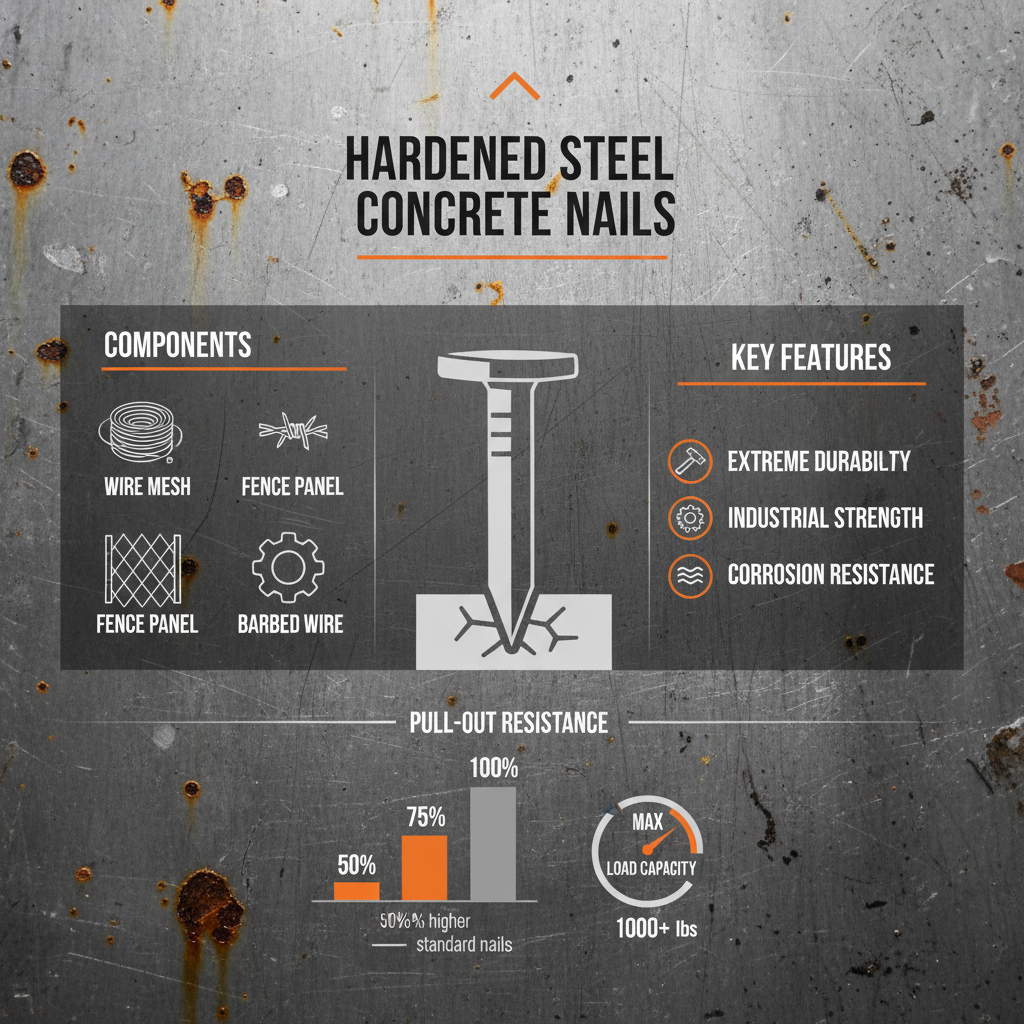
Hardened steel concrete nails are specifically designed for penetrating and holding firmly in dense materials like concrete, brick, block, and stone. Unlike standard nails, these are manufactured from high-carbon steel that undergoes a hardening process. This process increases the nail's tensile strength and resistance to bending, ensuring it can withstand substantial forces without breaking or pulling out. The hardening treatment creates a brittle yet exceptionally strong nail capable of resisting deformation upon impact. YJD Wiremesh offers a wide range of these nails to meet diverse construction requirements.
Key Highlights: High-carbon steel construction, hardening process for increased strength, designed for dense materials, and excellent holding power.
Applications of Hardened Steel Concrete Nails
These nails are invaluable in various construction and repair applications. Common uses include: fastening wood to concrete foundations, securing furring strips to concrete walls for drywall installation, attaching metal brackets or fixtures to masonry, and anchoring materials for temporary structures. They are also frequently used in renovation projects to repair damaged concrete or brickwork. The versatility of these nails makes them a staple in both professional construction and DIY projects.
Common Applications:
• Fastening wood to concrete
• Securing furring strips
• Attaching metal brackets
• Repairing masonry
Hardened Steel Concrete Nails: Types & Specifications
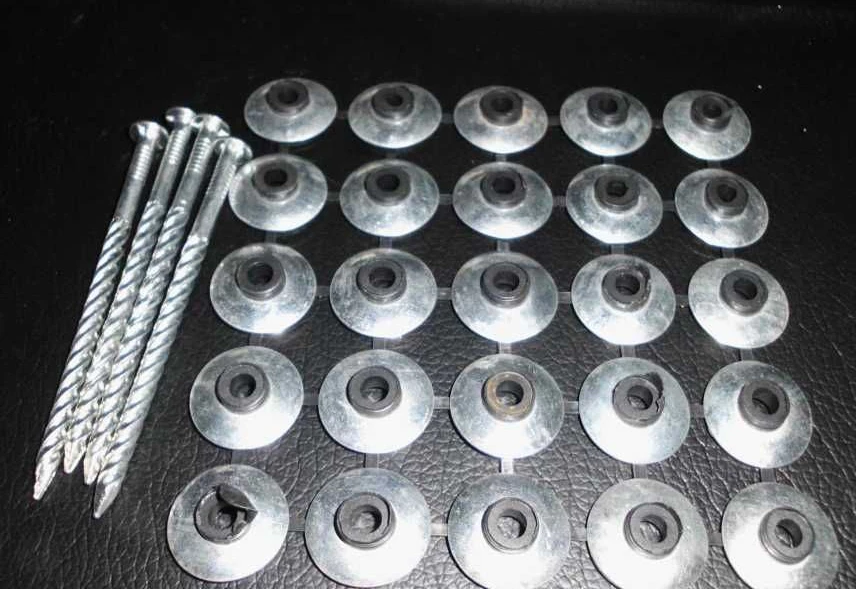
Different types of hardened steel concrete nails are available to suit varying applications and material thicknesses. They are commonly categorized by head type (flat, cupped, or ribbed) and shank style (smooth or ringed). Ring-shank nails provide enhanced holding power due to the rings gripping the material. Different lengths and gauges (thickness) are also available; selecting the appropriate size is crucial for a secure hold. Here’s a specification table for common types:
Comparing Concrete Nails to Other Fasteners
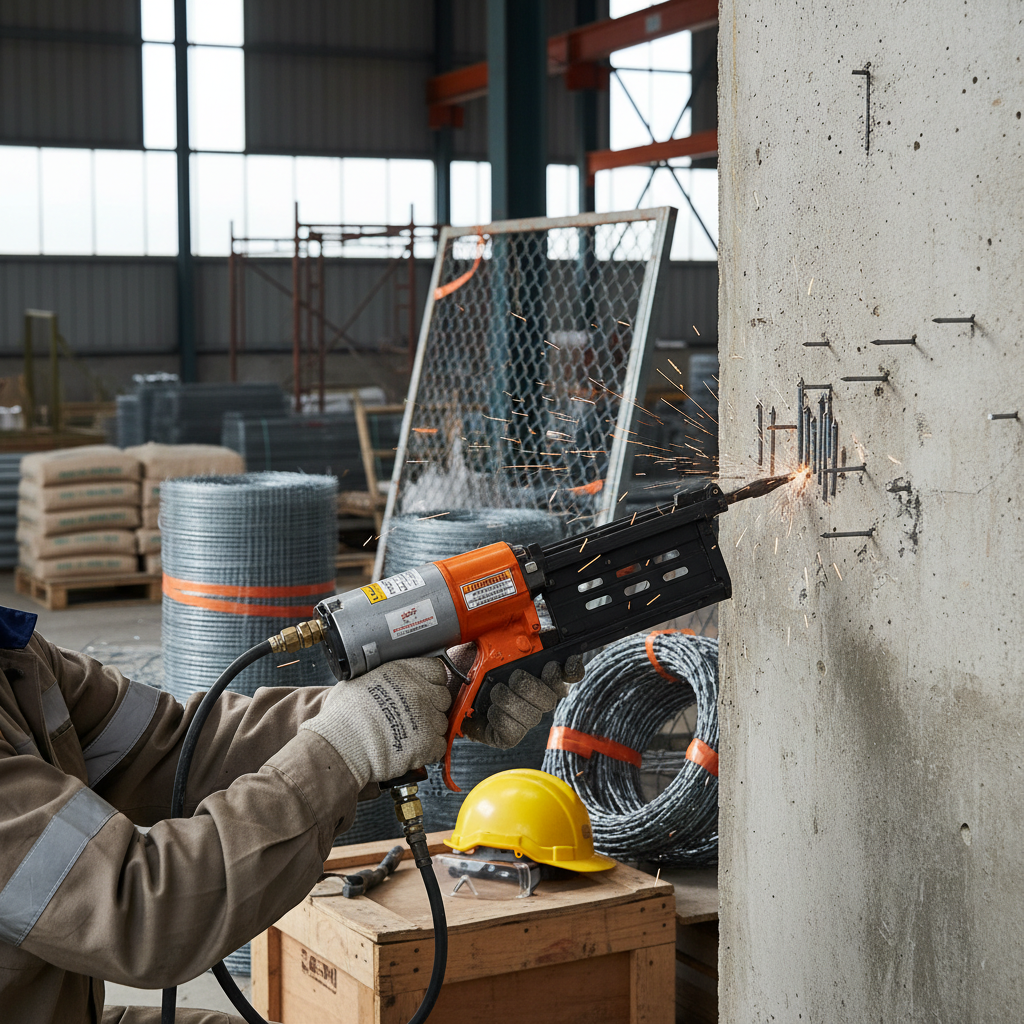
While concrete screws and adhesive anchors offer alternatives, hardened steel concrete nails often provide a cost-effective and efficient solution for many applications. Concrete screws generally require pre-drilled holes and are more expensive, while adhesives have longer curing times. Nails are quicker to install, requiring only a hammer or a specialized concrete nailer. The following comparison highlights the key differences:
Safety Considerations When Using Hardened Steel Concrete Nails
Working with hardened steel concrete nails requires safety precautions. Always wear safety glasses to protect your eyes from flying debris. Gloves are recommended to protect your hands. When using a nail gun, follow the manufacturer’s instructions carefully and ensure proper training. Be aware of hidden utilities within the concrete before nailing. Proper safety practices will ensure a safe and successful project.
Conclusion: Choosing the Right Concrete Nail for Your Needs
Choosing the correct hardened steel concrete nail is vital for a secure and lasting bond. Consider the material you're fastening, the load-bearing requirements, and the environment. YJD Wiremesh provides a comprehensive selection of high-quality concrete nails, ensuring you have the right fastener for every project. Prioritizing quality and safety will ensure your construction and renovation projects stand the test of time.
Frequently Asked Questions (FAQs)
What is the best way to drive hardened steel concrete nails?
Hardened steel concrete nails require a firm and direct impact. While they can be driven with a standard hammer, a specialized concrete nailer or a hammer with a masonry nail-setting attachment is highly recommended. Using a concrete nailer significantly reduces the effort and improves accuracy. It's important to strike the nail head squarely to prevent bending. If using a hammer, start with light taps to set the nail, then increase the force with each strike. Always wear safety glasses when driving nails.
Are hardened steel concrete nails resistant to corrosion?
While hardened steel provides inherent strength, it can be susceptible to corrosion, especially in damp or corrosive environments. Many hardened steel concrete nails are coated with a protective layer, such as zinc or epoxy, to enhance their corrosion resistance. For outdoor applications or environments exposed to saltwater, it's best to choose nails with a robust corrosion-resistant coating.
What size nail should I use for a particular application?
The appropriate nail size depends on the thickness of the materials being fastened. A general rule of thumb is that at least two-thirds of the nail's length should penetrate the base material (concrete, brick, etc.). For example, if you’re fastening a 1-inch thick piece of wood to concrete, you should use a nail that's at least 1.67 inches long. Refer to specific project guidelines or consult with a building professional for precise recommendations.
Can I reuse hardened steel concrete nails?
It's generally not recommended to reuse hardened steel concrete nails. Once a nail has been driven into concrete, it undergoes stress that can compromise its structural integrity. Even if the nail appears undamaged, its hardening may have been affected, reducing its holding power. Using a new nail ensures a reliable and secure connection.