Understanding Nail Concrete Anchors for Secure Fastening
When it comes to securely fastening materials to concrete, selecting the right anchor is crucial. Nail concrete anchors offer a robust and versatile solution for a variety of applications. This article will explore the types, benefits, installation, and applications of nail concrete anchors, providing a comprehensive guide for both DIY enthusiasts and professional contractors. Choosing the appropriate anchor ensures the longevity and safety of your projects.
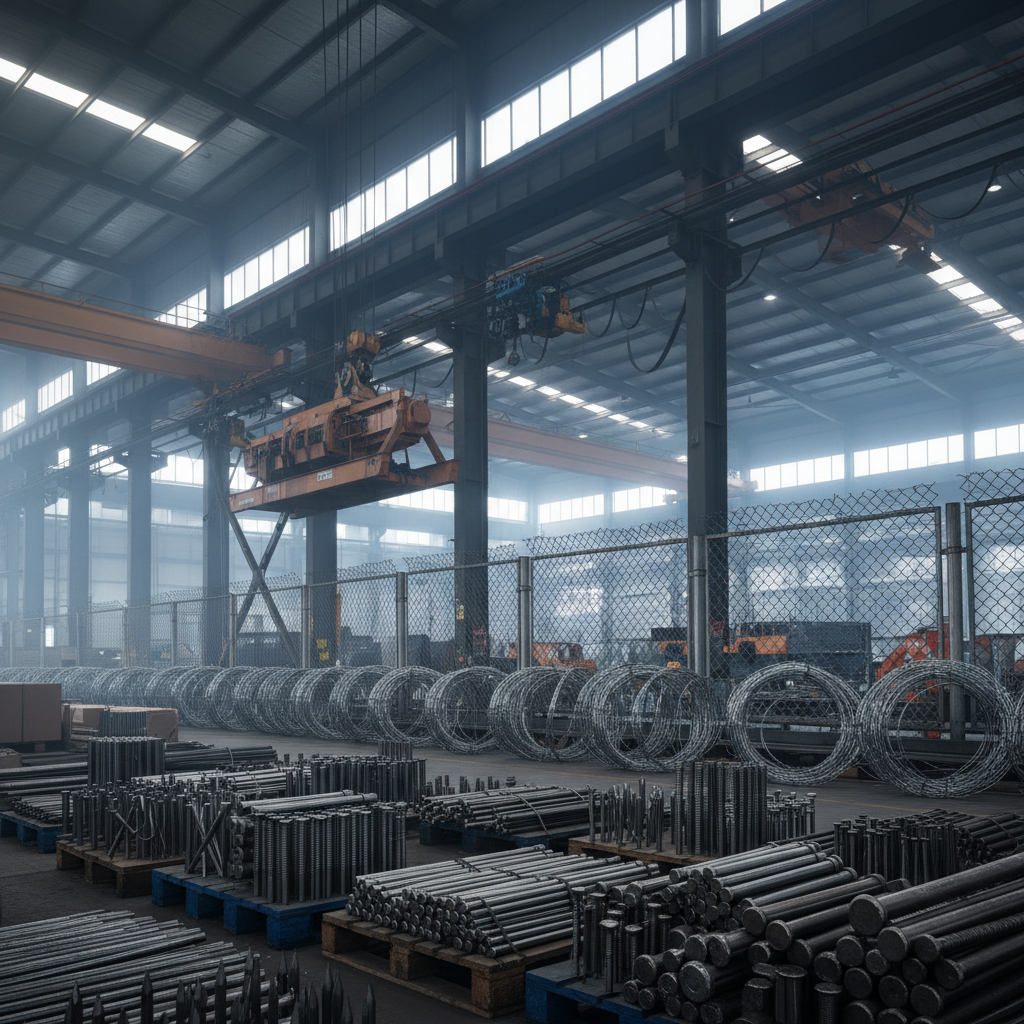
What are Nail Concrete Anchors?
Nail concrete anchors, also known as hardened steel concrete nails, are a type of fastener specifically designed to be driven directly into concrete or masonry. They’re typically made of hardened steel to withstand the force required for penetration and provide a strong, reliable hold. Unlike expansion anchors, nail concrete anchors don't rely on expansion to secure themselves; they achieve holding power through friction and the deformation of the concrete. This makes them a convenient and efficient choice for many applications where a quick and secure fastening solution is needed.
Key Advantages: Simple installation, no pre-drilling often required, robust holding power, suitable for a variety of materials.
Types of Nail Concrete Anchors
Several types of nail concrete anchors are available, each with specific features and applications. Understanding these differences is key to choosing the right anchor for your project. Common types include:
- Hardened Steel Nails: The most basic type, offering good holding power for lighter-duty applications.
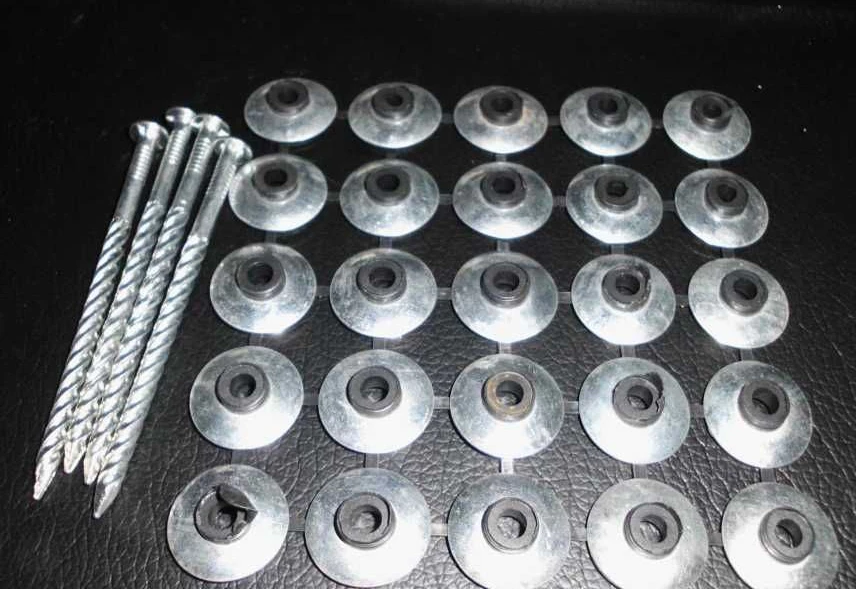
- Cup Head Nails: Feature a cup-shaped head that provides a larger bearing surface, distributing the load more evenly.
- Serrated Nails: Designed with serrations to increase friction and holding power in the concrete.
- Ribbed Nails: Incorporate ribs along the shank for enhanced grip.
Nail Concrete Anchors vs. Other Concrete Fasteners
While various concrete fasteners exist, nail concrete anchors offer distinct advantages in certain situations. Compared to sleeve anchors and wedge anchors, nail anchors typically require less installation effort. They don't necessitate precise drilling or the insertion of multiple components. However, they generally offer lower load-bearing capacity than expansion anchors. Here's a comparison:
Applications of Nail Concrete Anchors
Nail concrete anchors are incredibly versatile and can be used in numerous applications, including:
- Electrical Boxes and Fixtures: Securely mounting electrical boxes and conduit to concrete walls and ceilings.
- Plumbing Fixtures: Installing toilet flanges, towel racks, and other plumbing components.
- Framing and Furring Strips: Attaching wood framing or furring strips to concrete foundations.
- Signage: Mounting signs and banners to concrete surfaces.
- Lightweight Fixtures: Hanging lightweight shelves, decorations, or artwork.
Installation Tips for Optimal Performance
Proper installation is critical for ensuring the holding power of nail concrete anchors. Here are some key tips:
- Use a Hammer: Drive the anchor straight into the concrete using a hammer.
- Ensure Proper Depth: Drive the anchor to the appropriate depth as recommended by the manufacturer.
- Avoid Overdriving: Overdriving can damage the concrete and reduce holding power.
- Select the Right Size: Choose the anchor size appropriate for the load and the thickness of the material being fastened.
Conclusion: Choosing the Right Nail Concrete Anchor
Selecting the right nail concrete anchor involves considering the application, load requirements, and concrete type. For efficient and reliable fastening, and to ensure the longevity of your projects, it's worth investing in quality anchors from a trusted supplier like YJDWiremesh. Proper installation is equally crucial to maximize holding power and safety.
Frequently Asked Questions (FAQs)
What type of concrete are nail anchors best suited for?
Nail concrete anchors work best in standard-weight concrete and solid masonry. They are generally not recommended for use in lightweight concrete, hollow block, or cracked concrete as these materials may not provide sufficient holding power. It's crucial to assess the concrete's condition before installation. If you are unsure, it’s recommended to consult with a structural engineer or a fastening specialist.
How much weight can nail concrete anchors hold?
The weight capacity of nail concrete anchors varies depending on the anchor's size, type, and the concrete's strength. Generally, they are suitable for light to medium-duty applications, typically holding between 25 to 100 pounds per anchor. Always refer to the manufacturer's specifications for accurate load ratings. It's important not to exceed the recommended weight limit to ensure safety and prevent failure.
Can I remove nail concrete anchors once they're installed?
Removing nail concrete anchors can be challenging, as they are designed to create a tight fit within the concrete. It often requires specialized tools such as pliers or a nail puller. Attempting to remove them forcefully can damage the concrete. In some cases, it may be easier to drill out the anchor or leave it in place. If you need to remove a large number of anchors, consulting with a professional is recommended.
Are nail concrete anchors suitable for outdoor use?
Nail concrete anchors made of hardened steel are generally suitable for outdoor use, as steel is relatively resistant to corrosion. However, in highly corrosive environments, such as coastal areas, using stainless steel anchors is recommended to prevent rust and ensure long-term durability. Consider the environmental conditions when selecting the appropriate anchor material.