Choosing the Right Masonry Nails for Cured Concrete: A Comprehensive Guide
Selecting the appropriate masonry nails is crucial for any construction or repair project involving cured concrete. Using the wrong nails can lead to failures, compromising the structural integrity of your work. This guide will delve into the specifics of masonry nails for cured concrete, covering types, materials, applications, and best practices to ensure a secure and lasting hold. We'll discuss what features to look for, how to choose based on your specific needs, and why quality matters.
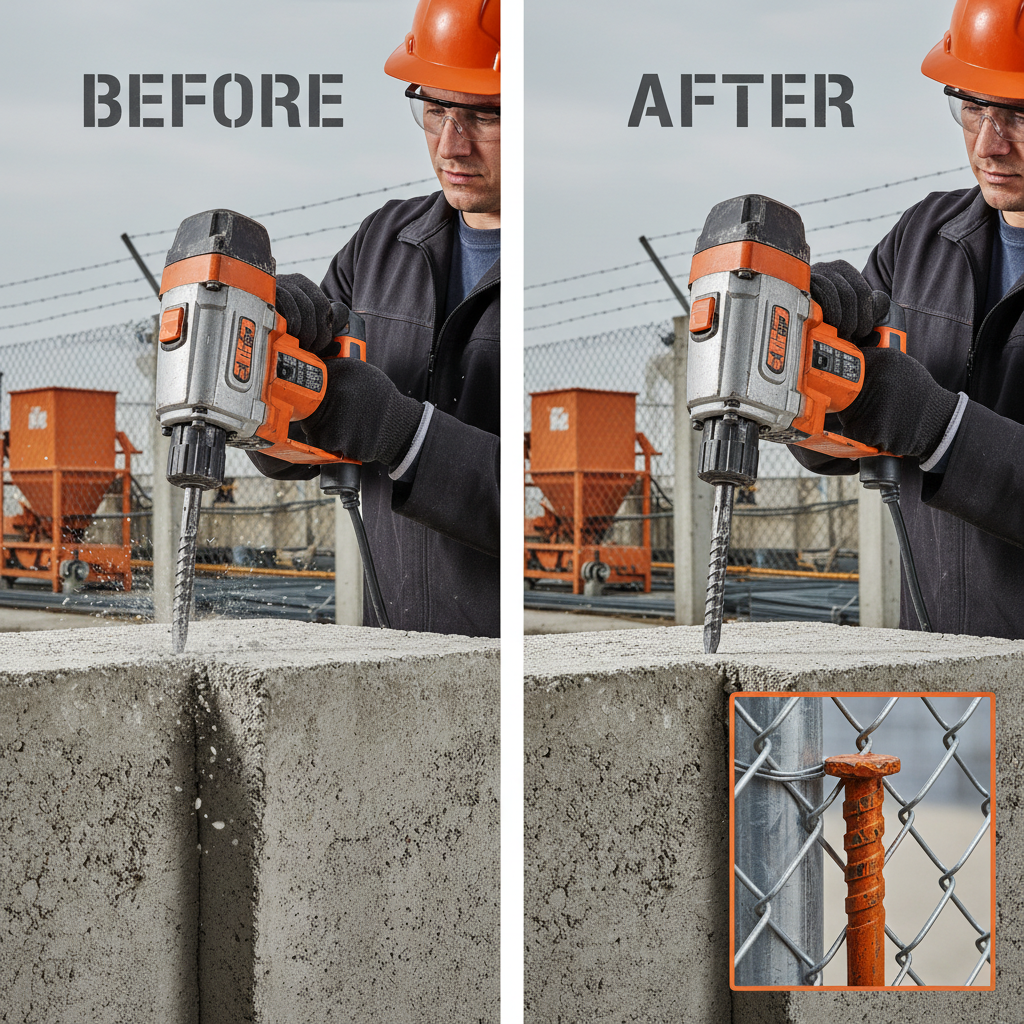
Understanding Masonry Nails for Cured Concrete
Unlike standard nails, masonry nails are specifically designed to penetrate and hold firmly in concrete, brick, and other masonry materials. When working with cured concrete – concrete that has fully hardened – the nail must possess significant shear strength and be able to resist bending or breaking during installation. Different types of masonry nails exist, each with its own strengths and weaknesses. These include hardened steel nails, carbide-tipped nails, and cup-head nails, each suited for varying levels of concrete hardness and application requirements. Choosing the right type is critical for a secure and long-lasting connection.
Key Takeaway: Masonry nails designed for cured concrete differ significantly from standard nails due to their specialized materials and construction aimed at providing a secure hold in dense, hardened materials.
Types of Masonry Nails for Cured Concrete
There are several types of masonry nails available, each offering different levels of performance and suitability for specific projects. YJDWiremesh specializes in providing a range of these nails to meet diverse construction needs. Let's explore the common types:
- Hardened Steel Nails: These are a more economical option suitable for softer concrete.
- Carbide-Tipped Nails: Offering superior penetration and holding power, these are ideal for harder concrete and demanding applications.
- Cup-Head Nails: The cup-shaped head provides a larger bearing surface, increasing holding strength and reducing the risk of pull-through.
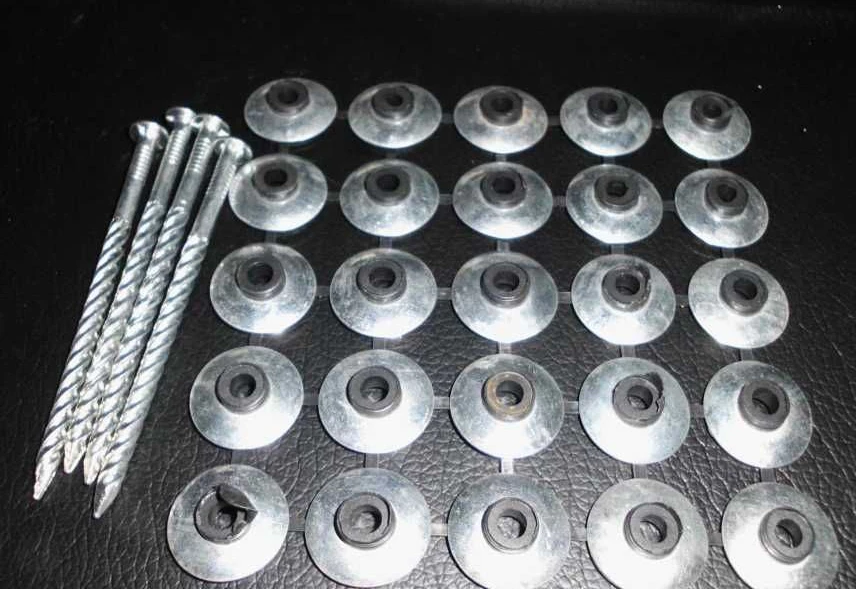
- Serrated Nails: Designed with ridges for added grip and resistance to loosening.
Material Considerations: What are Masonry Nails Made Of?
The material composition of a masonry nail directly impacts its strength, durability, and corrosion resistance. Common materials include:
- High-Carbon Steel: Provides excellent strength and hardness but is susceptible to corrosion if not treated.
- Stainless Steel: Offers superior corrosion resistance, making it ideal for outdoor or marine environments.
- Carbide (Tungsten Carbide): Added to the nail tip to enhance penetration and withstand wear in abrasive materials.
Selecting a material appropriate for the environment and application is crucial for long-term performance. For example, in coastal areas, stainless steel nails are highly recommended to prevent rust and maintain structural integrity.
Material Comparison:
• High-Carbon Steel: Strong, affordable, prone to corrosion.
• Stainless Steel: Corrosion-resistant, durable, more expensive.
• Carbide: Extremely hard, excellent penetration, used for hardened concrete.
Comparing Masonry Nail Types: Performance & Applications
Choosing the right masonry nail type isn't a one-size-fits-all decision. Consider the hardness of the concrete, the load-bearing requirements, and the environmental conditions. Here's a comparison:
Proper Installation Techniques for Optimal Holding Power
Correct installation is just as important as selecting the right nail. Here are some best practices:
- Pre-Drilling (Recommended): For harder concrete, pre-drilling a pilot hole slightly smaller than the nail diameter reduces splitting and makes insertion easier.
- Angle of Insertion: Drive the nail straight and perpendicular to the concrete surface for maximum holding power.
- Avoid Overdriving: Overdriving can damage the concrete and reduce the nail's grip.
- Safety First: Always wear appropriate safety glasses and gloves during installation.
Conclusion: Ensuring a Solid Foundation with the Right Masonry Nails
Choosing the correct masonry nails for cured concrete is essential for any successful construction or repair project. By understanding the different types, materials, and installation techniques, you can ensure a secure and lasting hold. YJDWiremesh provides high-quality masonry nails and expert advice to help you complete your projects with confidence.
Frequently Asked Questions (FAQs)
What is the difference between hardened steel and carbide-tipped masonry nails?
Hardened steel masonry nails are a cost-effective option for softer concrete, providing good strength for general-purpose fastening. However, they may bend or break when used in harder concrete. Carbide-tipped nails, on the other hand, have a tungsten carbide tip that allows them to penetrate and hold firmly in even the hardest concrete. They offer significantly greater durability and resistance to bending, making them ideal for demanding applications and ensuring a longer-lasting hold. The higher cost of carbide-tipped nails is often justified by their superior performance and reliability.
Can I use regular steel nails in concrete?
No, you should never use regular steel nails in concrete. Regular steel nails lack the necessary hardness and strength to penetrate and hold effectively in concrete. They will likely bend, break, or pull out easily, compromising the structural integrity of your project. Using masonry nails specifically designed for concrete is crucial for ensuring a secure and long-lasting connection. Attempting to substitute regular nails can lead to costly repairs and potential safety hazards.
What are cup-head masonry nails used for?
Cup-head masonry nails are primarily used for fastening lightweight materials to concrete, such as insulation, furring strips, and drywall. The cup-shaped head provides a larger bearing surface, distributing the load over a wider area and reducing the risk of the material pulling through the concrete. They are particularly useful when you need a secure and flush finish, as the cup head sits neatly against the surface.