How to Nail 2x4 to Concrete: A Comprehensive Guide
Successfully attaching a 2x4 to concrete requires the right tools, techniques, and understanding of the materials involved. This guide will provide a detailed overview of how to secure a 2x4 to concrete, covering everything from choosing the appropriate fasteners to ensuring a strong and lasting connection. We will explore various methods, their pros and cons, and offer practical advice for both DIY enthusiasts and professionals. Understanding the best approach will help you avoid common pitfalls and achieve a reliable result.
Understanding the Challenges of Attaching Wood to Concrete
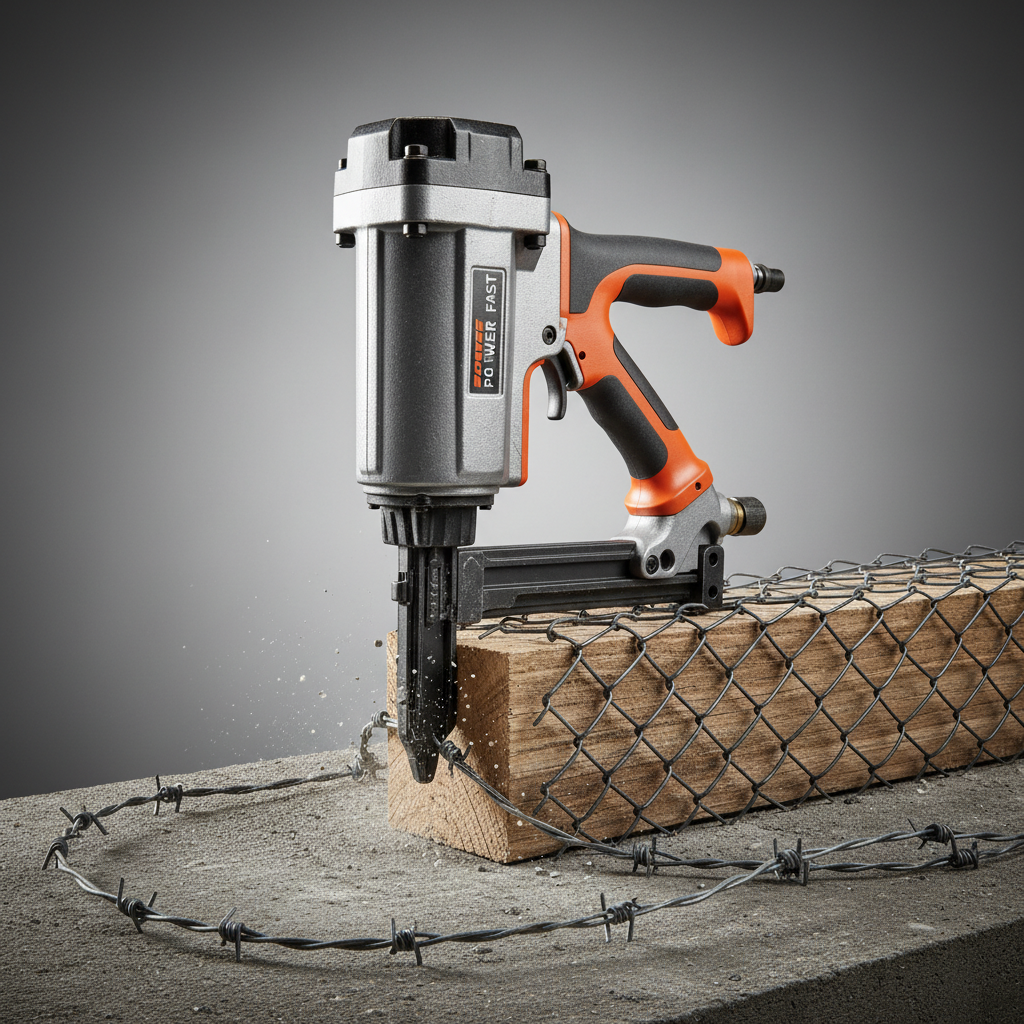
Concrete is a notoriously hard material, making it difficult to drive traditional nails directly into it. Nails typically bend or break upon impact, providing insufficient holding power. Therefore, specialized fasteners and techniques are necessary. The primary challenge lies in finding a method that creates a secure mechanical bond between the wood and the concrete, resisting both shear and tensile forces. Proper preparation of both surfaces – the concrete and the 2x4 – is equally crucial for a strong and durable connection. Considering the load-bearing requirements of your project is also important when selecting the best attachment method.
Key Considerations: Surface preparation, fastener selection, load-bearing requirements, and understanding the concrete's condition (cracked, smooth, etc.).
Methods for Attaching a 2x4 to Concrete
Several methods can be employed to effectively attach a 2x4 to concrete. These include using concrete screws, hammer-in concrete anchors (sleeve anchors), wedge anchors, or epoxy adhesives. Each method has its strengths and weaknesses depending on the specific application and the required load capacity. Concrete screws are relatively easy to install and offer good holding power, while sleeve anchors provide a more robust connection suitable for heavier loads. Wedge anchors require pre-drilled holes and are ideal for high-stress applications. Epoxy adhesives are suitable for applications where a seamless bond is desired but require careful preparation and curing time.
Attachment Method Breakdown:
• Concrete Screws: Easy installation, good holding power for moderate loads.
• Sleeve Anchors: Robust connection, suitable for heavier loads.
• Wedge Anchors: High-stress applications, requires precise drilling.
• Epoxy Adhesives: Seamless bond, requires careful preparation and curing.
Concrete Screws: A Detailed Look at Installation
Concrete screws are a popular choice for attaching wood to concrete due to their ease of use. They are self-tapping, meaning they don't require a separate anchor. However, precise drilling is still essential. Use a carbide-tipped drill bit specifically designed for concrete, and drill a pilot hole slightly smaller than the screw's diameter. Insert the concrete screw into the pilot hole and drive it in using a high-torque impact driver. Be careful not to overtighten, as this can strip the threads in the concrete. For increased holding power, consider using screws with a longer thread length. Visit YJDWiremesh for a wide range of high-quality fasteners.
Comparing Fastener Holding Power
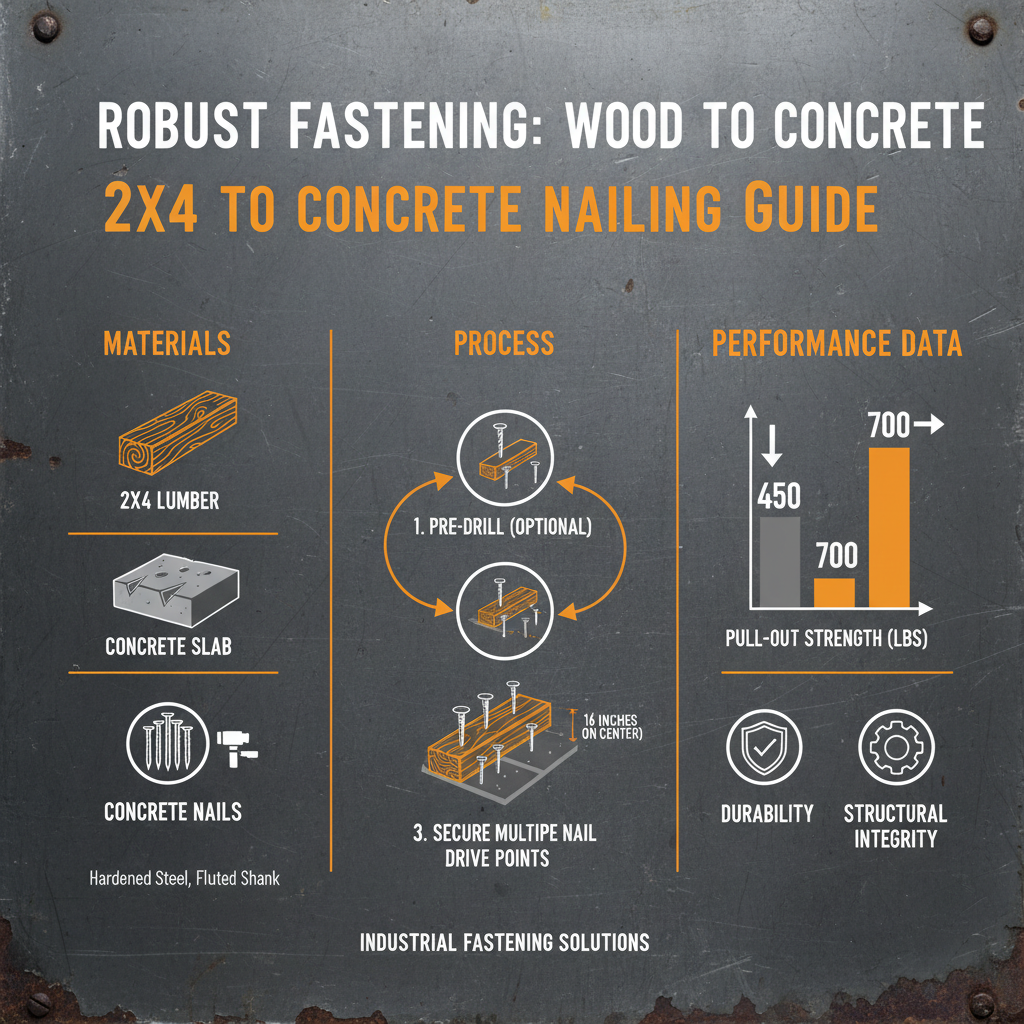
The holding power of different fasteners varies significantly. The following table provides a general comparison, but it’s essential to consult the manufacturer’s specifications for precise load ratings. Factors such as concrete strength, screw size, and embedment depth influence holding power. Always choose a fastener with a safety factor appropriate for your application. The load capacity shown below are approximate.
Safety Precautions and Best Practices
When working with concrete and power tools, safety should be paramount. Always wear safety glasses to protect your eyes from debris. Use ear protection when operating loud tools like impact drivers or hammer drills. Wear gloves to protect your hands. Ensure the concrete is free of loose particles before drilling. If drilling into reinforced concrete, be aware of the potential for hitting rebar. Never apply excessive force when driving fasteners, as this can damage the concrete or the fastener itself. Proper planning and adherence to safety guidelines will help ensure a successful and safe project.
Conclusion: Securely Connecting Wood to Concrete
Attaching a 2x4 to concrete doesn't have to be daunting. By understanding the available methods, choosing the right fasteners, and following proper installation techniques, you can achieve a strong and lasting connection. Whether you opt for concrete screws, sleeve anchors, or another approach, prioritize safety and quality for a successful outcome. For all your fastening needs, explore the wide range of products available at YJDWiremesh.
Frequently Asked Questions (FAQs)
What size drill bit should I use for concrete screws?
The correct drill bit size depends on the diameter of the concrete screw. Always consult the screw manufacturer’s specifications, as they typically recommend a pilot hole size slightly smaller than the screw's core diameter. Using a drill bit that is too large will result in a weak hold, while a bit that is too small can damage the screw or the concrete. Carbide-tipped drill bits are essential for drilling into concrete efficiently and accurately. It is always best to test the pilot hole size in a scrap piece of concrete before drilling into the final surface.
Can I use regular nails to attach wood to concrete?
No, regular nails are not suitable for attaching wood to concrete. Concrete is far too hard for nails to penetrate effectively. Attempting to drive nails directly into concrete will typically result in the nails bending, breaking, or simply not penetrating at all. Using the wrong fastener compromises the structural integrity of the connection and poses a safety risk. Always use specialized fasteners designed for concrete, such as concrete screws, sleeve anchors, or wedge anchors.
What is the best method for attaching a heavy 2x4 to concrete?
For heavy 2x4s, sleeve anchors or wedge anchors are generally the best choice. These anchors provide superior holding power compared to concrete screws, especially under shear and tensile loads. Sleeve anchors are suitable for moderate to heavy loads, while wedge anchors are ideal for high-stress applications. Ensure the concrete is in good condition and that the anchors are installed according to the manufacturer's instructions for optimal performance. Careful calculation of the required load capacity is crucial.