Understanding 100 ft Galvanized Wire: More Than Just a Roll of Metal
If you’ve ever found yourself puzzling over the humble coil of 100 ft galvanized wire, you’re not alone. At first glance, it might seem like just a length of metal, but its impact worldwide is surprisingly significant. Whether it's about fencing rural communities, supporting infrastructure, or even aiding in humanitarian efforts, understanding this product can unlock insights into a wide tapestry of practical and industrial applications. In fact, galvanized wire has quietly become a backbone for many projects that prioritize durability, cost-efficiency, and environmental resilience. And if you haven’t thought much about it, the role of something as seemingly simple as a rolled wire might surprise you.Global Context: Why 100 ft Galvanized Wire Matters More Than Ever
The world is weaving tighter connections—literally and figuratively—and galvanized wire sits at that crossroads. According to International Organization for Standardization (ISO) reports, wire products play a critical role in construction, agriculture, and manufacturing sectors worth billions globally each year. In fact, the World Bank has noted increased demand for galvanized wire in developing nations, driven primarily by infrastructure development and rural electrification efforts. Yet, the challenge remains: how do you deploy reliable fencing or support structures economically across vast and often remote regions? This is where the practicality of 100 ft galvanized wire comes to the rescue. Instead of being a niche commodity, it's a practical solution that balances quality and price, helping to solve real-world problems like land security, animal control, and even disaster relief logistics.Mini takeaway:
Globally, 100 ft galvanized wire is a quiet MVP for infrastructure and safety projects, offering a flexible, low-cost tool for challenges ranging from farming to humanitarian relief.
What Exactly Is 100 ft Galvanized Wire?
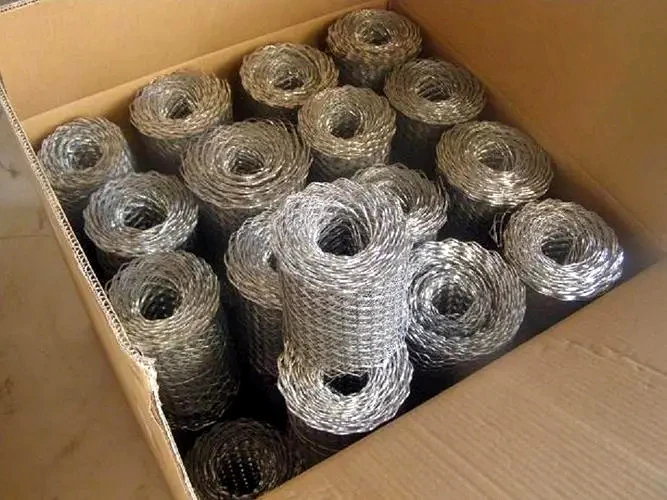
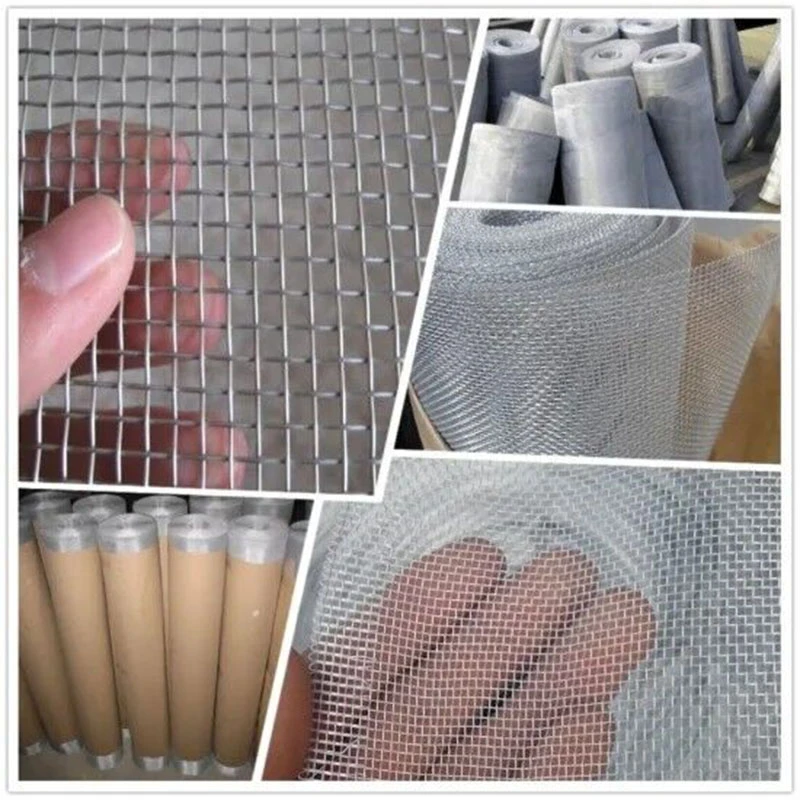
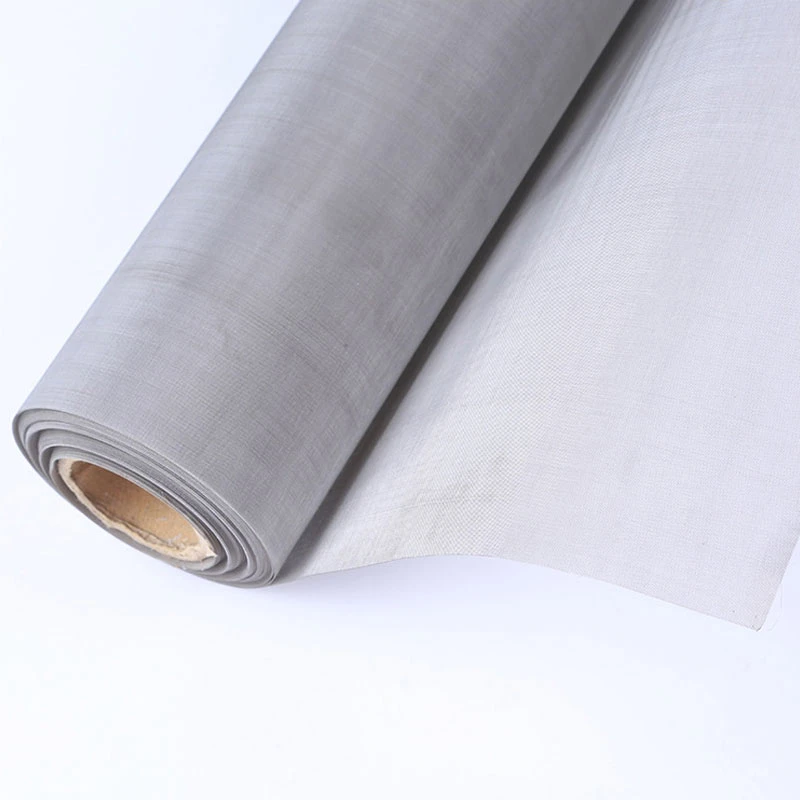
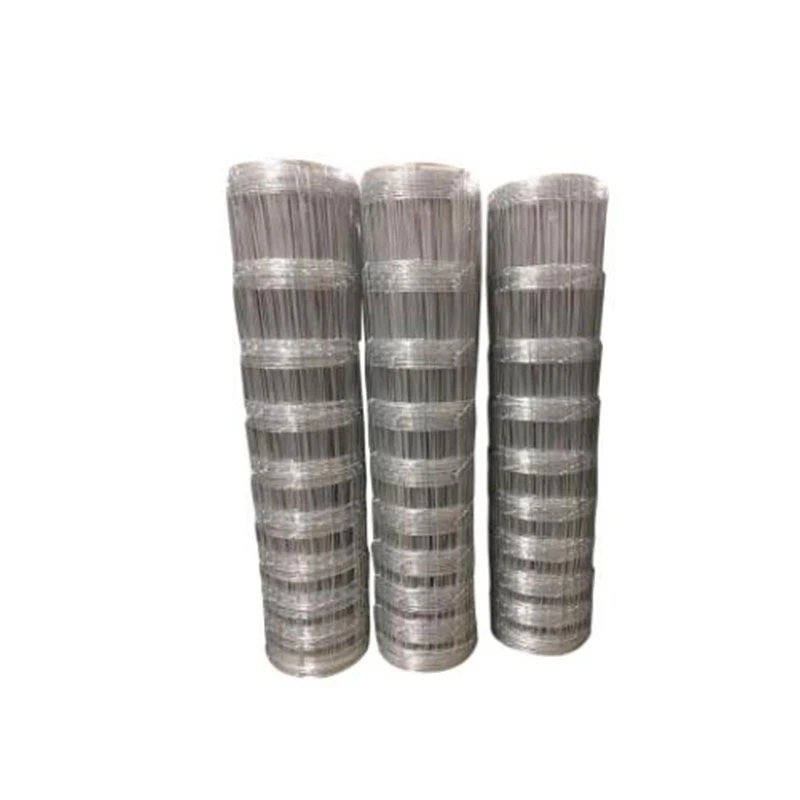
In simple terms, 100 ft galvanized wire is a coil of steel wire coated with zinc for corrosion resistance and durability, rolled out to roughly 100 feet long per standard spool. The zinc coating is no small detail — it's what ensures the wire can last outdoors, resisting rust created by water, soil, and weather. Galvanized wire itself is part of a long industrial lineage, but when packaged as 100 ft coils, it serves as a practical, easy-to-handle form. These lengths are ideal for adaptable on-site use without overwhelming workers with bulk. Interesting enough, galvanized wire also plays a part where industry meets humanitarian aid. Shelters, fence installations around displaced communities, or secure materials storage often rely on these durable, flexible strands — an example where raw material meets social need.Key Features of 100 ft Galvanized Wire
1. Durability Against the Elements
The zinc coating can protect steel wire for decades, even in salty or humid environments. This is why farmers near coastal regions and engineers working in tropical zones rely heavily on galvanized wire.
2. Flexibility & Scalability
The 100 ft length isn’t just a random figure; it’s a balance between being manageable for transport and long enough to reduce excessive splicing. This means quicker install times and less waste.
3. Cost Efficiency
Compared with stainless steel or specialty alloys, galvanized wire gives you most of the corrosion resistance at a fraction of the cost. Especially for large projects, this is crucial.
4. Versatility Across Industries
Agriculture, construction, electrical fencing, and even art installations sometimes use galvanized wire as their go-to. Its strength-to-weight ratio and pricing make it adaptable.
5. Environmental Impact
While steel production has its footprint, the longevity of galvanized wire can mean fewer replacements and less waste overall, which is a plus in sustainable design circles.
Mini takeaway:
If you think of 100 ft galvanized wire as a jack-of-all-trades, the right length and zinc coating give it a flexible, durable advantage many projects can’t do without.
How 100 ft Galvanized Wire Is Used Around the World
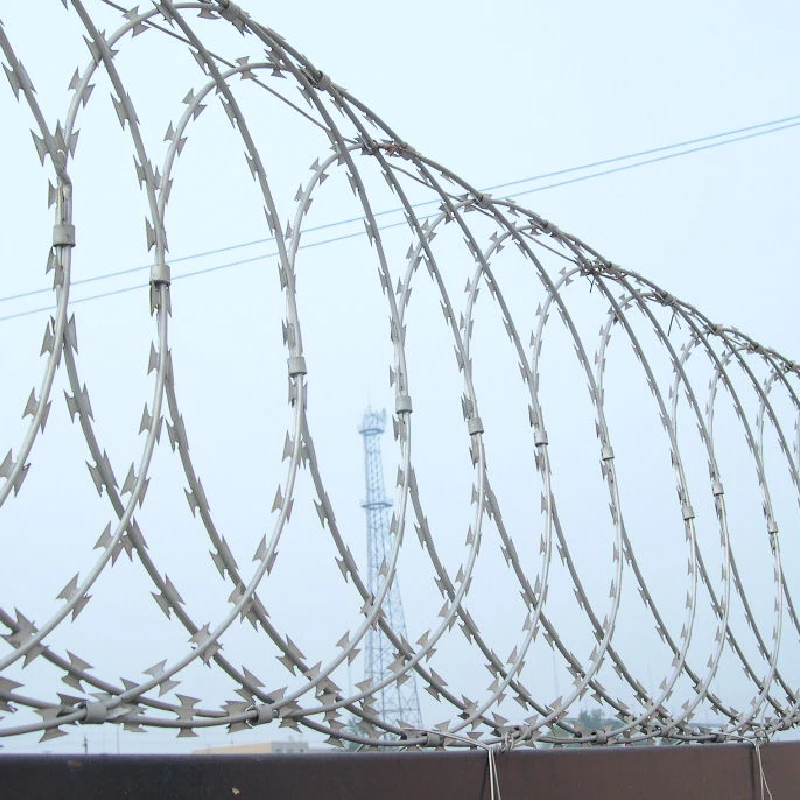
Sure, it’s a staple for fencing farms to keep in sheep or cattle, but that’s barely scratching the surface. In post-disaster relief operations, for example, NGOs often use galvanized wire to quickly erect fencing to secure camps or protect water supplies from contamination. Places like Southeast Asia, frequently impacted by typhoons, see substantial demand for such materials. In remote industrial zones — think mining operations in Australia or oil fields in the Middle East — galvanized wire provides reliable containment solutions under harsh, dusty, or corrosive conditions. Even urban developers deploy it for temporary barrier systems during construction. Here’s a useful snippet: according to reports compiled by the United Nations Office for Disaster Risk Reduction (UNDRR), materials like galvanized wire are critical in making relief sites safer and more sustainable, ensuring dignity and security for displaced persons.Specification Table: Typical 100 ft Galvanized Wire Features
| Feature | Specification |
|---|---|
| Length per coil | 100 feet (approx. 30.5 meters) |
| Wire gauge | Typically 12 to 16 gauge |
| Coating type | Hot-dip galvanized zinc coating |
| Tensile strength | Approx. 50,000 psi (varies by gauge) |
| Typical applications | Fencing, binding, construction, agriculture |
A Quick Comparison: Leading Vendors of 100 ft Galvanized Wire
| Vendor | Price per Coil | Gauge Options | Average Delivery Time | Special Features |
|---|---|---|---|---|
| YJD WireMesh | $35 - $42 | 12 – 16 gauge | 3-5 days | Custom spooling, high zinc coating |
| SteelCo International | $38 - $45 | 14 – 18 gauge | 7-10 days | Eco-friendly zinc process |
| FarmWire Supplies | $33 - $40 | 12 – 16 gauge | 5-7 days | Bulk order discounts |
Advantages & Long-Term Value of Investing in Galvanized Wire
Here’s where it gets interesting. When you invest in 100 ft galvanized wire, you’re not just buying metal — you’re buying peace of mind. Durability means replacements happen less often, saving time and cash down the line. Its corrosion resistance also means installations remain safe and reliable, critical when you’re enclosing livestock or securing property. On the softer side, you could say it’s about trust. Communities rely on fences to protect their homes and fields, NGOs depend on wire to safeguard relief items, and industries count on it to keep processes running smoothly. That’s a kind of social impact often overlooked. Whether it’s the emotional comfort of safety or the logical calculation of ROI, galvanized wire scores high in both.Looking Ahead: Trends and Innovations in Galvanized Wire Technology
Now, I don’t want to sound like I’m dreaming too far into the future, but there are interesting developments worth noting. For one, ongoing improvements in zinc coating methods are making wires even more corrosion-resistant and eco-friendly. Some vendors experiment with galvanized wire made with recycled steel, aligning with circular economy goals. Digital transformation is playing its part as well: tracking and inventory systems now use barcode and RFID tagging for entire wire roll stocks, helping warehouses better manage supplies. In sustainability terms, the demand for greener farming and infrastructure materials might boost galvanized wire as a preferred choice, compared to plastics or less durable metals.Common Challenges and How Experts Tackle Them
Even the best 100 ft galvanized wire isn’t immune to challenges. Rough handling during shipment or installation can cause kinks and cracks that may compromise wire integrity. In high-tension uses, selecting the right gauge is critical; otherwise, wires could snap under pressure. Experts recommend proper training in handling as well as minor protective treatments post-installation to extend lifespan even further. For example, some coating boosters or paints can double the durability in especially harsh environments.FAQ: Your Burning Questions About 100 ft Galvanized Wire
- Q: How do I choose the right wire gauge for my fencing needs?
A: Generally, thicker gauges (like 12 or 14) suit heavier-duty applications such as livestock fences, while thinner gauges work well for garden or light boundaries. Consider environmental factors too — coastal areas might require thicker, more heavily coated wire. - Q: Can galvanized wire be reused after removal?
A: Yes, often galvanized wire can be salvaged and reused if it isn’t severely corroded or damaged. However, inspect it thoroughly, especially the zinc coating, since any rust spots could worsen with reuse. - Q: Is galvanized wire suitable for electrical fencing?
A: Absolutely. Its conductivity and corrosion resistance make it a popular choice for many electric fence systems, providing reliable and long-lasting functionality. - Q: How do I store coils of galvanized wire to prevent damage?
A: Store wires in a dry, ventilated area off the ground. Avoid stacking heavy items on top and protect coils from moisture during storage to preserve the zinc coating. - Q: Are there eco-friendlier alternatives to galvanized wire?
A: Alternatives exist (like stainless steel or polymer-coated wires), but galvanized wire offers a strong balance of sustainability, cost, and durability. Newer suppliers are exploring recycled materials within galvanized wire production.