15 Coil Siding Nails: The Go-To Choice for Durable Cladding Installation
Having spent a good part of my career working hands-on in industrial equipment supply and building materials, especially fastening systems, I’ve come to appreciate the subtle but crucial difference quality nails make. When it comes to 15 coil siding nails, you’d be forgiven for thinking, “It’s just a nail, isn’t it?” but in real terms, the choice of these nails can determine how long your siding will stay put against the whims of weather and time.
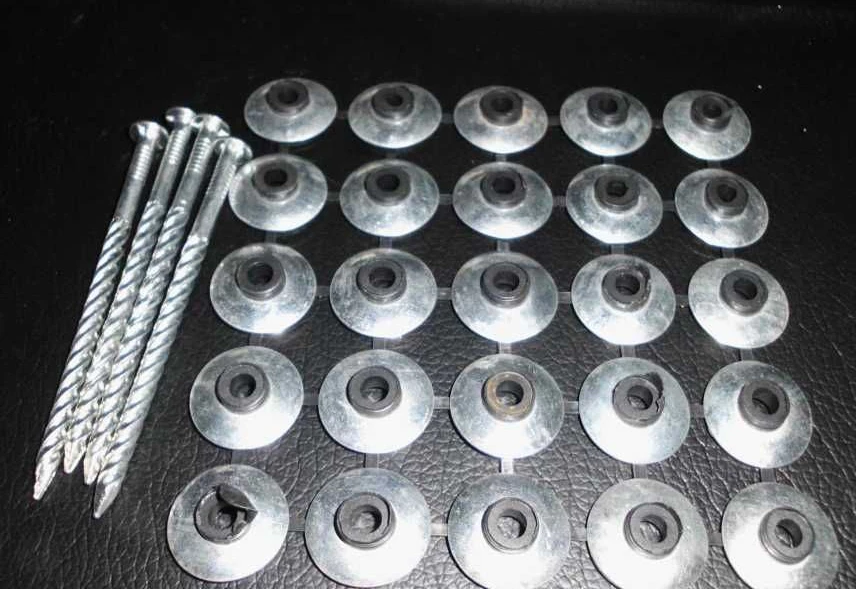
Coil siding nails, especially the #15 gauge variety, are essentially staples in cladding projects. These nails, specifically designed for fastening vinyl or aluminum siding, combine strength with flexibility. Oddly enough, they’re often overlooked in favor of screws or staples, but they marry holding power and speed of application like few others. I remember once advising a client who was frustrated with siding panels popping loose; the culprit? Subpar nails that bent easily during installation.
In terms of material, these nails are commonly made from hardened steel, then electro-galvanized or stainless steel coated to resist rust. The environment you install in really dictates what treatment is best. If you’re anywhere coastal or rainy, investing in galvanized or coated nails is non-negotiable. I’ve noticed a clear uptick in demand for nails with superior corrosion resistance, mostly from contractors who’ve experienced warranty claims firsthand.
Testing standards across vendors often differ, but the critical factor is tensile strength and shank design. Many engineers say a ring-shanked or clipped head nail offers better withdrawal resistance, which is pretty vital when wind loads exert constant pressure on siding. These design choices aren’t just marketing fluff—they translate to how well your siding holds up when the storm hits.
One little anecdote: in a recent job, we switched from a competitor’s smooth-shank nails to a #15 coil nail with a ring shank and found installation went faster with fewer bores, plus the panels stayed put through a pretty brutal winter. It felt like a small change, but it proved that product details really matter.
| Feature | Specification |
|---|---|
| Gauge | 15 |
| Length | 1-1/4" to 2" |
| Shank Type | Ring or Smooth |
| Coating | Electro-galvanized, Hot-dip galvanized, Stainless steel |
| Head Type | Clipped or Round Head |
| Packaging | Coiled in strips (1,000 to 3,000 nails per coil) |
Speaking frankly, sourcing these nails isn’t always straightforward—vendors differ widely in quality and price. I put together a little comparison that might help anyone doing their homework:
| Vendor | Price | Material Quality | Corrosion Resistance | Packaging Options |
|---|---|---|---|---|
| YJD Wire Mesh | $$ | Premium hardened steel | Electro-galvanized & stainless options | Coils of 1,000+ nails |
| Vendor A | $ | Standard steel, variable quality | Basic galvanization | Blister packs only |
| Vendor B | $$$ | High-end stainless steel | Superior rust resistance | Custom coil sizes |
What should you take home here? I suppose, when selecting 15 coil siding nails, it’s worth balancing cost, corrosion resistance, and ease of installation. After all, those nails aren’t just holding siding — they’re holding your entire exterior’s integrity. If you pick a lesser grade, you might save a buck, but it often costs more in callbacks and repairs. It feels like an old construction adage but holds true: quality fasteners equal quality builds.
In the end, whether you’re a contractor, builder, or keen DIYer, investing a little thought (and trust) into your siding nails can make the difference between a job done fast and a job done well.
References:
- Industrial Fastening Handbook, 2023 Edition
- Vinyl Siding Institute: Installation Best Practices, 2022
- Personal experience and client feedback, 2015-2024