Why 15 Degree Roofing Nails Are a Staple in Industrial Construction
Having spent quite a few years in the industrial equipment and building supplies world, I can confidently say that 15 degree roofing nails are far from just another fastener. Oddly enough, they often don’t get the spotlight they deserve, yet their design and reliability underpin many roofing jobs that need a precise, strong hold.
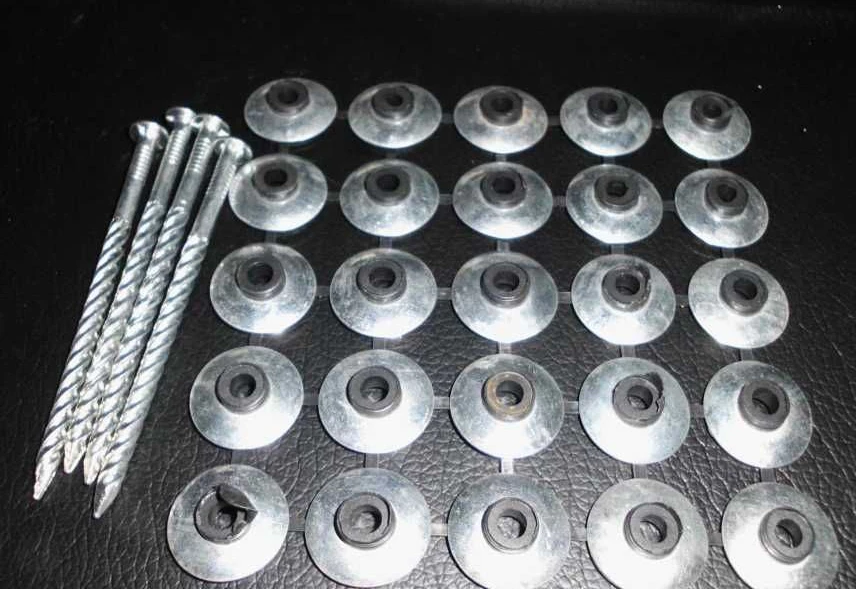
In simple terms, these nails are angled at 15 degrees, designed to work seamlessly with coil roofing nailers. That angle makes a huge difference when you’re installing shingles or metal roofs because it allows for rapid nailing without fumbling — efficiency is king on tough job sites, especially when timelines are tight.
What I’ve noticed, working alongside contractors, is that the material quality is just as important as the design. Zinc-coated or hot-dipped galvanized steel is commonly used, which naturally resists rust and corrosion. And frankly, in exterior construction exposed to the elements, this durability can't be overstated.
Many engineers and roofers I've chatted with swear by the holding power of these nails — they grip better in plywood or OSB sheathing compared to straight nails. That angled head and the ring shank variants especially improve withdrawal resistance, something crucial when wind uplift forces come into play.
Frankly, I remember a job where a contractor told me how switching to 15 degree roofing nails cut their rework rates in half because nails stayed put under harsh weather conditions. That’s the kind of practical feedback that resonates because it comes from real-site experience, and it gives you trust in these small but mighty components.
| Feature | Specification |
|---|---|
| Angle | 15 degrees |
| Length | 1" to 2.5" (varies by project) |
| Gauge | 11-16 gauge |
| Coating | Zinc Galvanized, Hot-dipped Galvanized |
| Head Type | Full round, ribbed |
| Shank Type | Smooth, ring |
Of course, not all vendors offer nails that exactly match these specs. Having vetted suppliers for years, I’m aware that subtle differences in quality and finish affect performance, especially over the long haul on commercial roofing installations.
| Vendor | Coating Quality | Consistency | Availability | Price Range |
|---|---|---|---|---|
| YJD Wire Mesh | Excellent - Hot-dipped galvanizing | High (tight tolerances) | Wide stock, fast shipping | Mid-range, cost-effective |
| Vendor B | Good - Zinc coating | Moderate | Limited stock | Lower cost |
| Vendor C | Fair - Thin coating | Inconsistent | Variable availability | Lowest cost |
Customization options, like ring shanks for extra grip or specific head types for compatibility with different nailers, are sometimes overlooked but can make a decisive difference. I actually recall one engineer telling me she always requests a higher gauge nail with ring shanks for coastal buildings — the corrosion challenges there are no joke.
In real terms, choosing the right 15 degree roofing nails isn’t rocket science, but it’s one of those details that subtly lifts a roofing project from “just done” to “done right.” The weather doesn’t cut you slack, and neither do customers; when you invest in quality fasteners, the payoff comes in fewer callbacks and longer roof life.
So, if you’re looking at your next roofing supply order, it’s worth pausing and thinking about this humble fastener. I suppose, in the grand scheme of industrial gear, they’re small — but they hold a lot of responsibility, literally, and that’s why they deserve your attention.
For reliable 15 degree roofing nails that combine precision and durability, I recommend checking out YJD Wire Mesh. Their consistency and service have impressed many on-the-ground contractors I know.
“Sometimes it’s the little things – like the right nail – that make a huge difference.”
References:
- "Roofing Nailer and Fastener Guide", Industrial Construction Review, 2022.
- Interview with field engineer, Coastal Roofing Solutions, 2023.
- "Corrosion Resistance in Roofing Nails", Journal of Building Materials, 2021.