Understanding 16 Gauge Galvanized Wire: Why It Matters Globally
When you hear "16 gauge galvanized wire," you might picture a simple roll of metal fencing or maybe a craft project. But surprisingly, this common material plays a critical role worldwide—from infrastructure to humanitarian relief. The galvanized coating prevents rust, making the wire durable under harsh environmental conditions, and the 16 gauge thickness hits a sweet spot between flexibility and strength.
Globally, industries and communities rely on this wire for everything from securing construction sites to creating enclosures that protect livestock or crops. Knowing about 16 gauge galvanized wire matters because, frankly, it touches on issues of sustainability, safety, and economic efficiency worldwide.
Mini takeaway: 16 gauge galvanized wire is more than just wire—it’s a backbone material connecting multiple sectors globally through durability and versatility.
The Global Context: Why This Wire Still Shapes Construction and Industry
The International Organization for Standardization (ISO) and World Bank reports highlight a consistent need for corrosion-resistant materials in rapidly industrializing regions and developing countries. For example, in sub-Saharan Africa and parts of South Asia, infrastructure expansion relies heavily on affordable yet durable materials like galvanized wire.
Yet the challenge is balancing cost with longevity and environmental impact. The 16 gauge galvanized wire fits into that equation well because it can withstand moisture and oxidization without breaking the bank. Plus, its worldwide availability simplifies supply chain logistics in places where modern infrastructures are budding but resources remain tight.
What Exactly Is 16 Gauge Galvanized Wire?
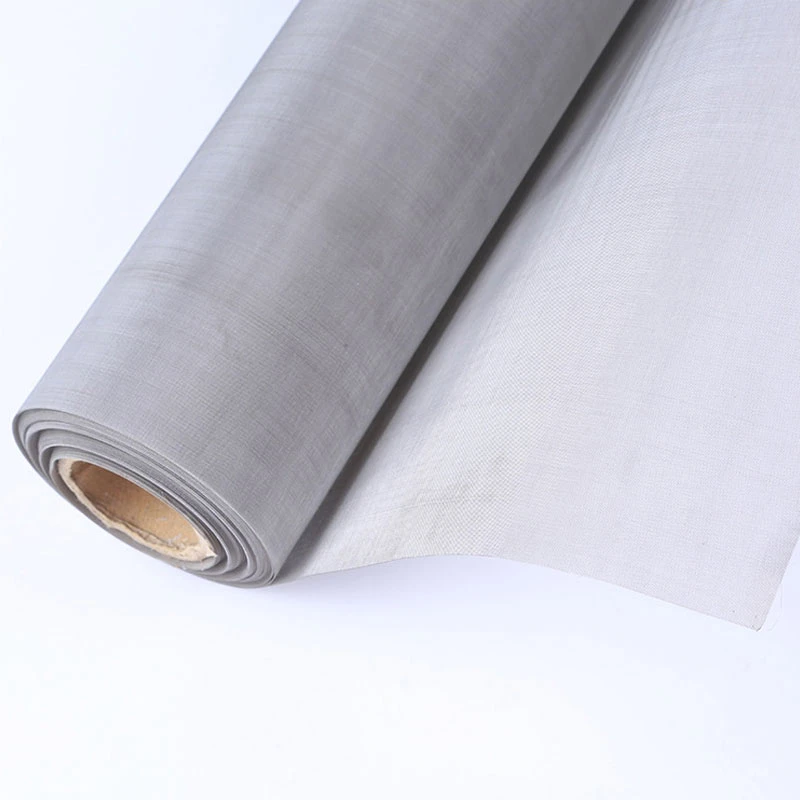
Simply put, 16 gauge galvanized wire is steel wire that has been coated in zinc to prevent rust and corrosion, with a diameter roughly 1.29 millimeters. The “16 gauge” refers to the thickness following the American Wire Gauge (AWG) standard, which helps manufacturers and buyers understand the wire’s strength and flexibility.
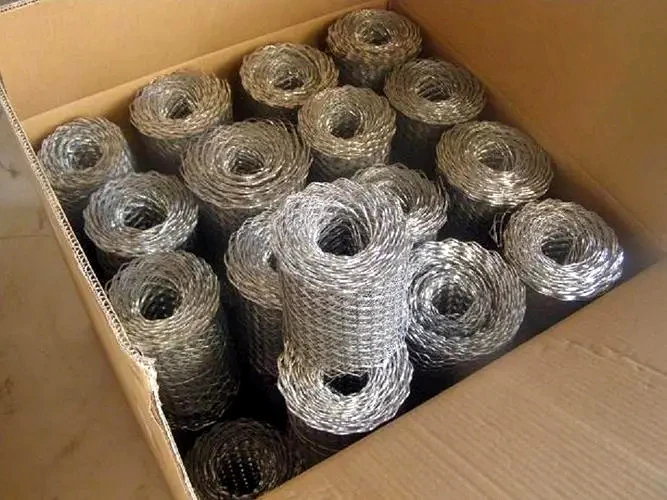
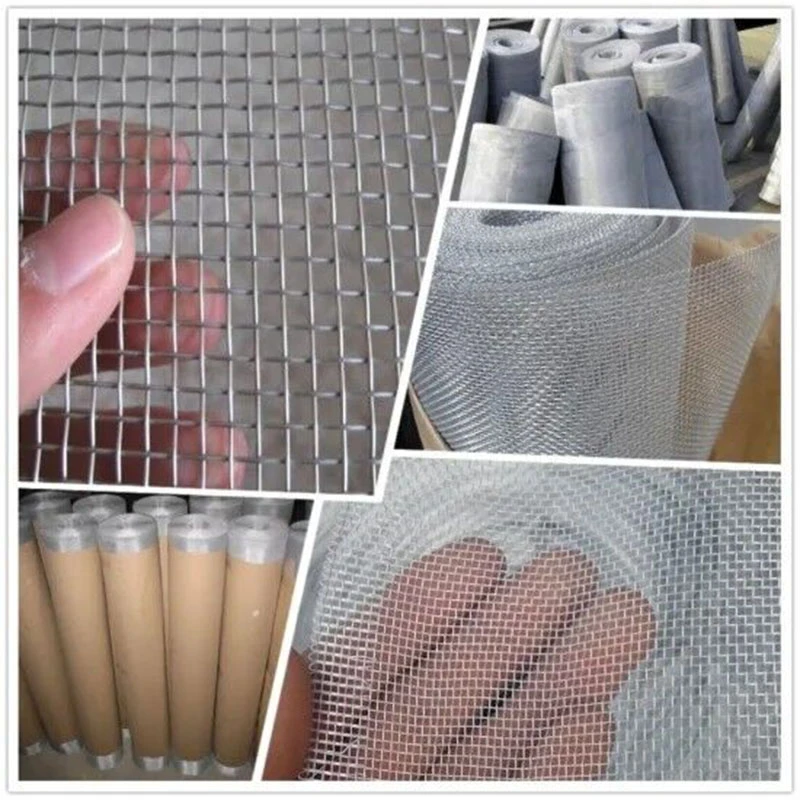
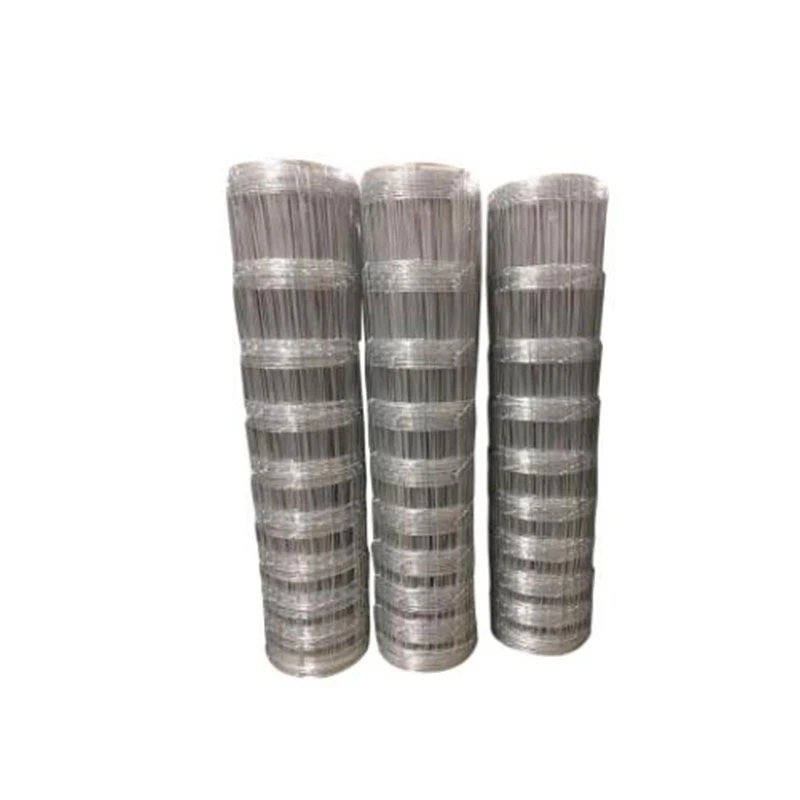
Industrially, it’s favored in fencing, mesh making, heavy-duty ties, and even in some electrical grounding applications. Humanitarian groups often use it in quick-build shelters or fencing for safe zones because it’s lightweight yet tough enough to last in tough climates.
Core Attributes and Practical Benefits
1. Durability and Corrosion Resistance
The zinc coating on the wire forms a protective barrier against moisture and oxidation, which means it can last years outdoors without significant degradation. This reliability is especially critical for infrastructure projects exposed to the elements.
2. Flexibility with Strength
While thinner wire gauges tend to snap under strain, 16 gauge strikes a balance allowing it to be bent and manipulated without breaking—ideal for fencing that needs to contour uneven terrain.
3. Cost Efficiency
Galvanized steel is generally more affordable than stainless steel alternatives, yet it still accounts for excellent longevity. This cost-to-longevity ratio keeps budgets intact in large-scale projects without sacrificing quality.
4. Versatility Across Industries
From agriculture and construction to logistics and even arts and crafts, this wire finds its way into diverse applications. Its ease of customization means it’s often cut, twisted, or tied on-site to meet specific needs.
Mini takeaway: Durability, flexibility, cost efficiency, and versatility make 16 gauge galvanized wire the unsung hero behind many engineering and construction challenges.
Global Applications & Real-World Use Cases
Across continents, we see 16 gauge galvanized wire in action:
- Post-Disaster Relief Operations: NGOs deploy temporary fencing to secure refugees or protect vital resources in flood or earthquake zones.
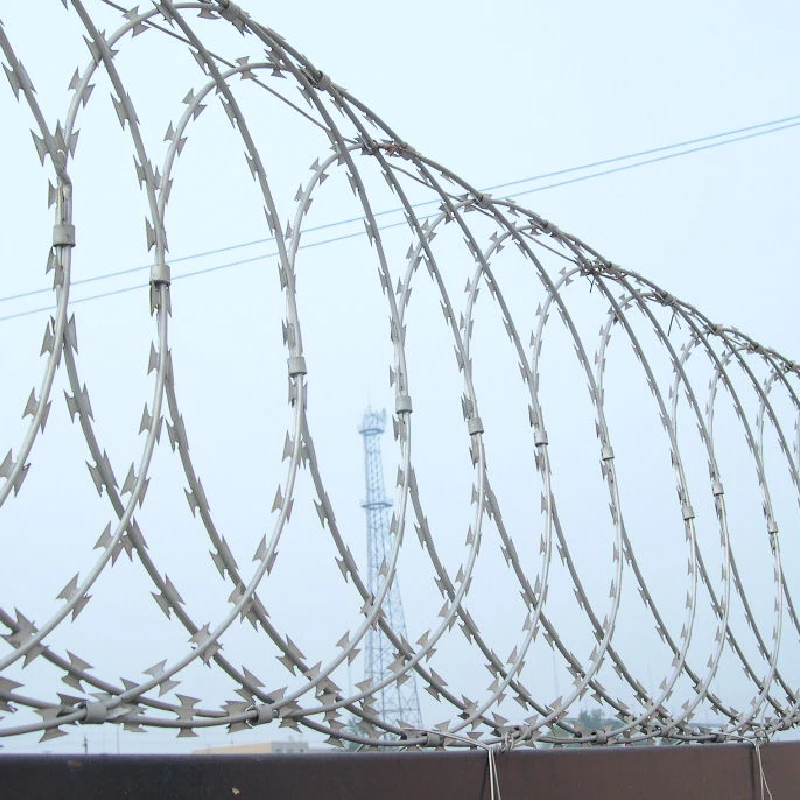
- Rural Agricultural Enclosures: Farmers in East Asia use galvanized wire fencing to protect crops or livestock from wildlife damage.
- Urban Construction: Builders in countries like Brazil rely on this wire for scaffolding tie-downs and site security fencing.
- Renewable Energy Sectors: Wind farms worldwide use galvanized wiring to safeguard equipment and secure turbine perimeters.
Table 1: Typical 16 Gauge Galvanized Wire Specifications
| Specification | Value |
|---|---|
| Gauge | 16 AWG |
| Diameter | 1.29 mm (approx.) |
| Material | High-carbon steel with zinc galvanizing |
| Tensile Strength | Approx. 350-400 MPa |
| Coating Thickness | 45-70 g/m² (depends on standard) |
| Typical Applications | Fencing, mesh making, agriculture, construction |
The Advantages & Long-Term Value of Choosing 16 Gauge Galvanized Wire
Choosing the right material for fences or wire mesh isn’t just about strength. It’s also about trust, societal impact, and future-proofing investments.
- Cost savings: Durable wire means fewer replacements and maintenance over years, saving money in the long term.
- Social impact: Reliable fencing secures communities, protects assets, and helps maintain order in often vulnerable areas.
- Environmental sustainability: Zinc coatings reduce corrosion without toxic chemicals, prolonging lifespan and avoiding frequent disposal.
- Innovation readiness: Compatible with new automated fencing installation tools and smart agriculture networks.
Emotionally, there’s a kind of quiet safety that good fencing wire provides — not just a boundary, but peace of mind.
Future Trends & Innovations in Galvanized Wire
Looking ahead, the galvanized wire market is evolving. We’re seeing:
- Eco-friendly coatings: New non-toxic zinc alternatives and layered coatings to improve recyclability.
- Digital integration: Wire embedded with sensors for real-time fence monitoring in smart farms or security systems.
- Advanced steel alloys: Better tensile strength and corrosion resistance with less weight.
- Automation: Robotic installation for rapid fencing solutions in disaster zones or military bases.
Challenges & Practical Solutions
Of course, no material is perfect. Galvanized wire, including 16 gauge, faces:
- Exposure to extreme acids or alkaline soils can degrade even zinc coatings faster.
- Mechanical fatigue when repeatedly bent or stressed beyond limitations.
- Supply chain variability in some developing regions, leading to quality inconsistencies.
To tackle these, manufacturers and engineers improve zinc layering and combine galvanized wire with polymer coatings for harsh environments. Strategic sourcing and traceability help maintain quality, especially with global supply chains that are still prone to disruption.
Table 2: Vendor Comparison for 16 Gauge Galvanized Wire Suppliers
| Vendor | Coating Thickness (g/m²) | Packaging Options | Typical Lead Time | Regions Served |
|---|---|---|---|---|
| YJD Wire Mesh Co. | 55 g/m² | 500m coils, customized lengths | 2-3 weeks | Global |
| SteelCorp Ltd. | 45 g/m² | 1-ton pallets | 4-6 weeks | North America, Europe |
| GlobalWire Solutions | 70 g/m² | Custom coils & spools | 1-2 weeks | Asia, Australia |
Frequently Asked Questions About 16 Gauge Galvanized Wire
- Q: How long does 16 gauge galvanized wire typically last outdoors?
- A: Under normal environmental conditions, it can last 15 to 25 years thanks to the zinc coating protecting against rust. In corrosive environments, longevity decreases but can be extended with polymer coatings or frequent maintenance.
- Q: Can 16 gauge galvanized wire be used in electrical grounding?
- A: Yes, its conductivity and corrosion resistance make it suitable for some grounding applications, although thicker gauges or copper wiring might be preferred depending on electrical specs.
- Q: Is galvanized wire recyclable?
- A: Absolutely. Both the steel core and zinc coating are recyclable. Recycling reduces environmental impact, making galvanized wire a good choice for sustainable projects.
- Q: How do I ensure quality when buying 16 gauge galvanized wire internationally?
- A: Request detailed specs, third-party inspection reports, and sample coils before bulk purchase. Vendors like YJD Wire Mesh provide traceability and certifications that ease quality concerns.
Conclusion: Why 16 Gauge Galvanized Wire Will Keep Being Essential
Reflecting on all this, it’s clear 16 gauge galvanized wire remains a practical, economical, and surprisingly sophisticated choice for industries worldwide. It quietly supports everything from local farms to massive construction sites and emergency shelters. The combination of durability, affordability, and adaptability means it’s unlikely you’ll see it replaced any time soon.
Interested in exploring top-quality galvanized wire for your next project? Visit our website: https://www.yjdwiremesh.com to learn more about reliable suppliers, custom options, and how to get started.