Understanding 2mm Galvanised Wire: A Global Perspective
At a glance, 2mm galvanised wire might seem like just another industrial product, yet its subtle strength and versatility ripple through countless industries globally. Whether it's fencing farms, reinforcing infrastructure, or creating durable mesh for protective barriers, this relatively thin wire plays a surprisingly outsized role in everyday life and emergency situations alike.
Why does this matter? For starters, its durability and corrosion resistance offer sustainable solutions in both developed and developing regions. From harsh climates in Northern Europe to tropical humidity in Southeast Asia, the product's resilience helps maintain safety, security, and economic worth. The better we understand these wires, the smarter we get about materials engineering and resource management.
The World Stage for 2mm Galvanised Wire: Industry Context
Global demand for galvanised wire is climbing steadily. According to ISO reports, the metals and wire manufacturing sector posts consistent annual growth of 4-6%, driven largely by construction, agriculture, and manufacturing. UN data flags infrastructure and agricultural resilience as top priorities for sustainable development, where galvanized wire comes in as a dependable component.
Take agriculture, for instance. In regions where fencing keeps livestock safe from predators or marks crop boundaries, the durability of a 2mm galvanised wire can mean the difference between long-term stability and costly rebuilds. The same goes for disaster-relief contexts where rapid deployment fencing and protective enclosures can restore security fast.
Still, challenges exist — corrosion in saltwater environments, logistical issues in remote areas, and often confusing alternatives on the market complicate choices. Getting the right wire is an exercise in balancing cost, strength, and longevity.
What Exactly Is 2mm Galvanised Wire?
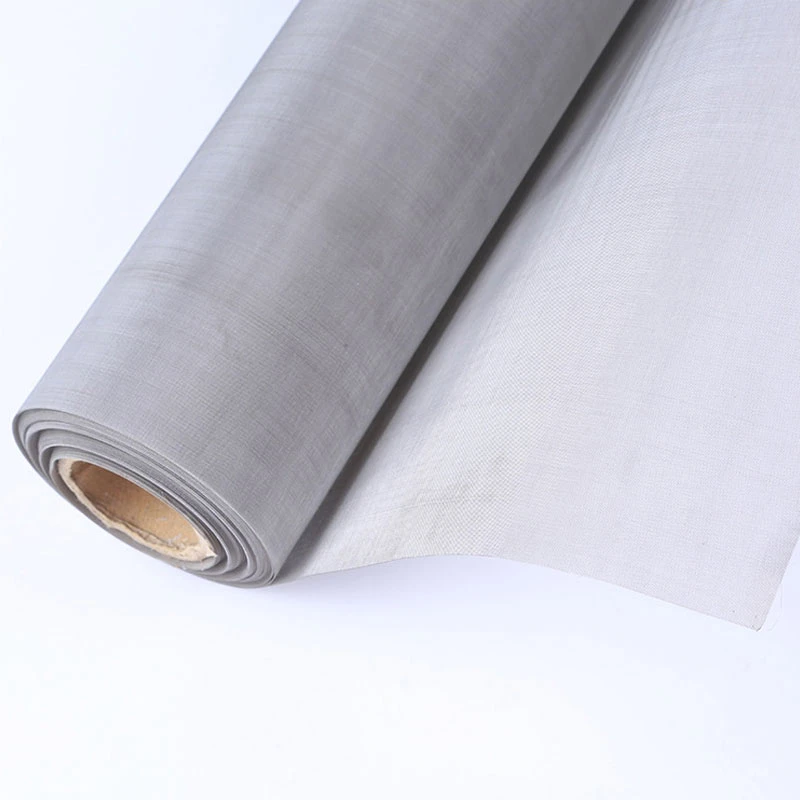
Simply put, 2mm galvanised wire is a steel wire 2 millimeters in diameter, coated with a protective layer of zinc. This coating prevents rusting and corrosion, especially in outdoor or humid conditions. The galvanising process, often hot-dip or electro-galvanising, preserves the steel core for years.
Its modest thickness makes it ideal for applications requiring a blend of strength and flexibility. Not too heavy to be cumbersome, yet substantial enough to bear physical stresses. It’s the quiet workhorse in modern fencing, mesh making, and structural reinforcement tasks. In humanitarian efforts, it’s often the first choice because it’s reliable, readily available, and cost-effective.
Core Attributes That Make 2mm Galvanised Wire So Popular
1. Durability
The zinc galvanising layer considerably extends the wire’s lifespan. It can withstand weather extremes from freezing winters to tropical rains. Many engineers claim galvanised wire can resist corrosion for more than 20 years outdoors without significant degradation.
2. Flexibility & Strength
Despite its thin profile, the 2mm diameter holds an impressive tensile strength. It’s flexible enough for manual handling but firm enough not to snap or kink easily. This balance is essential for making fences that need to bend around terrain yet hold firm against pressure.
3. Cost Efficiency
Compared to alternatives like stainless steel or plastic-coated wires, galvanised steel offers an excellent price-to-performance ratio. Buyers in agriculture or construction love it for dependable quality at lower prices.
4. Scalability
Available in coils and spools of various lengths, 2mm galvanised wire fits small projects and large-scale installations alike. Whether you’re patching a backyard fence or outfitting entire farms or industrial sites, it scales well.
5. Environmental Resistance
From chemical exposure in industrial zones to salty coastal air, the zinc coating protects against many environmental hazards, giving the product a robust edge over untreated wire.
Mini takeaway:
All told, durability and cost balance out as the most attractive features for users worldwide. When choosing 2mm galvanised wire, these factors weigh heavily in decision-making.
Where 2mm Galvanised Wire Comes to Life: Applications Around the Globe
The uses of 2mm galvanised wire span continents and sectors.
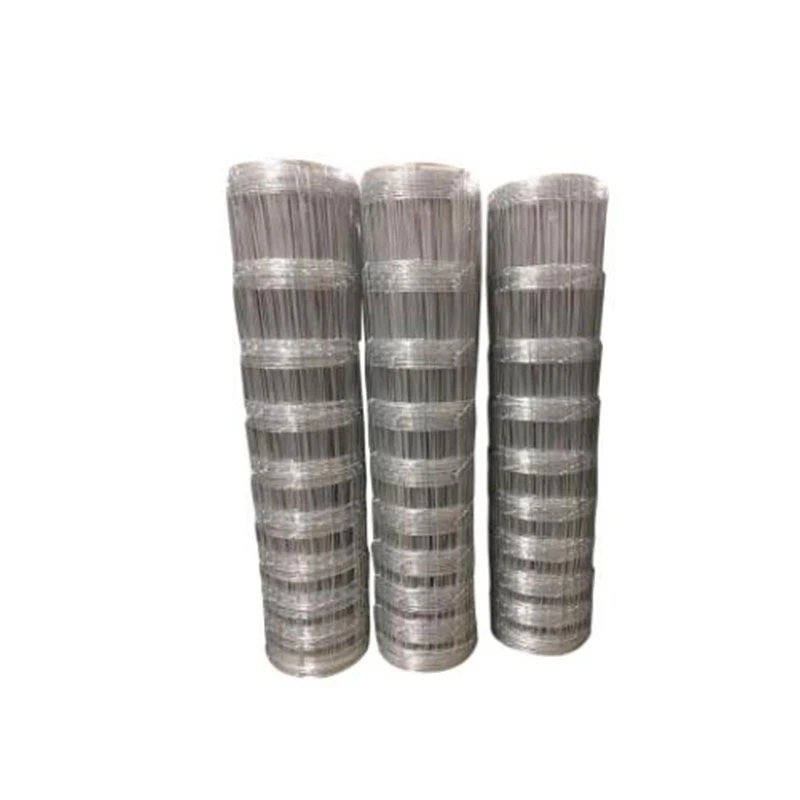
- Agricultural Fencing: In Australia’s vast cattle ranches and Africa’s mixed farms, it keeps livestock contained and protects crops.
- Construction Reinforcement: Used to tie rebar and create meshing for concrete in urban expansion projects across Asia and Europe.
- Disaster Relief & Humanitarian Aid: NGOs deploy lightweight, galvanised wire fencing in post-disaster camps to restore safety quickly.
- Industrial Applications: Protective mesh for machinery guards, ventilation covers, and security panels in factories.
- DIY & Home Improvement: From garden trellises to pet pens, it’s a staple among homeowners worldwide.
For example, after the 2019 cyclone in Mozambique, rapid fencing of relief camps with galvanised wire allowed aid workers to control crowds and prevent animal intrusion, showing its critical role outside the obvious industrial uses.
Advantages and Long-Term Value of 2mm Galvanised Wire
Looking at the benefits, besides the tangible durability and cost-effectiveness, there’s an emotional layer too. Users often speak about trust — that feeling that this wire won’t fail when you need it most.
- Safety: Helps secure boundaries, keeping people and animals safe.
- Sustainability: Longer lifespan means less frequent replacement, reducing waste.
- Innovation: Supports modern building methods and modular designs.
- Social Impact: Especially in developing regions, affordable reliable fencing translates to better livelihood preservation.
Oddly enough, this simple wire ties together practical outcomes with community wellbeing — a factor often overlooked.
Emerging Trends in 2mm Galvanised Wire and Industry Innovations
The wire industry isn’t standing still. Future trends suggest moves toward greener galvanising processes, reducing zinc consumption and environmental impact. Automation in wire coating lines improves consistency and lowers costs.
Also, smart fencing incorporating sensors embedded in wire mesh is becoming a reality, offering real-time security monitoring. Add in solar-powered lighting or agricultural IoT devices bonded to galvanised wire fences, and you have a glimpse of tomorrow.
Challenges and How Experts Are Tackling Them
While corrosion resistance is strong, coastal and highly acidic environments still pose risks — bitter truth. Loss of zinc layer over decades can compromise longevity.
Innovators respond with duplex coatings (galvanising plus powder coating), or newer alloys that add extra protection. Logistics can also be tricky; getting neat and tangle-free delivery of wire spans to remote sites demands clever packaging and transport strategies.
Many vendors now emphasize training for proper installation techniques — a small step with big impact on wire life.
Frequently Asked Questions About 2mm Galvanised Wire
- Q: How long will 2mm galvanised wire typically last outdoors?
- A: Under typical conditions, it can last 20-30 years, but this varies with climate and exposure. Coastal areas may reduce lifespan due to salt exposure.
- Q: Is 2mm galvanised wire suitable for livestock fencing?
- A: Yes, it provides a strong, durable option that can withstand animal push and weather effects, commonly used worldwide for this purpose.
- Q: Can galvanised wire be recycled after use?
- A: Absolutely. Steel is highly recyclable, and zinc coating can be melted off or recycled with steel, making it eco-friendly.
- Q: What distinguishes 2mm galvanised wire from stainless steel wire?
- A: Galvanised wire is usually cheaper, provides good corrosion resistance, but stainless steel offers superior durability in extreme conditions—though at higher cost.
- Q: Where can I find certified suppliers of high-quality 2mm galvanised wire?
- A: Look for vendors with ISO certification and quality assurance testing like tensile strength and galvanising thickness. For example, check trusted suppliers.
Product Specifications of Typical 2mm Galvanised Wire
| Specification | Details |
|---|---|
| Diameter | 2.0 mm (±0.02mm) |
| Material | High carbon or low carbon steel |
| Galvanising Type | Hot-dip or electro-galvanised |
| Zinc Coating Thickness | ≥ 45 g/m² |
| Tensile Strength | 350 – 550 MPa |
| Standard Lengths Available | 50m, 100m coils; customized |
How Leading Vendors Stack Up
| Vendor | Galvanising Method | Quality Certifications | Price Range (per kg) | Lead Time |
|---|---|---|---|---|
| YJD Wire Mesh Co. | Hot-dip galvanising | ISO 9001, SGS tested | $1.20 – $1.50 | 1-2 weeks |
| Global Metals Ltd. | Electro-galvanised | ISO 14001, CE marked | $1.10 – $1.40 | 2-3 weeks |
| SteelWorks Inc. | Hot-dip galvanising | ISO 9001, RoHS compliant | $1.25 – $1.60 | 1 week |
Wrapping It Up: Why Choose 2mm Galvanised Wire?
All told, 2mm galvanised wire holds a unique place in the industrial and humanitarian toolkit. Its mix of strength, affordability, and longevity makes it a staple across continents and applications. Whether for safeguarding livestock, reinforcing buildings, or supporting disaster relief infrastructure, it’s a quiet hero.
For those wondering where to begin exploring high-performance and reliable options, visiting YJD Wire Mesh can be a solid first step.
So next time you see a sturdy wire fence or a strong mesh panel, think of the decades of engineering, material science, and global logistics that underpin even something as seemingly modest as 2mm galvanised wire.
It’s more than just metal; it’s a connection between people, places, and progress.