Understanding 19 Gauge Chicken Wire: More Than Just Poultry Fencing
Chicken wire is everywhere, quite literally holding things together — from farmyard coops to garden fencing and even industrial sieves. But when we talk specifically about 19 gauge chicken wire, we're diving into a nuanced world where wire thickness, durability, and adaptability matter in very concrete ways. Globally, the demand for 19 gauge wire mesh addresses not only agricultural needs but also humanitarian relief, construction reinforcement, and environmental projects. This isn’t just about corralling chickens, but rather about designing versatile barriers that help solve challenges worldwide.
Why Does 19 Gauge Chicken Wire Matter Globally?
According to global agricultural data from the FAO (Food and Agriculture Organization), backyard poultry farming supports roughly 80% of rural households in developing countries. Wire mesh, especially 19 gauge variants, provides a low-cost yet effective solution to keep poultry safe from predators and diseases in these contexts. Beyond farms, disaster relief operations increasingly use wire mesh for temporary fencing, debris containment, and even crafting makeshift shelters.
In real terms, the challenge is to balance strength, flexibility, and cost efficiency — something the 19 gauge chicken wire manages quite elegantly. It’s thin enough to be manageable but thick enough to keep pests and unwanted critters at bay.
What Exactly Is 19 Gauge Chicken Wire?
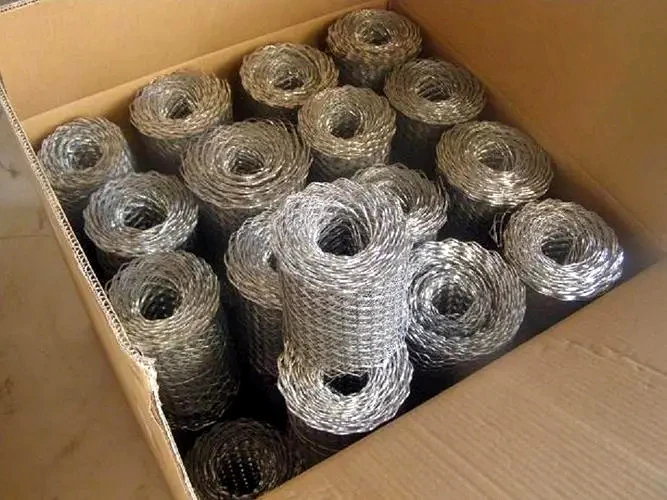
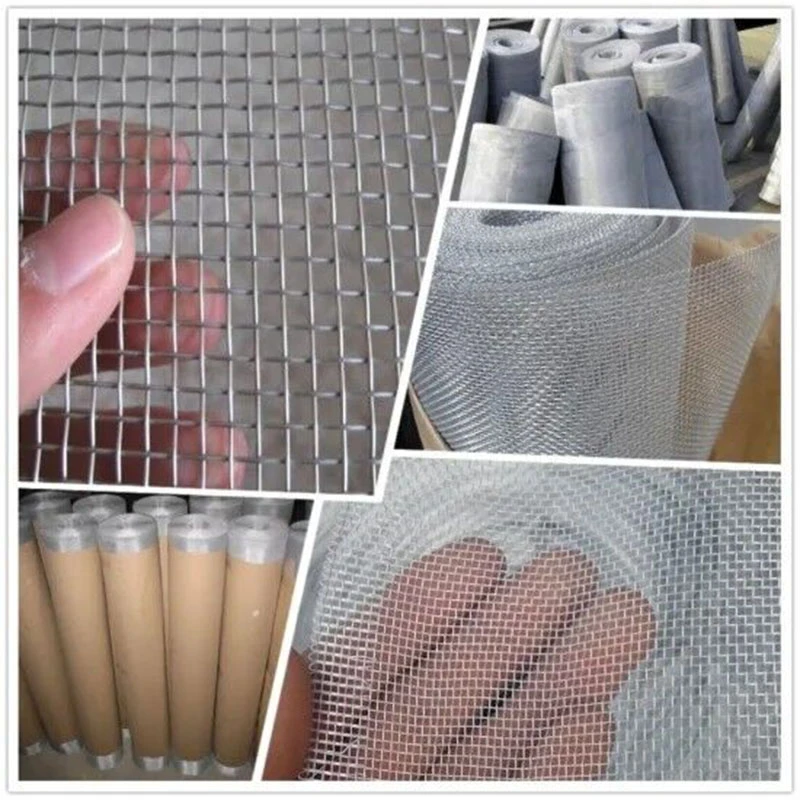
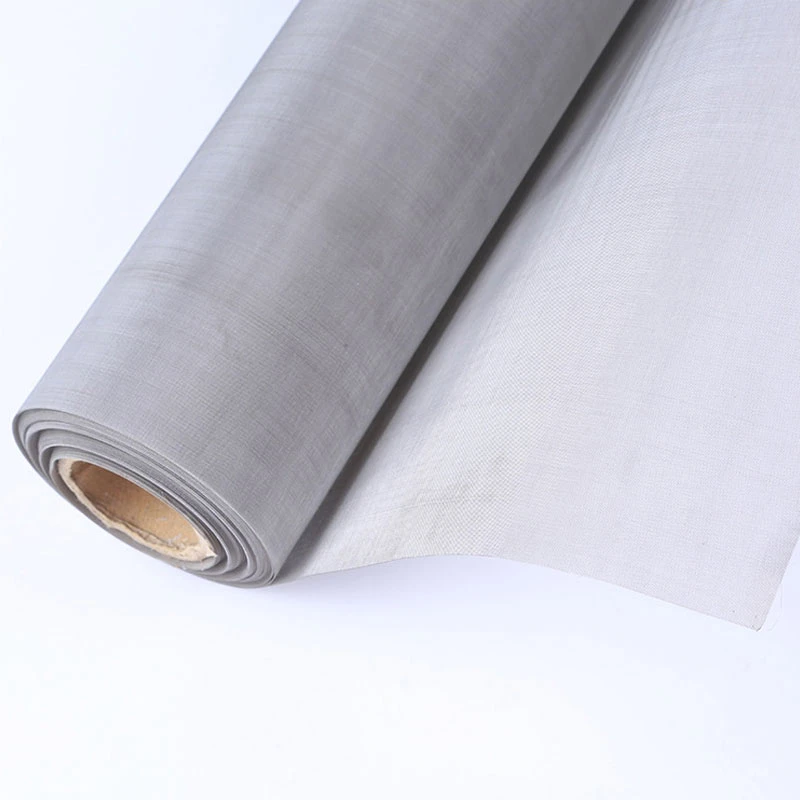
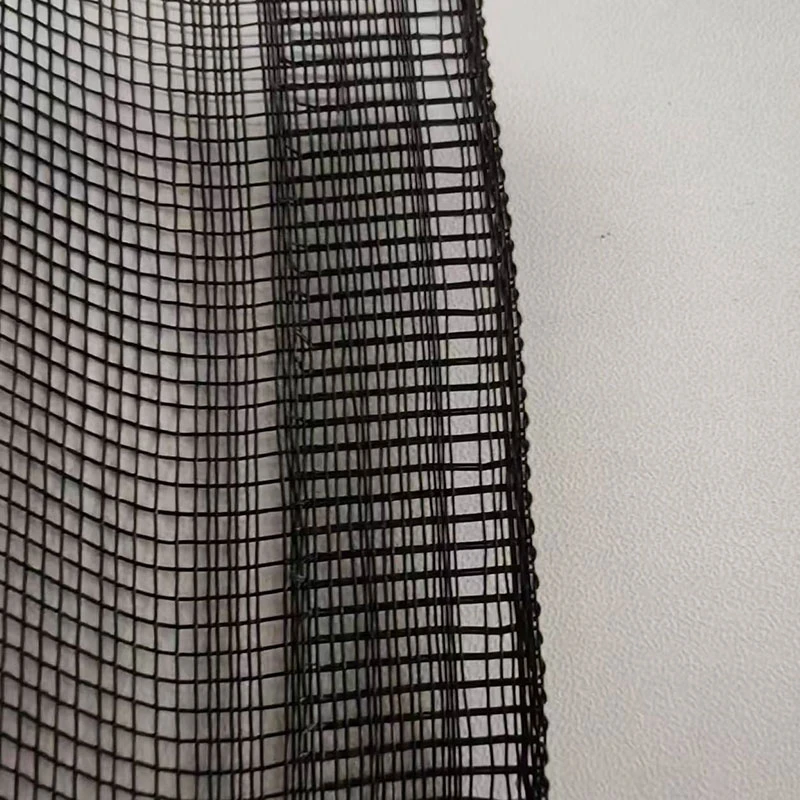
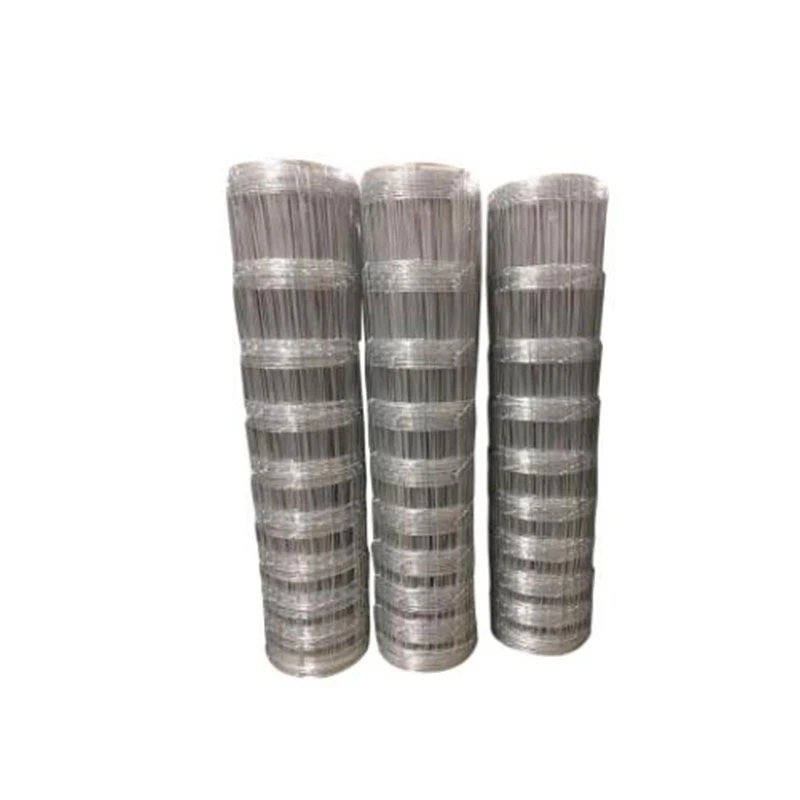
At its core, 19 gauge chicken wire refers to hexagonal wire mesh made from galvanized steel wire with a diameter roughly 1.07 mm thick (that’s the gauge). The hexagonal pattern typically spans 1 inch (25 mm) between opposite sides, forming a classic chicken-wire look.
This wire gauge is a sweet spot: thicker than the flimsy 22 or 24 gauge, but lighter and more flexible than 16 gauge fencing wire. For humanitarian projects — such as securing temporary animal enclosures or construction barricades — 19 gauge wire offers the right balance of durability and ease of deployment.
Mini Takeaway:
- 19 gauge chicken wire is a middle-weight mesh ideal for multiple practical uses.
- Its properties address a common industry challenge: balancing protection with price.
Key Aspects That Make 19 Gauge Chicken Wire a Practical Choice
Durability
Galvanized coating protects the wire from rust and weather damage, vital for outdoor use in humid or rainy climates. 19 gauge thickness ensures the mesh won't bend or snap easily under everyday strain, meaning fences last longer.
Flexibility
Despite its strength, 19 gauge chicken wire remains flexible enough to conform to uneven terrain or curved enclosures—a feature particularly appreciated by farmers and builders working in challenging landscapes.
Cost Efficiency
Compared to heavier gauge wire mesh options, 19 gauge strikes a balance between long-term durability and upfront affordability. In rural development projects where budgets are tight but durability is essential, this is a major selling point.
Ease of Installation
Lightweight rolls versus heavy-reinforced mesh translate to quicker deployment by small teams, sometimes under harsh field conditions or emergency scenarios.
Corrosion Resistance
Galvanization, and in some cases PVC coatings, add layers of protection to withstand environmental degradation and extend service life. This relates directly to sustainability goals highlighted by ISO standards.
Mini Takeaway:
- Durability and flexibility make 19 gauge chicken wire suitable for rugged applications.
- Its reasonable price and corrosion resistance promote sustainable use in developing regions.
Real-World Applications of 19 Gauge Chicken Wire
Globally, sectors ranging from construction and agriculture to disaster response and conservation deploy 19 gauge chicken wire in creative ways:
- Agriculture: Smallholder poultry pens, livestock protection, hydroponics netting in Southeast Asia.
- Disaster Relief: Temporary fencing and rubble containment after earthquakes, floods—NGOs favor it for speed and versatility.
- Industrial: Machine guards, ventilation panels, or lightweight partitions in manufacturing facilities.
- Environmental: Soil erosion prevention, riverbank stabilization in coastal and mountainous regions.
For instance, in East Africa's rural zones, local cooperatives use 19 gauge chicken wire for predator-proof poultry housing that increases flock survival rates by over 30% (source: World Bank rural development reports). In post-hurricane Puerto Rico, responders used this wire mesh to erect temporary animal shelters within days.
Advantages and Long-Term Value of Choosing 19 Gauge Chicken Wire
What genuinely sets this product apart are both its intangible and practical benefits.
- Cost Savings: Long lifespan reduces replacement frequency.
- Sustainability: Reduced need for synthetic barriers helps with eco-impact.
- Social Impact: Protects food sources, improving food security and dignity for vulnerable populations.
- Reliability & Trust: Farmers and aid workers can count on it regardless of conditions.
Emotionally, the choice of proper wire fencing means safety and trust — knowing that your livestock is shielded or a project’s perimeter is secure without constant worry. Innovation here is subtle but meaningful.
Specification Table of Typical 19 Gauge Chicken Wire
| Specification | Detail |
|---|---|
| Wire Gauge | 19 gauge (approx. 1.07 mm diameter) |
| Mesh Size | 1 inch (25 mm) hexagonal openings |
| Material | Galvanized steel (sometimes PVC coated) |
| Roll Size | Typically 50 ft length × 3 to 5 ft height |
| Coating Thickness | 40-50 g/m² zinc galvanized (varies) |
| Weight | Roughly 20 lbs per 50 ft roll |
Comparing Leading Vendors of 19 Gauge Chicken Wire
| Feature | YJD Wire Mesh | SteelCo Mesh Ltd. | Agrifence Solutions |
|---|---|---|---|
| Galvanization Quality | Hot-dip, 50 g/m² zinc | Electro-galvanized, 30 g/m² zinc | Hot-dip, 45 g/m² zinc + PVC coating |
| Customization Options | Length/width & gauge variants | Standard sizes only | Custom mesh sizes & coatings |
| International Shipping | Yes, efficient logistics | Limited | Yes, but higher costs |
| Price per Roll | $$ (competitive) | $$$ (premium) | $$ (with coating premium) |
| Customer Support | 24/7 multilingual assistance | Business hours only | Email support, no phone |
Emerging Trends and Innovations Around 19 Gauge Chicken Wire
Technological advances are trickling into this humble mesh. The rise of environmentally friendly coatings, like biodegradable polymers instead of PVC, is becoming a hot topic. Manufacturers experiment with integrating recycled steel to lower carbon footprints in line with ISO 14001 environmental standards. Digitally-driven quality control, using laser micrometers and automated inspections, ensures consistent gauge and mesh sizes—cutting wastage.
Interestingly, some startups combine smart sensor tech into fencing for agricultural monitoring, meaning chicken wire isn’t just a passive barrier anymore. In real-time, farmers can detect breaches or animal movement remotely, opening fresh avenues for digital agriculture.
Challenges and Practical Solutions
No product is perfect, right? Issues with 19 gauge chicken wire often stem from:
- Corrosion in coastal zones: Salt air eats galvanized coatings fast. PVC coatings or stainless steel alternatives help here.
- Installation fatigue: Longer rolls get heavy, needing better ergonomic tools or pre-cut sizes.
- Limited predator resistance: In areas with big predators, heavier gauge or double-layer fences may be required.
Vendors increasingly offer customized solutions or bundled installation kits to overcome these issues. Plus, training videos and local partner networks help with proper setup — which frankly makes a big difference.
FAQ: Common Questions About 19 Gauge Chicken Wire
- Q: How long does 19 gauge chicken wire typically last outdoors?
- A: With proper galvanization, it can last 10-15 years in temperate climates. PVC-coated wire offers extra protection, extending lifespan in harsh environments.
- Q: Can 19 gauge chicken wire be used for predator-proof fencing?
- A: For small predators like foxes and raccoons, yes. However, in regions with larger animals like coyotes or wolves, you might want heavier gauge wire or additional reinforcements.
- Q: Is this mesh suitable for garden plant support?
- A: Absolutely. Its flexibility lets you shape it around vines and bushes, supporting growth without damage.
- Q: How can NGOs import 19 gauge wire mesh quickly for disaster relief?
- A: Vendors like YJD Wire Mesh have streamlined international shipping and customs paperwork support, making rapid deployment easier.
- Q: Is 19 gauge chicken wire recyclable?
- A: Yes. Galvanized steel wire mesh can be recycled with standard steel scrap processes, helping circular economy efforts.
Conclusion: Why 19 Gauge Chicken Wire Remains a Trusted Choice
In a world where practical solutions often get lost in complexity, 19 gauge chicken wire stands out as a humble hero — balancing cost, durability, and versatility. Whether securing a backyard coop or supporting large humanitarian projects, it’s a simple material with outsized influence. For those interested in sourcing quality options, don’t hesitate to visit our website and explore the possibilities.
After all, it’s often the straightforward tools that empower progress the most — and 19 gauge chicken wire fits that bill perfectly.