3D Wire Mesh Panel: What Buyers Are Actually Asking in 2025
If you’re scoping a 3d wire mesh panel for a new build or an upgrade, you’re not alone. Municipal planners, logistics managers, and campus facility teams keep telling me the same thing: they need clean lines, faster installs, and coatings that won’t surrender to weather in year three. To be honest, the humble fence panel turned into a small engineering project—quietly.
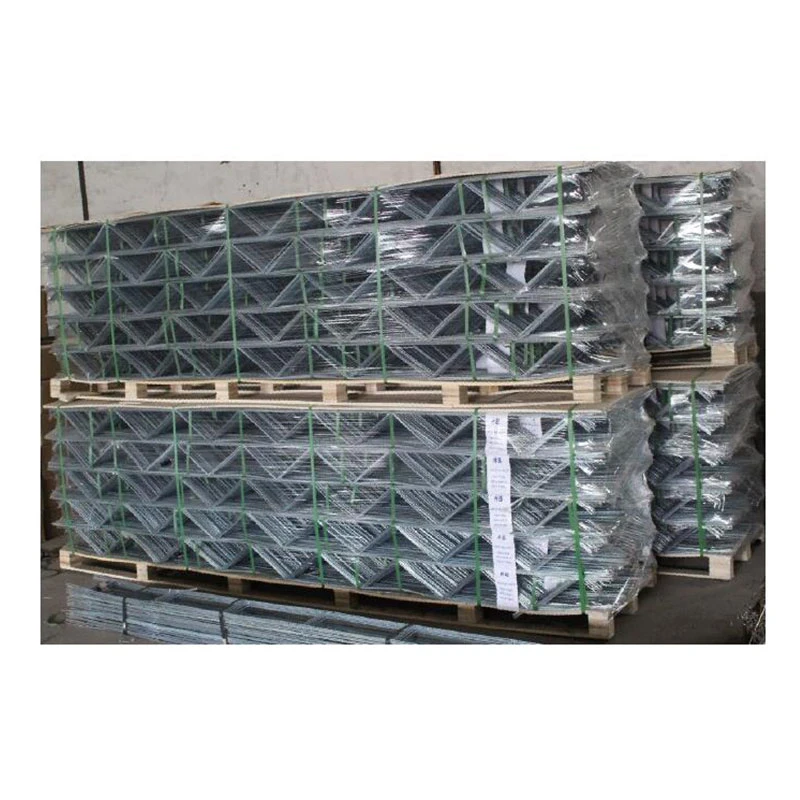
From Shenze, Shijiazhuang, Hebei—the building material production base—manufacturers are pushing tighter weld controls and smarter coatings. The result? The familiar V-bend profile that makes a 3d wire mesh panel rigid without the weight penalty. Actually, that’s why CCTV visibility stays high while the perimeter still looks neat.
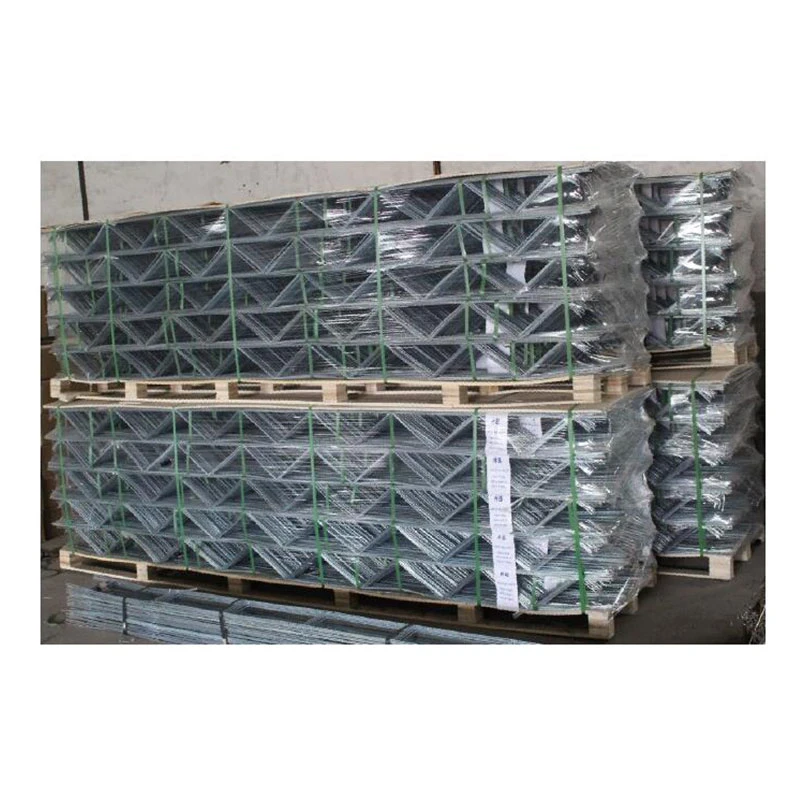
Product Snapshot and Real-World Specs
| Parameter | Typical Range / Notes (≈, real-world use may vary) |
|---|---|
| Wire diameter | Ø3.0–3.8 mm (licensed by KSM O802); steel wire coated with zinc |
| Tensile strength | 60–120 kg/cm2 (supplier-declared) |
| Mesh aperture | ≈50×200 mm (other patterns on request) |
| Panel height/width | H 1.2–2.4 m / W 2.0–2.5 m |
| V-bends (3D ribs) | 2–5 ribs depending on height |
| Zinc coating | ≈50–120 g/m² pre-galv or post-weld galv per project |
| Powder coat | ≈60–80 μm; RAL 6005, 7016, 9005 common |
| Service life | 10–20 years; coastal sites may require heavier zinc |
How It’s Made (Quick but Practical)
- Material: low-carbon steel wire (Q235 or similar), Ø3–3.8 mm.
- Wire straightening and cutting, then resistance welding into panels (QA checks on weld nugget size).
- 3D V-bending for stiffness; edges trimmed, burrs removed.
- Anti-corrosion: pre-galv wire or post-weld galvanizing; powder coating and curing.
- Testing: salt spray per ASTM B117 (target 500–720 h,
Where It Works Best
Industrial parks, schools, logistics hubs, solar farms, highways, even city parks. Installers like the straightness—many customers say alignment takes less time versus chain-link. With the right posts and clamps, a 3d wire mesh panel can be a one-day job for 60–80 m, which is… nice when the forecast looks grumpy.
Advantages That Matter
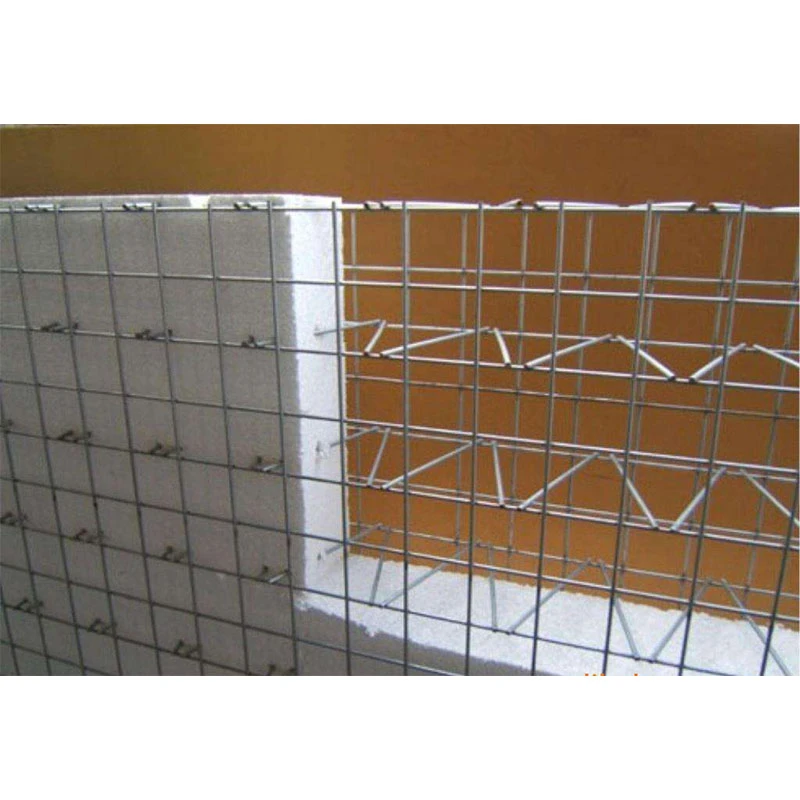
- Stiffness without mass thanks to 3D ribs; good CCTV transparency.
- Lower maintenance vs. traditional chain-link; fewer snag points.
- Clean, contemporary look; color-matching to site brand.
- Modular—easy to swap sections after forklift “encounters.”
Vendor Landscape (What Buyers Compare)
| Vendor | Origin | Certs | Coating Options | Lead Time | Notes |
|---|---|---|---|---|---|
| YJD Wire Mesh | Shenze, Hebei, China | ISO 9001; coating per EN 10244-2 | Pre-galv, post-galv, polyester powder | ≈15–25 days | Strong cost-to-quality; flexible RALs |
| Importer A | Mixed (APAC/EU) | Varies | Powder only | Stock/spot | Fast but limited customization |
| EU Brand B | EU | CE; ISO 9001 | Zinc-aluminum + powder | ≈3–6 weeks | Premium pricing; tight tolerances |
Customization & Test Data
Colors: RAL 6005 green, 7016 anthracite, 9005 black; others on request. Posts: round/square, flange or buried. Clamps: metal or reinforced polymer. Recent batch data we saw: powder 70–78 μm (ISO 2178), adhesion GT0–GT1 (ISO 2409), salt spray 720 h (ASTM B117) with minimal white rust at cuts—surprisingly clean for the price bracket.
Mini Case Files
- School perimeter, 1.8 m H: install team finished 420 m in three days; feedback—“panels came square; fewer reworks.”
- Logistics park retrofit: swapped dented chain-link for 3d wire mesh panel system; forklift impact repair took 12 minutes, one section.
Certifications and standards commonly referenced: ISO 9001 for quality management, ASTM A641/A641M for zinc-coated wire, EN 10244-2 for coating checks, ISO 1461 for hot-dip galvanizing, and ASTM B117 for corrosion testing.
Authoritative citations
- ASTM B117 – Standard Practice for Operating Salt Spray (Fog) Apparatus.
- ISO 1461 – Hot dip galvanized coatings on fabricated iron and steel articles.
- BS EN 10244-2 – Steel wire and wire products: Zinc or zinc alloy coatings.
- ASTM A641/A641M – Zinc-Coated (Galvanized) Carbon Steel Wire.
- ISO 9001:2015 – Quality management systems—Requirements.