Understanding the Significance of 4 Gauge Galvanized Wire
If you’ve ever worked in construction, agriculture, or even basic infrastructure, you’ve probably come across galvanized wire. The 4 gauge variety—just the right balance between strength and flexibility—stands out in many practical applications worldwide. This humble piece of metal, coated carefully with zinc to resist corrosion, plays a surprisingly big role in everything from fencing rural farms to massive industrial frameworks. Why? Because it bridges the gap between durability and cost-efficiency in a way few materials do.
More than just wire, it’s a backbone of countless projects that underpin our global growth and sustainability efforts. And as resource constraints tighten, knowing what makes 4 gauge galvanized wire special, and how to pick the right type, can save time, money, and hassle on every site.
Mini takeaway: 4 gauge galvanized wire is a key industrial material prized for durability and affordability, crucial for infrastructure worldwide.
The Global Context: Why 4 Gauge Galvanized Wire Matters
Globally, infrastructure expansion and maintenance rely heavily on materials that last. The World Bank reports billions going into rural electrification and agriculture fencing in developing regions every year, boosting the demand for sturdy wire solutions. In fact, galvanized wire's resistance to rust (thanks to zinc coating) makes it ideal for harsh environments — from humid tropics to arid deserts.
Interestingly, the global wire and cable market is expected to grow steadily, particularly galvanized variants, given their protective characteristics and versatility in applications like electrical grounding, construction, and security fencing.
One challenge these projects often face is premature corrosion or breakage, which adds to maintenance costs and jeopardizes safety. 4 gauge galvanized wire is increasingly becoming a frontline solution, balancing strength with cost, while minimizing downtime.
Mini takeaway: Globally rising infrastructure needs highlight the value of corrosion-resistant, cost-effective materials like 4 gauge galvanized wire.
What Exactly Is 4 Gauge Galvanized Wire?
In simple terms, 4 gauge galvanized wire is steel wire drawn to a diameter about 5.19 millimeters (roughly 0.204 inches) thick, then coated in zinc. The “4 gauge” relates directly to thickness; the smaller the gauge number, the thicker the wire. For context, this size hits that sweet spot: thick enough for strength and load-bearing, yet flexible enough to twist, stretch, and handle on-site.
This wire forms a fundamental component in fencing, binding, and industrial frameworks. For aid organizations, its durability and ease of transport make it a go-to for emergency shelters and repair kits. Pretty critical, if you ask me, when rapid deployment and lasting solutions matter on the ground.
Mini takeaway: 4 gauge galvanized wire is a mid-thick steel wire protected by zinc coating, optimized for balance between strength and flexibility.
Key Aspects of 4 Gauge Galvanized Wire
Durability: Built to Withstand the Elements
The zinc coating protects the steel core from rust—a big headache for projects near saltwater or in wet weather. Standalone steel rusts fast, but galvanized wire often lasts decades outdoors without significant degradation.
Strength and Flexibility
Its thickness provides tensile strength up to roughly 80,000 psi (depending on manufacturing), meaning it can handle heavy loads while still bending when needed. Perfect for twisting fences tight or bearing the strain on utility lines.
Cost Efficiency
Given the price of materials and labor, 4 gauge galvanized wire tends to balance upfront and lifetime costs well. Longer lifespan means fewer replacements and repairs—an important practical savings.
Ease of Installation
Despite its strength, it’s workable with standard tools—pliers, tensioners, cutters—making it a favorite among engineers and construction crews for efficient setup.
Environmental Resilience
Its corrosion resistance isn't just about water; it’s equally resistant against UV rays, salt spray, and occasional chemical exposure.
Specifications Table
| Specification | Details |
|---|---|
| Diameter | 4 gauge / 5.19 mm / 0.204 inches |
| Material | Steel core, zinc-coated (galvanized) |
| Tensile Strength | ~70,000–80,000 psi (varies by supplier) |
| Coating Thickness | 40–60 microns (typical) |
| Applications | Fencing, utility cables, binding, mesh reinforcement |
| Typical Weight (per 1000 ft) | ~90 kg (198 lbs) |
Real-World Uses of 4 Gauge Galvanized Wire
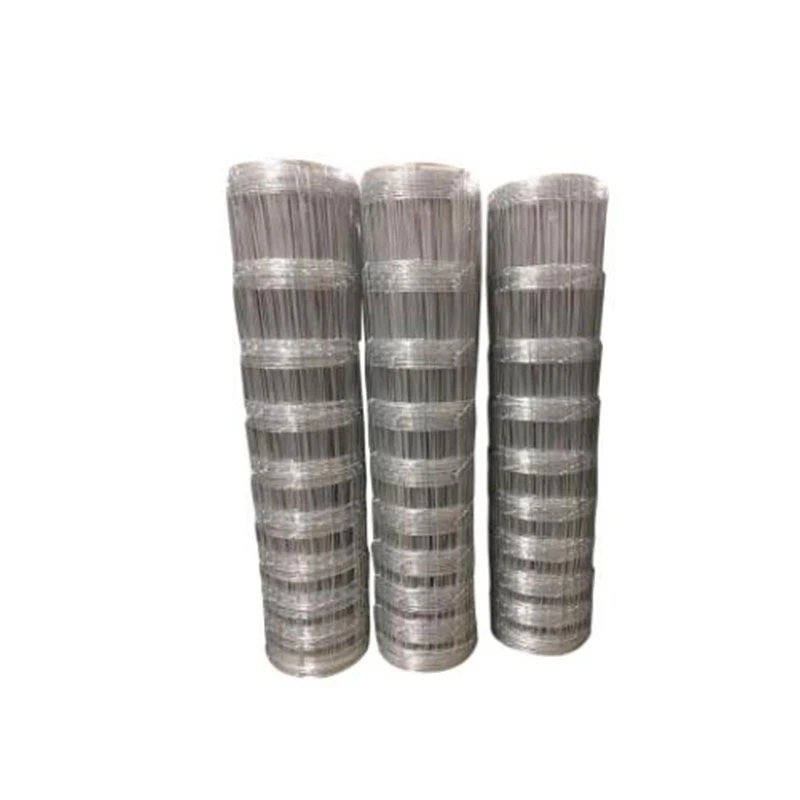
It’s everywhere — quite literally. Agriculture needs it for strong fencing that keeps livestock safe. Utility companies rope it around poles for support and safety. Emergency and humanitarian organizations rely on its quick installation for temporary shelters and infrastructure repair in disaster zones. For example, after cyclones in Southeast Asia, NGOs used it to build fencing and secure supplies fast.
In industrial zones—think mining sites or remote installations—this wire secures equipment and demarcates hazardous zones. And oddly enough, a lot of rail network infrastructure uses it for signal line supports.
If you’re keen to explore detailed options or variants, visit 4 gauge galvanized wire suppliers—they often have a range of custom solutions tailored to local needs.
Mini takeaway: 4 gauge galvanized wire’s versatility spans agriculture, industry, and humanitarian fields worldwide.
What Are the Long-Term Benefits?
Choosing 4 gauge galvanized wire isn’t just about the immediate install. The long-term payoff includes:
- Reduced maintenance costs: Less rust means fewer replacements—big savings over years.
- Reliability & Safety: Trustworthy strength means less unexpected failures, improving safety for workers and communities.
- Environmental edge: Zinc coating reduces steel corrosion, so less metal ends up degraded in landfills.
- Peace of mind: Whether securing livestock or holding up electrical lines, users feel confident in its performance.
In a way, this wire quietly supports entire livelihoods. It’s behind fences that protect crops and homes, supports power that lights villages, and creates barriers that keep people safe.
Emerging Trends: What’s Next for 4 Gauge Galvanized Wire?
There’s a subtle revolution happening. New galvanizing techniques now use eco-friendlier zinc alloys, aiming to reduce environmental impact while boosting longevity. Also, automation in manufacturing improves uniformity, and digital tracking through QR codes for quality assurance is slowly catching on.
With green energy and smart grids booming, galvanized wire’s role in electrical earthing and grounding grounds—literally—will only become more vital. Plus, combined with sensor tech or coatings resisting specific chemicals, it’s poised to stay relevant far beyond the usual horizons.
Mini takeaway: Sustainable coatings and smart manufacturing will drive the next wave of galvanized wire innovation.
Challenges and Solutions in Using 4 Gauge Galvanized Wire
No product is perfect. Galvanized wire faces challenges like potential coating wear when stretched excessively during installation or damage from improper handling. Too-thin coatings can compromise corrosion resistance, leading to early failures.
Solutions? Many engineers stress quality control and training at installation sites. Some vendors now provide enhanced protective layers or pre-stretched wire to limit damage. Combining with protective sleeves in harsh chemical environments also extends life.
So, get wise about supplier certifications and seek expert advice before big projects—it makes a world of difference.
Vendor Comparison: Finding the Right Partner
| Vendor | Typical Coating Thickness (microns) | Tensile Strength (psi) | Customization Options | Price Range (per kg) |
|---|---|---|---|---|
| YJD Wire Mesh Co. | 50-60 | 75,000 - 80,000 | Length, packaging, slight diameter variations | $$ |
| Global Galv Ltd. | 40-50 | 70,000 - 75,000 | Standard lengths, bulk orders | $ |
| SteelPro Supplies | 60-70 (premium zinc alloy) | 80,000 - 85,000 | Custom coatings, color coding | $$$ |
FAQ: Common Questions About 4 Gauge Galvanized Wire
Q1: How does 4 gauge galvanized wire compare to uncoated wire in terms of lifespan?
A1: The zinc coating on galvanized wire dramatically increases lifespan—often 10 to 20 times longer in outdoor settings—by preventing rust and corrosion. Uncoated wire rusts quickly, especially in humid or coastal areas.
Q2: Is 4 gauge galvanized wire suitable for electrical grounding?
A2: Absolutely. Its thickness and corrosion resistance make it ideal for grounding rods and cables. It ensures consistent conductivity and safety over time.
Q3: Can I bend or twist 4 gauge galvanized wire without damaging the coating?
A3: Generally, yes. 4 gauge wire has good flexibility, but overbending or sharp kinks can cause the zinc layer to crack. Careful handling with proper tools prevents damage.
Q4: What factors affect the price of 4 gauge galvanized wire?
A4: Key factors include the zinc coating thickness, steel quality, customization, quantity purchased, and supplier location. Premium coatings or alloyed zinc boost costs but extend durability.
Q5: How do I source 4 gauge galvanized wire internationally?
A5: Many vendors, like YJD Wire Mesh, support global shipping and provide certifications. Ensure compliance with local standards and import regulations for smooth delivery.
Wrapping Up: Why 4 Gauge Galvanized Wire Remains Essential
In a nutshell, 4 gauge galvanized wire is more than just a raw material. It’s a practical, cost-effective, and durable solution for countless industries and humanitarian projects worldwide. Whether you're fencing off farmland, grounding an electrical system, or rebuilding after a storm, this wire quietly holds things together.
If you want to explore the best options in this category or customize your orders, head over to 4 gauge galvanized wire and see what fits your project’s needs. Reliable materials build trusted projects—not everything feels that straightforward, but this one does.