Why 3.15 mm Galvanised Wire Matters Globally
When you think about building resilient infrastructure or securing agricultural lands worldwide, one unsung hero often comes up: 3.15 mm galvanised wire. Sure, it sounds pretty technical and maybe even mundane at first glance, but this wire plays a pivotal role in everything from fencing to construction reinforcements. Globally, as urbanization rises and supply chains tighten, understanding the benefits of 3.15 mm galvanised wire — durable, cost-effective, and corrosion-resistant — is increasingly important. It not only helps industries build longer-lasting solutions but also supports humanitarian projects that rely on reliable, fast-deploy materials.
A Quick Summary
- 3.15 mm galvanised wire is a robust steel wire coated with zinc for corrosion resistance.
- It’s widely used in fencing, construction, and manufacturing across diverse climates.
- Worldwide demand is driven by infrastructure needs and the push for sustainable materials.
The Global Landscape: Where Does 3.15 mm Galvanised Wire Fit In?
Globally, steel production and galvanized coatings are a backbone of modern industry — according to the ISO standards and World Steel Association data, galvanized steel output has been growing steadily to meet demand in developing and industrialized nations alike. Roughly 40% of all wire products are galvanized to resist rust and endure harsh conditions.
But it’s not just industry. For instance, in post-disaster zones or agricultural expansion in areas like Sub-Saharan Africa and Southeast Asia, 3.15 mm galvanised wire assures fences and structural supports stand up to extreme weather. As NGOs and government bodies invest more into infrastructure resilience, the demand for reliable wire products that are simple to transport and easy to install continues to surge.
What Exactly is 3.15 mm Galvanised Wire?
Let’s strip it down: it's steel wire with a diameter of 3.15 millimeters, coated in zinc to prevent corrosion. The zinc acts as a sacrificial layer, meaning it takes the brunt of environmental wear so the core steel stays intact much longer. This particular thickness strikes a balance — it’s robust enough for heavy fencing and security use but thin enough to remain flexible during installation. In simple terms, it's the go-to wire for durable yet manageable protection solutions, whether for industrial yards or rural farms.
Breaking Down the Core Components of 3.15 mm Galvanised Wire
1. Durability
The zinc coating extends the wire’s life to 15-25 years outdoors, depending on climate conditions. Users often remark that even after years of exposure to rain, sun, or salty air, the wire retains strength without becoming brittle.
2. Cost Efficiency
Compared to stainless steel or specialty alloys, this wire provides a low-cost yet reliable solution. The manufacturing process is established worldwide, making it widely available at competitive prices — a real plus for budget-conscious projects.
3. Versatility
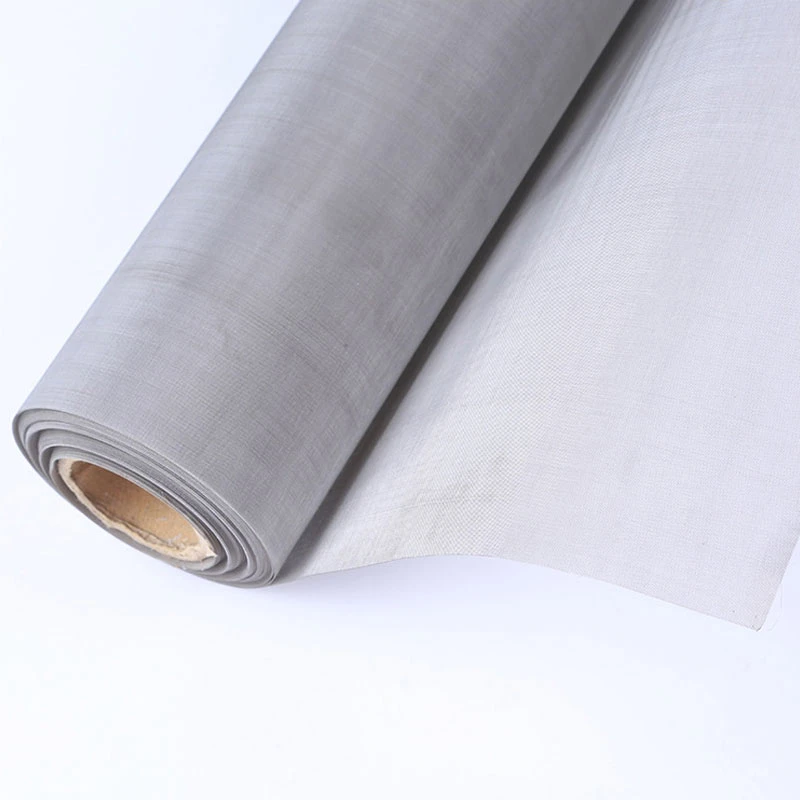
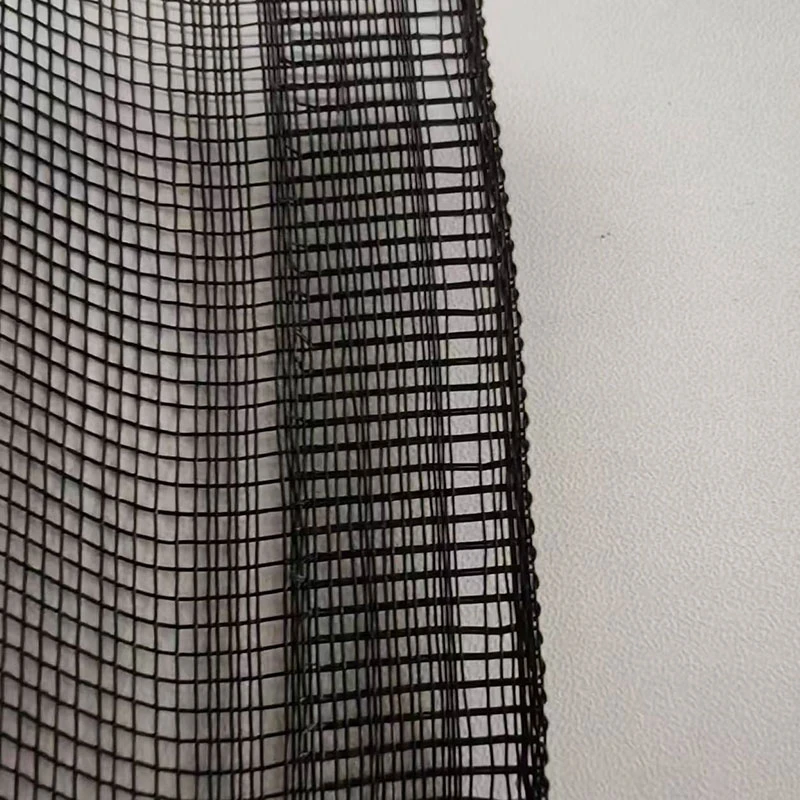
From fencing livestock and garden boundaries to security barriers and cable armoring, 3.15 mm wires adapt well. Plus, it’s easily bent or tied into meshes, making it a favorite for construction and agricultural engineers alike.
4. Safety & Environmental Considerations
The galvanized coating minimizes rust-related failures, which indirectly reduces accidents related to fence breakages or structural weaknesses. Furthermore, because steel is recyclable, many producers promote sustainability efforts aligned with circular economies.
Common Industry Specifications for 3.15 mm Galvanised Wire
| Specification | Details |
|---|---|
| Diameter | 3.15 mm ± 0.02 mm |
| Material | High carbon steel |
| Zinc coating weight | Minimum 60 g/m² |
| Tensile strength | ≥ 450 MPa |
| Standard lengths | 100-250 meters per coil (customizable) |
Real-World Applications and Who’s Using It
The story of 3.15 mm galvanised wire stretches from the sprawling ranches of Australia to secure perimeter fencing around European industrial parks. In real terms, it’s most common in:
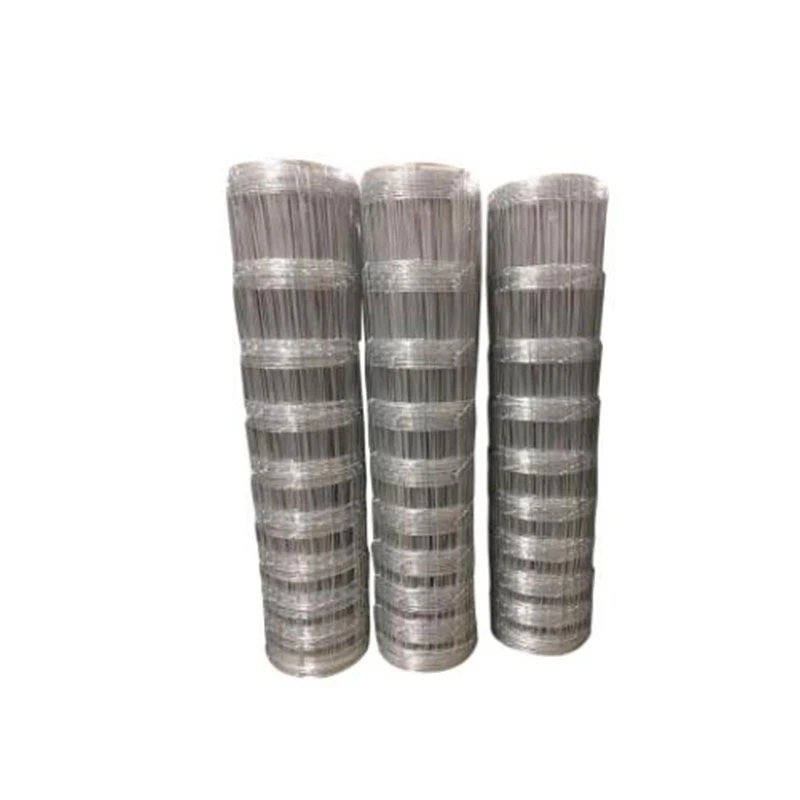
- Agriculture: security fencing to protect crops and livestock, especially in countries with harsh weather.
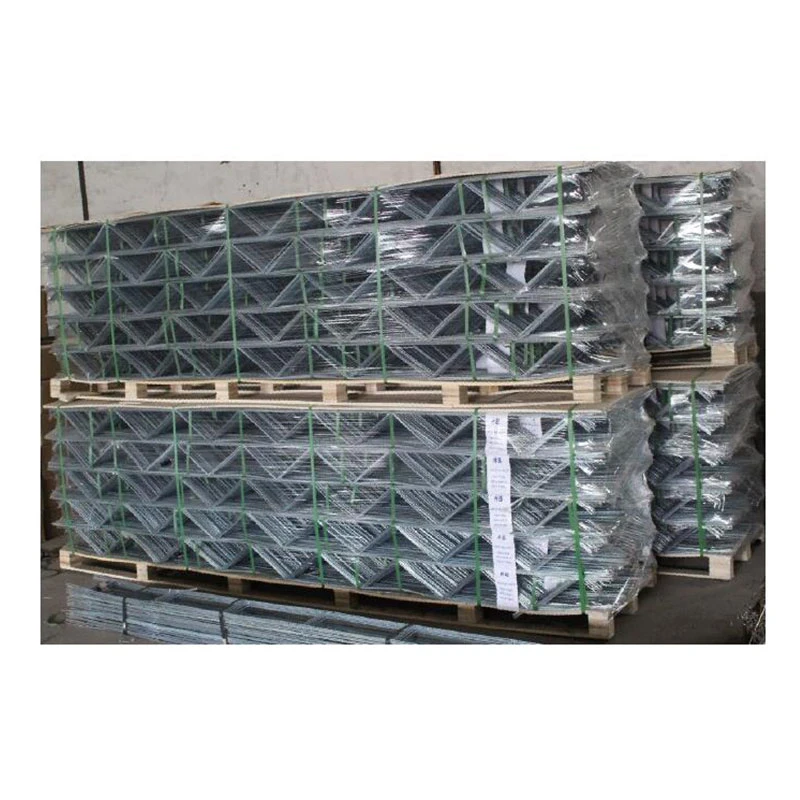
- Construction: used for binding rebar, mechanical fastenings, and in wire mesh.
- Disaster Relief: quick-deploy fencing and barriers in post-flood or cyclone zones to prevent unauthorized access or protect vulnerable communities.
- Utilities and Infrastructure: cable armoring and safety guarding around sensitive equipment.
NGOs providing shelter or boundary materials often rely on 3.15 mm wire because it mixes durability, light weight, and ease of installation — which is essential when skilled labor is scarce.
Advantages of Choosing 3.15 mm Galvanised Wire
I’ve noticed many engineers and planners highlight these benefits:
- Longevity: Reduced maintenance means fewer replacements, saving time and money in the long run.
- Eco-friendliness: Zinc and recycled steel lessen environmental footprints.
- Trust: Users feel safer with a proven product that's stood the test of time.
- Cost Savings: Offers excellent value when balancing initial costs against lifespan.
Emerging Trends & What’s Next for Galvanised Wire
With digital manufacturing tools and automated coating lines, producers are improving quality control, reducing defects, and tailoring zinc coatings for specialized environments. Meanwhile, the green revolution pushes for lower-emission steel production, which will likely affect future galvanising processes — aiming for less waste and better recycling. Oddly enough, some research even looks into bio-based corrosion inhibitors to complement the zinc layer, hinting at a near-future of even longer-lasting wires.
Challenges & Some Clever Fixes
The main limitation? Extreme conditions like marine environments can still corrode galvanized wire over decades. Salt and humidity team up relentlessly. To tackle this, manufacturers sometimes add a polymer overlayer or switch to hot-dip galvanizing for thicker coatings. In places where even that’s not enough, stainless steel or specialized alloys replace galvanized wire — but at a cost premium.
Vendor Snapshot: Comparing Wire Suppliers
| Vendor | Coating Type | Typical Coil Length | Lead Time | Price Range (USD/kg) |
|---|---|---|---|---|
| YJD Wire Mesh | Hot-dip galvanised | 100-200 m per coil | 2-4 weeks | $1.20 - $1.55 |
| GlobalSteel Co. | Electro-galvanised | 150-250 m per coil | 3-5 weeks | $1.05 - $1.45 |
| SteelWire Ltd. | Hot-dip galvanised + polymer dipped | 100-180 m per coil | 1-3 weeks | $1.50 - $1.85 |
FAQ: Your Top Questions About 3.15 mm Galvanised Wire
Q1: How do I choose between hot-dip and electro-galvanised wire?
A: Hot-dip galvanising generally results in thicker and tougher zinc coatings, making it better suited for harsh outdoor applications. Electro-galvanising offers a thinner layer, often preferred for indoor or less corrosive environments. Your specific use case and budget usually guide the choice.
Q2: Can 3.15 mm galvanised wire be cut and bent onsite easily?
A: Yes, this wire thickness is flexible enough for onsite manipulation using common tools like wire cutters and pliers. Its balance of strength and flexibility makes it a favorite for quick installations.
Q3: What factors affect the longevity of galvanised wire?
A: Environmental exposure (salt air, humidity), mechanical wear, and quality of galvanising all impact lifespan. Proper installation and maintenance also play critical roles.
Q4: Is this product recyclable?
A: Absolutely. Steel and zinc are highly recyclable metals. Many suppliers participate in circular economy initiatives encouraging the reuse and recycling of wire scrap.
Wrapping It Up: Why 3.15 mm Galvanised Wire Should Be on Your Radar
Thinking about long-term infrastructural integrity and cost-effectiveness, 3.15 mm galvanised wire is a solid pick (pun intended). Whether safeguarding an agricultural field or reinforcing a construction site, this wire offers proven durability, value, and global availability. If you’re curious or ready to upgrade your material selection, check out options like 3.15 mm galvanised wire and see how it can fit your project goals.
At the end of the day, the quiet power of a well-made wire often goes unnoticed until something fails without it. That’s the kind of reliability everyone wants.