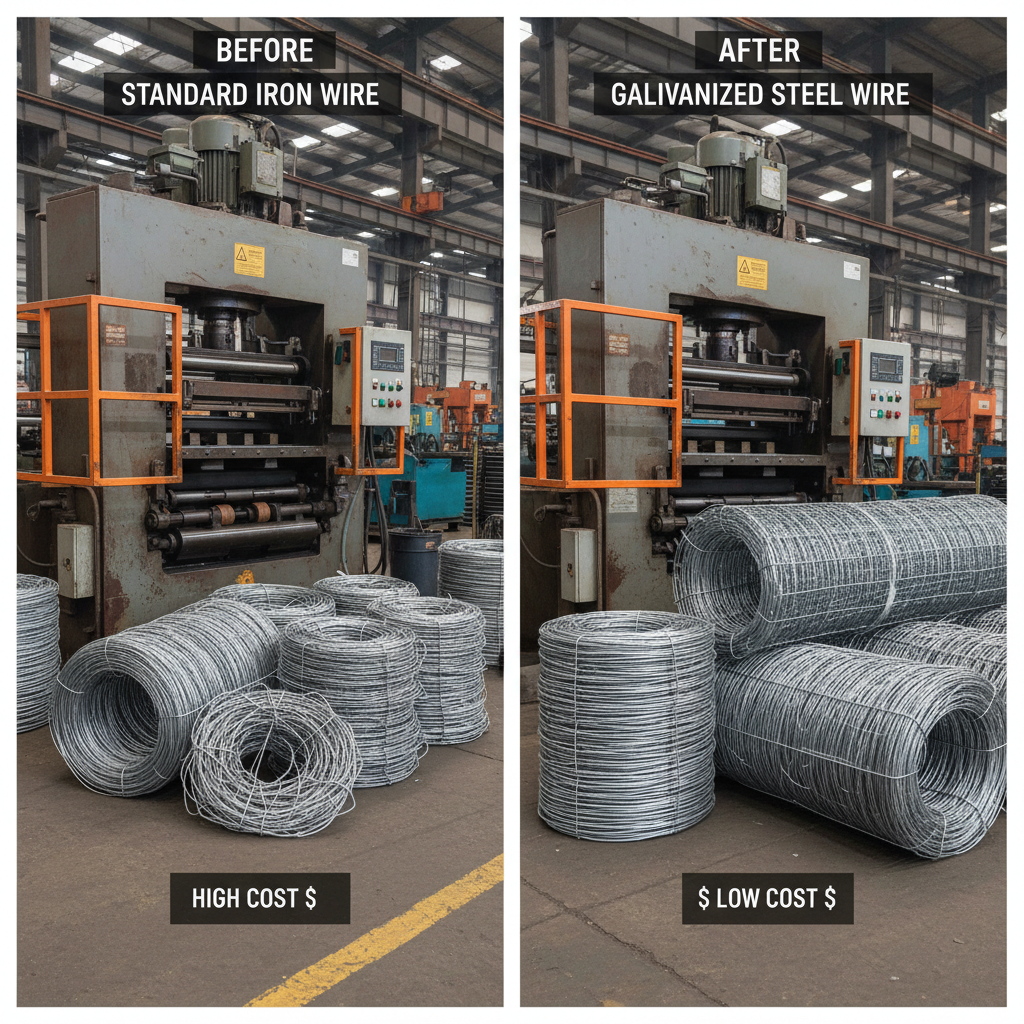
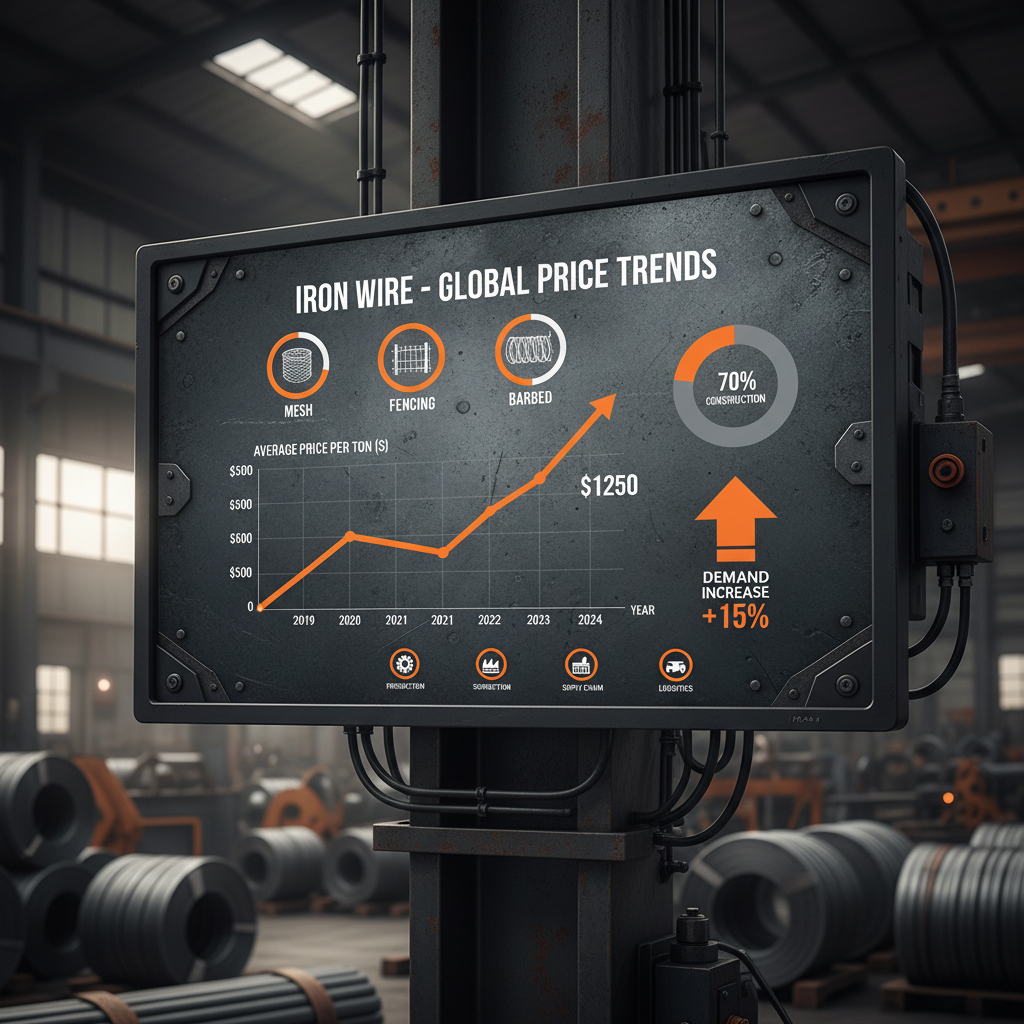
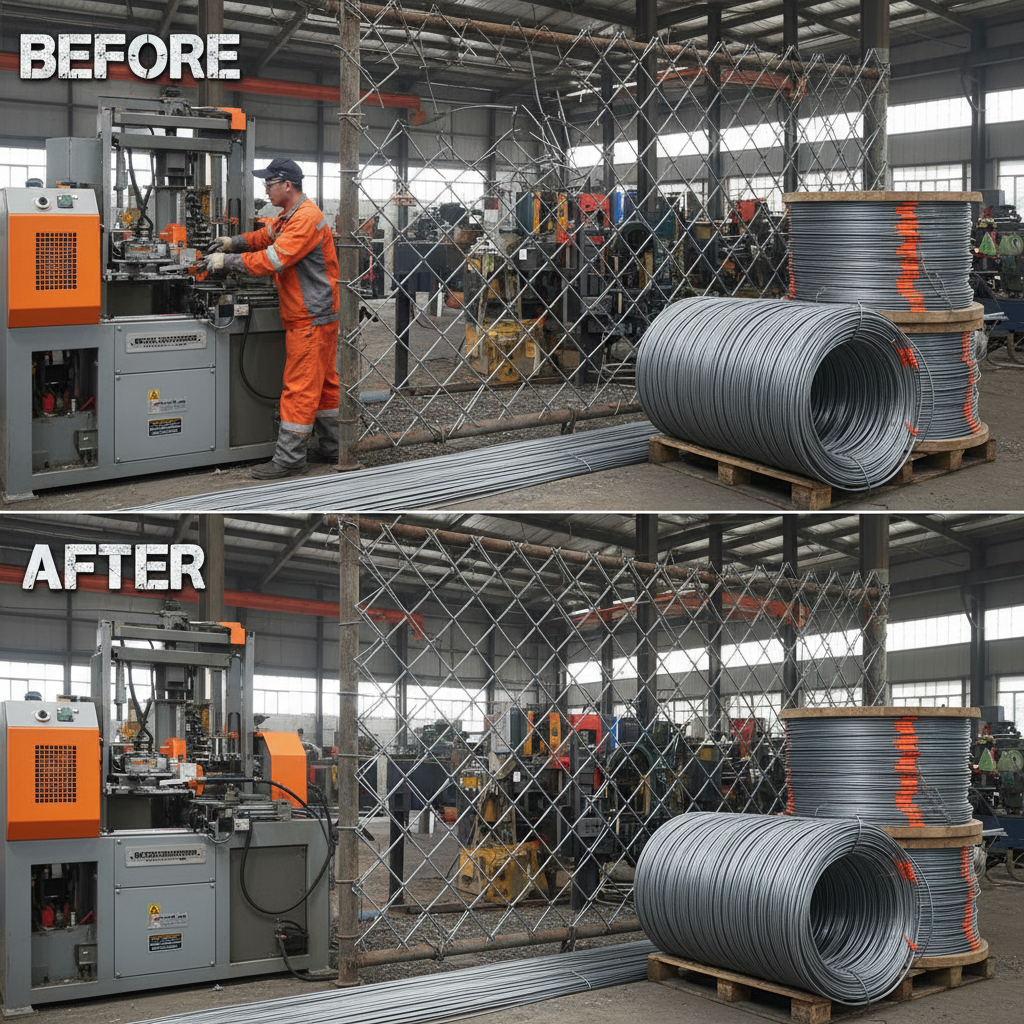
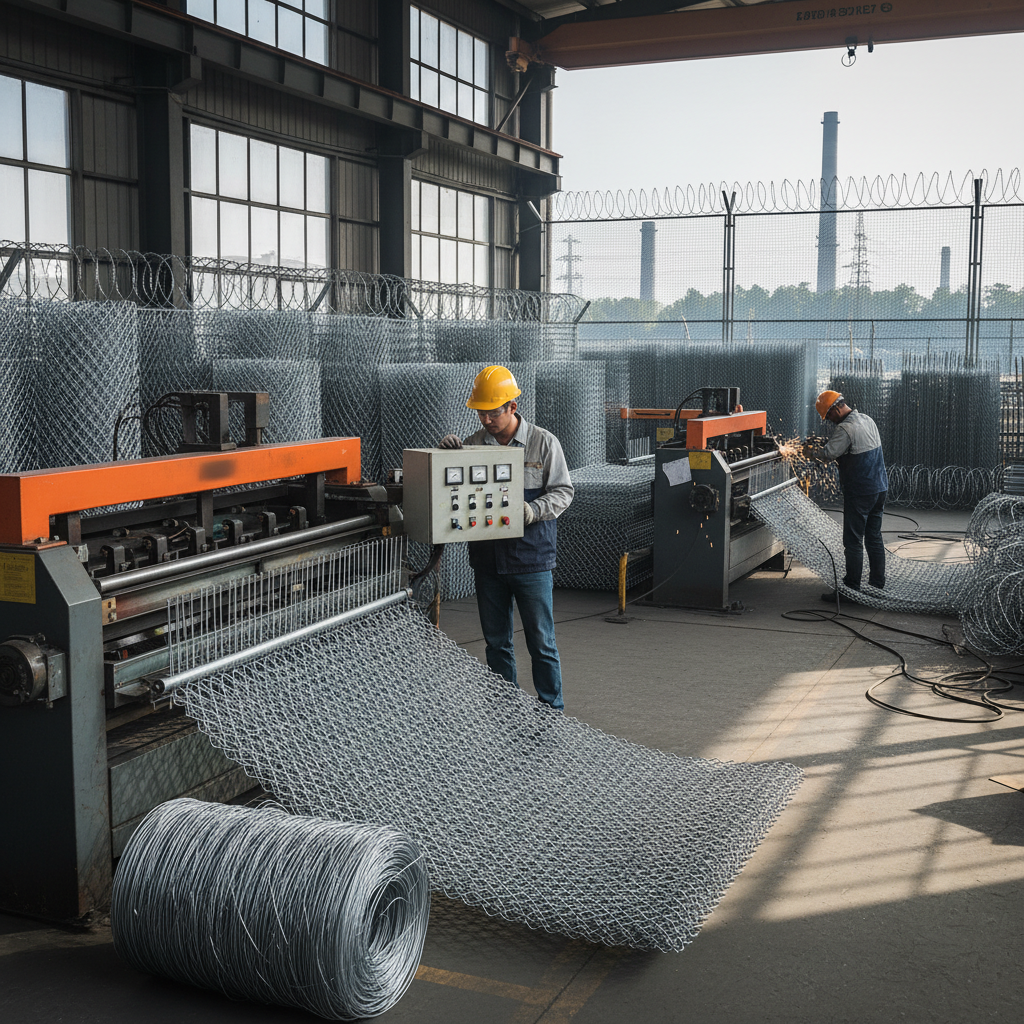
The price of iron wire – it seems simple, right? Just a commodity. But after years spent on construction sites, wrestling with rebar, talking to engineers, and frankly, getting my hands dirty, I can tell you it’s anything but simple. It’s the backbone of so much we build, and even seemingly small fluctuations in the price of iron wire can ripple through an entire project, impacting timelines, budgets, and ultimately, the structures we rely on. Understanding those factors – the global market, the raw material costs, even shipping – isn’t just good business; it’s essential for building things that last.
We’re not talking about abstract economics here. This is about real-world consequences. Delays caused by unexpected price hikes translate to lost time and money for contractors, potentially impacting smaller subcontractors and workers. Poor-quality wire, often a result of trying to cut costs, can compromise the structural integrity of a building or bridge. I’ve seen it happen, and it's a mess. That's why knowing the intricacies of the price of iron wire isn’t just for procurement departments; it's for anyone involved in construction.
The market's volatile, that’s the truth. Demand from developing nations is constantly increasing, and geopolitical events can throw a wrench into supply chains overnight. I’ve had projects stalled waiting on shipments. Learning to navigate these challenges, to anticipate price swings and find reliable suppliers, is the key to keeping projects on track and ensuring quality construction. It's a constant balancing act, and it requires a deep understanding of the market.
The Significance of the price of iron wire in Modern Construction
From skyscrapers to bridges, highways to residential foundations, iron wire is foundational. It’s the reinforcing element that gives concrete its tensile strength, allowing us to build taller, longer, and more resilient structures. The price of iron wire is a leading indicator of overall construction costs – a spike means projects get delayed or scaled back. It's the first thing I check when budgeting a job. We’re talking about a material that's utterly critical, and its price sensitivity dictates the feasibility of a huge number of projects.
Looking at it practically, a minor shift in the price of iron wire can push a project over budget, forcing difficult decisions. Do you compromise on material quality? Do you cut corners on labor? These aren’t hypothetical scenarios; they’re real choices project managers face every day. And often, those choices have long-term consequences. A structurally compromised building isn't just a financial loss, it's a safety hazard.
Defining the price of iron wire: A Practical Perspective
When we talk about the price of iron wire, we’re really talking about the cost of various gauges and grades of steel wire used for reinforcement. Different projects need different strengths and diameters. It's not just a single price point. It's also about the form it's delivered in – coils, cut lengths, pre-fabricated cages – each with its own handling and labor costs. I’ve seen price differences just based on how it’s packaged.
From where I stand, the price also includes transportation. Steel mills aren’t always located near construction sites, so getting it where it needs to be adds significantly to the overall cost. Fuel prices, trucking availability, and even port congestion play a role. price of iron wire is a complex equation with a lot of moving parts.
Ultimately, defining the price of iron wire isn't about a simple per-ton figure; it's about the total landed cost – the final amount paid at the job site, including all associated expenses. That's the number that matters when you're trying to make a project pencil out.
Key Factors Influencing price of iron wire Fluctuations
The biggest driver is, without a doubt, the cost of iron ore. That's the raw material. Global demand from countries like China and India has a massive impact. When their economies are booming, the price of iron ore – and consequently, iron wire – goes up. Then you have energy costs. Steelmaking is energy-intensive, so fluctuations in electricity and natural gas prices affect production costs.
Trade policies and tariffs are huge. Imposing tariffs on imported steel can drive up domestic prices. Currency exchange rates matter too. A weakening dollar makes imported steel more expensive. And let’s not forget the weather. Severe weather events can disrupt mining operations and transportation networks, creating supply bottlenecks. I’ve lost count of how many times a hurricane has thrown a project schedule into chaos.
Finally, and this is something often overlooked, speculation in the commodities market can artificially inflate prices. Investors betting on future price increases can drive up demand, even if there's no fundamental change in supply and demand. It's a complex interplay of forces, and staying on top of them requires constant monitoring.
Global Applications and the price of iron wire Impact
The demand for iron wire is global, and it's growing. Massive infrastructure projects in developing nations are consuming huge amounts of steel. Look at the Belt and Road Initiative, for example – it’s driving demand across Asia and Africa. In post-disaster relief operations, iron wire is critical for building temporary shelters and reinforcing damaged structures. I've been involved in projects where speed is of the essence, and having a reliable supply chain for iron wire is paramount.
Even in developed countries, infrastructure spending is a major driver. Bridge repairs, highway construction, and building renovations all require significant quantities of iron wire. The energy sector also relies on it – for wind turbine foundations and power transmission towers. And don't forget about the agricultural sector, where it's used for fencing and irrigation systems.
Comparative price of iron wire Application Costs
Advantages of Understanding price of iron wire Trends
Knowing where the price of iron wire is headed allows for better project budgeting and risk management. You can lock in prices through forward contracts, hedge against future price increases, and make informed decisions about material substitutions. I've saved clients tens of thousands of dollars just by anticipating price spikes.
It also allows you to negotiate more effectively with suppliers. If you understand the market dynamics, you can push for better pricing and terms. And it helps you identify potential supply chain disruptions and develop contingency plans. Being prepared is half the battle.
Future Trends and Innovations Affecting price of iron wire
We're seeing a growing interest in sustainable steel production – using recycled materials and reducing carbon emissions. This "green steel" is currently more expensive, but as demand increases and technology improves, it's likely to become more competitive. The price of iron wire will be tied to this sustainability shift.
Automation in steel mills is also increasing efficiency and lowering production costs, which could eventually translate to lower prices for iron wire. And digital supply chain technologies – blockchain, for example – are improving transparency and traceability, reducing the risk of fraud and counterfeit materials.
Expect to see more sophisticated forecasting models that use machine learning to predict price fluctuations. These models will take into account a wider range of data points than ever before, providing more accurate insights into future price trends.
Challenges and Solutions in price of iron wire Management
One of the biggest challenges is the lack of transparency in the steel market. It can be difficult to get accurate and reliable price information. Another challenge is the volatility of shipping costs, which can fluctuate wildly depending on global events. Then there's the issue of quality control – ensuring that the iron wire meets the required specifications.
The solution lies in building strong relationships with reliable suppliers, diversifying your supply chain, and using technology to track prices and monitor market trends. Implementing robust quality control procedures is also essential. And investing in training for your procurement team can help them make more informed decisions. price of iron wire requires a proactive approach.
Finally, embracing collaborative partnerships with suppliers and clients can lead to more predictable pricing and better risk sharing. It's about building trust and working together to navigate the complexities of the steel market.
Summary of Challenges and Solutions for Optimizing price of iron wire Management
| Challenge |
Impact on price of iron wire |
Solution |
Implementation Difficulty (1-10) |
| Market Opacity |
Difficulty in accurate price assessment |
Develop strong supplier relationships |
6 |
| Shipping Volatility |
Unpredictable transportation costs |
Diversify shipping partners |
7 |
| Quality Control Issues |
Potential structural integrity compromises |
Implement rigorous testing protocols |
8 |
| Geopolitical Instability |
Supply chain disruptions |
Maintain safety stock |
5 |
| Raw Material Price Fluctuations |
Increased production costs |
Forward contracts & hedging |
9 |
| Lack of Market Transparency |
Difficulty in price forecasting |
Utilize data analytics & market intelligence |
7 |
FAQS
Currently, the primary drivers are soaring iron ore prices due to increased demand from China and India, coupled with rising energy costs in steel production. Global supply chain disruptions caused by geopolitical events and logistical bottlenecks are also playing a significant role. It's a complex interplay, but those are the big three.
The best defense is a proactive approach. Lock in prices through forward contracts with reputable suppliers, diversify your supply chain to reduce reliance on a single source, and build contingency plans into your budget to account for potential price fluctuations. Staying informed about market trends is also crucial.
“Green steel” refers to steel produced using sustainable methods, such as recycled materials and renewable energy sources. Currently, it’s more expensive to produce than traditional steel. However, as demand for sustainable construction materials grows, and as production technologies improve, green steel is expected to become more competitive, potentially influencing the overall price of iron wire.
Several industry publications and commodity market websites provide price tracking and analysis. Consulting with steel brokers and suppliers can also provide valuable insights. Remember to cross-reference information from multiple sources to get a well-rounded view of the market.
Different gauges (thickness) and grades (strength) of iron wire are required for different applications. Higher grades of steel and thicker gauges generally cost more due to the increased material and production requirements. Selecting the appropriate wire for your specific project needs is critical for both structural integrity and cost-effectiveness.
A weakening domestic currency makes imported iron wire more expensive, as it requires more of that currency to purchase the same amount of steel. Conversely, a strengthening currency can lower import costs. Monitoring currency exchange rates is important when sourcing iron wire from international suppliers.
Conclusion
Understanding the price of iron wire isn’t just about numbers on a spreadsheet; it's about understanding the entire construction ecosystem. From raw material sourcing to global logistics, from market speculation to sustainability trends, it’s a complex web of interconnected factors. Those who take the time to learn these intricacies are better equipped to manage risk, control costs, and deliver successful projects.
Looking ahead, embracing technology, fostering collaboration, and prioritizing sustainability will be key to navigating the evolving landscape of the iron wire market. By staying informed, proactive, and adaptable, we can ensure the continued availability of this essential building material and build a more resilient and sustainable future. For competitive pricing and reliable supply, visit us at www.yjdwiremesh.com.