Aluminum Window Screen: what pros actually specify (and why)
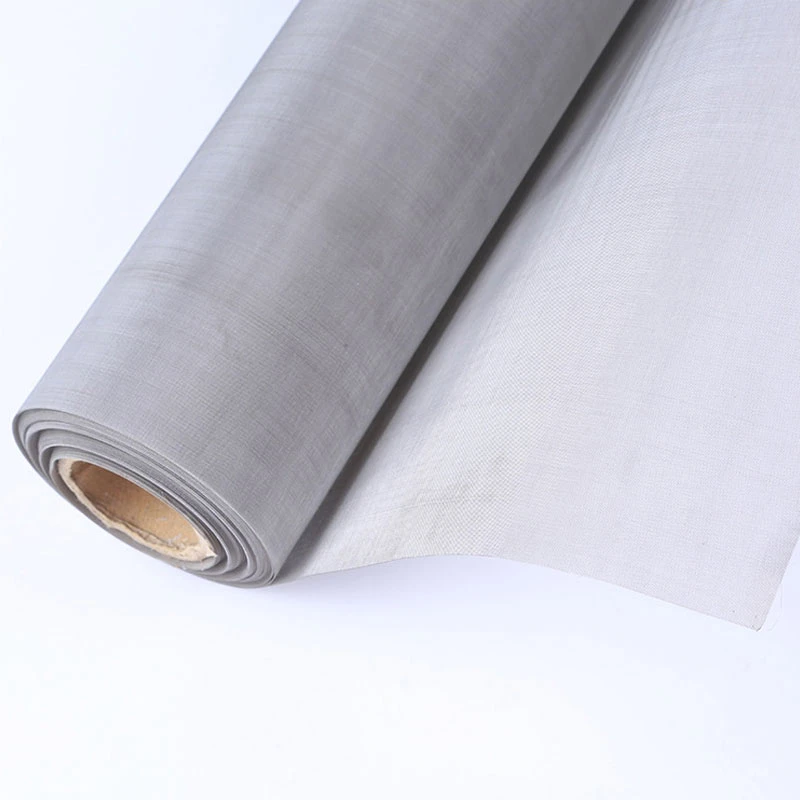
If you’ve ever compared mesh in a coastal condo versus a farmstead mudroom, you know screens aren’t all equal. The Aluminum Window Screen category keeps evolving—quietly, but decisively—with coatings, tighter QC, and smarter sizing. From my site visits in Shenze’s Building Material Production Base (Shijiazhuang, Hebei), where this stuff is drawn, woven, and leveled, the uptick in demand is real.
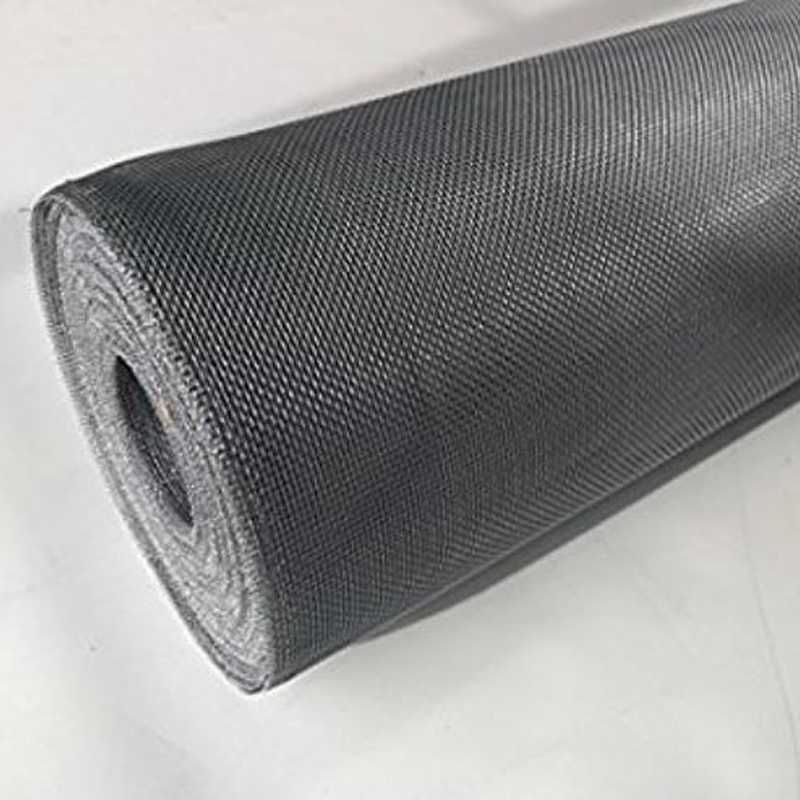
What’s trending right now
-
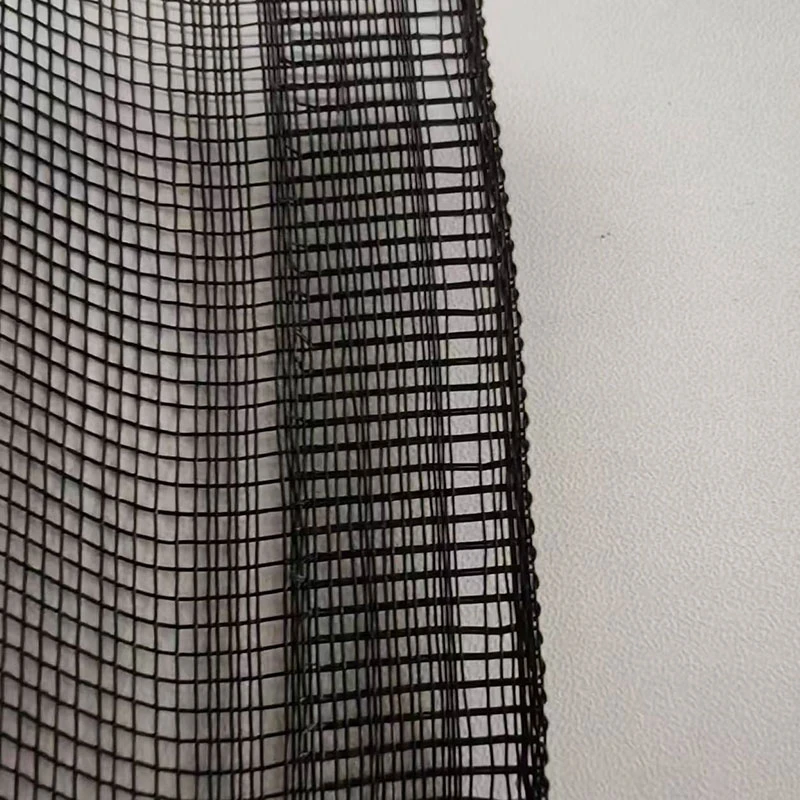
- Darker powder coats (charcoal/black) for better view-through and glare reduction.
- Shift from fiberglass to Aluminum Window Screen in high-sun and pest-heavy regions—less sag, better fire resistance.
- Tighter tolerance weaving per ISO/ASTM methods; more consistent airflow numbers.
- Sustainability push: recyclable alloy and longer service life, especially around coastal salt.
Core specs (plain-weave, uniform apertures)
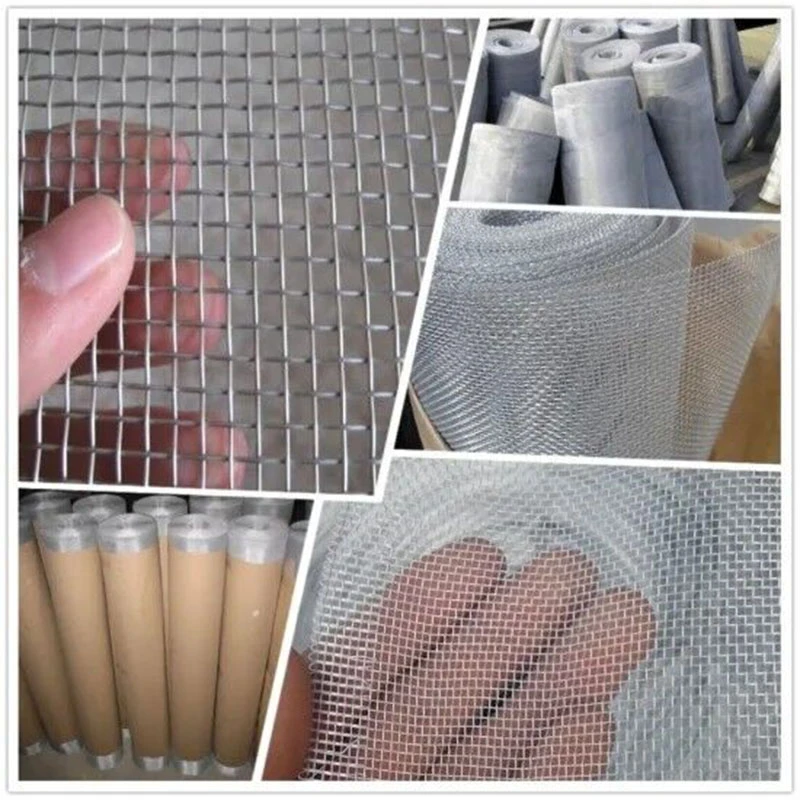
| Mesh count (typ.) | 18×16; 18×14; 20×20 (fine) |
| Wire diameter | ≈0.25–0.30 mm (real-world use may vary) |
| Open area | ≈58–68% depending on mesh/wire |
| Alloy/temper | 3003-H14 or 5052-H14 aluminum (common industry choices) |
| Finish/colors | Natural Al, epoxy/polyester coated: silver, charcoal, black |
| Roll sizes | Width ≈ 0.8–1.5 m; length 30 m (custom on request) |
How it’s made (the short version)
Materials: Al-Mg or Al-Mn alloy rod → wire drawing → anneal/temper → plain weaving → leveling → cleaning → optional powder/epoxy coat → slit & roll → QC.
Testing: mesh count/diameter per ISO 9044 / ASTM E2016; coating durability via AAMA 2604; corrosion via ASTM B117 salt spray. Service life: ≈10–15 years outdoors; longer in mild inland climates (I’ve seen 18+ years on shaded porches).
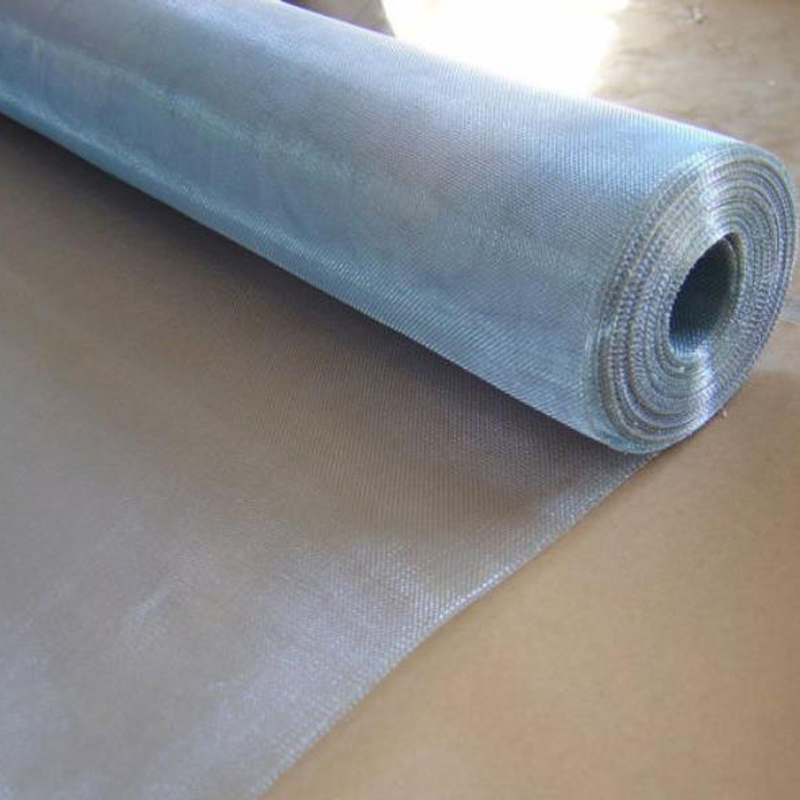
Where it’s used (and why it works)
-
- Residential windows/doors, porch enclosures, soffit vents
- Coastal hotels and hospitals (non-rust, easy sanitizing)
- Food-service prep zones (insect control without chemicals)
- RVs/tiny homes—lightweight, keeps view clear
Advantages: non-corrosive, non-rust; better dimensional stability than fiberglass; fire-safe; clean view-through. Not “pet-proof,” but many customers say it survives occasional claw swipes better than fiberglass.
Vendor snapshot (quick compare)
| Vendor | Lead time | Certs | Customization | Notes |
|---|---|---|---|---|
| YJD Wire Mesh (Shenze, Hebei) | ≈7–15 days | ISO 9001; RoHS/REACH (on coating) | Mesh, color, width, roll length | Factory QC; batch test reports |
| Local home-center | Same-day | Basic supplier docs | Limited colors/sizes | Convenient, small rolls |
| Generic importer | ≈20–30 days | Varies | Some options | Pricing-driven, check QC |
Real-world installs
Aluminum Window Screen retrofit, coastal hotel (Xiamen): 18×16, black epoxy. After 500 h ASTM B117 equivalent lab test: no blistering; field check at 14 months showed zero red rust (expected), minor airborne salt film—wiped clean.
Agritourism cabins (Midwest, US): charcoal 20×20 for gnats. Guests reported “noticeably fewer midges;” maintenance liked the stiffer feel during spline installation.
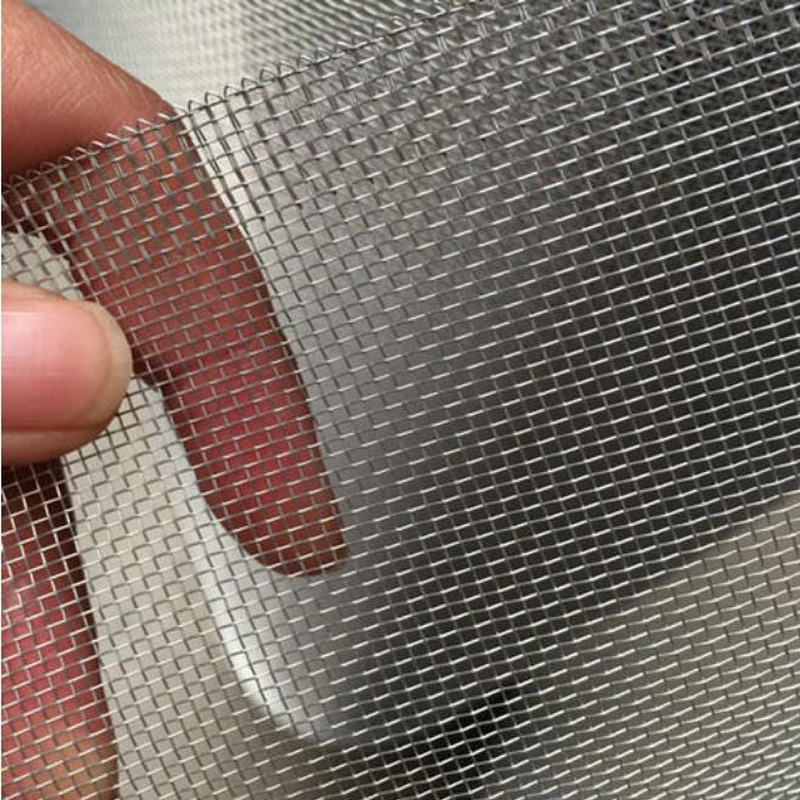
Customization checklist
-
- Mesh: 18×16 (balanced), 20×20 (fine insects), 18×14 (max airflow)
- Coating: natural, epoxy, or polyester powder (AAMA 2604-grade for UV durability)
- Width/length: match frame yield to reduce waste
- Color: charcoal for view-through; silver for heritage looks
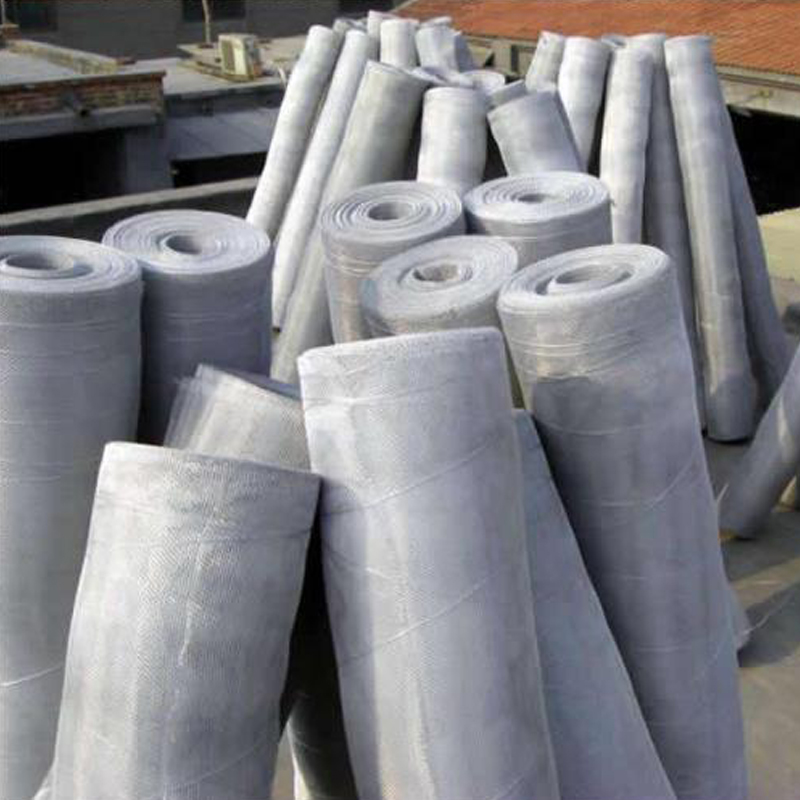
Final note: it seems simple, but screens sit at the intersection of airflow, optics, and corrosion science. Choose spec, not lore. From Origin: Building Material Production Base Shenze, Shijiazhuang, Hebei, China, these lines have quietly set a bar many fabricators now follow.