Barbed Nails for Perimeter Security: An Insider’s Quick Guide
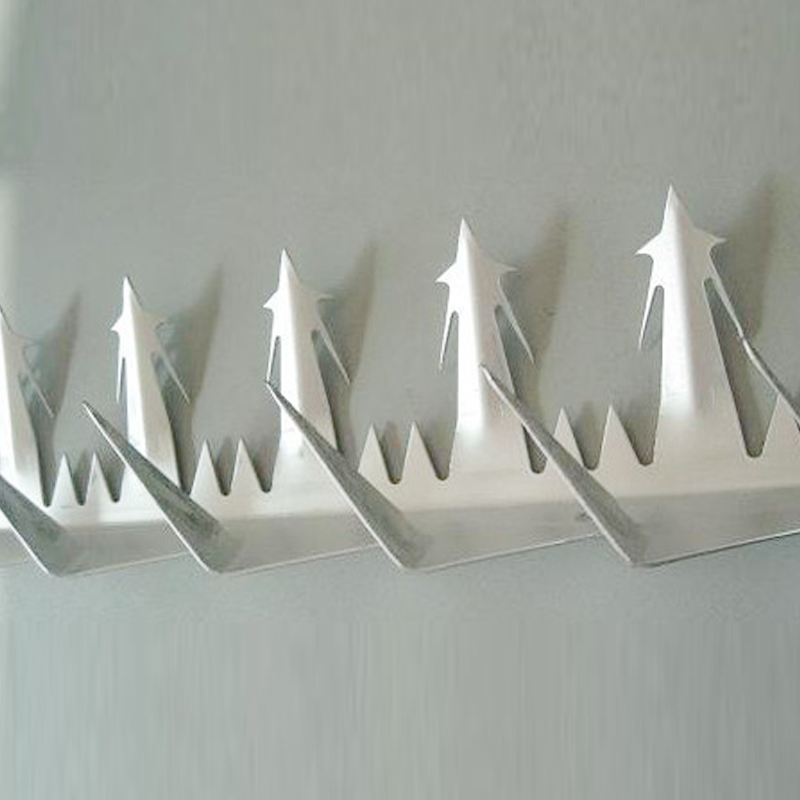
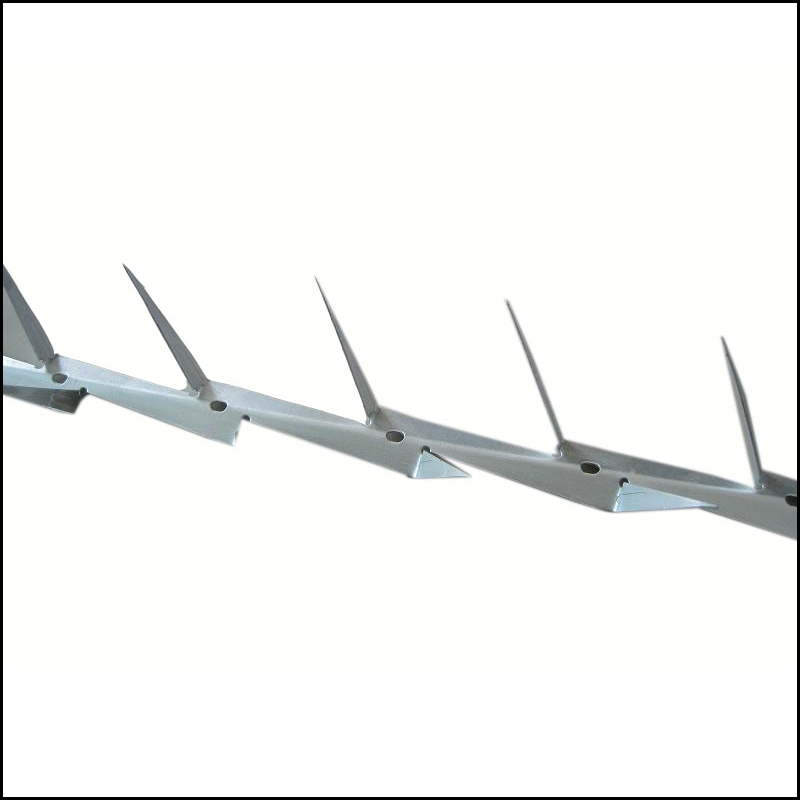
If you’re weighing up Barbed Nails for fences and wall edges, here’s the straight talk from the field. At origin, this range comes out of the Building Material Production Base in Shenze, Shijiazhuang (Hebei, China)—a cluster that’s earned a reputation for consistent steel processing and, frankly, some very pragmatic pricing. In practice, these spike-style systems (some folks loosely call them “wall spikes”) are installed on masonry caps, metal fences, or even gutters to deter climbing without bulky razor wire.
Industry snapshot and where it’s heading
Demand is shifting to low-visual, high-durability anti-climb hardware. Coating tech (hot-dip galvanizing, powder topcoats) and stainless grades are leading the charge. In fact, facility managers want less maintenance and more predictable life cycles—no drama, just longevity. Many customers say they prefer modular strips that retrofit to existing walls in under an hour.
Technical makeup and process flow
- Materials: stainless steel (304/316), galvanized steel strip, aluminum, and UV-stabilized plastic options.
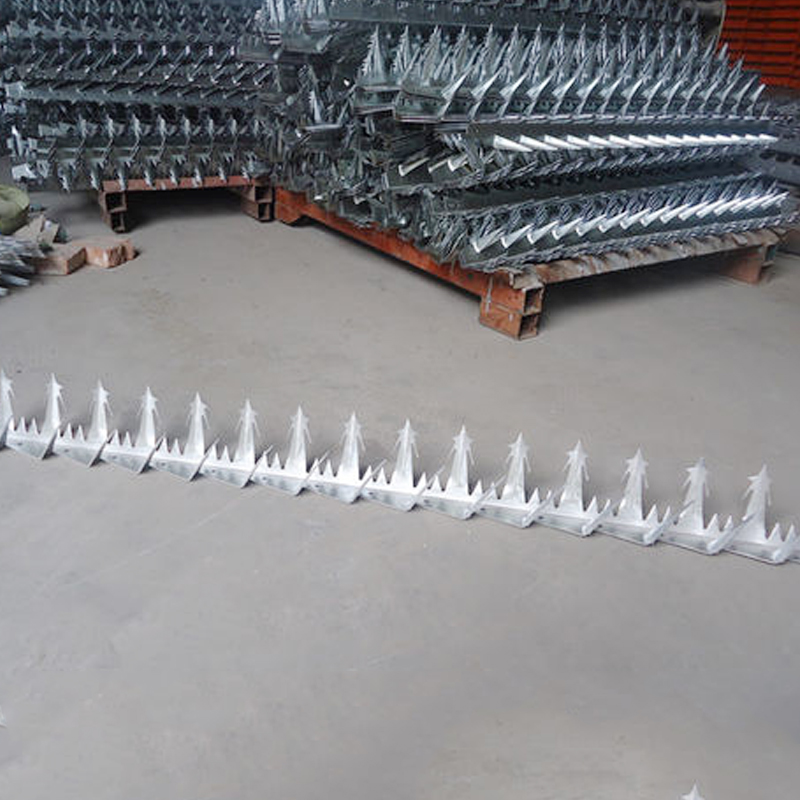
- Manufacture: strip slitting → stamping/punching → deburring → optional heat treatment → galvanizing or passivation → powder coating (as needed) → QC → packaging.
- Testing: ASTM F1667 (nail/spike classification), ASTM B117 / ISO 9227 salt spray for coatings, ISO 2409 cross-cut adhesion, dimensional checks per in-house SOPs.
- Service life (real-world may vary): galvanized ≈ 8–15 yrs; powder over zinc ≈ 12–18 yrs; 304 SS ≈ 15–25 yrs; 316 SS in coastal ≈ 20+ yrs.
| Parameter | Spec |
|---|---|
| Strip length | 500–1200 mm |
| Strip width / thickness | 20–50 mm / 0.8–2.0 mm |
| Barb height / pitch | 20–85 mm / 40–120 mm |
| Materials | SS304/316; galvanized steel; aluminum; UV PC |
| Coatings | HDG (ISO 1461); powder coat (RAL colors) |
| Mounting | Pre-punched holes; screw/anchor/adhesive options |
Applications and field feedback
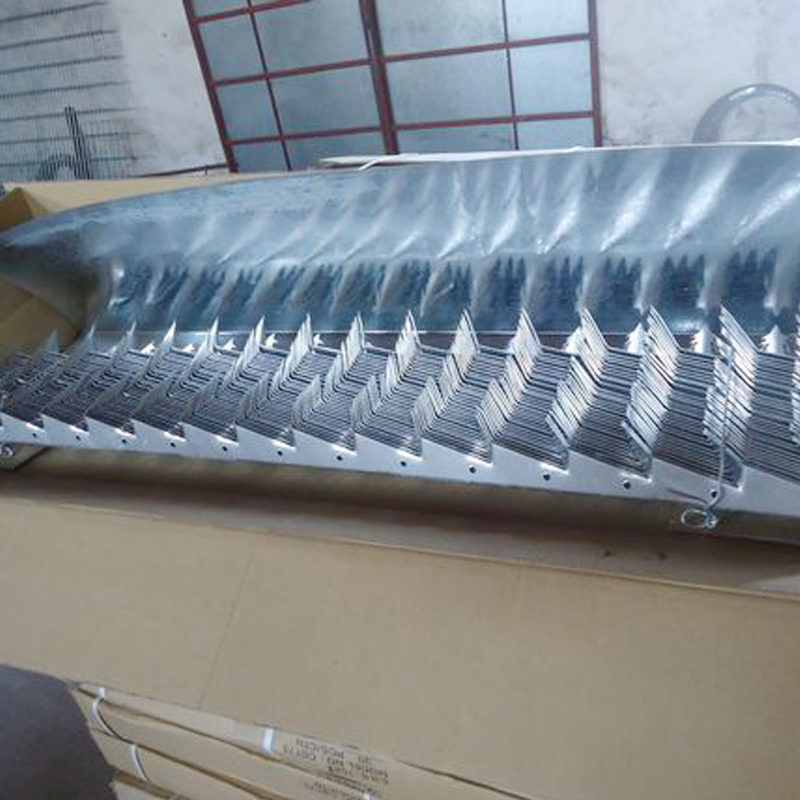
You’ll see Barbed Nails along logistics parks, substations, schools (fence tops), residential perimeters, and—surprisingly—on warehouse gutters where ladders tend to land. A facilities client told us install time averaged ≈ 10–15 minutes per meter on concrete caps with pre-drilled anchors. Another noted a 35–50% drop in fence-scaling incidents after upgrading from simple V-bar.
Vendor landscape (quick take)
| Vendor | Materials | Coating spec | Lead time | Certs |
|---|---|---|---|---|
| YJD Wire Mesh (Shenze) | SS304/316, HDG steel, aluminum, UV PC | HDG ISO 1461; powder per ISO 2409 | ≈ 10–20 days | ISO 9001; RoHS/REACH coating compliance |
| Coastal Importer A | SS304, painted steel | Painted; limited zinc | ≈ 30–40 days | ISO 9001 (declared) |
| OEM B (budget) | Low-carbon steel | Electro-galv (thin) | ≈ 20–35 days | None disclosed |
Customization and performance data
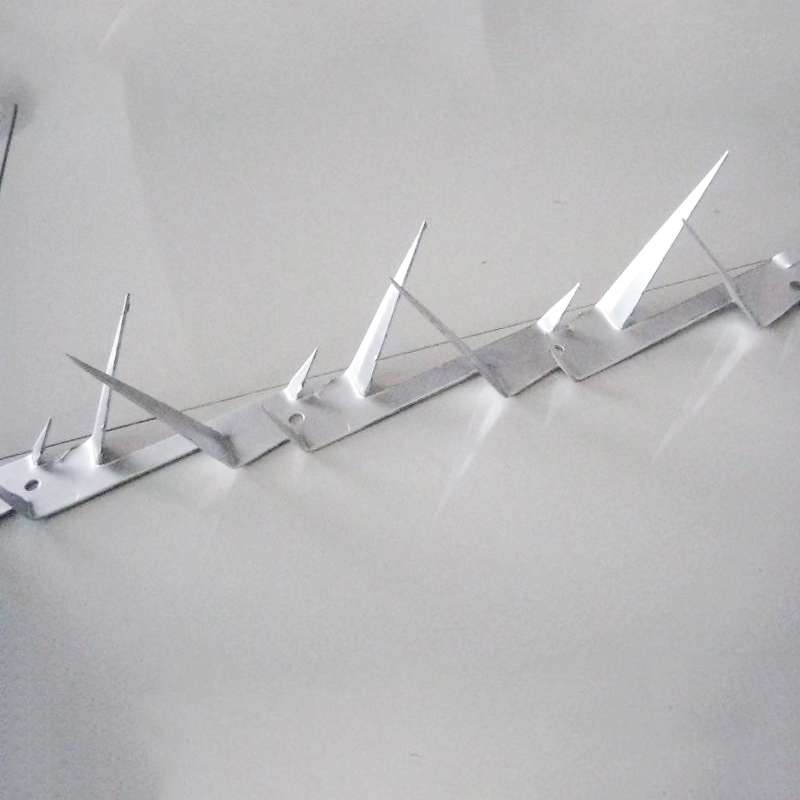
- Barb geometry: low-profile (urban) or “shark” aggressive patterns.
- Colors: RAL 6005, 7016, 9005, etc., to blend with fence lines.
- Hole spacing: around 100–200 mm; custom templates for faster installs.
- Salt spray (neutral): galvanized ≥ 240 h; powder-over-zinc ≥ 500 h; 316 SS ≥ 1000 h (lab data; field varies).
Two quick case notes
Logistics hub, ASEAN—1.2 km of Barbed Nails on precast walls. Result: incident reports down 47% in 6 months; zero coating failures in monsoon season. Residential complex, EU—powder-coated Barbed Nails in RAL 7016 on steel palisade. Manager feedback: “Discreet, tidy finish; residents stopped complaining about razor wire.”
Final tip: specify environment-first. For coastal sites, go 316 stainless or powder-over-HDG. For dry inland walls, galvanized is often the sweet spot. And yes, double-check local regs; some cities set rules on anti-climb hardware height and visibility.
Authoritative references
- ASTM F1667 – Standard Specification for Driven Fasteners: Nails, Spikes, and Staples.
- ISO 1461 – Hot dip galvanized coatings on fabricated iron and steel articles.
- ASTM B117 / ISO 9227 – Salt spray (fog) testing for corrosion resistance.
- ISO 2409 – Paints and varnishes — Cross-cut test for coating adhesion.