A Field Report on Barbed Nails: specs, use-cases, and what buyers actually ask
If you work in perimeter security or timber fabrication, you’ve probably had that moment: a fastener that won’t hold under vibration, weather, or—let’s be honest—determined tampering. That’s exactly where Barbed Nails still punch above their weight. I’ve toured plants from coastal yards to the Building Material Production Base in Shenze, Shijiazhuang, Hebei, China, and the story is consistent: demand for higher withdrawal resistance and better coatings is rising, fast.
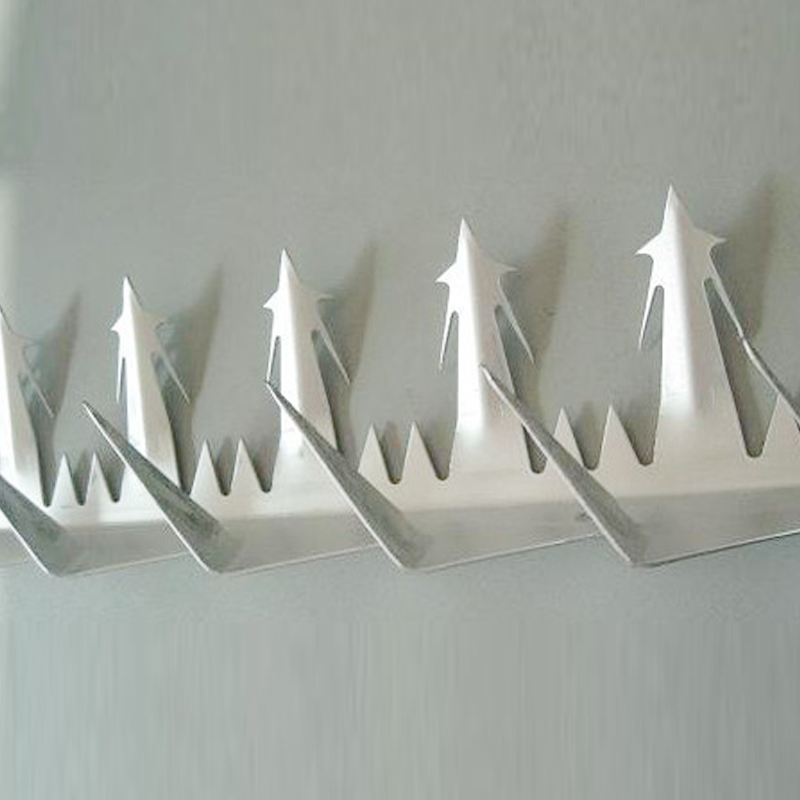
Industry snapshot
Three currents define the market right now: tougher anti-corrosion specs (hot-dip galvanizing and 316 stainless), integration with security hardware (think wall-spike strips and anti-climb fixtures), and simpler installation for crews working on prefab fence panels and site retrofits. Surprisingly, plastics and aluminum show up in the spike systems themselves, but fastening is still dominated by steel Barbed Nails for the grip you can count on.
Core specifications (typical)
| Material | Low-carbon steel wire (≈ Q195/Q235), 304/316 stainless |
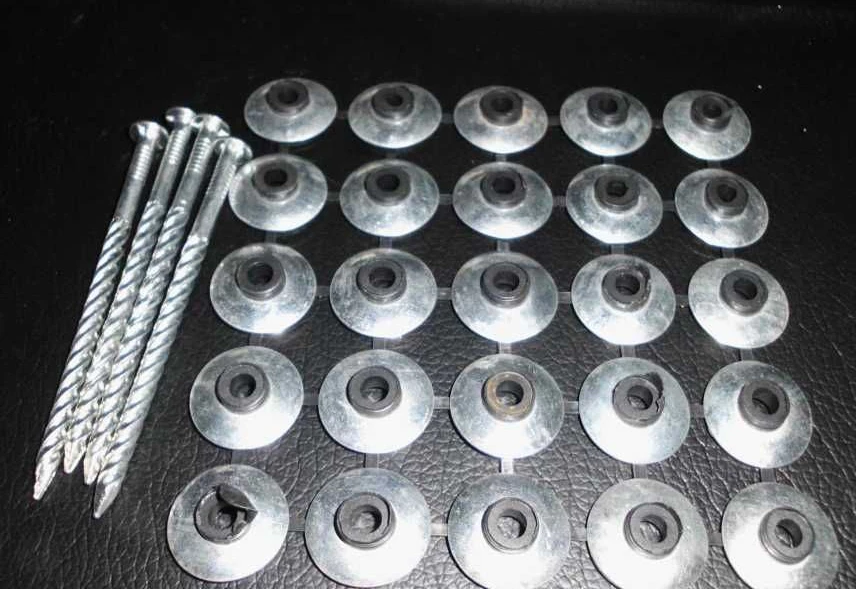
| Shank | Annular/barbed profile for high withdrawal resistance |
| Head / Point | Flat or countersunk / diamond point |
| Diameter × Length | 2.5–4.5 mm × 25–100 mm (custom on request) |
| Coatings | Electro-galv (≈8–12 μm), hot-dip galv (≈40–70 μm), plain, black oxide |
| Tensile strength | ≈ 600–900 MPa (wire-drawn steel); real-world use may vary |
| Salt-spray (typ.) | Electro-galv ≈ 120–240 h; hot-dip ≈ 480–720 h; 316 SS > 1000 h (ISO 9227) |
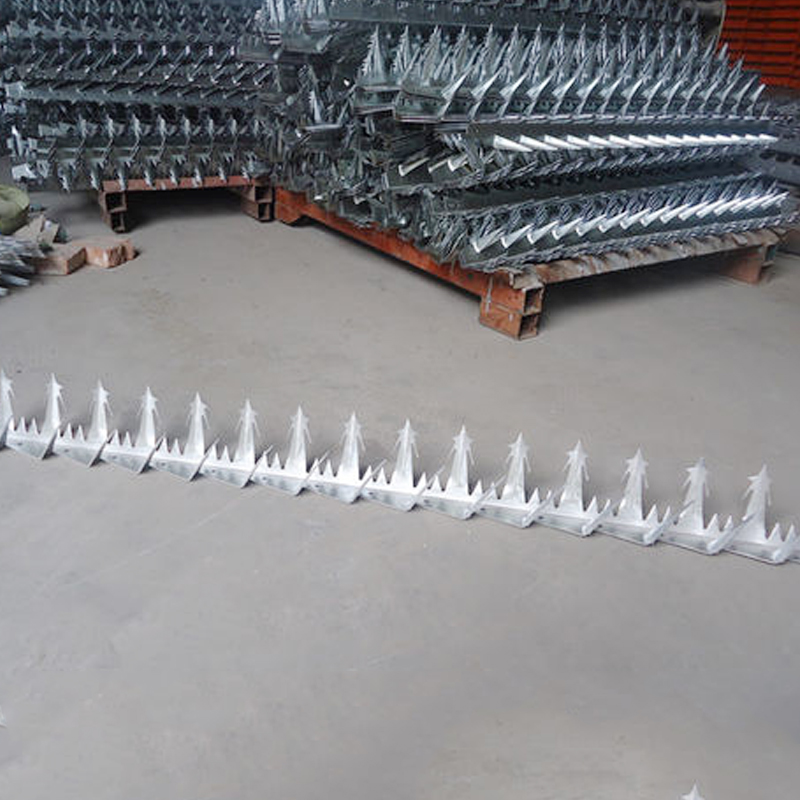
How they’re made (quick process flow)
Wire rod selection → wire drawing → cold heading (head) → barbing/annular knurling → point forming → heat treatment (as needed) → surface finishing (electro/HDG or stainless passivation) → 100% visual + sampling tests (dimensions, barbing depth, coating thickness) → packaging with traceable lot IDs.
Typical testing: dimensions per ASTM F1667; coating per ISO 1461/A153; salt spray per ISO 9227; withdrawal tests in C24 timber for design per Eurocode 5. Service life outdoors: around 10–20 years (hot-dip), up to coastal-grade with 316 SS.
Where they’re used
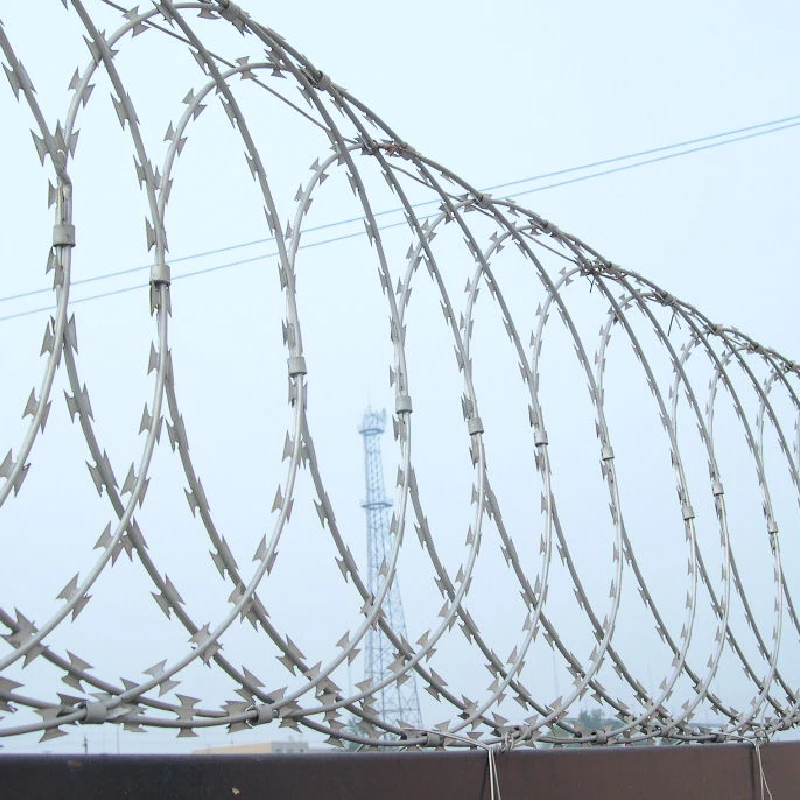
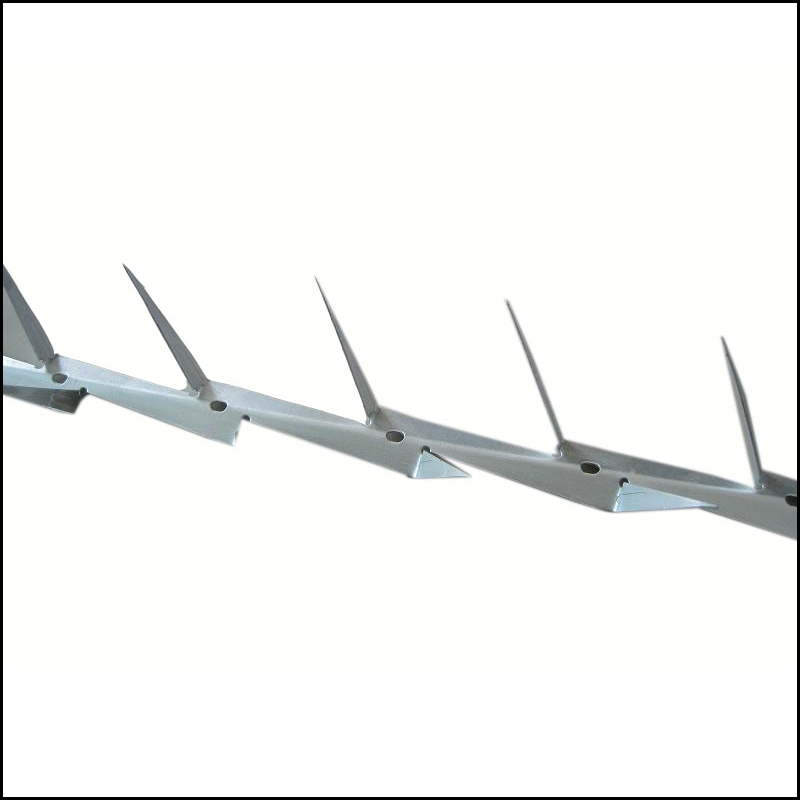
- Fixing anti-climb wall spike strips on masonry, fences, and gutters (fast, low-profile).
- Fence rails, pallets, crating, and decking where vibration loosens smooth shanks.
- Temporary works and perimeter upgrades on utilities, warehouses, and schools.
Many customers say Barbed Nails are the “set-and-forget” fastener when crews can’t revisit a site for years. I’ve seen fewer call-backs after storms compared with smooth shanks—anecdotal, yes, but echoed often.
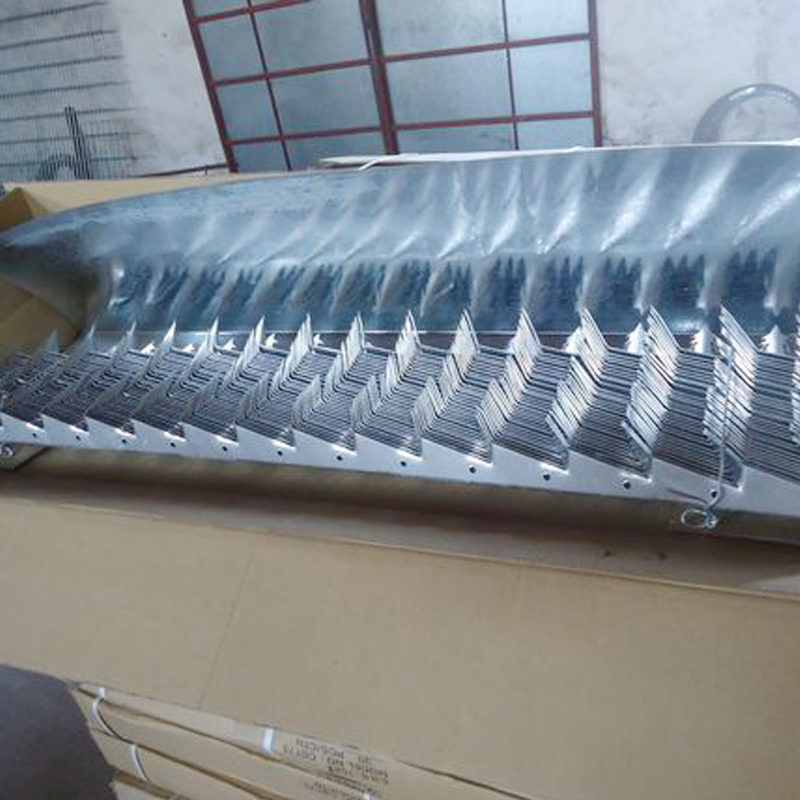
Vendor comparison (high level)
| Vendor | Materials/Coatings | MOQ | Lead Time | Certs | Pull-out (≈3.5×75 mm) |
|---|---|---|---|---|---|
| YJD Wire Mesh (Shenze, Shijiazhuang, Hebei) | Steel, 304/316; electro/HDG | ≈ 1–3 tons | 10–20 days | ISO 9001, SGS tests | ≈ 1.8–2.6 kN in C24 |
| Local Importer | Steel; electro-galv | By carton | Stock/spot | — | ≈ 1.5–2.0 kN |
| Marketplace Seller | Mixed; unknown coating | Small packs | 3–5 days | — | Varies; verify |
Customization and packaging
Options include head style, barbing density, cut length, logo head-stamping, bulk vs. carton vs. palletized packs, and tailored coatings for coastal sites. For security spike strips, crews often spec 316 SS Barbed Nails with countersunk heads to sit flush on galvanised steel or aluminum spike bases.
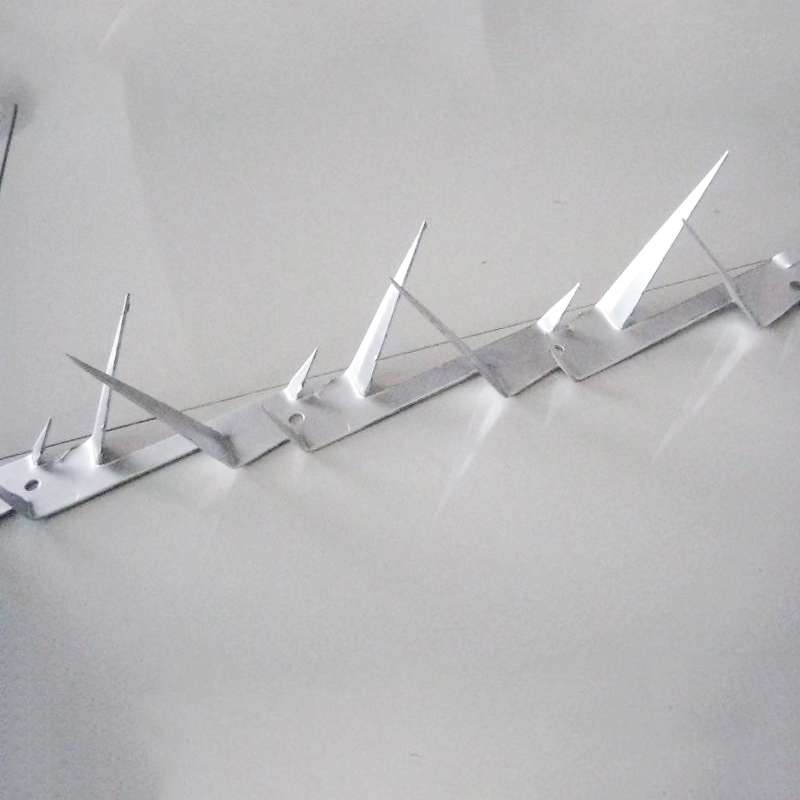
Mini case notes
- Logistics park retrofit: Hot-dip Barbed Nails for spike strips on 1.8 km of wall; zero loosening after 2 storm seasons.
- School perimeter: 304 SS Barbed Nails used to avoid zinc streaks on painted capping; cleaner aesthetics reported by facilities team.
- Pallet shop: Switch from smooth to barbed cut scrap by ~12% due to fewer rejects during handling.
Standards and references: 1) ASTM F1667; 2) ISO 1461 / ASTM A153; 3) ISO 9227 salt spray; 4) EN 10230-1 wire nails; 5) EN 1995-1-1 (Eurocode 5) for timber fastening design.
- ASTM F1667 – Driven Fasteners, link: https://www.astm.org/f1667
- ISO 1461 – Hot dip galvanized coatings, link: https://www.iso.org/standard/73842.html
- ISO 9227 – Corrosion tests in salt spray, link: https://www.iso.org/standard/63543.html
- EN 10230-1 – Steel wire nails, link: https://shop.bsigroup.com
- EN 1995-1-1 – Eurocode 5: Timber structures, link: https://eurocodes.jrc.ec.europa.eu