Nails for Concrete Walls: What You Need to Know
Having spent a good chunk of my career in industrial equipment and construction supplies, I’ve seen my share of quirky, game-changing fixes. Concrete walls? They’re solid, unforgiving, and frankly, not the easiest substrate to work with. When it comes to fastening anything to them, the right nails for concrete walls aren’t just helpful — they’re essential.
Oddly enough, the choice of nails here feels like one of those niche decisions that don’t scream “big innovation,” but mess it up and you’re in for headaches. So, let’s unpack what I’ve noticed over the years about these specialized nails — from the materials to the design, and a few tips from the trenches.
Why Special Nails for Concrete?
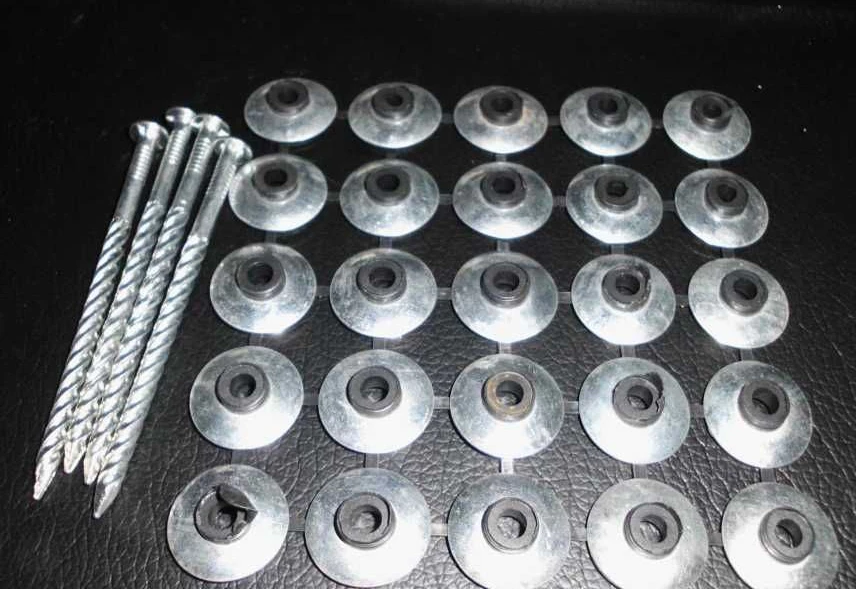
Concrete is dense and abrasive; regular nails often just won’t get the job done. I remember once trying to secure cable conduits with standard nails — they bent or just wouldn’t bite. Conversely, concrete nails are hard, sometimes made of hardened steel, with fluted or twisted shafts that grip the concrete rather than just trying to pierce it.
Many engineers I’ve worked with prefer something that balances toughness with corrosion resistance — after all, some concrete walls might be in damp environments, so rust can quickly become a problem.
Materials and Design Considerations
The most common are hardened steel nails, often galvanized or coated to resist rust. There’s also stainless steel variants but they tend to be pricier and reserved for special projects. I’ve seen people opt for plastic anchors combined with screws for heavy loads, but for quick fixes and light to medium-duty tasks, a well-made concrete nail is just faster and simpler.
| Specification | Details |
|---|---|
| Material | Hardened Steel, Galvanized Coating |
| Length | 25mm to 75mm |
| Diameter | 2.5mm – 3.25mm |
| Head Type | Flat, Clipped, or Round |
| Special Features | Twisted shaft for better grip, Corrosion-resistant coating |
Comparing Vendors: What to Keep in Mind
Frankly, not all manufacturers make these nails equal. Some focus strictly on batch quality, others might drop the ball on consistent hardness. I’ve learned to always check for reliable testing reports, and whenever possible, a quick sample test on-site is worth its weight in gold.
| Vendor | Material Quality | Price | Corrosion Resistance | Availability |
|---|---|---|---|---|
| YJD Wire Mesh | Excellent (Hardened Steel, Galvanized) | Moderate | High | Global |
| Vendor A | Good | Low | Moderate | Regional |
| Vendor B | Average | High | Low | Limited |
Practical Tips & A Small Story
Years ago, on a project renovating an old industrial site, I had to quickly mount junction boxes on notoriously rough concrete walls. The team initially used standard nails — chaos ensued with bending and pullouts. We switched to the right concrete nails, and installation sped up dramatically. It was a good reminder that the right tool isn’t just about technical specs but about saving time and avoiding frustration.
One trick I picked up: pre-drilling a shallow pilot hole can help reduce stress on the nail for very hard concrete. Also, always keep a decent nail gun or a hammer designed for masonry — it makes all the difference.
If you want to explore some reliable options, I’d encourage checking out nails for concrete walls they offer. Their quality consistency and corrosion resistance get nods from many pros I've talked with.
At the end of the day, it feels like a small but critical detail in construction that pays off beyond its size.
References:
- "Concrete Nails vs Other Fasteners," Construction Material Journal, 2019.
- YJD Wire Mesh Product Documentation, 2023.
- "Field Guide to Fastening Concrete," Industrial Tools Review, 2021.