Cattle Fence Mesh: A Field-Tested Look at Modern Ranch Fencing
If you’re shopping for cattle fence wire, you’ve probably noticed the market got smarter—better coatings, stronger knots, fewer headaches in winter. I’ve walked more pastures than I can count, and—to be honest—what keeps animals in (and maintenance down) is less about marketing and more about metallurgy, knot design, and quality control.
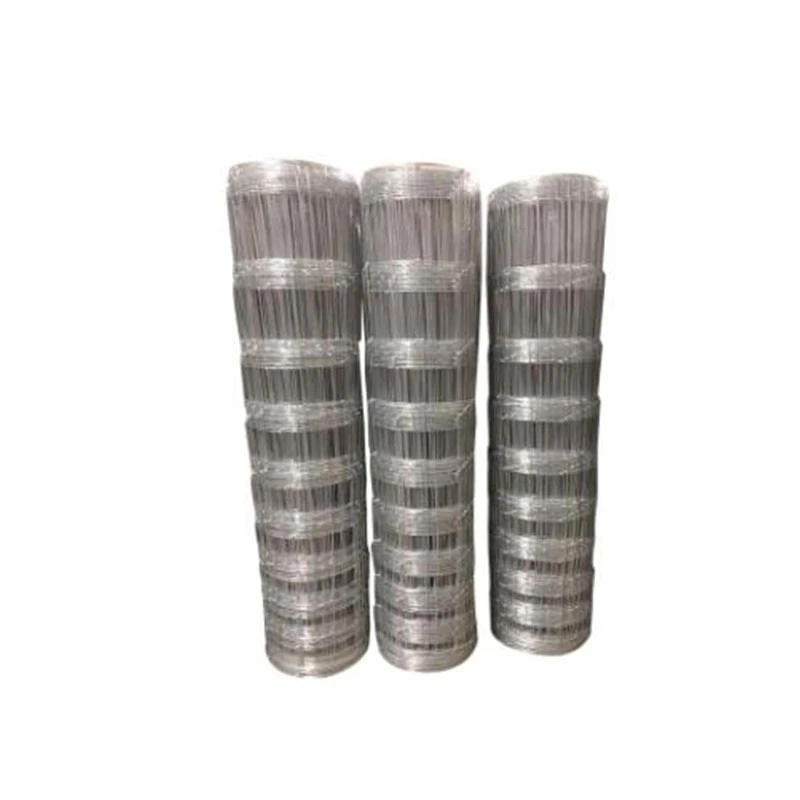
What It Is and Where It’s From
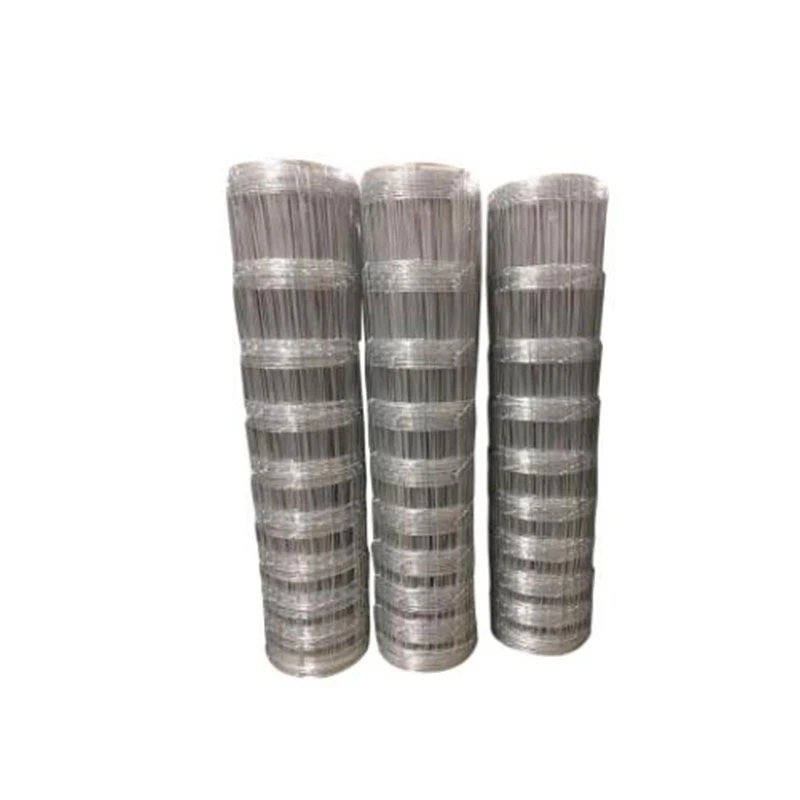
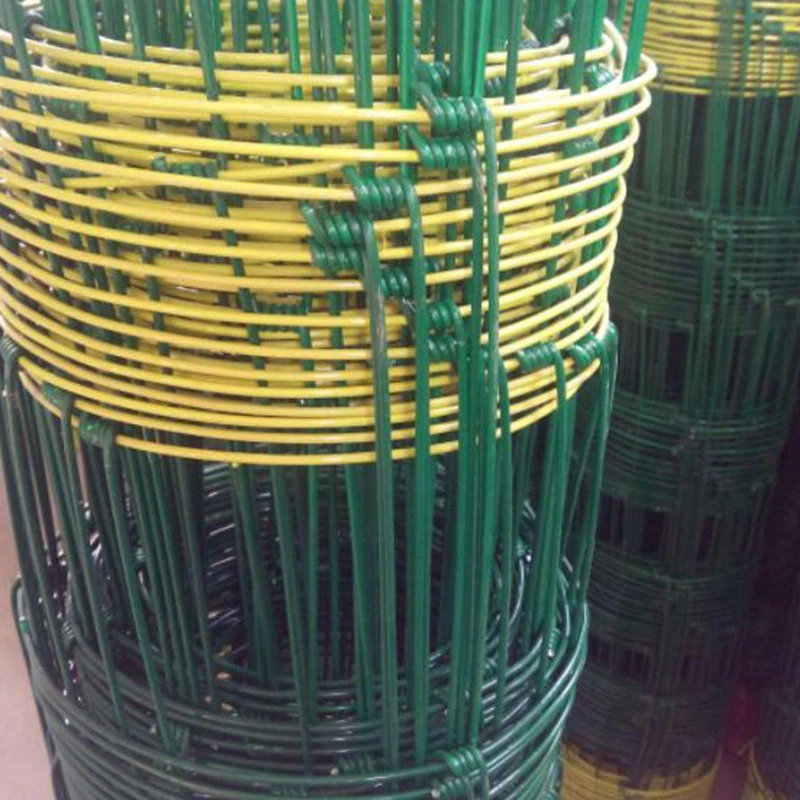
Cattle Fence Mesh—also called grassland mesh or cow fencing—comes from the Building Material Production Base in Shenze, Shijiazhuang, Hebei, China, a long-time hub for woven field fencing. It’s popular across Europe, and, actually, catching on in North America for rotational grazing and perimeter lines.
Typical Specs (real-world use may vary)
| Height | ≈ 0.8–2.4 m |
| Roll Length | 50 m / 100 m |
| Wire Gauge | Top/Bottom 2.5–3.0 mm; Line wires 2.0–2.5 mm |
| Tensile Strength | 700–900 MPa (high-tensile), 350–550 MPa (mild) |
| Coating | Hot-dip galvanized or Zn-Al (Galfan) ≈ 80–230 g/m² |
| Knot Types | Hinge-joint, Fixed-knot, S-knot |
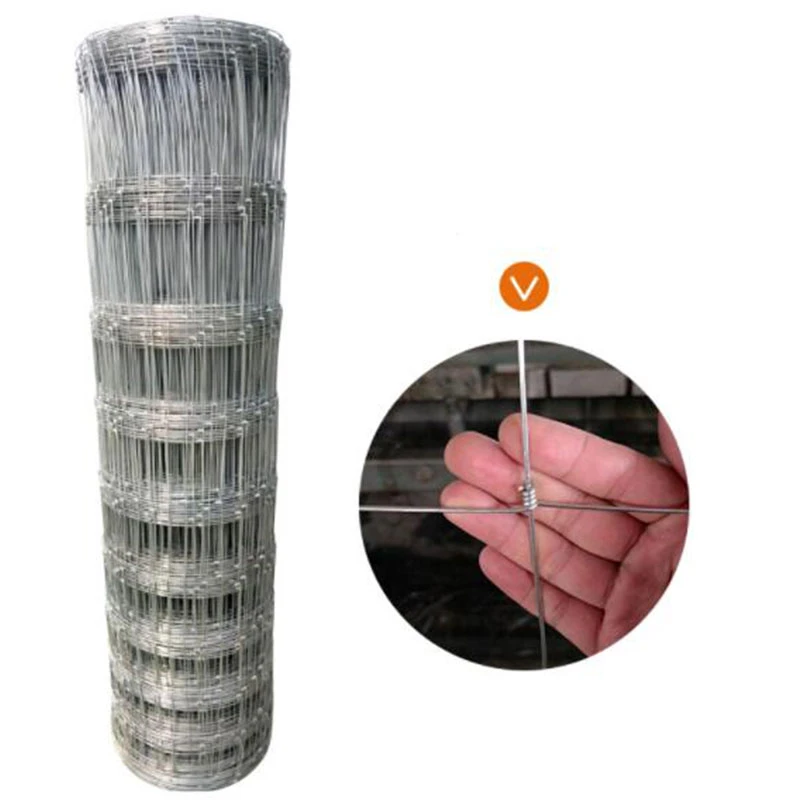
Process Flow (why it lasts)
-
- Materials: low- to medium-carbon steel rod, drawn to spec; optional high-tensile grades for longer post spacing.
- Methods: wire drawing → surface cleaning → galvanizing (ISO 1461 or Zn-Al) → precision weaving on field-fence machines (consistent hinge-joint spacing).
- Testing: coating weight (ASTM A641/EN 10244), tensile test (EN ISO 6892), bend test, adhesion, and salt-spray (ISO 9227).
- Service life: ≈10–25 years depending on coating mass, soil salinity, and coastal exposure.
- Industries: beef and dairy, sheep/goats, wildlife exclusion, vineyards, roadside protection.
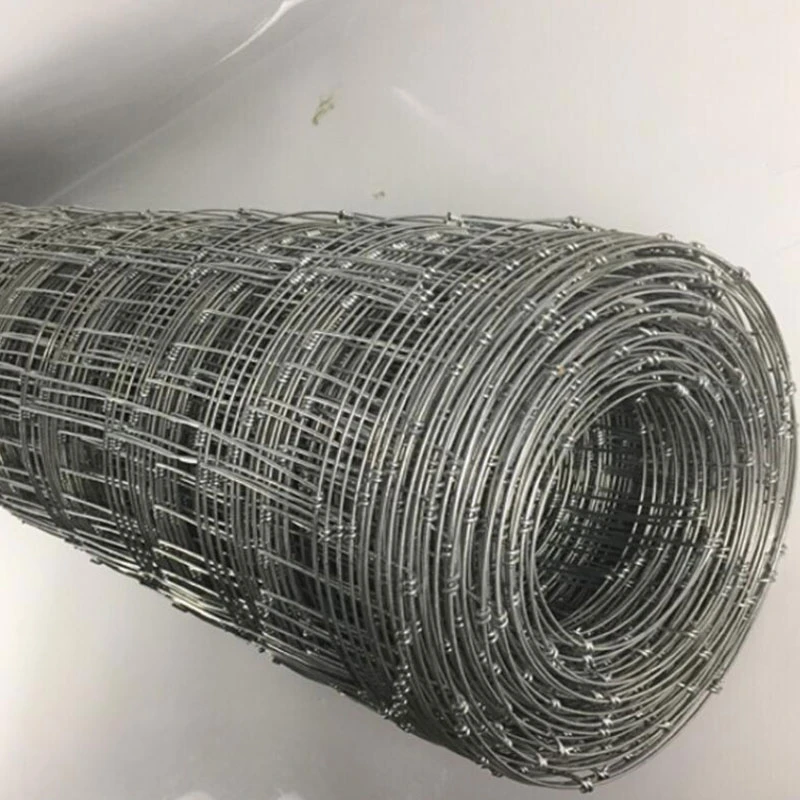
Where it shines
Perimeter fencing, cross-fencing for rotational grazing, creek crossings (with drop-down panels), and, surprisingly, orchard edge protection. Many customers say fixed-knot holds shape better near gates—less sag after winter. For budget lines, hinge-joint works fine if your post spacing is honest.
Field Data and Feedback
-
- Coating test: Zn-Al 200 g/m² reached 480 h NSS with no base-metal rust (internal lab, sample n=6).
- Pull-load: sample panel with fixed-knot, 2.5 mm top wire, held 6.5 kN before permanent deformation (shop test).
- Quotes: “Post spacing stretched to 5 m with high-tensile—still tight.” “Calves stopped nosing through the bottom grid once we went 10 cm spacing.”
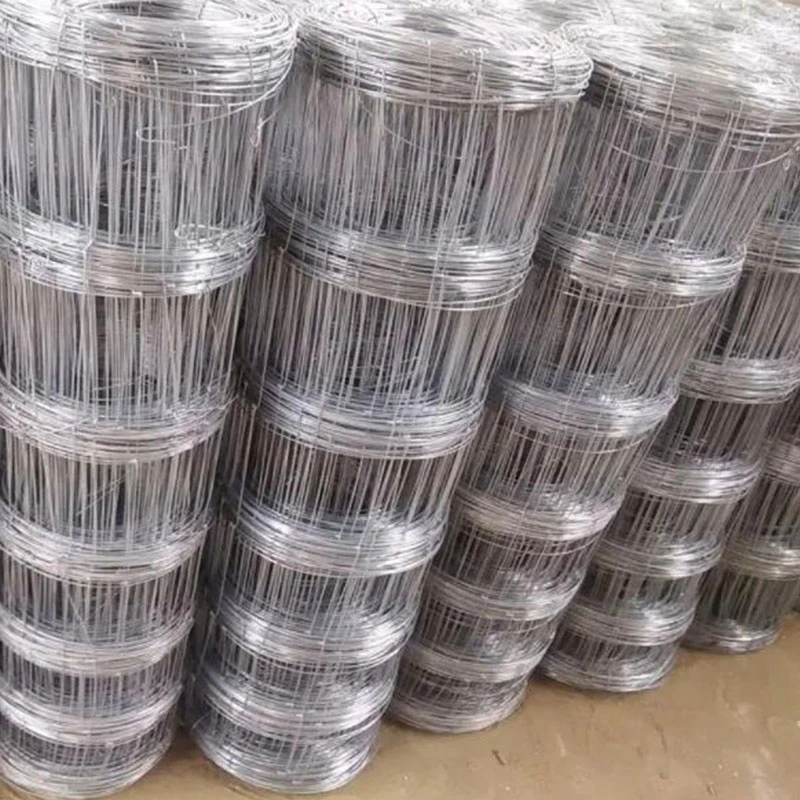
Vendor Snapshot (approximate, for sourcing)
| Vendor | Coating & Knot | Certs | Lead Time | Price (≈) |
|---|---|---|---|---|
| YJD Wire Mesh (Hebei) | Zn / Zn-Al; hinge or fixed-knot | ISO 9001, EN 10223 compliance | 15–25 days | Mid-range |
| EU Brand A | Galfan; fixed-knot | CE, EN 10223 | Stock/fast | Premium |
| US Supplier B | Zn; hinge-joint | ASTM A641 | 2–4 weeks | Mid–High |
Customization Options
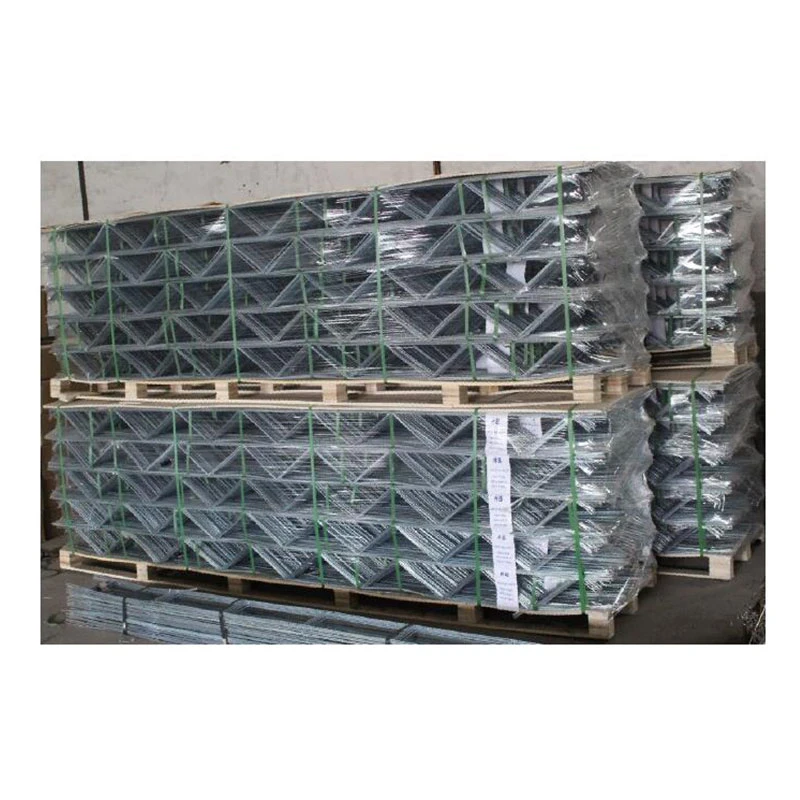
Grid spacing (e.g., 10 cm below, 15–20 cm above), coil length, heavier top/bottom wires, and Zn-Al coatings for coastal ranges. Branding tags and palletized rolls for dealer networks—nice touch, I guess, if you’re reselling.
Mini Case Studies
-
- Spain (Extremadura): 42 km perimeter, fixed-knot Zn-Al; 18 months in, zero red rust; fewer escapes on hilly runs.
- Wisconsin dairy: hinge-joint with heavier bottom wires; calf pressure managed, spring thaw didn’t ripple the line.
- NSW station: high-tensile grid, 5 m post spacing; saved posts and time, slight learning curve on tensioning.
Final tip: choose cattle fence wire by coating mass and knot style first, then think budget. Another roll of cheap wire costs more, long-term, than one good install.
Standards and Certifications
Targets: ASTM A641 for galvanized wire, EN 10223-5 for field fence, ISO 1461 for hot-dip coatings, ISO 9227 for corrosion testing; factory ISO 9001 helps keep batches consistent.
References:
- ASTM A641/A641M – Zinc-Coated (Galvanized) Carbon Steel Wire.
- EN 10223-5 – Steel wire and wire products for fences: Hinge-joint/Field fence.
- ISO 1461 – Hot dip galvanized coatings on fabricated iron and steel articles.
- ISO 9227 – Corrosion tests in artificial atmospheres (Salt spray).