A Closer Look at Cement Siding Nails: What Industry Pros Know
Having spent a fair chunk of my career working around industrial construction materials, I’ve come to appreciate just how critical the little things can be. Take cement siding nails, for instance—they’re not the flashiest component on a build site, but without the right nail, a whole siding job can become a mess. Honestly, if you think all nails are the same, you’d be in for a surprise.
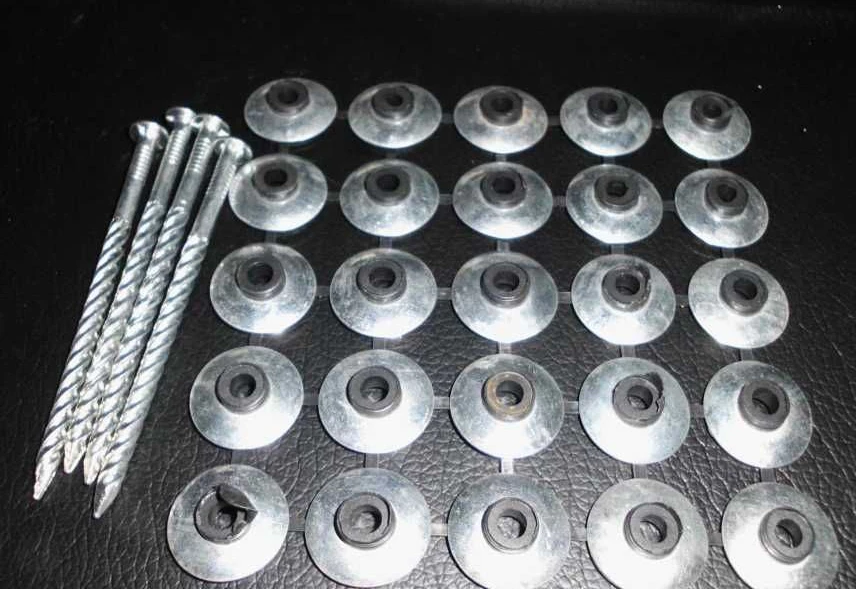
Cement siding nails are specially designed to hold durable, cement-based sidings firmly in place. They need to resist the unique stresses posed by the siding’s weight and the expansion and contraction driven by temperature fluctuations. In my experience, choosing the right material and nail geometry is crucial to avoiding problems like rust, nail pops, or siding loosening after a few seasons.
Oddly enough, many engineers I’ve talked to stress the importance of the shank design—ring shanks tend to outperform smooth ones on these jobs because they grip the siding and framing better. But that’s not all: manufacturers also tweak the nail head size and coating chemistry, which often makes or breaks durability. I once saw a project lose nearly 5% of their siding panels over two years because of poor nail selection. It was costly and, frankly, avoidable.
What Makes Cement Siding Nails Stand Out?
Typically, these nails are made from hardened steel and undergo specific treatments to resist corrosion—zinc plating is common, though some vendors offer stainless steel or galvanic coatings for harsher environments, like coastal areas. A bigger nail head helps distribute the holding force without cracking the siding, which can be brittle.
Not all nails are created equal, so it helps to understand the specs before placing an order. Having worked extensively with several brands, I’ve found that specs such as shank diameter, length, head type, and coating finish influence performance far more than many installers realize. Speaking of, here’s a quick specs rundown for typical cement siding nails:
| Specification | Typical Range | Notes |
|---|---|---|
| Length | 1.5” - 3.0” (38mm - 76mm) | Depends on siding thickness |
| Shank Diameter | 0.113” - 0.131” (2.9mm - 3.3mm) | Ring shank preferred for better grip |
| Head Type | Large round or barbed | Prevents siding damage |
| Coating | Zinc plated, galvanized, or stainless steel | Corrosion resistance varies by environment |
| Finish | Bright or weathered | Depends on aesthetic preference |
Comparing Top Cement Siding Nail Vendors
When it comes to choosing a vendor, your choice can affect project timing and quality too. I’ve dealt mostly with three major suppliers over the years, and here’s how they stack up:
| Vendor | Product Range | Coating Types | Pricing | Lead Time |
|---|---|---|---|---|
| YJD Wire Mesh | Wide, including custom orders | Galvanized, stainless | Competitive | 2-3 weeks |
| Big Nail Inc. | Standard sizes only | Zinc plated only | Low-mid range | 1-2 weeks |
| Precision Fasteners | Custom and standard | Galvanized, weathered finish | High end | 3-4 weeks |
Funny story: a friend who runs a siding installation company once shared how switching to cement siding nails from YJD Wire Mesh cut down their nail-related callbacks by almost 40%. I guess it’s proof that sometimes investing in better fasteners pays off in fewer headaches later.
For anyone dealing with cement or fiber cement siding projects, never underestimate the humble nail. The right nail can lengthen siding life and reduce maintenance costs, while the wrong one turns into a chronic nuisance. If you’re curious, give YJD a look—they strike a solid balance between quality and price, and their customization options are a plus in my book.
At the end of the day, though, it’s all about matching your nails to the job — knowing the siding thickness, environmental conditions, and installer preferences. Frankly, nothing beats experience and careful selection.
References:
- Industry standards from ASTM F1667 for siding nails
- User experiences shared on construction forums and contractor blogs
- Technical data sheets from nail manufacturers, including YJD Wire Mesh