The Enduring Utility of chain link fence in B2B Applications
In industrial, commercial, and governmental sectors, the selection of perimeter security solutions is paramount for asset protection, access control, and public safety. The chain link fence stands as a foundational and highly adaptable solution, renowned for its balance of security, visibility, and cost-effectiveness. This comprehensive analysis delves into the technical intricacies, application diversity, and strategic advantages of this widely deployed fencing system, providing B2B decision-makers with the expertise needed for informed procurement and implementation.
Beyond its perceived simplicity, modern chain link fence systems incorporate advanced materials and manufacturing techniques to meet stringent industry demands, making them a preferred choice across various demanding environments.
Industry Trends and Market Dynamics
The market for chain link fence solutions is continuously evolving, driven by innovations in material science, coating technologies, and integration with intelligent security systems. Current trends indicate a rising demand for enhanced corrosion resistance, extended service life, and aesthetic versatility. Hot-dip galvanization remains a cornerstone, providing robust protection against environmental degradation, while PVC and polyester powder coatings offer superior aesthetic appeal and additional layers of corrosion resistance, particularly for applications requiring specific color schemes or high humidity environments.
Sustainability is also a growing concern, with manufacturers focusing on using recycled content in steel production and developing environmentally friendlier coating processes. Furthermore, the integration of chain link fence systems with access control, CCTV, and intrusion detection technologies is transforming them from passive barriers into active security components, aligning with smart city and industrial IoT initiatives. The versatility of the cyclone fence design, as it's often colloquially known, allows for seamless integration with these advanced systems.
Geographically, growth in infrastructure development, particularly in emerging economies, fuels the demand for durable and cost-effective fencing solutions. The market is also seeing increased demand for specialized applications, such as high-security installations or those requiring specific ballistic or anti-climb features, pushing the boundaries of traditional chain link fence designs.
Manufacturing Process Flow and Quality Assurance
The manufacturing of a chain link fence is a precision-driven process, ensuring product integrity and longevity. It typically commences with high-quality raw materials, primarily galvanized steel wire or aluminum alloy wire, often conforming to ASTM A641 or equivalent standards for zinc coating. For enhanced aesthetics and corrosion protection, PVC-coated wire, often with a galvanized core, is also widely used.
Manufacturing Steps:
- Wire Drawing & Preparation: High-carbon steel rods are drawn through dies to achieve the desired wire gauge (e.g., 6, 9, 11, 12.5 gauge). This process increases tensile strength and refines diameter consistency.
- Galvanization/Coating: The drawn wire undergoes hot-dip galvanization, where it's immersed in molten zinc to form a protective, corrosion-resistant layer. Alternatively, electro-galvanization or PVC/polyester powder coating processes are applied. PVC coatings are typically fused to a galvanized core for dual protection.
- Weaving (Helical Coiling & Interlocking): Coated wires are fed into automatic weaving machines. These machines form continuous spirals (helixes) that are then interlocked to create the characteristic diamond mesh pattern. The selvage (edge) can be knuckle-knuckle (KK) or knuckle-barb (KB), with KB offering enhanced security.
- Quality Control: Each roll of chain link fence undergoes rigorous inspection for mesh size uniformity, wire gauge consistency, coating thickness (e.g., zinc coating weight measured in oz/sq ft or g/sq meter), and overall dimensional accuracy. Testing often adheres to standards such as ASTM F668 for PVC-coated and galvanized chain link fence fabric.
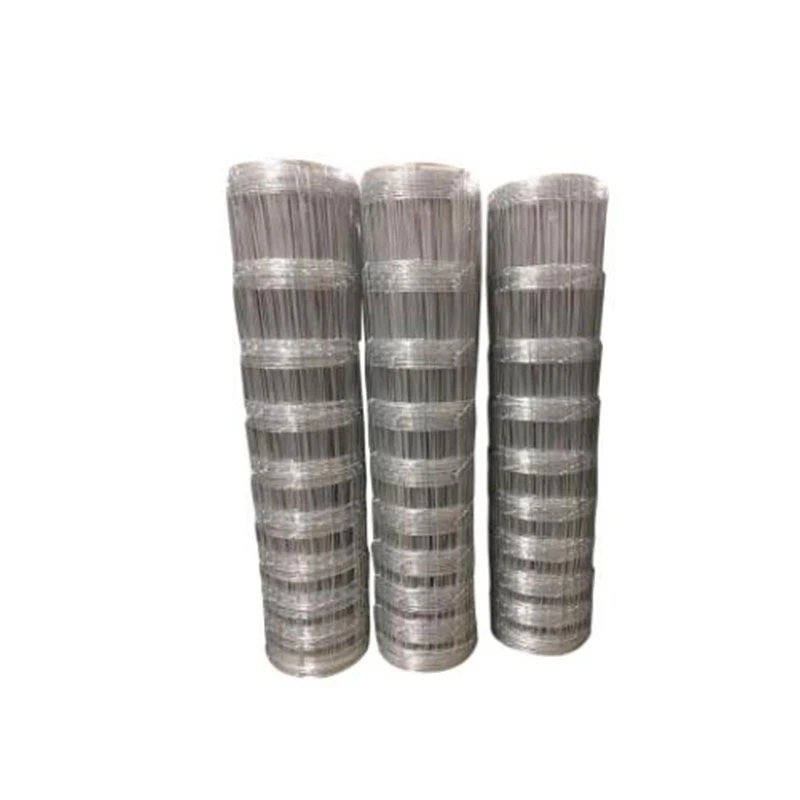
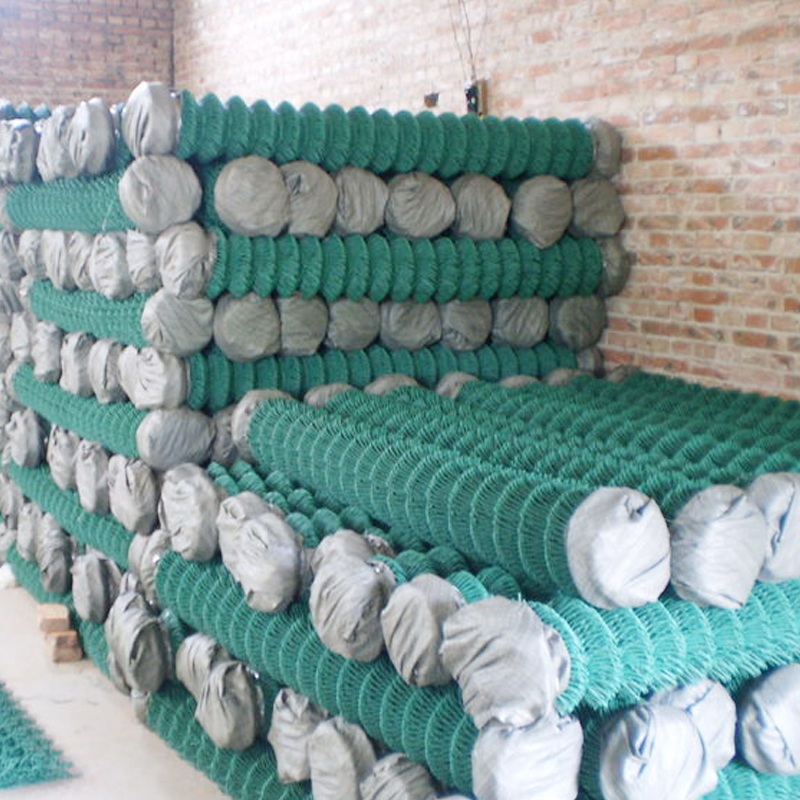
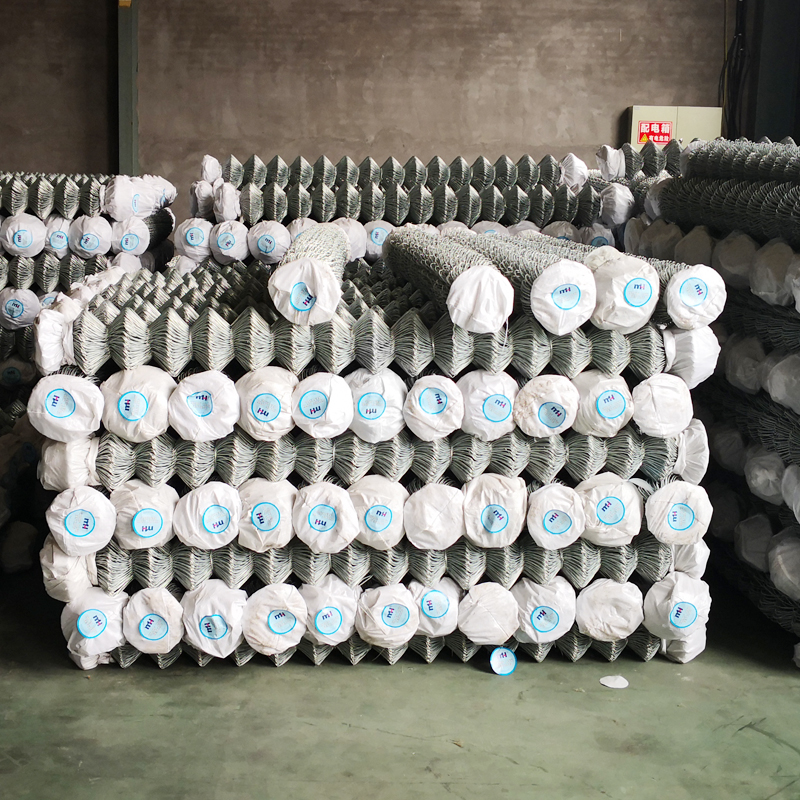
- Packaging: Finished rolls are compactly coiled, secured, and often wrapped to prevent damage during transit, ready for distribution.
Adherence to international testing standards, such as ISO 9001 for quality management systems and ASTM F1083 for specification of pipe, steel, hot-dipped zinc-coated (galvanized) for fence structures, ensures that the end product meets the demanding requirements of target industries. The typical service life of a well-maintained galvanized chain link fence can exceed 20 years, while PVC-coated variants often last even longer, offering superior corrosion resistance for applications in petrochemical plants, metallurgical facilities, and critical water supply & drainage infrastructure.
Advantages in typical application scenarios include its robust construction, which offers excellent energy saving through minimal maintenance requirements, and its inherent resistance to various forms of corrosion, especially with advanced coating systems.
Technical Specifications and Performance Parameters
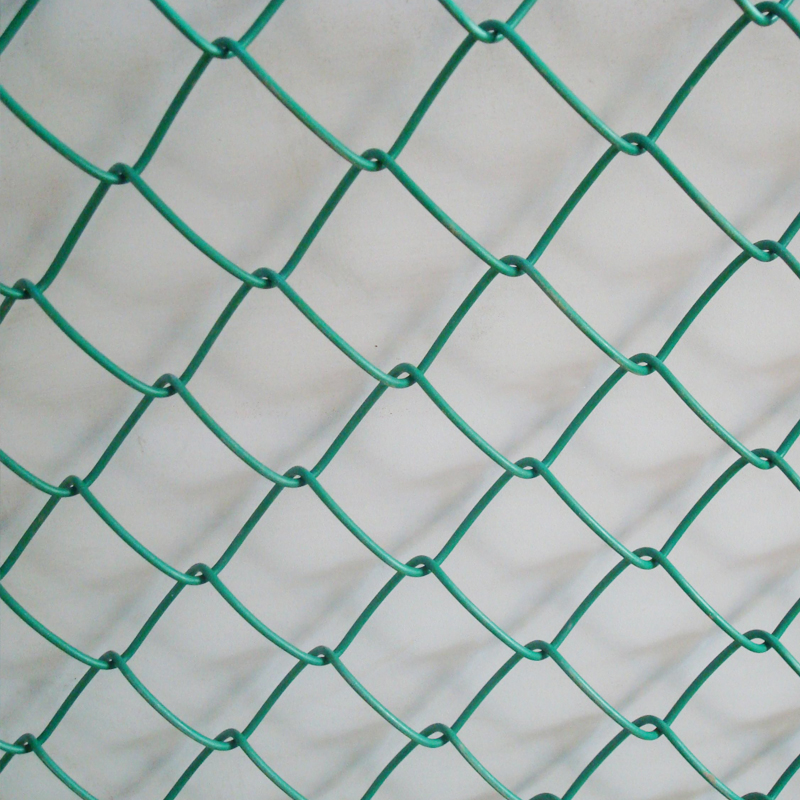
Understanding the technical specifications of a chain link fence is crucial for B2B procurement, ensuring that the selected product aligns precisely with project requirements and environmental conditions. Key parameters include wire gauge, mesh size, fence height, coating type, and material composition. These elements directly influence the fence's structural integrity, security level, and durability.
Typical Product Specification Table: Standard Galvanized Chain Link Fence
| Parameter | Specification Range | Notes / Standards |
|---|---|---|
| Material | Low Carbon Steel Wire (Galvanized or PVC Coated) | ASTM A817, ASTM A641 |
| Wire Gauge (SWG) | 6 SWG (4.88mm) to 12.5 SWG (2.5mm) | Common: 9, 11, 11.5 SWG for commercial/industrial use. |
| Mesh Size (Diamond) | 1/2" to 4" (12.5mm to 100mm) | Common: 2", 2 1/4", 2 3/8", 2 1/2". Smaller mesh for higher security. |
| Fence Height | 3 ft (0.9m) to 12 ft (3.6m) and above (custom) | Standard increments, up to 20ft for high security. |
| Coating Type | Hot-Dip Galvanized, Electro-Galvanized, PVC Coated, Polyester Powder Coated | Zinc coating classes per ASTM A641 (Class 1, 2, 3). PVC/PE coating thickness varies. |
| Zinc Coating Weight | Min. 1.2 oz/sq ft (366 g/m²) for heavy galvanized | Per ASTM A641, affects corrosion resistance & service life. |
| Tensile Strength | 60,000 - 80,000 PSI (415 - 550 MPa) | Indicates resistance to breaking under tension. |
| Selvage Options | Knuckle-Knuckle (KK), Knuckle-Barb (KB) | KK for safety, KB for enhanced security. |
These specifications, combined with proper chain link fence installation techniques, ensure optimal performance and longevity, providing a reliable perimeter solution for decades.
Versatile Application Scenarios
The adaptability of the chain link fence makes it indispensable across a multitude of B2B application scenarios, offering pragmatic solutions for security, demarcation, and containment. Its open weave design provides excellent visibility, crucial for monitoring large areas, while its robust construction ensures reliable long-term performance.
- Industrial & Commercial Perimeters: Essential for securing factories, warehouses, construction sites, and utility substations. It deters unauthorized access while allowing clear sightlines for surveillance.
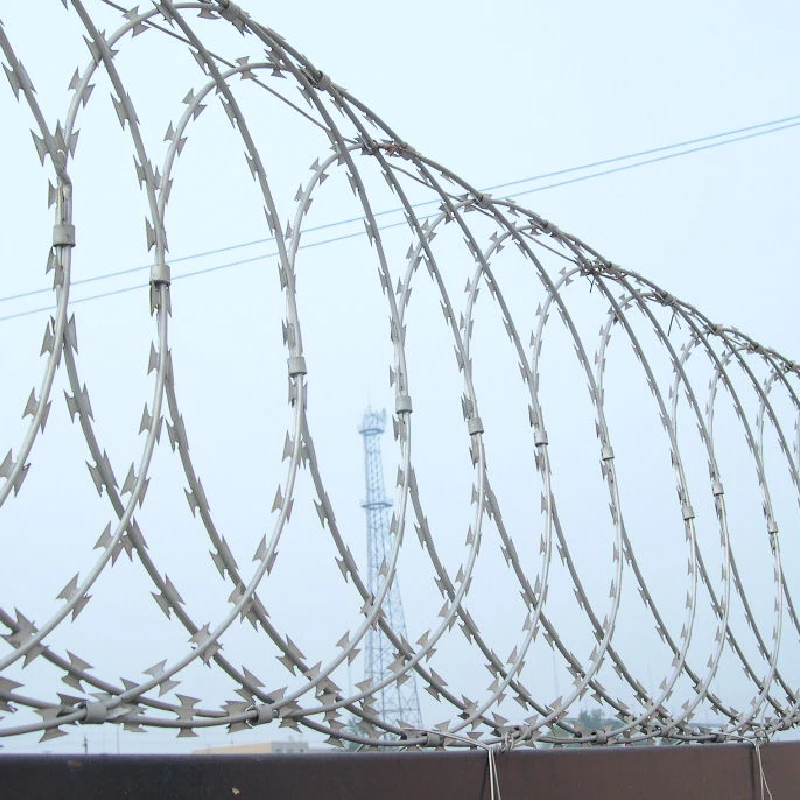
- High-Security Installations: With added features like barbed wire, razor wire, or anti-climb devices, chain link fence systems are deployed around airports, military bases, correctional facilities, and data centers.
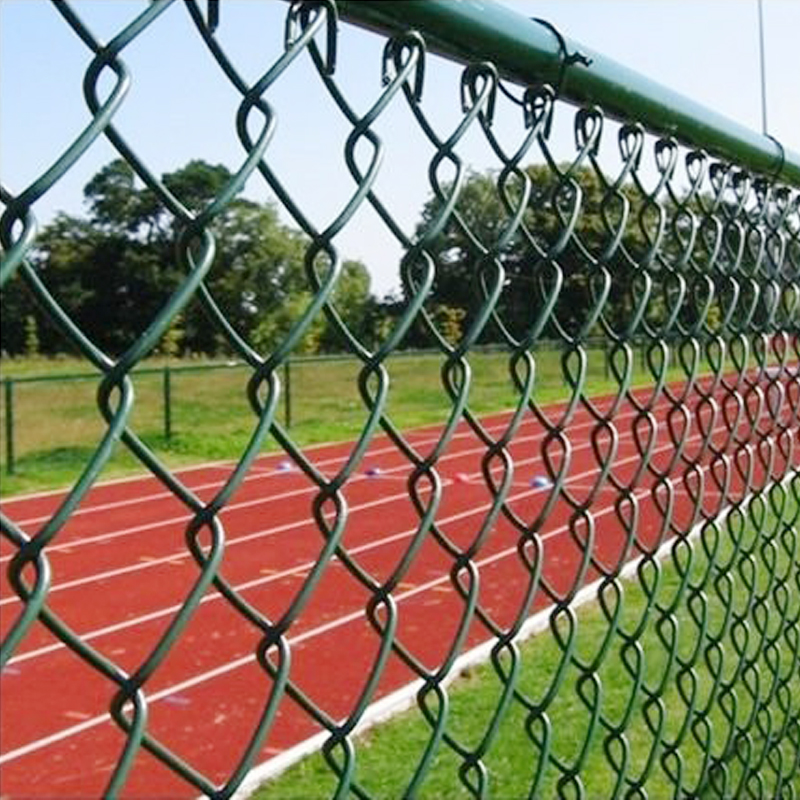
- Sports & Recreational Facilities: Commonly used for baseball fields, tennis courts, golf courses, and playgrounds to contain balls and ensure spectator safety. The mesh allows for wind passage, reducing stress on the structure.
- Agricultural & Animal Enclosures: For livestock containment, protecting crops, and defining property lines on large farms. The durability withstands animal interactions and environmental exposure.
- Temporary Fencing: Modular chain link fence panels are frequently utilized for event management, temporary construction zones, and emergency perimeter control due to their ease of installation and relocation.
- Infrastructure Projects: Guarding railway lines, highways, bridges, and public utility assets, often serving as a robust barrier against trespass and vandalism.
For applications requiring visual obstruction, such as securing sensitive areas or providing aesthetic integration, solutions like chain link fence privacy slats can be incorporated. These slats come in various colors and provide a significant degree of visual screening without compromising the fence's structural integrity or airflow.
Technical Advantages and ROI
The enduring popularity of the chain link fence in B2B settings is attributable to a compelling array of technical advantages that translate directly into a strong return on investment for organizations.
- Exceptional Durability and Longevity: Constructed from high-strength steel wire, chain link fence systems, particularly those with heavy galvanization or PVC coatings, offer superior resistance to impact, extreme weather conditions, and UV degradation. This ensures a service life often exceeding 20-30 years with minimal maintenance.
- Cost-Effectiveness: Compared to other high-security fencing options, the initial material and chain link fence installation costs are significantly lower. Its long lifespan and low maintenance further reduce the total cost of ownership over time.
- Rapid and Straightforward Installation: The modular nature of chain link fence fabric and components allows for relatively quick and efficient installation, minimizing disruption to operations and reducing labor costs. This is a significant advantage for large-scale projects or those with tight deadlines.
- High Visibility for Surveillance: The open mesh design ensures clear sightlines, which is critical for effective surveillance and monitoring of secured perimeters, enhancing overall security system efficacy.
- Versatility and Customization: Available in a vast array of heights, gauges, mesh sizes, and coating types, chain link fence can be tailored to meet diverse security requirements, from low-profile demarcation to high-security containment with added deterrents.
- Low Maintenance: Once installed, galvanized and PVC-coated chain link fence requires minimal upkeep. Periodic inspections for damage and occasional cleaning are typically sufficient, leading to significant long-term operational savings.
These advantages collectively position the chain link fence as a strategically sound investment for B2B entities seeking reliable, durable, and cost-efficient perimeter security solutions.
Vendor Comparison and Customized Solutions
Selecting the right chain link fence vendor is a critical decision for any B2B entity. It involves evaluating not just product specifications but also service quality, manufacturing capabilities, and adherence to industry standards. A reputable vendor offers transparency in their materials, process, and testing methodologies, ensuring the longevity and performance of the installed chain fence system.
Key Criteria for Vendor Selection:
- Quality & Certifications: Look for vendors with ISO 9001 certification and products that meet ASTM, ANSI, or relevant national standards (e.g., fence fabric, posts, fittings). This guarantees consistent quality and performance.
- Manufacturing Capability: Assess their capacity for large-volume orders and their ability to produce specialized items, especially for unique project requirements.
- Customization Options: A superior vendor can offer tailored solutions for chain link fence projects, including specific wire gauges, mesh sizes, heights, coating colors, and specialized fittings or security enhancements (e.g., barbed wire arms, tension wire systems).
- Technical Support & Expertise: The vendor should provide expert guidance on product selection, chain link fence installation best practices, and post-sales support. This includes assistance with engineering specifications and regulatory compliance.
- Logistics & Lead Time: Evaluate their supply chain efficiency, lead times for orders, and reliable delivery services, which are crucial for project scheduling.
Beyond standard products, the ability to provide customized solutions is a hallmark of a leading chain link fence supplier. This could involve manufacturing fence fabric with non-standard mesh sizes for increased anti-climb properties, applying specific RAL colors for branding or aesthetic integration, or engineering unique post and gate solutions for complex access control requirements. For example, a high-security facility might require a small mesh (e.g., 1-inch) 9-gauge galvanized chain link fence with an extended height and triple-strand barbed wire outriggers, painted black for reduced visibility, complete with integrated ground sensors.
Application Case Studies & Customer Trust
Real-world application demonstrates the reliability and effectiveness of the chain link fence across various demanding environments. These case studies highlight not only the product's capabilities but also the strategic partnerships forged with trusted clients.
Case Study 1: Industrial Complex Perimeter Security
Client: Major Logistics & Distribution Center
Challenge: Securing a 50-acre facility with multiple access points against unauthorized entry and theft, requiring high visibility for internal security teams.
Solution: Installed 10,000 linear feet of 8 ft high, 9-gauge hot-dip galvanized chain link fence with three strands of barbed wire outriggers. Integrated with a comprehensive CCTV system, leveraging the fence's open design for unimpeded camera views. The project involved specialized chain link fence installation techniques to navigate varied terrain.
Outcome: Significant reduction in unauthorized incidents, enhanced security response times, and positive feedback on the system's robustness and cost-efficiency. The system has performed flawlessly for over a decade with minimal maintenance.
Case Study 2: Public Utility Substation Enclosure
Client: Regional Power Utility
Challenge: Protecting critical electrical infrastructure from vandalism and unauthorized access in corrosive coastal environments, requiring strict adherence to safety standards.
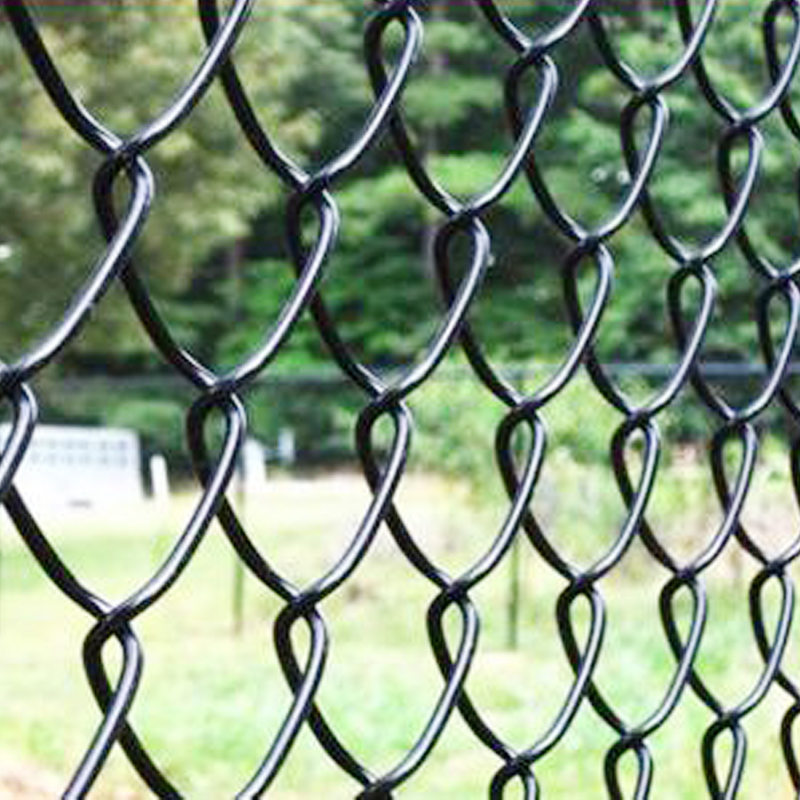
Solution: Deployed 7 ft high, 11-gauge PVC-coated chain link fence (black) with a galvanized core, ensuring superior corrosion resistance and aesthetic integration with the landscape. Specialized grounding requirements were met to ensure safety around electrical equipment.
Outcome: Enhanced protection against environmental factors and trespassers, contributing to uninterrupted power supply. The PVC coating has maintained its color and integrity against harsh coastal conditions for several years.
These examples underscore the versatility and proven performance of chain link fence solutions when partnered with experienced manufacturers committed to quality and customer satisfaction. Decades of service to diverse industries, coupled with adherence to ISO and ASTM standards, reinforce vendor authoritativeness and trustworthiness.
Frequently Asked Questions (FAQ)
Q1: What is the typical lifespan of a chain link fence?
A1: A properly installed galvanized chain link fence can last 20+ years. PVC-coated options can extend this to 30+ years, especially in harsh climates, due to enhanced corrosion protection.
Q2: Can chain link fence be customized for specific security needs?
A2: Absolutely. Customization includes wire gauge, mesh size (smaller for anti-climb), height, coating type and color, and the integration of security toppings like barbed wire, razor wire, or privacy slats for chain link fence privacy.
Q3: What are the key considerations for chain link fence installation?
A3: Crucial factors include proper post setting (depth and concrete), tensioning of the fabric, correct gate alignment, and adherence to local building codes. Professional installation is highly recommended to ensure structural integrity and longevity.
Q4: How does chain link fence compare to other fencing types in terms of cost and security?
A4: Chain link fence typically offers a lower initial cost than ornamental iron or solid panel fences, providing excellent basic to medium-high security depending on gauge, height, and added features. For extreme security, it can be combined with electronic surveillance and access control systems to rival more expensive alternatives.
Logistics, Warranty, and Customer Support
Reliable logistics, clear warranty commitments, and responsive customer support are integral to a successful B2B partnership for chain link fence solutions.
Lead Time and Fulfillment:
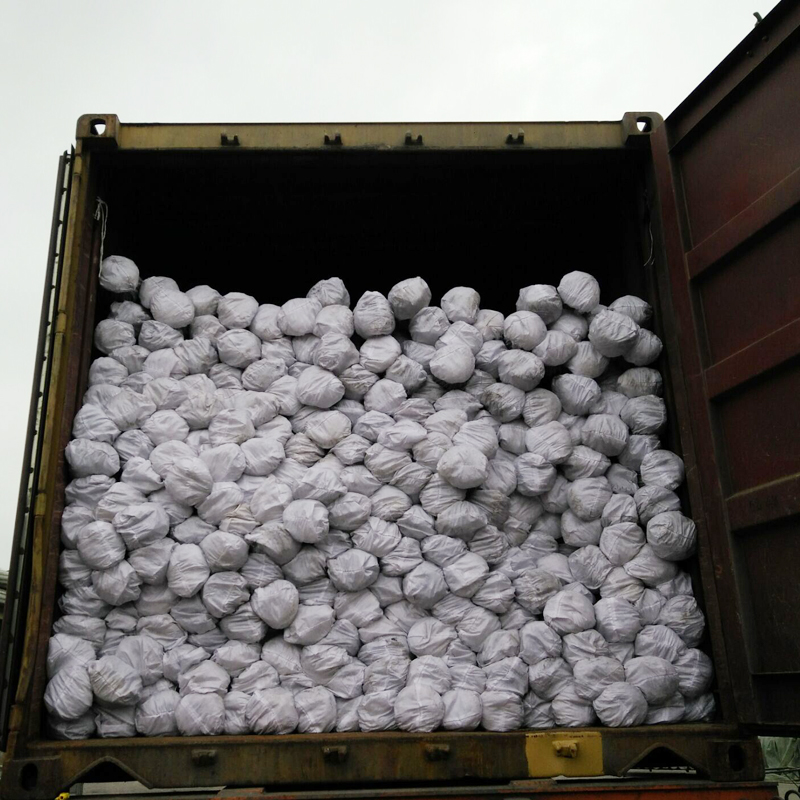
Typical lead times for standard chain link fence products range from 1-3 weeks, depending on order volume and current inventory. Custom orders or specialized materials may require 4-6 weeks for manufacturing and preparation. Efficient logistics networks ensure timely delivery to project sites, minimizing delays and supporting tight project schedules. Expedited shipping options are often available for urgent requirements.
Warranty Commitments:
Reputable manufacturers typically offer comprehensive warranties on chain link fence products. This includes:
- Material Warranty: Covering defects in galvanized or PVC-coated wire for 10-15 years, ensuring resistance to rust, peeling, or cracking under normal conditions.
- Workmanship Warranty: Guarantees the manufacturing process against defects, typically for 1-5 years, covering the weaving and coating application.
Specific warranty terms are provided with each product quotation, ensuring clarity and transparency for our B2B clients.
Dedicated Customer Support:
Our commitment extends beyond product delivery. We provide dedicated customer support, offering technical assistance, troubleshooting, and guidance throughout the project lifecycle. This includes pre-sales consultation, engineering support for complex designs, and post-installation advice, ensuring that every chain link fence project meets its objectives effectively and efficiently.
Conclusion
The chain link fence remains an unparalleled solution for B2B perimeter security and demarcation requirements, offering a compelling blend of durability, cost-effectiveness, and versatility. From robust industrial enclosures to integrated high-security perimeters, its adaptability, combined with continuous advancements in materials and coatings, ensures its relevance in a dynamic market.
By partnering with experienced manufacturers who prioritize quality, adherence to international standards, and comprehensive customer support, businesses can leverage the inherent advantages of chain link fence systems to achieve reliable, long-term security and operational efficiency.
Authoritative References
- ASTM International. (n.d.). ASTM F668 - Standard Specification for Poly(Vinyl Chloride) (PVC) and Other Organic Polymer-Coated Steel Chain-Link Fence Fabric.
- ASTM International. (n.d.). ASTM A641/A641M - Standard Specification for Zinc-Coated (Galvanized) Carbon Steel Wire.
- ISO. (n.d.). ISO 9001 - Quality management systems - Requirements.
- Chain Link Fence Manufacturers Institute (CLFMI). (n.d.). CLFMI Product Manual.