Black Cold Drawn Iron Wire: a fastener insider’s take
If you walk a nail-making line at 6 a.m., coffee in hand, you quickly learn what really matters: consistent feed, low breakage, and no surprises. That’s why buyers keep circling back to cold drawn steel wire for nails and hangers. The product I’ve been watching lately—Black Cold Drawn Iron Wire from Shenze (Shijiazhuang, Hebei, China)—leans on low-carbon feedstock and a no-nonsense draw process that, frankly, does the job.
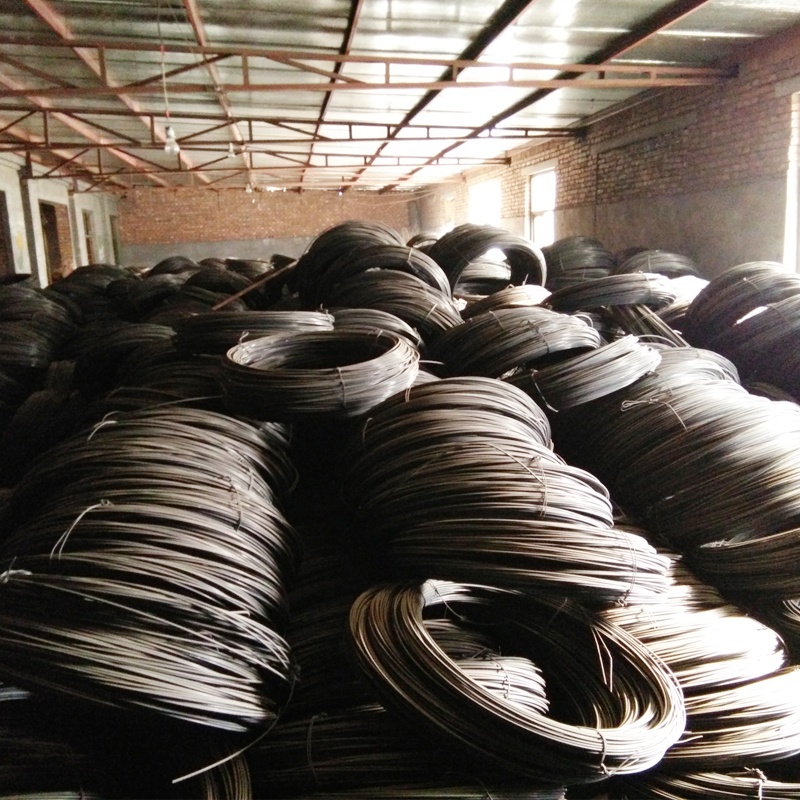
What it is (and where it fits)
Marketed as Black Cold Drawn Iron Wire, it’s built from low-carbon grades (think SAE 1006/1008 or Q195/Q235) and flows straight into common nails, roofing nails, clothes hangers, and even as upstream material for other iron wire products. To be honest, it’s not glamorous—yet shop managers love how it behaves on high-speed formers.
Origin: Building Material Production Base Shenze, Shijiazhuang, Hebei, China. Many customers say the coils arrive clean and sensibly packed; I’ve seen fewer payoffs snarling than usual.
Process flow and controls
- Materials: Low-carbon wire rod (C ≈ 0.06–0.10%), fine grain.
- Prep: Pickling + rinsing, light phosphating or lubricant carrier, sometimes a micro-oil film.
- Drawing: Multi-pass cold drawing to final diameter; optional stress relieving for stability.
- Spooling/Coiling: 500–1500 kg coils; custom coil IDs.
- Inspection: Diameter tolerance check (laser or mic), UTS and elongation (ISO 6892-1), bend tests, surface scan.
- Standards reference: ASTM A853/A853M (carbon steel wire, general purpose); EN 10218-2 (tolerances); general requirements per EN/ASTM; mill cert EN 10204 3.1 on request.
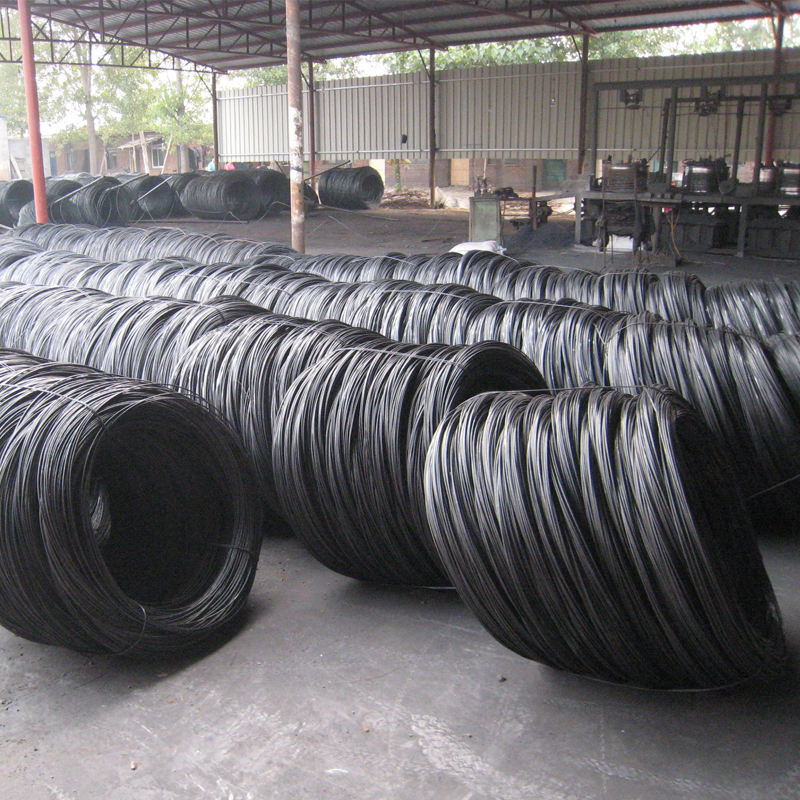
Why teams pick cold drawn steel wire here
- Stable drawability: fewer die changes, fewer wire breaks.
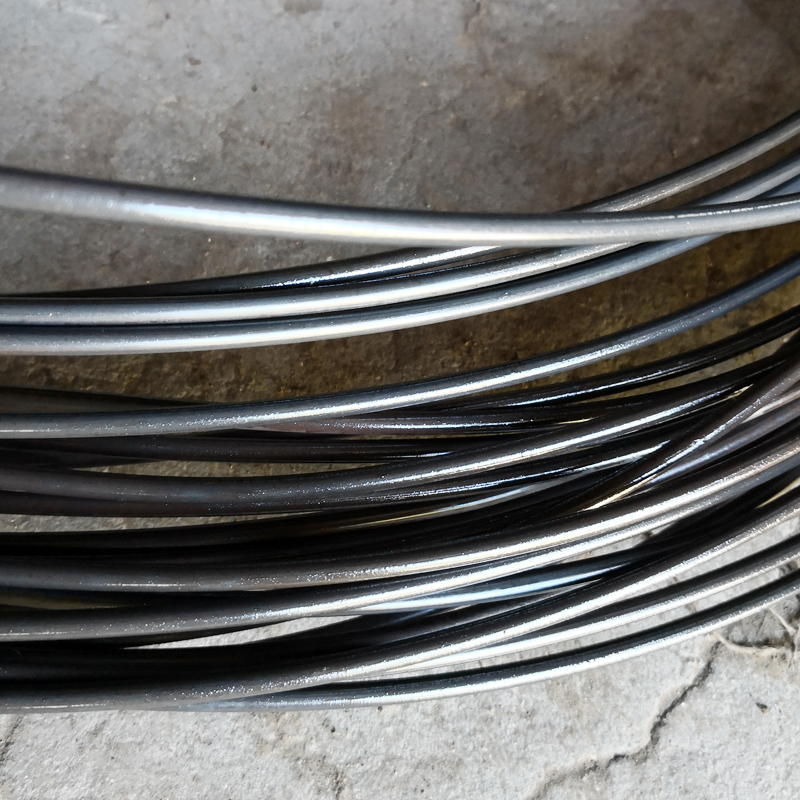
- Surface consistency: helps nail points and heads come out clean.
- Broad compatibility: common/roofing nails, hangers, tie-wire feedstock.
- Reasonable lead times and fair pricing—especially for steady volumes.
Typical specs (indicative)
| Diameter | Grade | UTS ≈ (MPa) | Elong. ≈ (%) | Coil weight | Finish | Tol. (mm) |
|---|---|---|---|---|---|---|
| 1.6–4.5 mm (custom) | SAE 1006/1008, Q195/Q235 | 450–650 | 16–25 | 500–1500 kg | Black (oiled) | ±0.02–0.05 |
Note: real-world use may vary by diameter, drawing reduction, and heat history. Request lot-specific data sheets.
Testing snapshot (sample lot)
3.0 mm wire: UTS 580 MPa; Rp0.2 370 MPa; elongation 19%; bend 180° no crack (mandrel 2×d). Chem: C 0.07%, Mn 0.35%, P 0.012%, S 0.018% (typical).
Vendor landscape (my short list)
| Vendor | Strengths | MOQ / Lead | Certs | Customization | Price band |
|---|---|---|---|---|---|
| YJD Wire Mesh (Shenze) | Stable quality; fast feedback | ≈10–20 t / 2–4 wks | ISO 9001; 3.1 cert | Tolerances, coil ID, oiling | Mid |
| Regional Mill A | Broad diameter range | ≈25 t / 4–6 wks | ISO 9001 | Standard | Mid–High |
| Budget Importer B | Aggressive pricing | ≈10 t / 5–7 wks | Basic QC docs | Limited | Low |
All figures are indicative; verify current terms. Honestly, service and consistency tend to outweigh small price gaps.
Customization and logistics
- Diameters from ≈1.6–4.5 mm; tighter tolerances for high-speed nailers.
- Coil options: 500–1500 kg; coil ID/OD tailored to payoff stands.
- Surface: black/oiled; VCI wrap or PE film for storage (helps service life to 6–12 months indoors).
- Docs: ISO 9001, EN 10204 3.1, RoHS/REACH statements if needed.
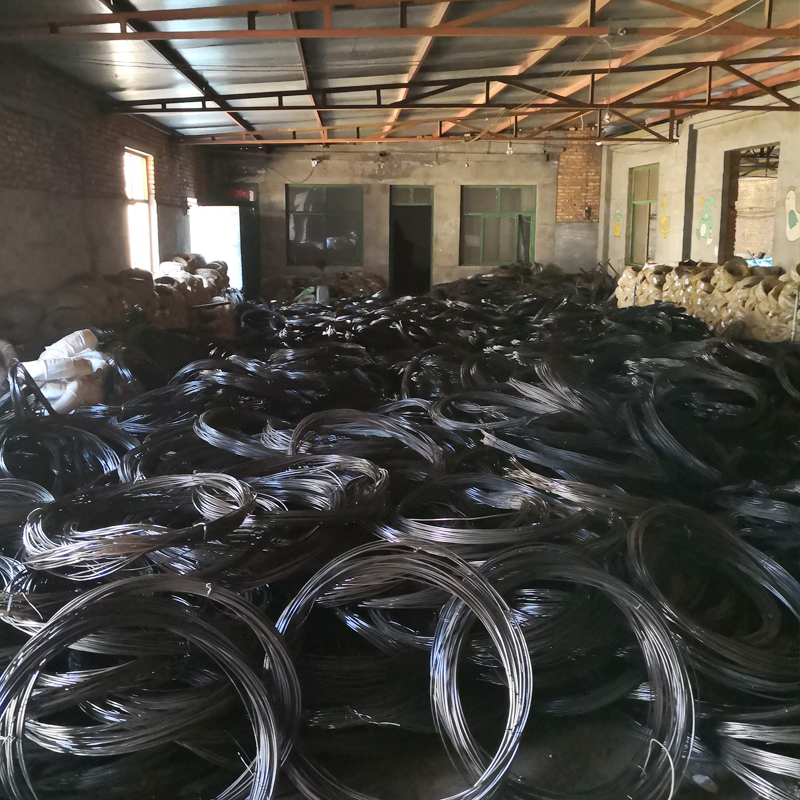
Use cases and field notes
- Common/roofing nails: a mid-size plant in Vietnam reported ≈18% fewer line stoppages after switching, mainly due to steadier diameter and cleaner surface.
- Hangers: one EU buyer asked for ±0.03 mm; bending springback settled nicely after a light stress relief—surprisingly effective.
Downstream service life depends on coating. Black wire nails for indoor carpentry are fine; roofing nails typically require galvanizing for multi‑year weathering.
Final thought
If your priority is predictable throughput, cold drawn steel wire like this—kept simple, tested to mainstream standards, and shipped smartly—usually beats exotic specs. Actually, that’s what keeps factories profitable.
Authoritative references
- ASTM A853/A853M – Steel Wire, Carbon, General Purpose.
- EN 10218-2 – Steel wire and wire products: General requirements, Part 2: Wire dimensions and tolerances.
- ISO 9001 – Quality management systems (certification framework for manufacturers).
- ISO 6892-1 – Metallic materials, Tensile testing, Part 1: Method of test at room temperature.