Understanding 18 Gauge GI Wire: Use, Benefits, and Global Impact
Ever stumbled across the term 18 gauge gi wire and wondered what makes it so important? Whether you're in construction, agriculture, or even relief work, this humble wire plays a surprisingly huge role worldwide. From reinforcing infrastructure to fencing remote farms, its strength and versatility matter in ways that ripple through industries and communities alike.
Introduction: The Global Context of 18 Gauge GI Wire
Globally, galvanized iron (GI) wire, specifically 18 gauge, is a staple material. According to ISO standards and industry reports, galvanized wire use has grown steadily as economies expand their manufacturing and infrastructure bases. The World Bank notes that developing regions, especially in South Asia and Africa, have increased demand for reliable, low-cost materials like GI wire for fencing, construction mesh, and industrial purposes. However, challenges persist — supply chain variability and quality assurance can limit accessibility precisely where it’s needed most.
18 gauge GI wire offers an affordable, corrosion-resistant solution to these challenges, making it essential both in everyday applications and emergency scenarios worldwide.
What is 18 Gauge GI Wire?
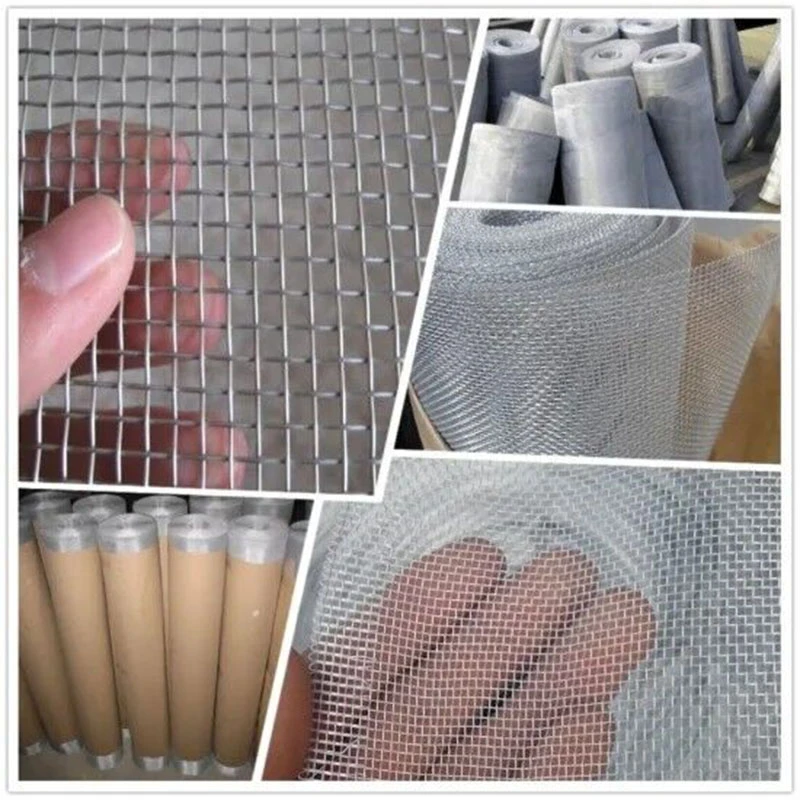
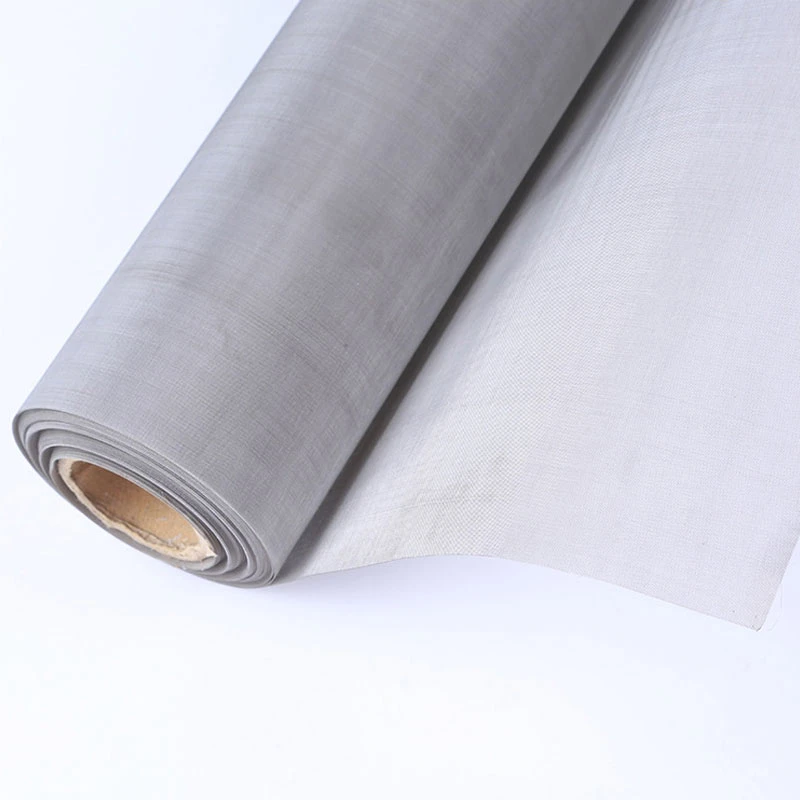
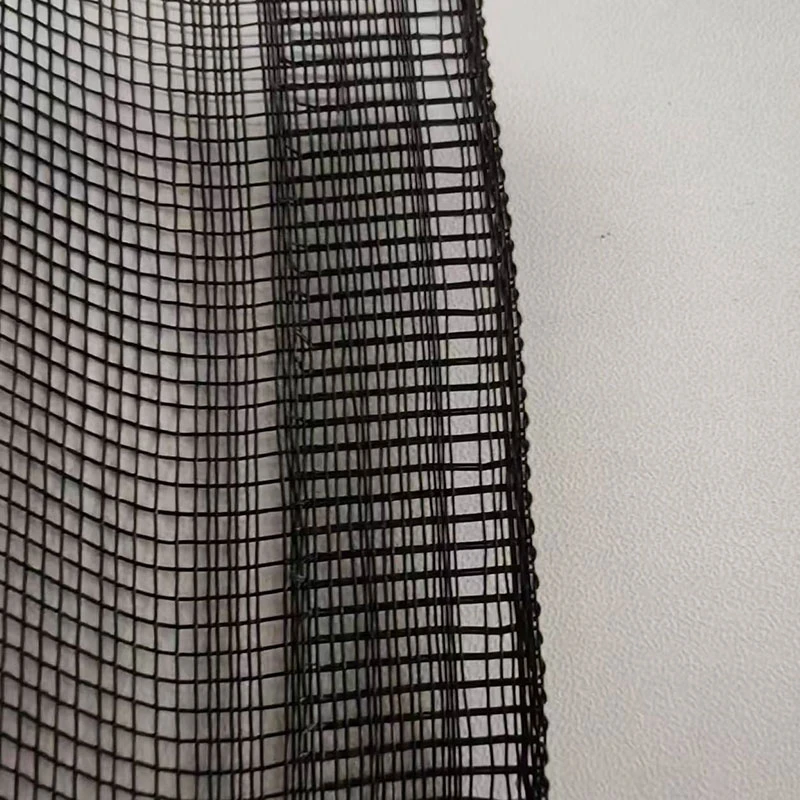
Simply put, 18 gauge GI wire is a type of galvanized iron wire that measures about 1.22 millimeters in diameter (or roughly 0.05 inches). Galvanization means it’s coated with zinc — a protective layer that prevents rusting and extends lifespan. This wire is widely used in fencing, mesh production, and binding because it's thin enough to be flexible yet strong enough to hold firm under strain.
In many ways, 18 gauge GI wire epitomizes the blend of utility and durability that modern industry demands. Its resistance to weather and mechanical wear aligns perfectly with humanitarian needs, such as in rebuilding efforts after natural disasters or supporting agricultural sustainability in tough climates.
Key Factors to Consider About 18 Gauge GI Wire
1. Durability
The zinc coating on GI wire serves as a shield against corrosion — vital for outdoor use where moisture and pollutants abound. This trait ensures fences and structures last longer, which in turn reduces maintenance costs. In practical terms, that means a farmer’s livestock or crops stay better protected season after season.
2. Flexibility & Strength
While 18 gauge wire is thinner than some heavier gauges, it strikes a wonderful balance by being malleable enough for shaping or weaving, yet strong enough for tension and load-bearing applications. Engineers appreciate its tensile strength for producing wire mesh panels and industrial bindings.
3. Cost Efficiency
Compared to thicker gauges or alternative materials like stainless steel, you get a lot of bang for your buck. The relative ease of manufacturing and widespread availability keeps costs down without sacrificing essential performance benchmarks.
4. Versatility
Whether it’s used in crop protection, construction reinforcement, or even artistic wire sculpting, 18 gauge GI wire’s adaptability is remarkable. This versatility supports a wide range of end users from large-scale industrial firms to smallholder farmers.
5. Environmental Impact
Oddly enough, galvanized wire production has become greener thanks to improved coating technologies and recycling processes, aligning with sustainable manufacturing initiatives common in ISO guidelines.
Product Specifications of Typical 18 Gauge GI Wire
| Specification | Details |
|---|---|
| Diameter | 1.22 mm (18 gauge) |
| Material | Galvanized Iron (GI) |
| Zinc Coating Thickness | 40-50 g/m² (typical) |
| Tensile Strength | 380-550 MPa |
| Standard Length per Coil | Up to 1000 meters |
| Common Uses | Fencing, mesh, binding, reinforcement |
Global Applications & Use Cases
So where does this trusty wire show up? Well, 18 gauge GI wire has found its way into countless scenarios worldwide:
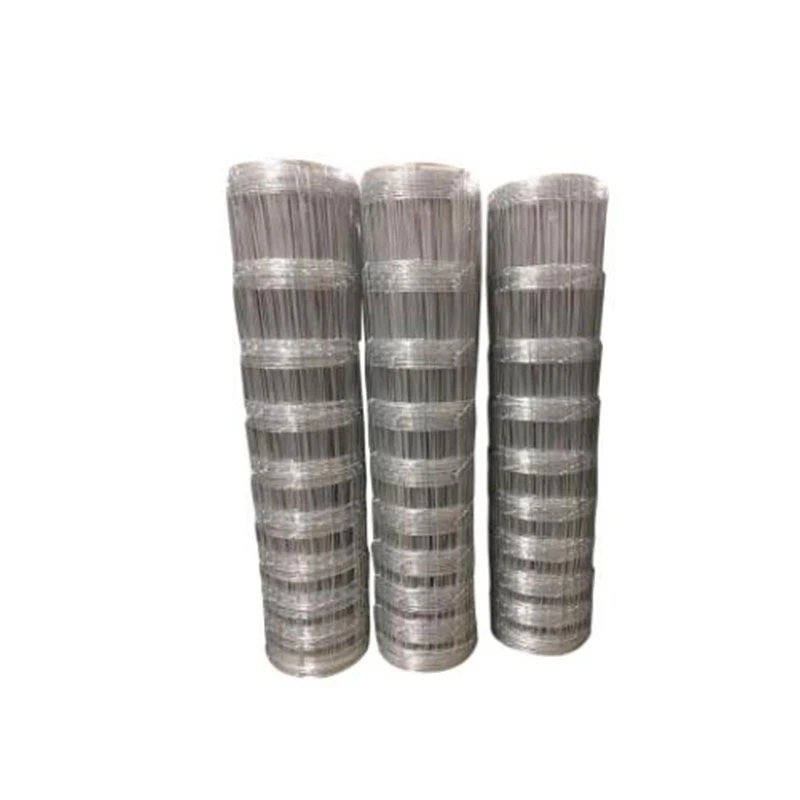
- Agriculture: Protecting crops and livestock with durable fencing in Asia, Africa, and Latin America.
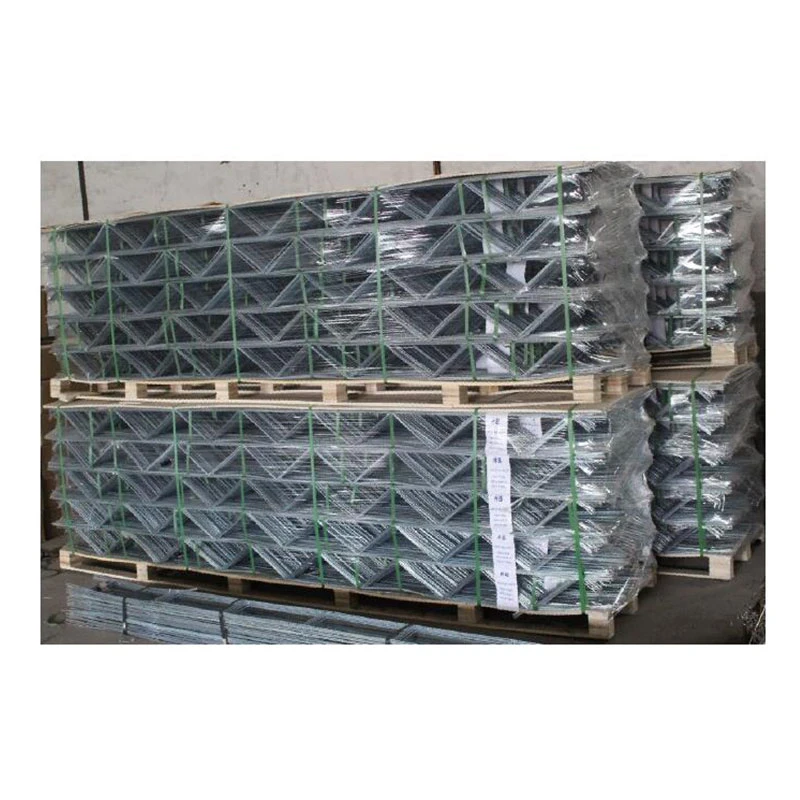
- Construction: Mesh reinforcement in concrete or plaster in developing countries undergoing rapid urbanization.
- Disaster Relief: Temporary shelters and emergency fencing in post-disaster zones, say after floods in Southeast Asia.
- Industrial: Manufacture of lightweight wire products for packaging and manufacturing.
For example, in parts of rural India, 18 gauge gi wire fences safeguard crops from wandering animals — a tiny investment that helps secure livelihoods and food security.
Vendor Comparison: Popular 18 Gauge GI Wire Suppliers
| Vendor | Zinc Coating (g/m²) | Tensile Strength (MPa) | Typical Price (USD/kg) | Lead Time |
|---|---|---|---|---|
| Supplier A | 45-50 | 520 | 1.5 | 2 weeks |
| Supplier B | 40-45 | 490 | 1.3 | 1 week |
| Supplier C | 50-55 | 540 | 1.7 | 3 weeks |
Advantages and Long-Term Value of 18 Gauge GI Wire
Honestly, the long game for 18 gauge GI wire boils down to three big wins: affordability, durability, and dependability. The zinc coating lessens environmental wear and tear, saving money on replacements. On a more emotional note, a farmer can trust a sturdy fence to keep their animals safe — that’s peace of mind you can’t easily quantify.
Environmental sustainability comes into play too. As recycling measures improve, the eco-footprint of GI wire production shrinks, helping industries meet ISO sustainability benchmarks. This mix of logic and feeling explains why it remains a go-to product in so many fields.
Future Trends & Innovations
The future really promises some interesting shifts for GI wire. Enhanced coatings using nanotechnology could boost corrosion resistance even further. Automation in manufacturing is improving consistency and reducing waste. There’s also growing interest in bio-based zinc recycling methods to satisfy stricter environmental regulations.
Plus, as digital infrastructure spreads globally, supply chain transparency for materials like 18 gauge GI wire improves — meaning better quality control and faster fulfillment.
Challenges and Solutions
Of course, no product is without hurdles. Variability in zinc coating thickness can cause some batches to rust prematurely. Shipping delays, particularly in remote regions, complicate supply. Product counterfeiting also shadows the market.
Industry experts recommend third-party quality inspections and certifications, as well as sourcing from reputable vendors — like those highlighted above — to ensure reliability. Investment in local production facilities can also alleviate logistics headaches.
FAQ: Common Questions About 18 Gauge GI Wire
- Is 18 gauge GI wire suitable for outdoor fencing?
- Yes, its galvanized zinc coating prevents rust, making it ideal for outdoor uses like fencing and mesh. It balances durability with flexibility, perfect for farm and industrial needs.
- How long does 18 gauge GI wire typically last?
- With proper installation, it can easily last 5 to 10 years or more outdoors, depending on environment and mechanical wear.
- Can 18 gauge GI wire be used in high-tension applications?
- It has decent tensile strength, but for extremely high loads, thicker gauges may be recommended. Still, it works well for many binding and reinforcement tasks.
- Where can I source quality 18 gauge GI wire internationally?
- Trusted vendors with certifications linked here, such as this supplier, provide internationally shipped coils with consistent quality standards.
Conclusion: Why 18 Gauge GI Wire Still Matters
In the big picture, 18 gauge GI wire’s blend of durability, cost-effectiveness, and versatility continues to make it an essential material across industries and geographies. Its role in supporting livelihoods, infrastructure, and sustainability initiatives cannot be overstated.
To explore more on quality galvanized wire products or to place an order, visit https://www.yjdwiremesh.com — your trusted source for reliable 18 gauge GI wire.
Mini-Takeaway: If you need a cost-efficient wire option that doesn’t compromise on strength or longevity, 18 gauge galvanized iron wire is a smart choice.
References: