Understanding 1mm Galvanised Garden Wire: Its Global Relevance and Benefits
Ever stumbled upon a thin, silvery wire used around gardens or farms and wondered about its significance? That’s often 1mm galvanised garden wire — a seemingly simple product but one that quietly supports global agriculture, infrastructure, and even disaster relief efforts. This wire’s thin profile belies its strength and versatility, making it a staple across continents.
Why should you care? Well, it’s about durability, sustainability, and practical innovation meeting everyday challenges. Understanding this wire means appreciating a humble material that helps protect ecosystems, optimize farming, and even promote socio-economic development in rural parts. Let’s delve into why 1mm galvanised garden wire matters—not just to gardeners but to industries and communities worldwide.
Global Context: Why the 1mm Galvanised Garden Wire Matters
According to the United Nations, smallholder farmers make up about 80% of the world’s famers and contribute significantly to global food supply. Many rely on accessible, efficient materials like galvanised wire for fencing and protection. The World Bank reports that over 60% of the world’s rural population depends on agriculture for income, underscoring the role of simple farming tools in global stability.
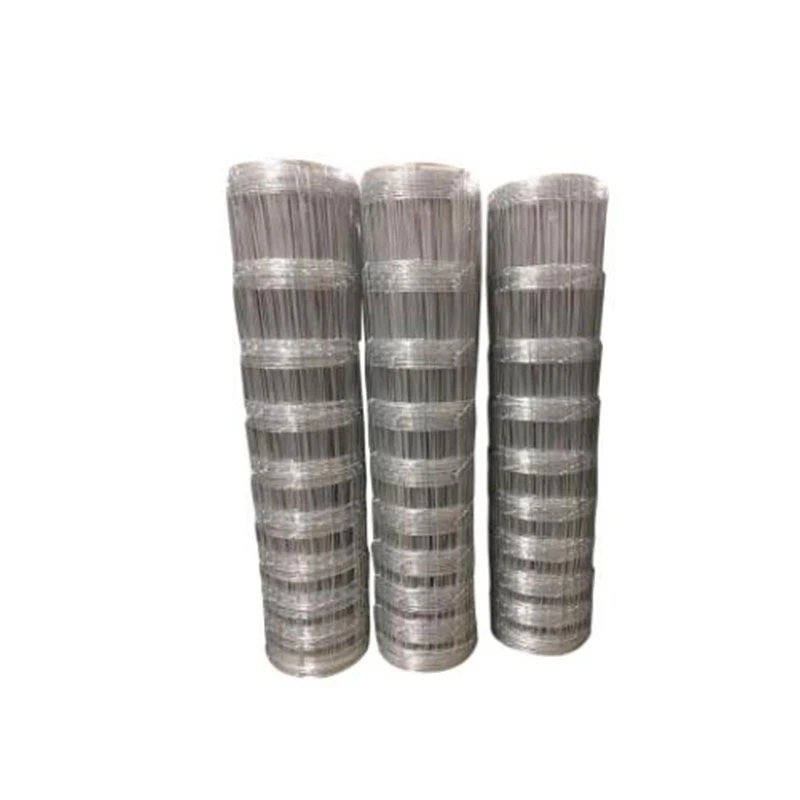
The problem? Protecting crops, managing livestock, and securing landscapes in regions prone to pests, weather extremes, or encroachment isn’t easy. That’s where 1mm galvanised garden wire steps in — offering a lightweight yet durable fencing solution that can be transported and installed quickly, even in challenging conditions.
What Is 1mm Galvanised Garden Wire?
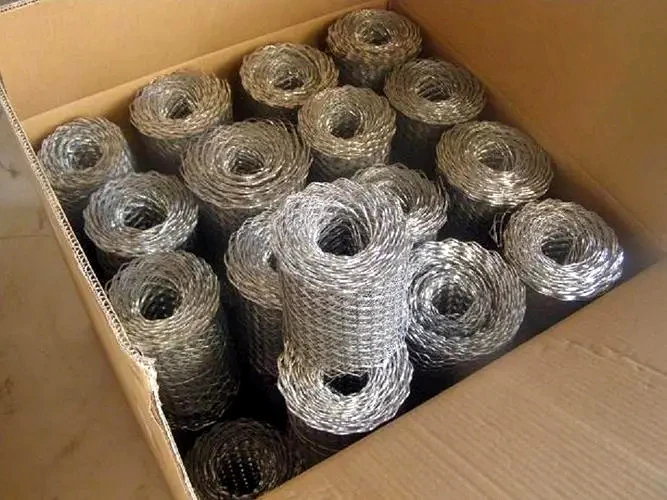
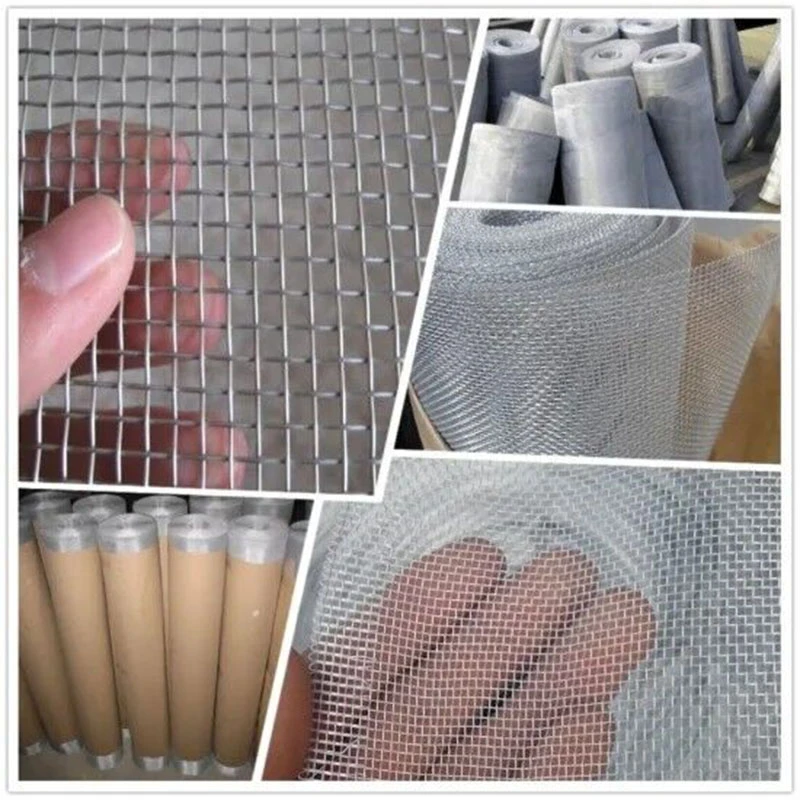
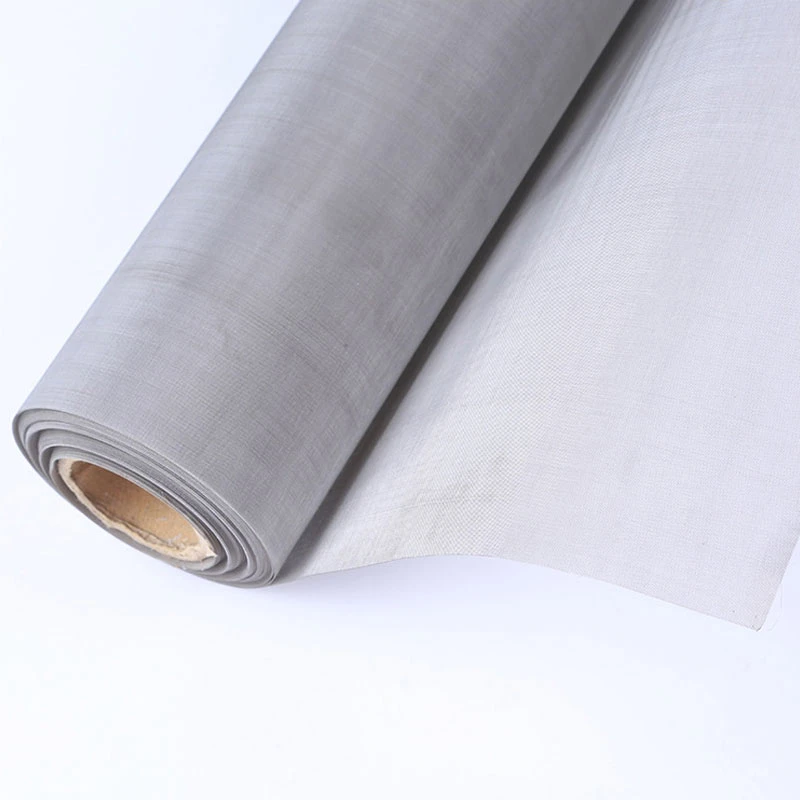
Simply put, it’s steel wire with a diameter of 1 millimeter that has been coated in a layer of zinc through galvanisation. This zinc coating offers crucial protection against rust and corrosion, dramatically extending the wire's working life outdoors. Think of it as a protective armor for a thin, flexible backbone that supports gardens, farms, and other fencing structures.
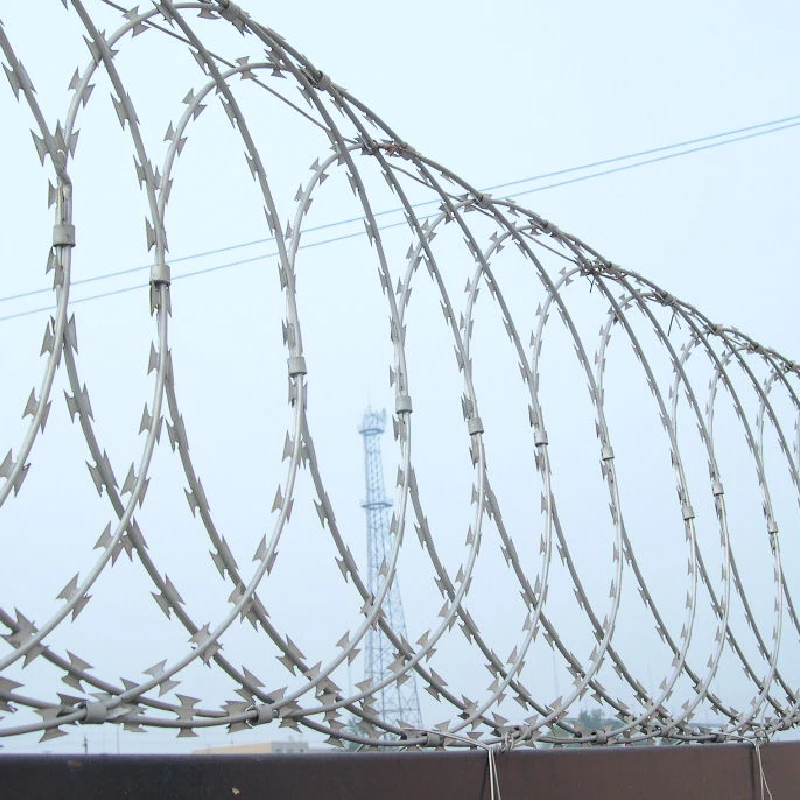
In modern industry and humanitarian contexts, this wire finds use beyond gardening—ranging from temporary fencing in disaster zones to reinforcement in lightweight constructions. Its balance of cost-effectiveness and resilience makes it indispensable.
Key Factors Behind 1mm Galvanised Garden Wire’s Performance
1. Durability
The galvanised zinc layer acts as a shield against moisture and oxygen, which means the wire resists rusting far better than untreated steel. This makes it usable in humid and coastal environments where corrosion can be rapid. Engineers often underscore this as the main selling point.
2. Flexibility
Despite its strength, the 1mm wire remains quite malleable. For gardeners or farmers, this means easy shaping, knotting, or weaving. Not every wire offers such a fine balance, honestly.
3. Cost Efficiency
Because it requires less metal and less zinc per meter than thicker wires, it is generally less expensive while delivering reliable performance. This affordability is key to its widespread adoption, especially in rural and developing regions.
4. Environmental Resistance
It withstands UV rays, rain, and pests without degrading quickly. This trait extends its utility beyond gardens to agricultural fencing and temporary protective barriers.
Typical Product Specifications
| Feature | Specification |
|---|---|
| Material | Low Carbon Steel |
| Diameter | 1 mm (±0.02 mm) |
| Galvanisation Type | Hot-dip galvanised |
| Coating Weight | ≥ 60 g/m² |
| Tensile Strength | 380–550 MPa |
| Available Lengths | 50m, 100m coils or custom |
Who Uses 1mm Galvanised Garden Wire Globally?
The wire’s applications range broadly. In Europe and North America, it’s a favorite for DIY gardening and landscaping projects. Meanwhile, in Africa and South Asia, it’s used extensively for fencing livestock, protecting crops, and forming temporary boundaries during humanitarian aid efforts.
For instance, NGOs employing temporary fencing to secure water points or agricultural plots after natural disasters often rely on thin galvanised wire for its portability and ease of deployment. In remote industrial zones, the wire secures equipment, delineates zones, and even facilitates small-scale infrastructure repair and reinforcement.
This tiny wire often plays an unheralded role in global food security and economic resilience.
Comparing Leading 1mm Galvanised Garden Wire Suppliers
| Supplier | Coating Quality | Price per 100m | Delivery Options | Certifications |
|---|---|---|---|---|
| YJD Wire Mesh | High (Hot Dip) | $55 | Worldwide, bulk orders | ISO 9001, RoHS |
| SteelCo Ltd. | Medium (Electrogalv) | $48 | Regional | ISO 14001 |
| WireMaster | High (Hot Dip) | $60 | Online, bulk orders | ISO 9001 |
Benefits & Long-Term Value of 1mm Galvanised Garden Wire
- Cost-effective longevity: Less frequent replacements mean savings over time.
- Environmental resilience: Zinc coating reduces waste and environmental contamination by limiting corrosion.
- Social impact: Facilitates improved food security and property protection for vulnerable communities.
- Ease of use: Lightweight materials mean faster deployments—critical in urgent scenarios.
On the emotional side, it’s reassuring to think that something so simple can bring peace of mind—whether protecting a family garden or livestock herd. This wire quietly underpins lives and livelihoods.
Looking Ahead: Trends and Innovation
The galvanising process itself is evolving. Many producers explore eco-friendlier zinc baths and alloys that extend wire lifespan while reducing environmental footprint. With sustainability front and center globally, these tweaks could make galvanised wire a greener choice.
Digital transformation is also touching this space—imagine wires embedded with sensors to monitor fencing integrity or livestock movements remotely. It sounds like sci-fi, but IoT applications are expanding in agriculture and infrastructure.
Automation in manufacturing means more consistent quality and potentially lower prices, boosting accessibility.
Challenges & Practical Solutions
One challenge is wire brittleness when overstrained; 1mm wire can snap under excessive tension. That’s why correct installation technique and tensioning tools matter. Also, cheaper electrogalvanised wires may not offer the same corrosion resistance, causing early failures.
Innovations like improved zinc coatings, polymer-impregnated layers, and hybrid composites help tackle durability concerns. Training end-users on best practices is just as crucial.
FAQs About 1mm Galvanised Garden Wire
- Is 1mm galvanised garden wire suitable for fencing large animals?
- Generally, it’s better suited for small animals, garden enclosures, or lightweight fencing, as its thin diameter limits tensile strength. For larger livestock, thicker wires or combined fencing solutions are recommended.
- How long does galvanised coating last outdoors?
- Hot-dip galvanised wire often lasts 15–25 years depending on climate exposure, while electrogalvanised variants may last 5–10 years. Coastal or industrial areas may reduce lifespan due to corrosive agents.
- Can I reuse galvanised wire after removing old fencing?
- Yes, if the wire is not damaged or heavily corroded. Inspect for breaks or rust; reusing reduces waste and cuts costs.
- Where can I order quality 1mm galvanised garden wire in bulk?
- Reliable suppliers such as YJD Wire Mesh offer worldwide shipping and certifications ensuring consistent quality.
Conclusion: Why 1mm Galvanised Garden Wire Is a Smart Choice
To sum up, 1mm galvanised garden wire packs a punch far beyond what its slender form suggests. It’s cost-effective, resilient, and versatile—serving gardeners, farmers, industries, and humanitarian actors alike. Whether you’re fencing off a vegetable patch or supporting infrastructure in challenging environments, this wire quietly delivers safety and stability.
Curious to see how it can fit your needs? Visit YJD Wire Mesh to explore options tailored to your project.
Mini takeaway: When you think “wire,” think more than just metal; think about connection, protection, and an often unnoticed backbone of global communities.