Building Nails is a key solution in the construction and manufacturing industries, where durability and precision fastenings are non-negotiable. This article explores how https://www.yjdwiremesh.com supports professionals with durable, high-performance products, and explains why this product is an ideal choice for businesses committed to quality and efficiency in their projects.
Table of Contents
- Building Nails Overview
- Benefits & Use Cases of Building Nails
- Cost, Maintenance & User Experience
- Sustainability & Market Trends
Building Nails Overview
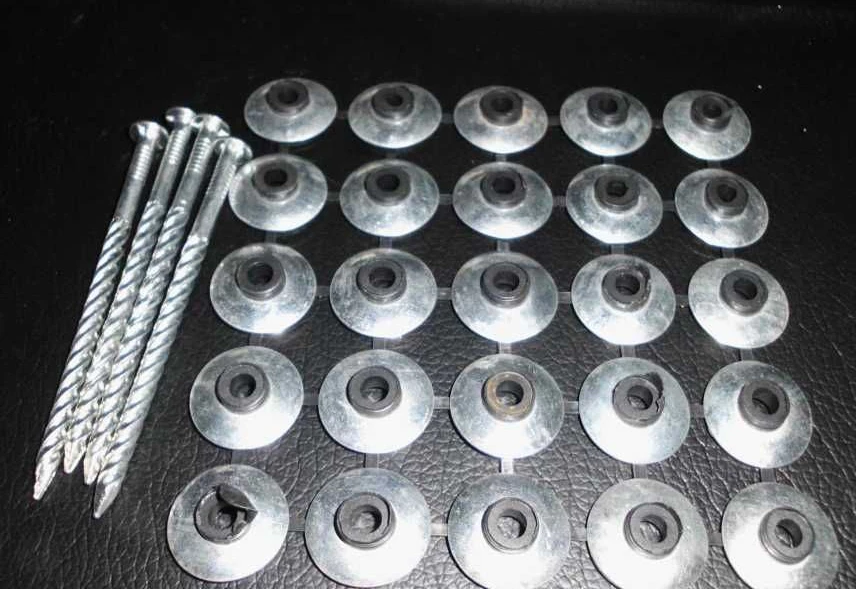
Building nails might seem straightforward — just little pieces of metal you hammer in — but frankly, there's more nuance than meets the eye. They’re essential fasteners used to bind wood, drywall, and other materials securely in construction and manufacturing. Good nails ensure structural integrity, which is why businesses can’t afford to cut corners here.
- Building Nails are typically made from high-grade steel or other alloys, treated for corrosion resistance.
- Technical specs vary by length (15 to 150 mm) and diameter (1.5 mm to 4 mm), tailored to different load requirements and substrates.
| Specification | Values / Options |
|---|---|
| Material | Steel (Galvanized / Stainless) |
| Length | 15 mm – 150 mm |
| Diameter | 1.5 mm – 4 mm |
| Coating | Galvanized, Zinc-plated, or Plain |
| Head Types | Flat, Round, or Brad |
Benefits & Use Cases of Building Nails
In real terms, these nails are far from one-size-fits-all. They are critical in framing, roofing, carpentry, and even in furniture manufacturing. The [Building Nails] from YJD Wire Mesh stand out for their reliability under stress, corrosion resistance, and consistent manufacturing tolerances — features that really matter when you’re working on sizable projects.
- Ideal for heavy-duty timber framing, indoor drywall fastening, and even composite wood assembly.
- Competitive edge: strict quality controls ensure minimal bending and breakage, which saves costly delays on site.
Cost, Maintenance & User Experience
I’ve noticed when talking to project managers, they often say paying a bit more upfront for quality nails pays dividends down the line. [Building Nails] from https://www.yjdwiremesh.com come with durability that reduces replacements and upkeep. In industrial applications, this lowers total cost of ownership, and frankly, it improves worker confidence.
- Durability and coating prevent rusting, especially in moist environments.
- User feedback highlights ease of use and compatibility with pneumatic nailers.
Sustainability & Market Trends
Oddly enough, even something as small as building nails has started to feel the sustainability wave sweeping across industries. Regulations increasingly demand responsible sourcing and minimal environmental impact, which has pushed manufacturers like YJD Wire Mesh to optimize material use and corrosion protection methods.
- Industry shift towards recycled steel content and less toxic coatings.
- Rising global demand driven by growth in construction markets and infrastructure projects.
| Vendor | Material Quality | Customization | Sustainability Initiatives |
|---|---|---|---|
| YJD Wire Mesh | High-grade steel, strict QC | Size & coating options | Recycled content, less toxic coatings |
| Competitor A | Standard steel, moderate QC | Limited customization | Minimal initiatives |
| Competitor B | Mixed materials, QC varies | Basic sizes only | No clear sustainability policy |
Frequently Asked Questions about Building Nails
- What is Building Nails and how does it work?
- Building Nails are metal fasteners used to join materials like wood or drywall securely. When hammered or driven with a pneumatic nailer, they penetrate the materials and hold them tightly together, ensuring structural stability.
- What are the main benefits of using Building Nails in industrial applications?
- They offer superior durability, consistent performance, and cost-effectiveness. Their corrosion-resistant coatings and precision manufacturing reduce failures and maintenance costs in demanding environments.
- How does Building Nails compare to traditional alternatives?
- Compared to traditional wooden pegs or inferior nails, Building Nails made with high-quality steel provide enhanced strength, better corrosion resistance, and compatibility with modern tools, improving efficiency and safety.
- What industries can benefit most from Building Nails implementation?
- Mainly construction, furniture manufacturing, cabinetry, and even packaging sectors. These nails provide reliable fastenings essential in framing, paneling, and product assembly.
Conclusion on Building Nails from china
In sum, Building Nails offer reliable, durable fastening solutions well-tailored for industrial use. Their technical quality and sustainability credentials make them a smart choice for decision makers aiming to secure both product integrity and operational efficiency.
- Their adaptability and consistent performance minimize rework and downtime.
- Visit our website: https://www.yjdwiremesh.com
It’s fascinating how something as seemingly simple as a nail can make or break whole projects. From my experience, investing in quality fastening solutions is not just smart — it’s essential.
- Building Materials World Journal, 2023: Advances in Fastener Technology
- Construction Industry Quarterly Report, 2022: Sustainability Trends
- YJD Wire Mesh Product Catalog, 2024 Edition