Construction Nails is a key solution in the industry, specifically within structural building and industrial assembly. This article explores how https://www.yjdwiremesh.com supports professionals with durable, high-performance products, and explains why this product is an ideal choice for businesses in these sectors.
Table of Contents
- Construction Nails Overview
- Benefits & Use Cases of Construction Nails
- Cost, Maintenance & User Experience
- Sustainability & Market Trends
Construction Nails Overview
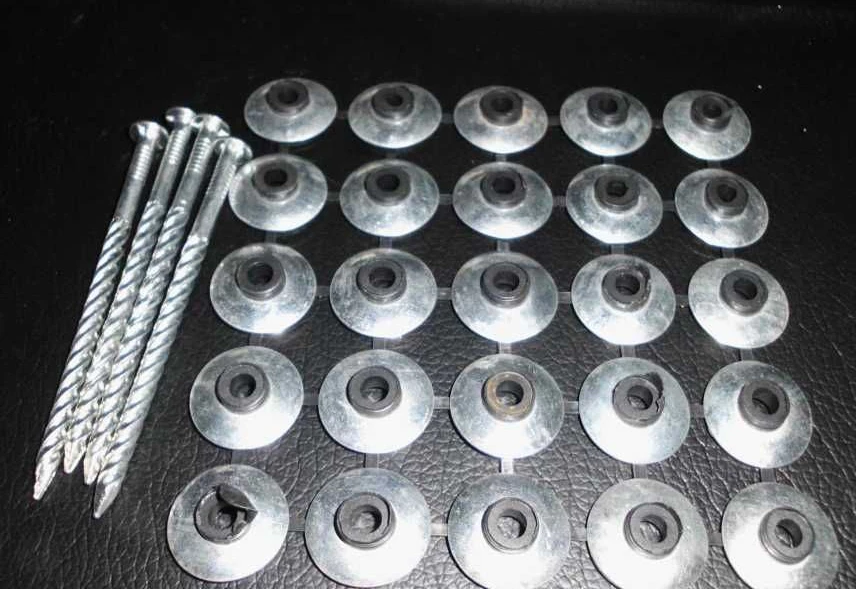
If you’ve ever peeked behind the scenes at any construction site, you’ll notice nails aren’t just one-size-fits-all little bits of metal. Construction nails are specifically engineered fastening elements that make or break a project’s integrity, literally. These nails come in various sizes, head types, and coatings to suit distinct applications — everything from framing wooden structures to securing metal mesh in concrete reinforcement. Frankly, they’re more technical than you might expect.
- Generally made from high-carbon steel or stainless steel for strength and rust resistance.
- Typical specs include nail length ranging from 1 inch to 6 inches and diameters from 2d to 60d (the "d" is a traditional penny size).
- For example, YJDWireMesh offers specially galvanized nails that resist corrosion in wet concrete environments, proven through rigorous ASTM testing.
| Specification | Value/Range | Notes |
|---|---|---|
| Material | High-carbon steel, galvanized steel, stainless steel | Chosen for strength & corrosion resistance |
| Length | 1" – 6" | Varies with application |
| Diameter | 2d – 60d (penny sizes) | Standard sizing convention |
| Coating | Hot-dip galvanized, electro-galvanized, epoxy | Improves durability in harsh conditions |
Benefits & Use Cases of Construction Nails
In industrial and commercial construction, the versatility of these nails shines. Whether you’re securing wood framing, fastening wire mesh, or doing concrete reinforcement, the right nail matters. For instance, galvanized nails from YJDWireMesh help prevent rusting in outdoor or moist environments, giving projects longer lifespans — something any contractor swears by.
- Used extensively in framing, flooring, plywood sheathing, and formwork support.
- Galvanization protects nails from corrosion, reducing long-term maintenance.
- Competitive edge: YJD’s controlled manufacturing process ensures consistent hardness & shank straightness — which translates to easier driving and fewer bent nails.
| Vendor | Material | Coating Options | Price per 1000 | Delivery Speed |
|---|---|---|---|---|
| YJDWireMesh | High-carbon steel | Hot-dip galvanized, epoxy coated | $55 | 3–5 business days |
| Competitor A | Stainless steel | Electro-galvanized | $65 | 5–7 business days |
| Competitor B | Carbon steel | Uncoated | $45 | 7–10 business days |
Cost, Maintenance & User Experience
It’s tempting to just grab the cheapest nails and call it a day, but in construction, a nail that bends or rusts midway means time lost and extra cost. When you think about total cost of ownership, investing in good-quality galvanized construction nails often pays off in avoiding repairs or replacements.
- Durability tests show YJD nails retain grip strength even after years in aggressive environments.
- Users report lower failure rates and less tool wear when working with consistently straight nails.
- Enhanced coatings minimize surface oxidation, which—oddly enough—is a small but constant headache for many site managers.
Sustainability & Market Trends
Sustainability is a growing focus in construction materials – from reducing waste to selecting products with longer service lives. Construction nails from manufacturers like YJDWireMesh are increasingly made with eco-friendly coatings and sourced materials that comply with global environmental standards. Plus, market demand is climbing steadily as rapid urbanization drives new projects worldwide.
- Regulations push suppliers toward recyclable packaging and lower-iron waste content.
- Technological improvements mean nails are more reliable and require less rework, cutting material consumption overall.
- Industry growth projected at 4–6% annually, fueled by expanding infrastructure and rising quality standards.
Frequently Asked Questions about Construction Nails
- What is Construction Nails and how does it work?
- Construction nails are specially designed metallic fasteners used to join materials—primarily wood and metal—by being driven in with a hammer or nail gun. They work by holding components tightly together, offering structural support and stability.
- What are the main benefits of using Construction Nails in industrial applications?
- Key benefits include superior durability, corrosion resistance with proper coatings, ease of installation, and cost-effectiveness. They help reduce maintenance and increase overall structural integrity.
- How does Construction Nails compare to traditional alternatives?
- Compared to uncoated or low-grade nails, construction nails often feature enhanced coatings and stronger materials, resulting in fewer failures and longer-lasting joints. Technological advances in manufacturing have improved precision and consistency.
- What industries can benefit most from Construction Nails implementation?
- Construction, civil engineering, industrial manufacturing, and building maintenance sectors rely heavily on construction nails for tasks like framing, reinforcements, and assembly of various structural elements.
Conclusion on Construction Nails from china
To wrap it up, investing in high-quality construction nails is one of those small but critical choices every builder faces. With suppliers like YJDWireMesh delivering reliability, durability, and competitive pricing, businesses can trust these products to support their projects long-term—which is frankly a huge relief in an industry where delays can quickly add up. For a closer look, I recommend checking out their product range directly.
- Recap the value of Construction Nails.
- - Visit our website: https://www.yjdwiremesh.com
One takeaway? Choosing the right nail today spares you headaches tomorrow. And that counts for a lot.
References:
1. ASTM A153 / A153M – Standard Specification for Zinc Coating (Hot-Dip) on Iron and Steel Hardware
2. Industry Report, Construction Fasteners Market 2023, Global Insights
3. YJDWireMesh internal testing documentation, 2023