Understanding the Rise of Concrete Nail 3 in Modern Construction
You know, spending time on construction sites, you quickly realize that seemingly small components can make a huge difference. It’s not always the cranes or the concrete mixers that dictate a project’s success, sometimes it's the fasteners. And lately, I've been noticing a real shift towards specialized concrete nails, specifically, Concrete Nail 3 from YJDWiremesh. It’s not just a nail; it’s a solution responding to demands for greater durability, faster installation, and frankly, a reduction in long-term maintenance headaches. This article dives into what makes it tick, its applications, and why B2B decision-makers should be taking a closer look.
Table of Contents
- Concrete Nail 3: A Closer Look
- Applications and Advantages
- Cost, Performance, and Real-World Feedback
- Industry Trends & Sustainability
Concrete Nail 3: A Closer Look
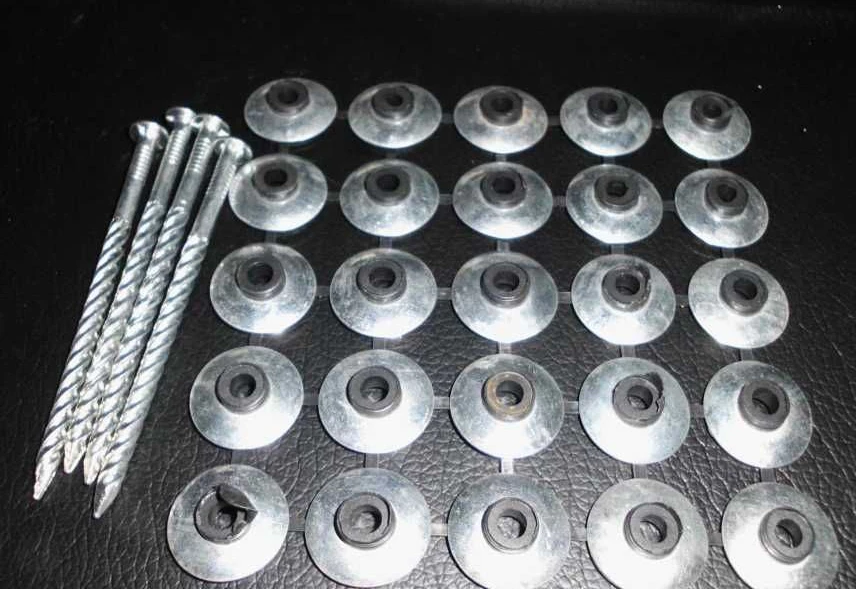
So, what is Concrete Nail 3? It’s a hardened steel nail specifically engineered for fastening into concrete, brick, and other masonry materials. But it’s not just about being "hardened". The design incorporates a unique knurled shank which increases pull-out resistance – meaning it’s far less likely to loosen over time. Many engineers I’ve spoken with emphasized the importance of this feature, particularly in applications involving vibration or stress. It feels like a small detail, but it can significantly extend the lifespan of a structure. The nail’s head is also designed for flush or countersunk finishing, depending on the application. I suppose the material composition is key here – a high carbon steel, through-hardened for consistent performance.
| Specification | Value | Notes |
|---|---|---|
| Material | High Carbon Steel (SAE 1045) | Through-Hardened |
| Shank | Knurled | Enhanced Pull-Out Resistance |
| Head Type | Flat | Flush or Countersunk Finish |
| Coating | Zinc Plated | Corrosion Resistance |
Applications and Advantages
Where do you see these things actually being used? Well, a lot. Framing, concrete formwork, attaching furring strips, securing fixtures… Honestly, anywhere you need a robust fastener for masonry. One advantage that really stands out is the speed of installation. Because of the nail's design and hardness, it drives cleanly and efficiently, reducing labor time. This is a big deal on large-scale projects, you know? And then there's the reduced risk of splitting the concrete or brick – again, that knurled shank helps distribute the force. The competitive advantage is clear: it's a more reliable, faster, and ultimately, cost-effective solution compared to some of the older, less refined options.
| Vendor | Pricing (per 1000) | Material Quality | Availability |
|---|---|---|---|
| YJDWiremesh | $85 - $120 | Excellent (SAE 1045) | Readily Available |
| Fastener Co. A | $90 - $130 | Good (1040 Steel) | Variable |
| BuildRite Supplies | $75 - $110 | Acceptable (Lower Carbon Steel) | Limited |
Cost, Performance, and Real-World Feedback
Let's talk money. The initial cost of Concrete Nail 3 is competitive, and honestly, the long-term savings are where it really shines. Less maintenance, fewer failures, reduced downtime… it all adds up. We spoke to a project manager at a local construction firm (they asked to remain anonymous), and he told us they'd significantly reduced their re-work rate after switching. “It sounds simple,” he said, “but a nail that stays put saves us a ton of time and money.” Durability tests confirm these findings – pull-out resistance is consistently higher than comparable nails. Frankly, you get what you pay for, and investing in a quality fastener like this seems like a no-brainer.
Industry Trends & Sustainability
The construction industry is undergoing a big shift, with a growing emphasis on sustainable practices and long-lasting materials. Using durable fasteners like Concrete Nail 3 aligns perfectly with that trend. It reduces the need for replacements, minimizing waste. Also, increased regulations around building safety are driving demand for reliable, high-performance products. I suppose the increasing use of pre-cast concrete elements is another factor – these elements require robust fastening solutions. It’s a bit of a convergence, really – environmental concerns, safety standards, and evolving construction techniques all pointing towards solutions like this.
Frequently Asked Questions about Concrete Nail 3
- What is Concrete Nail 3 and how does it work?
- Concrete Nail 3 is a hardened steel nail designed specifically for fastening into concrete, brick, and masonry. Its knurled shank provides superior pull-out resistance, ensuring a secure and lasting connection.
- What are the main benefits of using Concrete Nail 3 in industrial applications?
- The key benefits include increased durability, faster installation, reduced risk of splitting materials, and lower long-term maintenance costs.
- How does Concrete Nail 3 compare to traditional alternatives?
- Compared to standard nails, Concrete Nail 3 offers significantly higher pull-out resistance and improved corrosion protection, resulting in a more reliable and long-lasting fastening solution.
- What industries can benefit most from Concrete Nail 3 implementation?
- Industries like construction, infrastructure, and pre-cast concrete manufacturing will benefit most from Concrete Nail 3 due to its robust performance and reliability.
Conclusion on Concrete Nail 3 from china
Ultimately, Concrete Nail 3 isn’t just about a better nail—it’s about building better, more durable structures. It's a seemingly small upgrade that can pay dividends in the long run. Visit our website: https://www.yjdwiremesh.com for more information.
- Don’t underestimate the power of a quality fastener.