Understanding the Strength and Applications of a Concrete Nail 3 Inch
When undertaking construction or renovation projects requiring a secure fastening solution in concrete, a concrete nail 3 inch stands out as a reliable and efficient choice. These specialized fasteners are engineered to penetrate and anchor firmly into concrete, brick, and other masonry materials. This guide provides a comprehensive overview of concrete nails, their uses, specifications, and why choosing a quality supplier like YJDWiremesh is crucial for project success. Selecting the right fastener can significantly impact the durability and safety of your work.
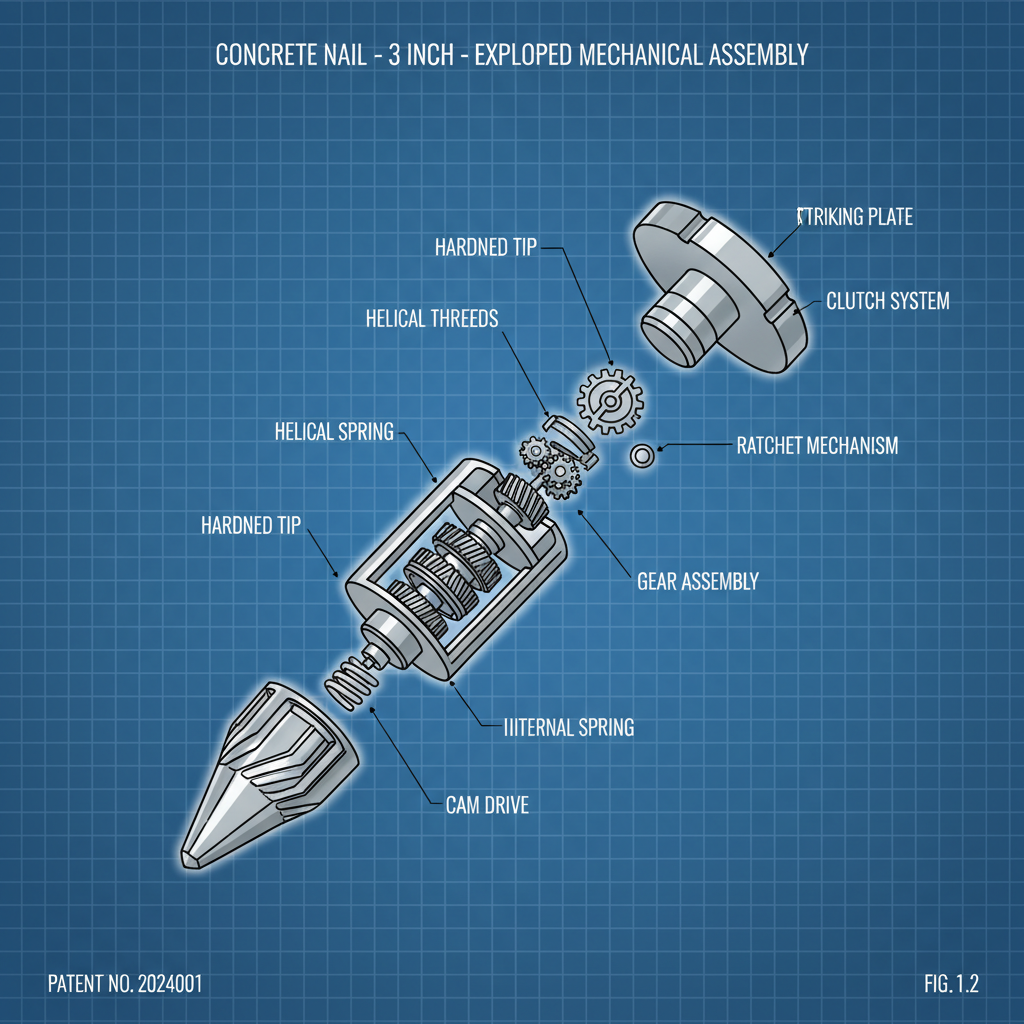
What are Concrete Nails and Why Use Them?
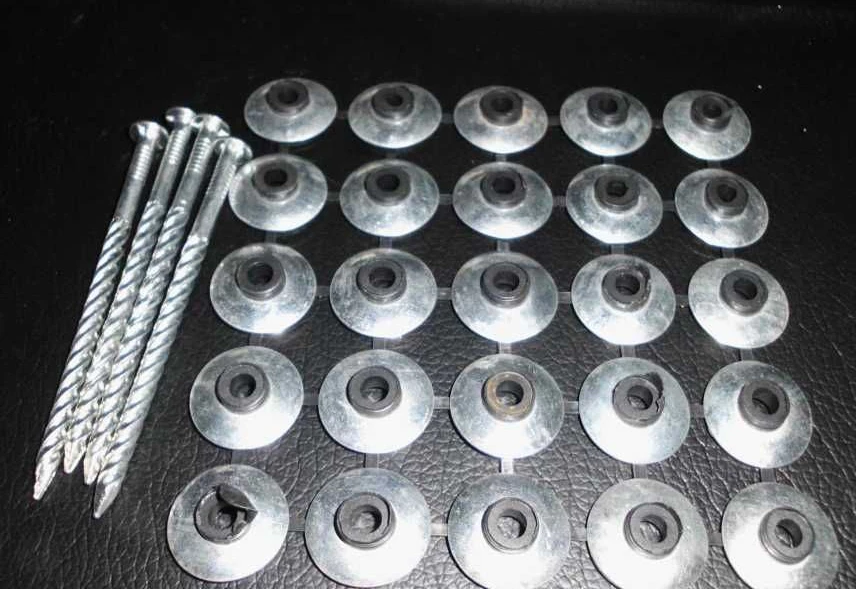
Concrete nails, unlike traditional wood nails, are hardened steel fasteners designed to withstand the high compressive strength of concrete. They are typically manufactured from carbon steel and are often case-hardened to enhance their durability and penetration ability. Using concrete nails offers several advantages over other fastening methods like screws or bolts – they are often faster to install, requiring less pre-drilling, and can be more cost-effective for certain applications. They're ideal for tasks where a permanent and robust connection is necessary. A reliable supplier, like YJDWiremesh, ensures consistent quality and performance.
Key Benefits: Faster installation, cost-effectiveness, robust permanent connections, ideal for various masonry materials.
Typical Applications of a 3 Inch Concrete Nail
A 3-inch concrete nail is a versatile fastener suitable for a variety of construction and repair applications. These include securing wood framing to concrete foundations, attaching furring strips for drywall installation, fastening wood siding or trim to concrete walls, and anchoring electrical boxes or plumbing fixtures. They’re also frequently used in fencing applications and for securing signage to concrete surfaces. The 3-inch length provides sufficient penetration for a strong and lasting hold in most common concrete applications.
Common Use Cases:
• Securing wood framing to concrete foundations
• Attaching furring strips for drywall
• Fastening wood siding to concrete walls
• Anchoring electrical boxes and plumbing fixtures
Concrete Nail 3 Inch: Specifications and Materials
Understanding the specifications of a concrete nail is vital for ensuring it's suitable for your project. A standard 3-inch concrete nail typically features a diameter ranging from 0.120 to 0.148 inches. The nail is constructed from high-carbon steel, often with a bright finish or a coating to resist corrosion. The hardness of the nail is also critical – a Rockwell C hardness of 55-60 HRC is common. The shank design is usually smooth, allowing for easier driving into concrete, while the head is typically flat to provide a secure bearing surface.
Choosing the Right Supplier: YJDWiremesh
Sourcing concrete nails from a reputable supplier is paramount. YJDWiremesh offers a consistent supply of high-quality concrete nails, manufactured to exacting standards. We provide detailed product specifications, competitive pricing, and reliable delivery services. By choosing YJDWiremesh, you ensure your project benefits from durable, reliable fasteners that meet your exact requirements. We prioritize customer satisfaction and strive to provide exceptional support throughout the procurement process.

Safety Considerations When Using Concrete Nails
When working with concrete nails, safety should always be a top priority. Wear appropriate personal protective equipment (PPE), including safety glasses, gloves, and hearing protection. Use a hammer designed for driving hardened steel fasteners, and ensure the work area is clear of obstructions. Avoid striking the nail at an angle, as this can cause it to bend or break. If resistance is encountered while driving the nail, stop and reassess the situation – attempting to force it can lead to injury. Always follow manufacturer’s instructions and local safety regulations.
Conclusion: Secure Your Projects with Quality Concrete Nails
Investing in high-quality concrete nails from a trusted supplier like YJDWiremesh is essential for ensuring the structural integrity and longevity of your projects. By understanding the specifications, applications, and safety considerations associated with these fasteners, you can achieve professional-quality results with confidence. Don’t compromise on quality – choose YJDWiremesh for all your concrete nail needs.
Frequently Asked Questions (FAQs)
What type of hammer is best for driving concrete nails?
A specialized hammer designed for hardened steel fasteners is recommended. These hammers typically have a heavier head and a hardened face to withstand the force required to drive concrete nails without damaging the hammer itself. Avoid using standard framing hammers, as they may chip or break when striking concrete nails. Using the correct hammer will not only make the job easier but also significantly improve safety.
Can concrete nails be used in brick?
Yes, concrete nails can be effectively used in brick, although the penetration may differ slightly compared to concrete. The hardened steel allows them to penetrate the brick's surface. However, it’s important to select the correct nail length to ensure adequate penetration and a secure hold. For softer bricks, a slightly shorter nail may suffice, while harder bricks may require a longer nail.
What is the difference between smooth and ring shank concrete nails?
Smooth shank concrete nails are the most common type, offering ease of driving. Ring shank nails feature a series of rings along the shank, which increase holding power by creating more friction within the concrete. While ring shank nails require more force to drive, they provide a more secure and lasting connection, particularly in applications subject to vibration or stress.
How should concrete nails be stored to prevent corrosion?
To prevent corrosion, concrete nails should be stored in a dry, indoor environment. Avoid exposure to moisture, humidity, and direct sunlight. If possible, store them in their original packaging or in a sealed container. Applying a light coat of oil can also help protect them from rust. Proper storage will ensure the nails remain in optimal condition for future use.