Different Types of Building Nails
After working in the industrial equipment sector for over two decades, I’ve come across more types of building nails than I can count on my fingers — and toes. You’d think a nail’s just a nail, right? Frankly, it’s more nuanced. The right nail can make or break your project, literally.
It’s pretty fascinating how these simple pieces of metal differ by design, material, and intended use. In real terms, choosing incorrectly can lead to structural failures or time-consuming redo’s — and nobody wants that on a job site.
Common Nail Types and Uses
Let’s start with the basics. Common nails are your all-rounders, usually made from galvanized steel with a thick shank and wide head — great for framing and general construction. Then there are finishing nails, thinner with small heads designed to sit flush or just below surfaces, perfect for trim work or cabinetry.
Don’t overlook casing nails, which are basically beefier finishing nails, ideal for attaching door and window casings without splitting delicate wood. If your project calls for masonry, you’ll want hardened or concrete nails — they've got to bite into stone, brick, or concrete without bending.
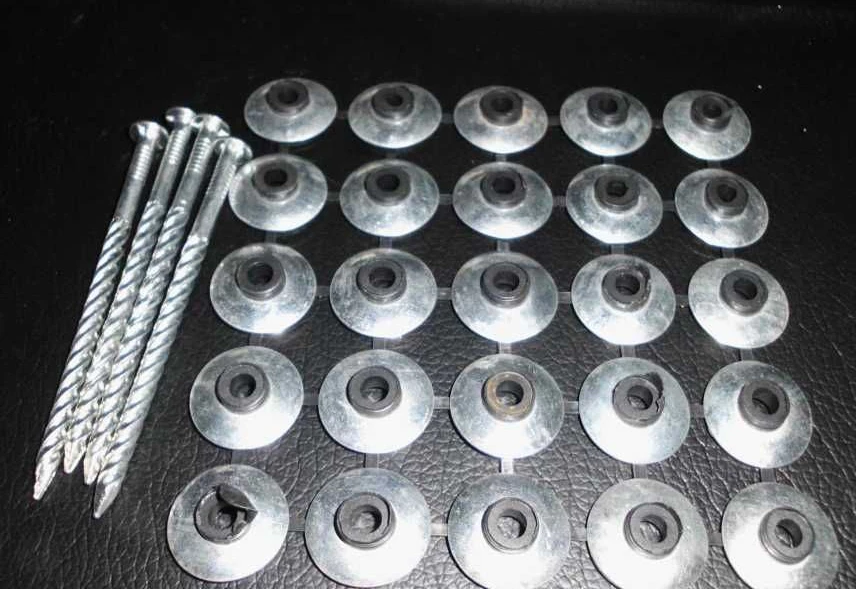
Oddly enough, roofing nails are another breed, sporting broad heads and corrosion-resistant coatings. These nails fight the elements, keeping your shingles locked tight through wind and rain.
Materials and Coatings
Material matters more than many realize. Most nails come in steel, stainless steel, copper, or even aluminum. Steel nails are cost-effective and sturdy, but can rust if left unprotected. That’s why galvanized or vinyl-coated nails are popular; they resist corrosion, extending the life of your build.
Stainless steel nails? Expensive, yes. But for marine environments or extremely humid climates, they’re worth every penny. I remember one project at a lakeside cabin where galvanized nails simply couldn’t keep up — stainless steel nails saved the day.
Product Specifications At a Glance
| Nail Type | Material | Head Style | Typical Uses | Corrosion Resistance |
|---|---|---|---|---|
| Common Nail | Galvanized Steel | Flat | Framing, Rough Carpentry | Medium |
| Finishing Nail | Steel or Stainless Steel | Small, Slightly Rounded | Trim, Cabinets | High (stainless) to medium (steel) |
| Masonry Nail | Hardened Steel | Flat or Small Head | Concrete, Brick | High |
| Roofing Nail | Galvanized Steel or Aluminum | Wide, Flat Head | Shingles, Roofing Felt | High |
Vendor Comparison: Who Makes What?
Okay, so you’ve picked the nail type. But where to buy from? I’ve dealt with a few big-name vendors, and while specs may look similar on paper, quality and stock availability can vary wildly. Below is a quick comparison I put together from years of sourcing nails for different projects.
| Vendor | Product Range | Custom Options | Lead Times | Pricing | Reliability |
|---|---|---|---|---|---|
| YJD Wire Mesh | Wide (common, finishing, special nails) | Yes, length, diameter, coatings | 2-3 weeks (custom), 1 week (standard) | Competitively priced | High, consistent deliveries |
| Vendor B | Moderate (mostly common nails) | Limited | 1-2 weeks | Lower base price but extras | Medium (occasional delays) |
| Vendor C | Specialized, premium nails | Yes, but pricier | 3-4 weeks | Higher than average | High |
In my experience, YJD Wire Mesh nails strike a solid balance between price, quality, and customization. I remember a project where rapid customization was needed — YJD pulled through quickly with just what was required, which honestly saved quite a bit of headache on site.
Final Thoughts
You might say nails are humble, unassuming heroes in construction, and I’d agree. Sure, they’re easy to overlook, but understanding those little details — from head design to corrosion resistance — can seriously improve build quality and durability. Oddly enough, learning about nails makes you appreciate how engineering isn’t always about complex machines but thoughtful, durable simplicity.
So next time you pick up a box of nails, think about the project, the environment, the materials involved — and choose wisely.
Stay curious, and your builds will thank you.
- Smith, J. “Construction Fasteners and Hardware,” Building Materials Journal, 2018.
- Davis, A. “Corrosion Resistance in Building Materials,” Industrial Coatings Review, 2020.
- YJD Wire Mesh Product Catalog, 2023.