Different Types of Nails for Construction
Having spent over two decades in the industrial equipment sector, I can tell you that nails are deceptively simple yet absolutely critical components in construction. You might glance over a box of nails at your local hardware store and think, “They’re all the same,” but frankly, that couldn’t be further from the truth. Different projects, materials, and environments call for specific types of nails — each with its own quirks and strengths.
Nails are not just nails; their design, material, and finish matter a lot. Oddly enough, the simpler they look, the more engineering goes into optimizing them. Let’s take a little tour through the main types you’ll encounter, and I’ll share some insights from my years working around these staples of building.
Common Nail Varieties in Construction
Wire Nails are probably the most ubiquitous—thin, slender, and usually zinc-plated or galvanized to resist rust. You’ll find these in framing and general carpentry. They’re reliable for holding wood structures together but may bend if hammered poorly or if the wood is particularly hard.
Box Nails look a lot like common nails but have a thinner shank. They create less splitting in wood and are frequently preferred for lighter woodworking or casing.
Finish Nails are a staple when appearance matters. With smaller heads, they can be countersunk and covered to maintain clean surfaces on trim or molding. I always appreciated these when I worked on fit-out projects where neatness was key.
Concrete Nails are made of hardened steel to penetrate masonry or concrete. These have a fluted shank for better grip, and using nails not designed for concrete often means poor hold and damage to materials.
Roofing Nails have large, flat heads to hold shingles down securely. These usually have a galvanized or aluminum finish to withstand the elements, which is crucial given their exposure.
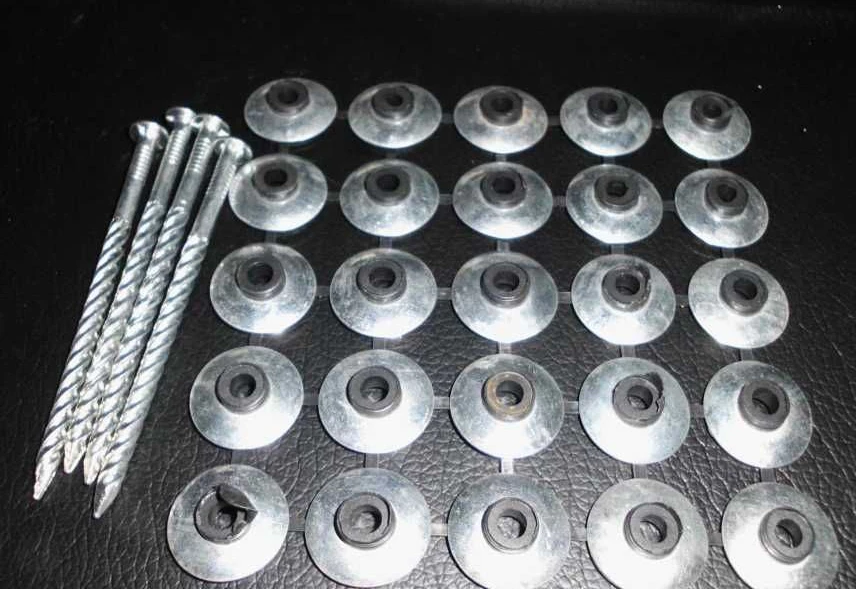
Finally, Spiral-Shank Nails improve holding power by twisting into the wood fibers. They’re fantastic where structural stability is non-negotiable — for example, decking or flooring that sees a lot of foot traffic.
| Nail Type | Material | Primary Use | Head Type | Rust Resistance |
|---|---|---|---|---|
| Wire Nail | Steel, Zinc-plated | Framing, Carpentry | Flat | Moderate |
| Box Nail | Steel, Galvanized | Light Woodwork | Flat | Good |
| Finish Nail | Steel | Trim, Molding | Small Head | Low |
| Concrete Nail | Hardened Steel | Masonry | Flat | High |
| Roofing Nail | Steel, Galvanized or Aluminum | Roof Shingles | Large Flat | Very High |
| Spiral-Shank Nail | Steel, Zinc-plated | Decking, Flooring | Flat | Moderate |
Vendor Comparison: Who Makes What
In real terms, one of the trickiest parts about sourcing nails is finding a reliable vendor who understands your needs. I’ve worked with a few well-known suppliers and here’s a quick breakdown:
| Vendor | Product Range | Quality Consistency | Pricing | Lead Time |
|---|---|---|---|---|
| Acme Fasteners | Wide (all nail types) | High | Mid-range | 2 weeks |
| NailPro Industries | Specialized (concrete, roofing) | Very High | Premium | 1 week |
| FastenCo | Moderate (wire, box nails) | Good | Budget-friendly | 3 weeks |
| YJD Wire Mesh | Wide & Customizable | High | Competitive | 2 weeks |
Speaking from experience, I once worked on a mid-size housing project where supply chain hiccups led to delays in acquiring galvanized roofing nails. Thankfully, switching to a vendor like YJD Wire Mesh resolved the issue quickly. Their ability to customize and deliver nails tailored to project specs saved a lot of headache — and honestly, few vendors offer that kind of flexibility.
On customization: it’s not just about size and finish. Sometimes the shank type or the head shape needs adjusting based on the construction conditions. Many engineers say this “fits” the nuances of a build better, reducing waste and improving structural integrity. I've certainly noticed that quality nails make even a mediocre carpenter’s job look better.
Final Thoughts
So, when you’re thinking about nails for your next construction project, consider not just the price tag but the specifics: material, design, and supplier expertise. It feels like a small detail, but nails are foundational — literally. Good nails can make or break your job’s longevity.
For deeper dives or sourcing genuine, customizable nails, check out YJD Wire Mesh, a supplier that’s stood out for consistent quality and service in industrial fasteners.
References:
1. “Construction Fasteners Handbook,” Industrial Press, 2019.
2. “Nail Technology in Building Construction,” Journal of Construction Materials, 2021.
3. Personal experience working with industrial hardware vendors since 2002.