The Lowdown on 9 Gauge High Tensile Wire: Why It Matters Worldwide
9 gauge high tensile wire might not be your everyday household term, but its global importance is hard to overstate. Whether it's in agriculture, construction, or security, this wire plays a critical role in shaping durable infrastructures and boundaries that last decades. Understanding the ins and outs of this material is key not just for industrial users but also for anyone curious about how resilient wiring solutions support modern economies and humanitarian projects around the world.
In simple terms, 9 gauge high tensile wire is known for marrying strength with flexibility. It's a wire that can handle pressure without snapping, which makes it ideal for fencing, reinforcements, and even in disaster recovery setups. Let's take a look at why this product is an unsung hero across multiple sectors—plus what makes it tick.
Mini takeaway: 9 gauge high tensile wire is essential because it combines durability with versatility, impacting industries worldwide from farming to emergency response.
Setting the Scene: The Global Relevance of 9 Gauge High Tensile Wire
Globally, the demand for stronger, lighter, and longer-lasting materials is booming. According to the International Organization for Standardization (ISO), industries have been moving toward materials that boost efficiency and sustainability—both of which 9 gauge high tensile wire claims quite convincingly.
Consider agriculture, where roughly 40% of global fencing needs installations that withstand tough weather and animal pressures. Also, in construction zones, especially in developing countries, the need to create safe and cost-effective security solutions is rising sharply. Not to mention humanitarian projects — UN reports show that post-disaster fencing and shelter sites rely heavily on quick-deploy wire options that don’t compromise on safety.
Yet challenges like increasing raw material costs and environmental concerns make it crucial to innovate around materials like 9 gauge high tensile wire. Its ability to reduce maintenance costs and resist corrosion offers real relief compared to traditional fencing options.
Mini takeaway: This wire addresses pervasive global challenges by offering a lower-cost, higher-strength solution for secure fencing and infrastructure in agriculture, construction, and humanitarian aid.
What Exactly Is 9 Gauge High Tensile Wire?
At its core, 9 gauge high tensile wire is a specific thickness (about 0.144 inches or 3.66 mm diameter) made from steel that is specially treated to have a high tensile strength—meaning it can stretch or endure significant stress without breaking.
This thickness is a sort of sweet spot: thick enough to resist bending or breaking, but thin enough to be flexible and easy to work with. The high tensile quality refers to the wire’s ability to resist deformation, which comes from processes like galvanization and heat treatment to boost durability and corrosion resistance.
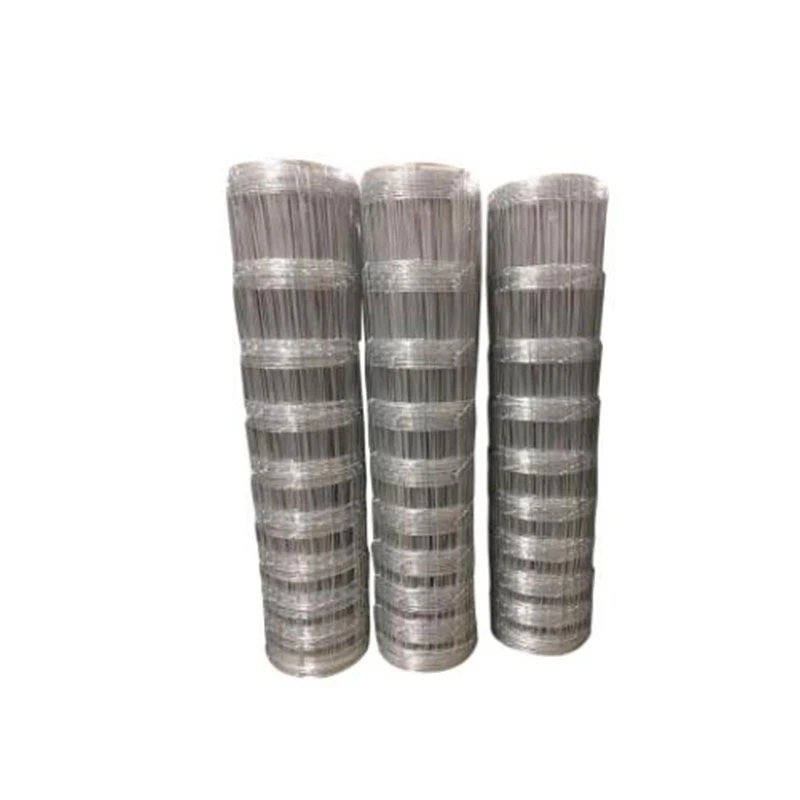
Industries ranging from agriculture (think fences that keep livestock in and predators out), infrastructure (roadside barriers, rebar ties), to humanitarian relief operations (quick fencing for temporary shelters) rely on its properties.
9 gauge high tensile wire really is a backbone material—where strength and flexibility meet.
Core Aspects of 9 Gauge High Tensile Wire
1. Durability
This is a wire that laughs in the face of rust (after galvanization), resists snaps under load, and keeps its shape through harsh weather. Farmers especially love this because it lasts through seasons, meaning fewer costly replacements.
2. Strength-to-Weight Ratio
High tensile means it’s stronger relative to its diameter compared to regular wire. This makes it lighter to handle on site—helpful when deploying fencing over miles of terrain.
3. Flexibility and Workability
Oddly enough, its strength doesn’t come with rigidity. It bends without breaking, which helps installers twist and tighten fences without endless frustration.
4. Cost Efficiency
Less frequent replacements, easier installation, and reduced transport weight = cost savings in the short and long term.
5. Corrosion Resistance
With zinc galvanization often added, this wire can fend off the elements for years, which matters whether you're fencing a remote farm or securing a disaster relief zone.
6. Scalability and Versatility
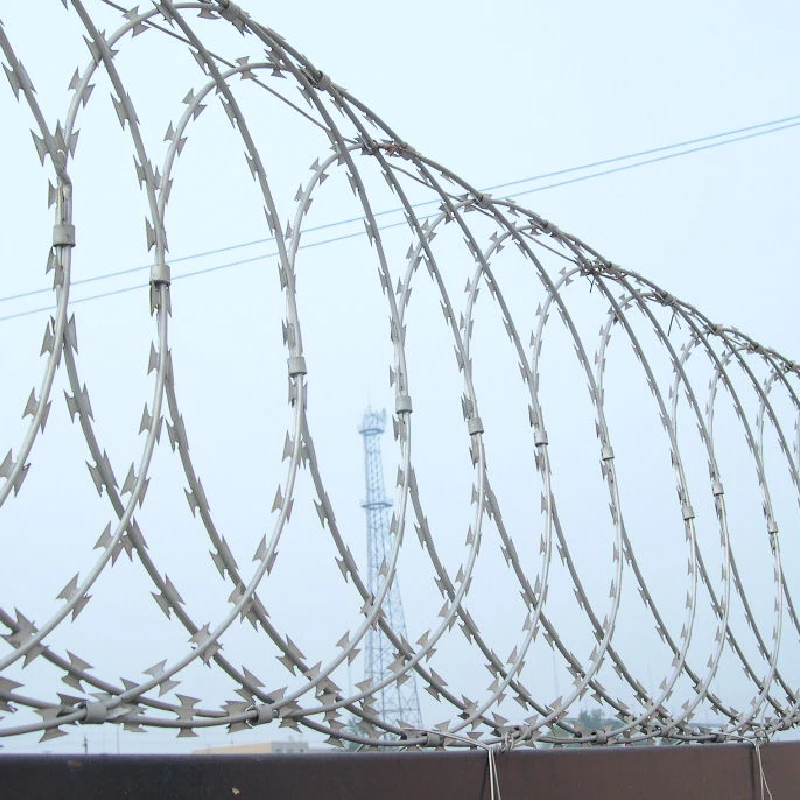
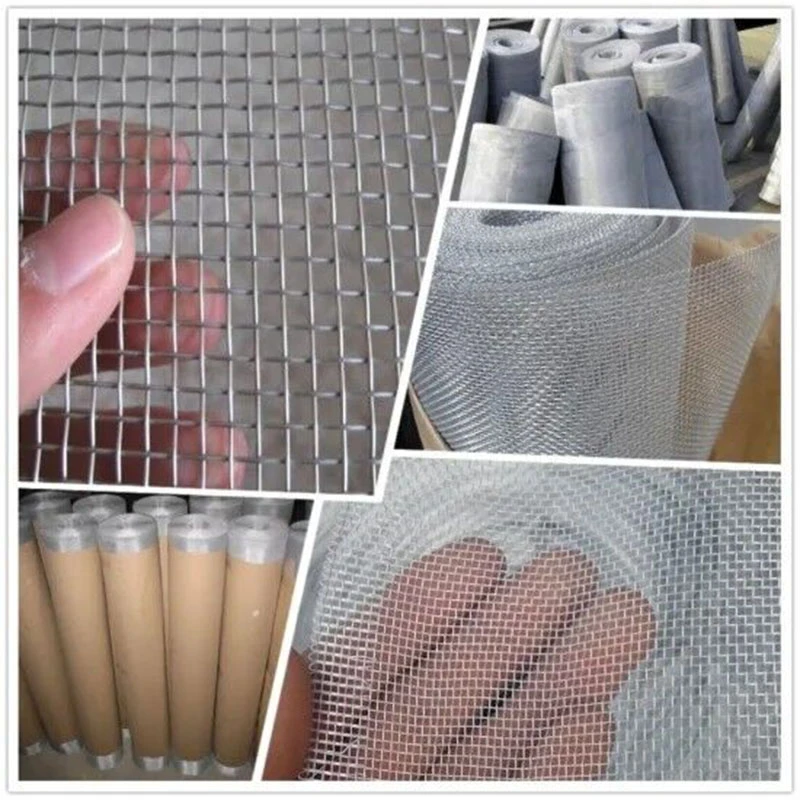
It can be used solo or part of more complex assemblies like wire mesh, barbed wire fencing, or reinforcements.
Mini takeaway: The magic of 9 gauge high tensile wire lies in a balanced cocktail of toughness, malleability, and cost-effectiveness.
Global Uses and Real-World Examples
Look globally and you'll find 9 gauge high tensile wire doing essential work almost everywhere:
- Australian farms use it to build predator-proof fences spanning hundreds of miles.
- East African refugee camps deploy quick-setup fences to secure safe zones swiftly with humanitarian aid.
- Highway projects in Europe connect wire fences to guard rails guarding pedestrians and wildlife.
- Construction sites in emerging Asian markets rely on it for affordable security fencing preventing theft and accidents.
In fact, in post-disaster relief operations, the ability to rapidly set up secure perimeters around aid stations using 9 gauge durability has been repeatedly documented by NGOs.
Mini takeaway: From vast open farms to dense urban projects and emergency shelters, this wire is a versatile global citizen.
Advantages and the Long Game
Sure, it’s technical stuff. But it boils down to benefits everyone can appreciate:
- Cost savings: Lower maintenance and replacement needs mean budget-friendly projects.
- Sustainability: Longer life cycles reduce waste and raw material usage.
- Reliability: Consistent performance fosters trust — critical in safety-sensitive sectors.
- Social impact: Durable fencing preserves property and livestock, safeguarding livelihoods.
- Innovation enabling: High tensile wire supports modern fencing designs previously impossible with weaker materials.
Emotionally, you feel safer knowing the perimeter won’t give way. Logically, it’s an investment that pays for itself in durability.
What’s Next? Trends and Innovations in 9 Gauge Wire
We're seeing push toward greener production methods, like low-carbon steel manufacturing, less toxic galvanizing processes, and even wire recycling. There’s also innovation in combined composite coatings that offer stronger corrosion resistance without weight penalties. Digitization is another trend—smart fences equipped with sensors sometimes lean on 9 gauge high tensile standards for their wire frameworks.
Automation in fence deployment is on the rise too, especially for large farming operations, which can save both time and labor costs significantly.
Challenges Along the Way—and How to Overcome Them
No material is perfect. Challenges like environmental degradation, availability of high-grade steel, and up-front costs can hold users back. Plus, installation requires some expertise—twisting the wire properly to avoid tension loss is an art.
Experts advise pairing wire with modular fencing components and tools to simplify deployment. Advances in supplier partnerships also help hedge raw material fluctuations. Training programs for end users likewise reduce installation errors.
Frequently Asked Questions About 9 Gauge High Tensile Wire
- Q1: How does 9 gauge high tensile wire compare to traditional wire in terms of strength?
- A1: It’s significantly stronger due to heat treatment and galvanization. This means it resists stretching and breaking better, making it ideal for demanding environments where durability is key.
- Q2: Is this wire suitable for coastal environments prone to corrosion?
- A2: Yes, when galvanized or coated properly, 9 gauge high tensile wire has excellent corrosion resistance, making it a solid choice for salty, humid conditions.
- Q3: Can I use this wire for DIY fencing projects?
- A3: Absolutely. It’s flexible enough for non-professional installation while providing professional-grade strength, although some basic tools and know-how are helpful.
- Q4: How long will 9 gauge high tensile fencing last outdoors?
- A4: Typically, with proper treatment, it can last 15-25 years, depending on environmental factors and maintenance.
- Q5: Can 9 gauge wire be customized or coated for specific uses?
- A5: Yes, vendors often offer various coatings, including PVC and advanced polymer options that enhance weather resistance and add color if needed.
Specification Table of Typical 9 Gauge High Tensile Wire
| Specification | Details |
|---|---|
| Wire Diameter | 0.144 inch (3.66 mm) |
| Material | High carbon steel |
| Tensile Strength | 130-160 ksi (900-1100 MPa) |
| Coating | Hot-dip galvanized / PVC-coated |
| Breaking Load | Approx. 800-900 lbs (360-410 kg) |
| Typical Uses | Fencing, reinforcement, animal containment |
Comparing Leading Vendors of 9 Gauge High Tensile Wire
| Vendor | Strength Range (ksi) | Coating Options | Eco-Friendly Practices | Price (USD per lb) |
|---|---|---|---|---|
| YJD Wire Mesh | 140-160 | Galvanized, PVC-coated | Recycling programs & low-carbon steel sourcing | 1.50 - 1.70 |
| Global Steel Inc. | 130-150 | Galvanized only | Limited eco-certifications | 1.35 - 1.55 |
| Steel Solutions Ltd. | 125-140 | Galvanized, Polymer-coated | Some recycling initiatives | 1.40 - 1.65 |
Wrapping It Up: Why 9 Gauge High Tensile Wire Is a Future-Proof Choice
Over the long haul, choosing 9 gauge high tensile wire feels like betting on resilience, reliability, and smart economics. It’s no wonder industries from farming to humanitarian aid lean heavily on it. Its unique blend of strength and versatility, combined with innovations in eco-friendly production, makes it a product well worth considering.
Thinking about upgrading your fencing or infrastructure materials? Curious about cost-saving benefits? Dive deeper by visiting YJD Wire Mesh for tailored solutions and expert advice.
In real terms, the world’s changing fast. Materials like this wire help keep us grounded — literally.