Understanding 1 3 4 Ring Shank Coil Nails: What Makes Them Industry Favorites?
Having spent over a decade working hands-on in the industrial equipment sector, I’ve come to appreciate the subtle nuances that separate decent fasteners from the truly reliable ones. Among these, 1 3 4 ring shank coil nails have long caught my attention—not just for their design but because of how they behave under real-world conditions.
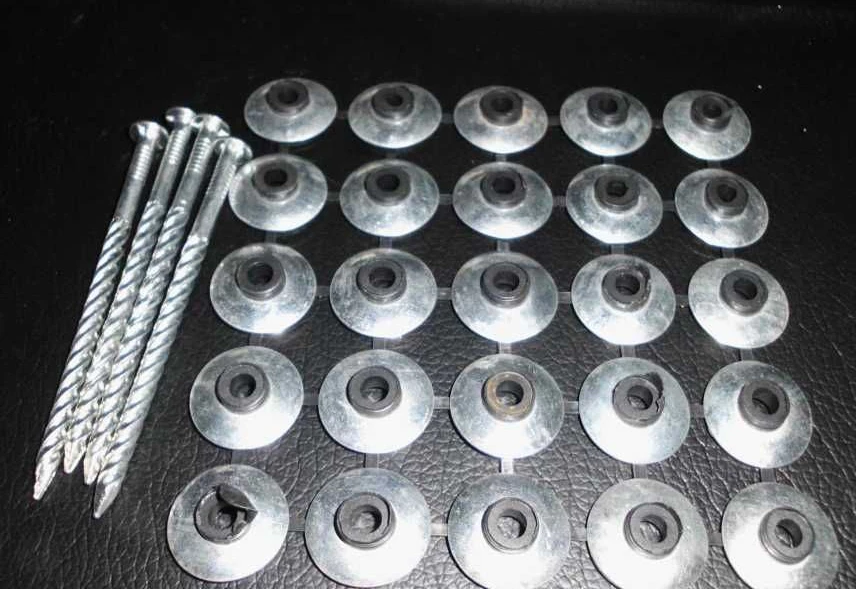
On paper, these nails look straightforward: 1 3/4 inches long with a distinctive ring shank pattern wrapped in coils for smooth feeding in nail guns. But, frankly, their reputation rests on far more than just dimensions. The ringed shanks aren’t just for show; they create mechanical friction that grips wood fibers better than plain shanks, reducing pull-out and increasing overall holding power. I remember one project years ago where regular nails just wouldn’t cut it—moisture and structural vibrations challenged the whole job. Switching to these nails was a game changer.
Oddly enough, many engineers overlook how the coil packaging benefits productivity on site. Instead of loading nails one by one, these nails come in coils which fit perfectly into pneumatic nailers, speeding up work while cutting operator fatigue. That little convenience often saves hours on large framing jobs.
The quality of steel and galvanization is critical here. Without proper corrosion resistance, these fasteners start rusting, especially outdoors or in humid environments, which compromises structural integrity over time. I’ve learned to quickly test sample coils for consistent galvanization – it’s not foolproof but helps avoid headaches during inspections.
Key Product Specifications of 1 3 4 Ring Shank Coil Nails
| Specification | Details |
|---|---|
| Length | 1 3/4 inch (44 mm) |
| Shank Type | Ring shank (multiple rings for increased grip) |
| Head Style | Full round head |
| Material | High-carbon steel, galvanized |
| Packaging | Coil nails suitable for pneumatic coil nailers |
| Applications | Framing, roofing, fencing, decking |
Over the years, I’ve noticed how the nail industry leans heavily on customization. Lengths, shank thickness, galvanization types (electro or hot-dipped), and even coil counts vary per vendor. Choosing the right fit feels like a mix of art and science. I’m reminded of a flooring contractor who insisted on ring shank nails for their superior hold — even in high-traffic residential settings. His recurring orders were a good sign those nails delivered on their promise.
Vendor Comparison: Why Sourcing Matters
| Vendor | Galvanization Quality | Coil Capacity | Price per 1000 | Lead Time |
|---|---|---|---|---|
| Vendor A | Hot-dipped, high resistance | 300 nails per coil | $45 | 5 days |
| Vendor B | Electro-galvanized, moderate | 250 nails per coil | $40 | 7 days |
| Vendor C | Hot-dipped, premium grade | 320 nails per coil | $50 | 4 days |
I tend to advise clients to never go solely by price with coil nails. The durability and consistent manufacture quality, particularly with galvanization standards, can save enormous costs on rework or claims later. Frankly, some vendors offer alluring low prices but compromise on their coating process — leading to early corrosion.
In real terms, these nails shine when used properly with pneumatic tools designed for coil feeds. Each day on site saves minutes that add up dramatically over big jobs. That’s the kind of efficiency that professionals appreciate—nails that don’t just hold wood, but hold a project’s timeline together.
So, if you’re sourcing 1 3 4 ring shank coil nails for your next project, keep these nuances in mind: quality galvanization, packaging for your tools, and tested holding strength. Like any seasoned pro will tell you, it’s the details that matter most.
It’s funny how something as simple as a nail can tell you a lot about an industry’s evolution—and perhaps a lot about patience, persistence, and engineering discipline.
Quick takeaway: The right ring shank coil nails don’t just hold wood, they help hold your business reputation intact.
References:
1. ASTM F1667-22 - Standard Specification for Driven Fasteners.
2. “Fastening Technologies for Construction” - Journal of Construction Engineering, 2020.
3. YJD Wire Mesh Technical Data Sheets, 2023.