Exploring 1 3 4 Ring Shank Nails: A Veteran's Take
Having spent quite a few years knee-deep in construction sites and warehouses, I often get asked about nails that reliably keep timber joints tight and secure. The 1 3 4 ring shank nails often come up as a go-to choice for framing and decking jobs. Frankly, these nails pack a punch where gripping power counts, and I guess that’s why they’ve stayed relevant despite newer fastening innovations.
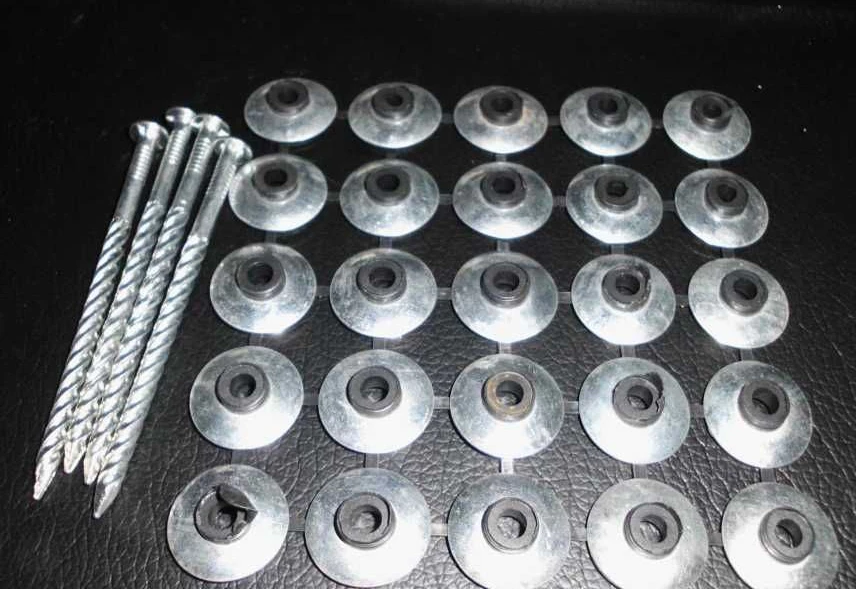
Ring shank nails aren’t your average smooth nails. Instead of a slick shaft, they have these concentric rings or ridges along their length that bite into wood fibers, offering increased resistance to pullout. In the case of the 1 3 4 inch size, it’s a sweet spot for a lot of medium-duty applications — not too short to lose grip, not too long to risk splitting the timber.
I recall a job where we used these nails to fasten decking boards along a lakeside cabin. The environmental conditions were harsh—humid, variable temperatures—and yet the boards stayed put over the years. It feels like those tiny rings really do their job holding everything together, even when the wood expands and contracts.
Why Choose 1 3 4 Ring Shank Nails?
- Superior Holding Power: Ring shanks provide up to 3x the holding strength compared to smooth nails. This is crucial in structural framing or flooring where movement can loosen fasteners.
- Corrosion Resistance: Often made with galvanized or stainless steel finishes—important if your project faces moisture exposure.
- Adaptability: The 1 3 4 inch length works well with framing lumber thickness commonly used in residential and light commercial builds.
That said, it’s important to note that these nails require appropriate nail guns or slightly slower hammer blows to avoid bending or snapping. Many engineers also recommend pairing them with pre-drilling in harder woods.
Product Specification Table
| Specification | Details |
|---|---|
| Length | 1 3/4 inches (44.45 mm) |
| Shank Type | Ring Shank (Concentric grooves) |
| Material | Galvanized Steel / Stainless Steel options |
| Diameter | .113 inches (approx. 2.87 mm) |
| Finish | Zinc Coated / Hot-Dipped Galvanized |
| Common Uses | Framing, Decking, Subflooring, Siding |
Comparing Top Vendors of 1 3 4 Ring Shank Nails
| Vendor | Finish Options | Packaging | Price Range (per 1000) | Availability |
|---|---|---|---|---|
| YJD Wire Mesh | Galvanized, Stainless Steel | Boxes, Bulk Pallets | $50–$70 | Global shipping |
| Fastenal | Galvanized | Boxes | $55–$75 | US and Canada |
| Grainger | Galvanized, Stainless | Boxes, Bulk | $60–$80 | North America |
Oddly enough, despite all the digital ordering options today, I find that sourcing nails from a trusted vendor who understands local supply chain quirks makes all the difference. Suppliers like YJD Wire Mesh often provide a reliable balance between price, quality, and consistent stock levels. In real terms, that means fewer delays and happier crews on the ground.
Many times, end-users overlook the impact of the finishing process on the nails. Zinc coatings, for example, not only fend off rust but also reduce friction when driving the nail—resulting in fewer bent nails and less frustration. It's one of those small details that experienced builders appreciate because it saves time on site.
As for customization, some manufacturers offer specific ring patterns or nail diameters tailored to particular substrates or environmental demands. This kind of detailed engineering—tailoring shank design for enhanced grip on engineered wood, for instance—is fascinating to those of us who care about getting the job done just right.
To wrap this up, if your project requires durability, reliable holding power, and cost-effectiveness, the 1 3 4 ring shank nail might just be your best bet. They conform to industry standards, stand up to the elements reasonably well, and have quietly earned a solid reputation among professionals. So next time you pick up your nail gun or hammer, remember these little hardware heroes.
Takeaway: While plain nails punch in the basics, ring shank nails hold the fort where strength matters.
1. American Wood Council: Nail Fastening Guidelines2. US Forest Products Laboratory Research
3. The History and Science of Nails