Introduction to 3D Wire Mesh Panel Technology
In modern construction, the demand for innovative, durable, and energy-efficient building materials is constantly evolving. Among the forefront of these advancements is the 3d wire mesh panel, a versatile composite structural system engineered to meet stringent performance requirements across diverse industrial and commercial applications. This technology integrates a welded wire mesh framework with an insulating core, most commonly Expanded Polystyrene (EPS), forming robust yet lightweight structural panels. These panels are increasingly adopted for their superior thermal insulation, structural integrity, and accelerated construction timelines. This article delves into the intricacies of this advanced building material, exploring its manufacturing, technical specifications, diverse applications, and profound impact on sustainable construction practices.
Current Industry Trends and Market Dynamics
The construction sector is undergoing a significant paradigm shift, driven by increasing regulatory pressures for energy efficiency, a growing emphasis on sustainable building practices, and the imperative for cost-effective, rapid construction methodologies. The global market for insulation materials, which includes components like the EPS core in a 3d wire mesh panel, is projected to reach USD 90 billion by 2027, according to recent market analyses, underscoring the demand for high-performance thermal envelopes. This trend directly benefits advanced composite panels. Furthermore, the rising adoption of prefabricated and modular construction techniques, aimed at reducing on-site labor and project timelines, positions these panels as a preferred solution.
Key market drivers include urbanization, particularly in emerging economies, spurring demand for new infrastructure and residential buildings. Simultaneously, stringent building codes in developed regions, such as those mandating enhanced U-values and R-values, compel developers to seek superior insulating materials. The versatility of the 3d wire mesh panel, particularly the 3d eps wire mesh panel variant, in offering structural integrity alongside thermal performance, makes it a highly attractive option for a wide array of projects, from low-cost housing to complex industrial facilities. The increasing awareness of life-cycle costs, including energy consumption, also propels the market towards solutions that offer long-term operational savings.
Detailed Manufacturing Process Flow
The production of a 3d wire mesh panel is a highly automated and precise process, ensuring consistency, strength, and durability. While traditional manufacturing involves casting or forging for solid components, wire mesh panel fabrication relies on advanced welding and assembly techniques.
Core Materials and Preparations:
- Wire Rods: High-tensile steel wire rods, typically low carbon steel or galvanized steel, are drawn, straightened, and cut to precise lengths. Common diameters range from 2.5 mm to 5 mm, chosen for optimal strength-to-weight ratios.
- EPS Core: For 3d eps wire mesh panel variants, Expanded Polystyrene (EPS) foam blocks are pre-cut to the required panel thickness and dimensions. EPS is selected for its excellent thermal insulation properties and lightweight characteristics.
Manufacturing Stages:
- Mesh Welding: The primary process involves automated resistance welding machines that fabricate two parallel sheets of steel wire mesh. These machines precisely position and weld intersecting wires at high speeds, forming square or rectangular grids.
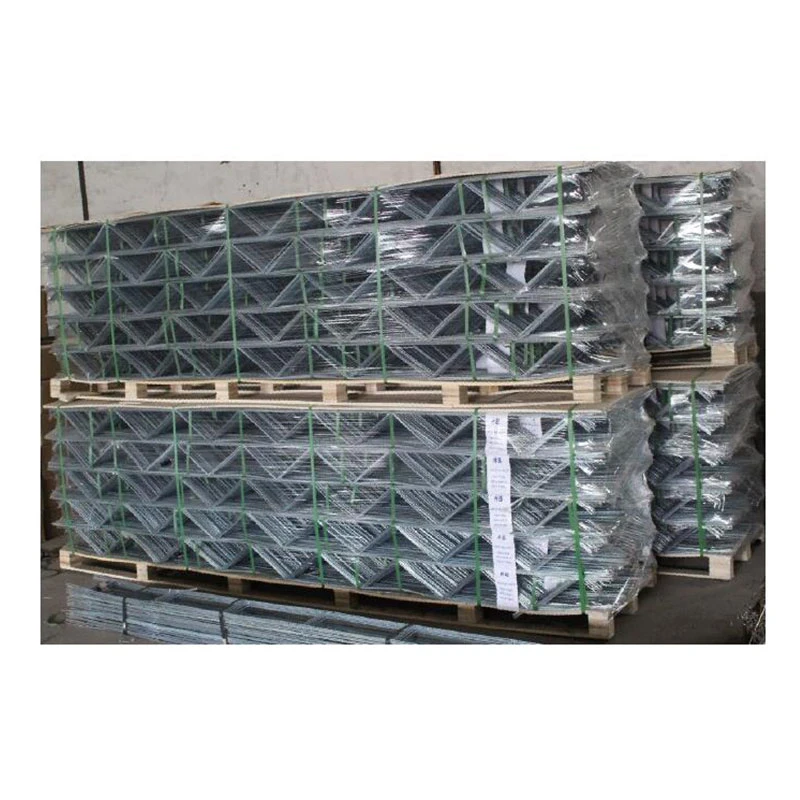
- Truss Wire Insertion: Diagonal truss wires, often of a smaller diameter, are then automatically inserted and resistance-welded to both mesh sheets. These trusses create the 3D aspect of the panel and establish the crucial structural connection between the outer mesh layers.
- EPS Core Integration: The pre-cut EPS foam core is meticulously placed between the two welded wire mesh sheets, nestling within the space defined by the truss wires. This forms the insulated core of the panel.
- Panel Compression and Final Welding: The entire assembly is then compressed to ensure intimate contact between the EPS and the mesh, and additional spot welds may be applied to secure the entire structure. Robotic arms often handle the manipulation of panels.
- Cutting and Finishing: Panels are cut to standard or custom dimensions using precision cutting equipment. Edges are often trimmed, and any burrs are removed to ensure safe handling and proper installation.
- Quality Control & Testing: Each batch undergoes rigorous testing to comply with international standards such as ISO 9001 for quality management and ASTM E119 for fire resistance. Tensile strength of wires, weld shear strength, panel dimensions, and thermal resistance (R-value/U-value) of the integrated system are routinely checked.
Service Life and Target Industries:
With proper installation and protective coatings (e.g., shotcrete or stucco), 3d wire mesh panel systems offer an exceptional service life, often exceeding 50 years. Their inherent corrosion resistance, especially when utilizing galvanized wire, ensures long-term structural integrity. These panels are ideally suited for target industries including:
- Residential and Commercial Construction: Walls, floors, roofs, and partition systems due to speed and insulation.
- Industrial Facilities: Warehouses, factories, and cold storage units requiring high thermal performance and structural resilience.
- Agriculture: Specialized buildings like insulated sheds and storage facilities.
- Disaster Relief Housing: Rapid deployment capabilities and robustness in challenging environments.
Advantages in typical application scenarios include significant energy savings due to the continuous insulation provided by the EPS core, leading to reduced heating and cooling loads. Their inherent resistance to pests and mold, coupled with non-combustible properties when covered with concrete/stucco, makes them a safe and durable choice.
Technical Specifications and Parameters
Understanding the precise technical parameters of a 3d wire mesh panel is critical for architects, engineers, and construction managers to ensure optimal structural performance and energy efficiency. These panels are engineered to meet various load-bearing requirements and environmental conditions.
These specifications highlight the comprehensive engineering behind each panel, providing detailed data for project-specific material selection and structural calculations. The choice of wire gauge, mesh size, and EPS density are critical design parameters that influence the panel's final performance characteristics.
Technical Advantages and Performance Metrics
The adoption of 3d wire mesh panel systems offers a multitude of technical advantages over conventional construction methods. These benefits translate directly into superior building performance, reduced operational costs, and enhanced safety.
- Exceptional Thermal Insulation: The integrated EPS core provides a continuous insulation barrier, virtually eliminating thermal bridging. This results in significantly lower U-values (overall heat transfer coefficient) compared to traditional cavity walls, leading to substantial energy savings (estimated 30-50% reduction in heating/cooling costs).
- High Structural Strength: When coated with shotcrete or stucco, the composite action of the steel wire mesh and concrete forms a robust, monolithic structure. This system exhibits high resistance to seismic forces, wind loads, and impact, making it suitable for regions prone to natural disasters.
- Lightweight yet Durable: Despite their structural strength, the panels are significantly lighter than precast concrete or masonry, simplifying transportation and on-site handling. This reduces foundation requirements and overall construction complexity.
- Rapid Construction: The pre-manufactured nature of the panels allows for faster erection times. Walls, floors, and roofs can be assembled quickly, accelerating project completion by up to 30% compared to conventional methods.
- Fire Resistance: When properly coated with a cementitious material, the panels achieve impressive fire ratings (typically 2-4 hours), offering superior fire protection and occupant safety. The EPS core is usually fire-retardant treated.
- Sound Attenuation: The dense EPS core combined with the mass of the cementitious coating provides effective sound insulation, reducing noise transmission between spaces and from external sources.
- Corrosion Resistance: Utilizing galvanized steel wire ensures excellent resistance to corrosion, particularly important in humid or coastal environments, contributing to the long service life of the structure.
- Design Flexibility: Panels can be cut and shaped on-site or pre-fabricated to create complex architectural forms, curved walls, and varying roof pitches, offering greater design freedom.
These combined performance metrics establish 3D wire mesh panels as a high-value solution for modern construction, addressing critical demands for efficiency, resilience, and sustainability.
Diverse Application Scenarios
The versatility of 3d wire mesh panel technology enables its deployment across a broad spectrum of construction applications, from residential to highly specialized industrial projects.
Residential Buildings:
Ideal for single and multi-story homes, apartments, and social housing projects. Their quick assembly reduces construction time and costs, while superior insulation significantly lowers utility bills for occupants. They are particularly effective in creating sound-insulated interior spaces and robust external envelopes.
Commercial and Industrial Structures:
Used in warehouses, factories, office buildings, shopping centers, and cold storage facilities. The structural integrity supports large spans and heavy loads, while the thermal performance is crucial for climate-controlled environments. Energy saving properties are a major advantage in these large-scale operations.
Infrastructure and Specialty Projects:
Applicable for retaining walls, sound barriers, modular buildings, and temporary structures. Their adaptability allows for custom shapes and sizes, fitting diverse project requirements. In seismic zones, their ductility and monolithic nature provide enhanced safety compared to brittle masonry.
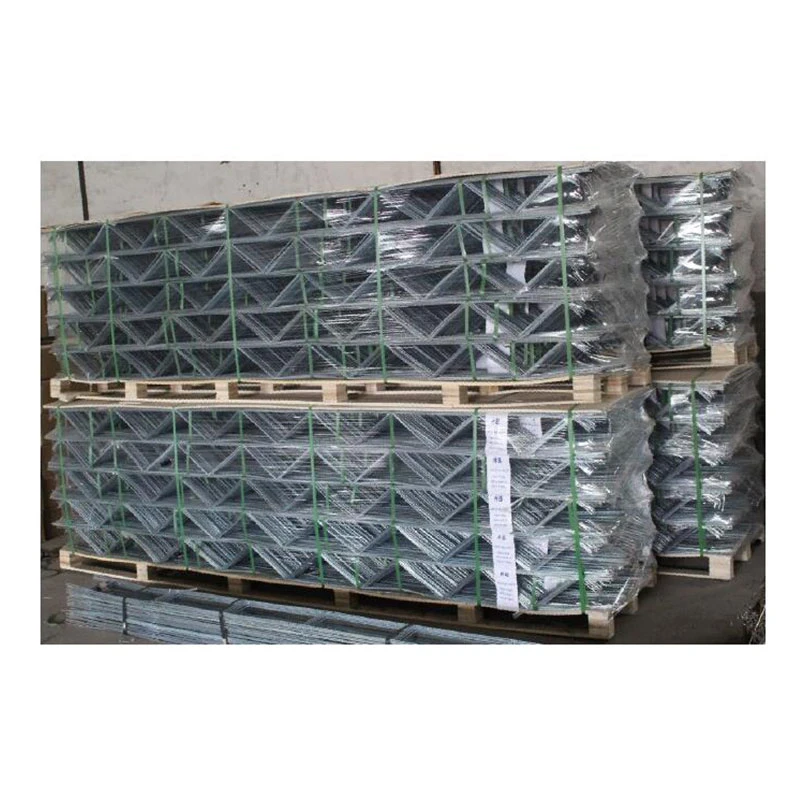
Specifically, for applications requiring stringent environmental control, such as food processing plants or pharmaceutical storage, the continuous insulation of the 3d eps wire mesh panel offers superior performance, minimizing temperature fluctuations and energy consumption. This makes them a preferred choice in sectors where precise climate management is paramount.
Vendor Comparison and Selection Criteria
Selecting the right supplier for 3d wire mesh panel systems is paramount to project success. While various manufacturers offer these panels, differences in quality, customization capabilities, and support services can significantly impact outcomes.
Key Comparison Factors:
- Material Quality: Scrutinize the grade of steel wire (e.g., tensile strength, galvanization thickness) and the density and fire-retardant properties of the EPS core. Reputable manufacturers adhere to international standards like ASTM A641/A641M for wire and ASTM C578 for EPS.
- Manufacturing Precision: Assess the consistency of weld points, panel dimensions, and truss wire alignment. High-quality production minimizes on-site adjustments and ensures structural integrity.
- Certifications and Standards: Verify compliance with ISO 9001 (Quality Management), CE marking for European markets, and local building code approvals. Companies with extensive certifications demonstrate commitment to quality and safety.
- Customization Capabilities: The ability to produce panels with varied wire gauges, mesh patterns, EPS thicknesses, and specific dimensions is crucial for specialized projects.
- Technical Support and Engineering: A strong vendor provides comprehensive technical data, engineering assistance, installation guides, and post-sales support, crucial for project planning and execution.
- Lead Time and Logistics: Evaluate the manufacturer's capacity to meet project schedules and their efficiency in delivering materials to the construction site.
This comparison highlights how different vendors cater to varying project requirements and budget constraints. Choosing a vendor that aligns with project demands for quality, compliance, and support is paramount.
Customized Solutions and Project Integration
While standard 3d wire mesh panel dimensions cater to many projects, the true value of this technology often lies in its adaptability through customized solutions. Experienced manufacturers offer extensive customization to perfectly align with specific architectural designs, structural requirements, and site conditions.
Areas of Customization:
- Panel Dimensions: Tailored lengths and widths to minimize waste and optimize construction sequences, reducing cutting on-site.
- EPS Core Thickness and Density: Adjustable to meet specific thermal performance targets (R-values/U-values) or acoustic requirements, critical for compliance with varying energy codes.
- Wire Gauge and Mesh Configuration: Modified wire diameters and mesh apertures to enhance structural load-bearing capacity for specific applications, such as shear walls or roof systems, or to accommodate different external finishes.
- Specialized Shapes and Curves: Panels can be pre-formed or easily cut and bent on-site to create complex architectural geometries, including curved walls, arches, or unique façade elements.
- Integrated Components: Manufacturers can integrate conduits, electrical boxes, or plumbing runs directly into the EPS core during fabrication, streamlining on-site services installation.
Seamless integration into diverse building systems requires detailed planning and collaboration between the client, architect, structural engineer, and panel manufacturer. Early engagement with a specialist ensures that the customized panels arrive on site ready for efficient assembly, reducing potential delays and cost overruns. This bespoke approach unlocks the full potential of 3D wire mesh panel technology for unique and demanding construction projects.
Application Case Studies and Customer Feedback
The practical success of 3d wire mesh panel systems is best demonstrated through real-world applications and the positive feedback from clients. These case studies underscore the technology's effectiveness in diverse and challenging environments.
Case Study 1: Large-Scale Residential Development, Middle East
A major housing project involving over 500 low-rise residential units in a desert climate required rapid construction and exceptional thermal performance. The developer opted for 3d eps wire mesh panel systems for all external walls and roofs.
- Challenge: Extreme summer temperatures (up to 50°C), tight construction deadlines, and a need for energy-efficient solutions to reduce air conditioning costs.
- Solution: Panels with 100mm thick EPS cores and galvanized steel mesh were chosen for their superior insulation and structural integrity.
- Outcome: Project completed 25% faster than conventional methods. Post-occupancy evaluations indicated a 40% reduction in energy consumption for cooling compared to traditionally built homes in the region. Client feedback highlighted the ease of installation and the robustness of the structures, even under harsh environmental conditions.
Case Study 2: Industrial Cold Storage Facility, Europe
A leading logistics company required a new cold storage warehouse capable of maintaining sub-zero temperatures with minimal energy leakage. The project demanded high insulation values and a durable, moisture-resistant envelope.
- Challenge: Achieving extremely low U-values (e.g., 0.15 W/m²K or lower) while ensuring long-term structural stability in a perpetually cold, humid environment.
- Solution: Custom-designed 3d eps wire mesh panels with increased EPS core thickness (150mm) and enhanced galvanization for the wire mesh were specified. Panels were seamlessly joined and coated with a vapor-barrier modified shotcrete.
- Outcome: The facility achieved and surpassed the desired thermal performance, leading to significant reductions in refrigeration energy costs. The monolithic structure minimized air infiltration and condensation risks, crucial for cold storage. The project manager praised the material's ability to create a high-performance, airtight envelope.
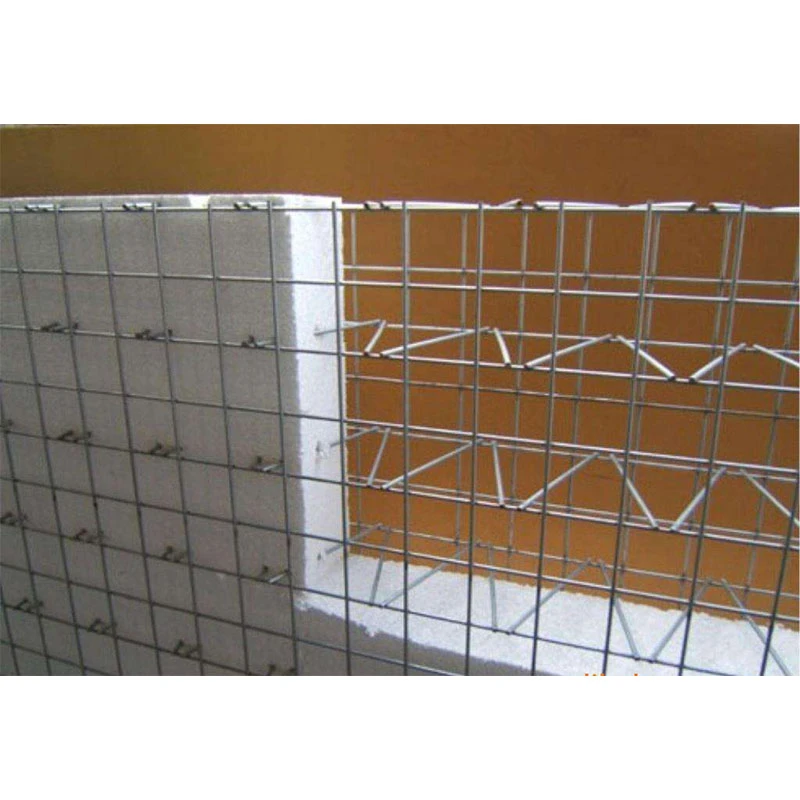
These instances clearly demonstrate the tangible benefits and proven reliability of 3d wire mesh panel technology across diverse project scales and functional requirements.
Ensuring Trustworthiness: FAQs, Lead Time, Warranty, and Support
Establishing trust with B2B clients requires transparency, clear commitments, and robust support systems. Our approach to providing 3d wire mesh panel solutions is built upon these foundational principles.
Frequently Asked Questions (FAQ):
- Q: Are 3D wire mesh panels suitable for seismic zones?
A: Yes, when properly designed and coated with concrete, the monolithic structure exhibits excellent ductile behavior and energy dissipation capabilities, making them highly resilient to seismic activity. Many structural codes approve their use in high-risk zones. - Q: What types of finishes can be applied to the panels?
A: The panels are typically covered with shotcrete, stucco, or plaster. They provide an ideal substrate for various finishes, including traditional renders, synthetic coatings, brick veneer, or stone cladding. - Q: How do 3D wire mesh panels compare to traditional concrete blocks for insulation?
A: 3d eps wire mesh panels offer superior continuous insulation, minimizing thermal bridging common in block construction. This leads to significantly better U-values and energy performance. - Q: Can plumbing and electrical services be integrated?
A: Yes, channels for electrical conduits and plumbing pipes can be easily cut into the EPS core on-site before applying the cementitious coating, simplifying installation and minimizing external protrusions.
Lead Time and Fulfillment:
Our standard lead time for typical orders of 3d wire mesh panels is generally 3-4 weeks from confirmed order to ex-factory shipment, subject to project size and current production load. For highly customized or large-volume orders, a detailed production schedule will be provided upon project specification finalization. We maintain robust production capabilities and a streamlined logistics network to ensure timely delivery to global destinations. Clients receive regular updates on order status.
Warranty Commitments:
We stand behind the quality of our 3D wire mesh panels with a comprehensive warranty covering material defects and manufacturing faults for a period of 10 years from the date of purchase. This warranty is contingent on proper storage, handling, and installation practices as per our guidelines and industry best practices. Specific terms and conditions are provided with each quotation.
Customer Support and After-Sales Service:
Our commitment extends beyond product delivery. We provide dedicated technical support, including detailed installation manuals, engineering drawings, and direct consultation with our expert technical team for complex project challenges. After-sales support includes assistance with quality inquiries, performance data, and guidance on post-installation maintenance. Our team is accessible via phone, email, and dedicated online portals to ensure prompt and effective communication.
Conclusion
The 3d wire mesh panel represents a pinnacle of modern construction material innovation, offering a compelling blend of structural robustness, unparalleled thermal performance, and construction efficiency. Its adaptability to diverse applications, coupled with its inherent advantages in energy conservation and disaster resilience, positions it as a preferred choice for forward-thinking architects, engineers, and developers. As the global construction industry continues its trajectory towards sustainability and expedited project delivery, the adoption of advanced composite panel systems like the 3d eps wire mesh panel will only grow, underpinning the creation of more resilient, energy-efficient, and cost-effective built environments worldwide.
References
- International Organization for Standardization (ISO). ISO 9001:2015 - Quality management systems.
- ASTM International. ASTM A641/A641M - Standard Specification for Zinc–Coated (Galvanized) Carbon Steel Wire.
- ASTM International. ASTM C578 - Standard Specification for Rigid, Cellular Polystyrene Thermal Insulation.
- MarketsandMarkets. Insulation Materials Market by Type and Application - Global Forecast to 2027.
- Construction Dive. Prefabrication and Modular Construction Trends in North America.