The Pivotal Role of cattle fence wire in Modern Livestock Management
In the vast landscape of modern agriculture, effective livestock management is paramount for operational efficiency, animal welfare, and economic viability. Central to this is the infrastructure that defines and protects grazing areas, and among the most critical components is the specialized fencing solution designed for robust performance. This discourse delves into the intricacies of this essential agricultural material, exploring its technical specifications, manufacturing precision, diverse applications, and inherent advantages.
Specifically engineered for durability and security, cattle fence wire, often found in formulations like cattle panel fencing or galvanized cattle panel systems, provides a reliable barrier. Its design considers the strength and behavior of large livestock, ensuring containment without causing harm, while withstanding harsh environmental conditions. The widespread adoption of solutions such as farm fence with wire mesh and cattle panel mesh underscores their critical importance across diverse agricultural operations, from sprawling ranches to intensive feedlots.
Our objective is to provide B2B decision-makers and agricultural engineers with a comprehensive understanding of the technical merits, industrial applications, and strategic considerations involved in selecting and deploying these indispensable fencing solutions.
Industry Trends in Livestock Fencing Solutions
The livestock fencing sector is experiencing significant evolution, driven by advancements in material science, increased focus on animal welfare, and demands for sustainable and cost-effective solutions. Key trends include:
- Enhanced Durability and Corrosion Resistance: There's a growing preference for products like high-tensile, Class 3 galvanized cattle fence wire, which offers significantly extended service life compared to traditional Class 1 galvanized products. This reduces maintenance cycles and long-term costs. For instance, a Class 3 galvanized coating can last 2-3 times longer than Class 1 in certain environments.
- Smart Fencing Technologies: Integration of IoT sensors for fence line monitoring (e.g., detecting breaks, voltage drops in electric fences) is emerging, offering real-time alerts and enhanced security for large-scale operations. While not directly wire-related, the wire forms the backbone for such systems.
- Sustainability and Recyclability: Manufacturers are increasingly adopting processes that minimize environmental impact and utilizing materials that are recyclable, aligning with broader agricultural sustainability goals.
- Modular and Easy-to-Install Systems: The popularity of cattle panel fencing and pre-fabricated cattle panel mesh systems is rising due to their ease of installation, requiring less specialized labor and reducing setup time, particularly for temporary or rotational grazing setups.
- Specialized Wire Designs: Innovation in knot types (e.g., fixed knot, hinge joint) to offer superior strength, flexibility, and animal safety, preventing injuries while ensuring robust containment.
These trends collectively push for fencing solutions that are not only robust and secure but also intelligent, sustainable, and economically viable for modern livestock producers.
Detailed Manufacturing Process of Cattle Fence Wire
The production of high-quality cattle fence wire involves a meticulous multi-stage process designed to ensure durability, strength, and corrosion resistance.
Materials & Preparation:
- High-Carbon or Low-Carbon Steel Rods: The primary material is typically SAE 1006-1008 low-carbon steel or high-carbon steel for higher tensile strength applications. These rods, usually 5.5mm to 8.0mm in diameter, arrive in coiled form.
- Zinc (for Galvanization): High-purity zinc ingots are used for the galvanizing process, adhering to ASTM A90/A90M standards for coating weight.
Process Flow:
- Wire Drawing: Steel rods undergo cold drawing through a series of dies to reduce their diameter to the desired gauge (e.g., 10ga, 12.5ga, 14ga). This process work-hardens the wire, increasing its tensile strength. This is akin to a "cold forging" process on a microscopic scale, refining the grain structure.
- Annealing (for Low Carbon): For low-carbon steel, an annealing process (heating to a critical temperature and slow cooling) may be applied to increase ductility and reduce brittleness, making the wire easier to work with during weaving. High-tensile wires typically bypass this step to retain strength.
- Cleaning & Pickling: The drawn wire is thoroughly cleaned to remove scale, rust, and impurities. This usually involves chemical pickling in acid baths (e.g., hydrochloric or sulfuric acid) followed by rinsing and fluxing, which prepares the surface for galvanization.
- Hot-Dip Galvanization: The clean wire is submerged into a molten zinc bath (typically at 450-460°C). This creates a metallurgical bond between the steel and zinc, forming a highly durable, corrosion-resistant coating. Coating thickness is precisely controlled to meet Class 1, 2, or 3 galvanization standards (e.g., ASTM A641/A641M, AS/NZS 4534). This ensures superior protection against rust, extending service life significantly, often to 20-30 years in typical agricultural environments, compared to 5-10 years for untreated or lightly galvanized wire.
- Weaving/Knotting: The galvanized wires are then fed into specialized weaving machines. For products like cattle panel mesh or farm fence with wire mesh, horizontal (line) wires and vertical (stay) wires are mechanically knotted together. Common knot types include hinge joint, fixed knot, and square knot, each offering distinct advantages in terms of strength, flexibility, and cost. Fixed knots, for instance, are popular for their superior rigidity and ability to withstand impact from larger animals.
- Quality Control & Testing: Throughout the process, strict quality checks are performed.
- Tensile Strength Test: Ensures the wire meets specified breaking load requirements (e.g., 60-80 ksi for high-tensile).
- Zinc Coating Adhesion Test: Evaluates the bond strength of the galvanized layer.
- Zinc Coating Weight Test: Confirms adherence to galvanization class standards (e.g., minimum 0.8 oz/ft² for Class 3).
- Mesh Spacing & Height Measurement: Verifies dimensional accuracy.
- Uniformity Test: Visual inspection for defects and consistency.
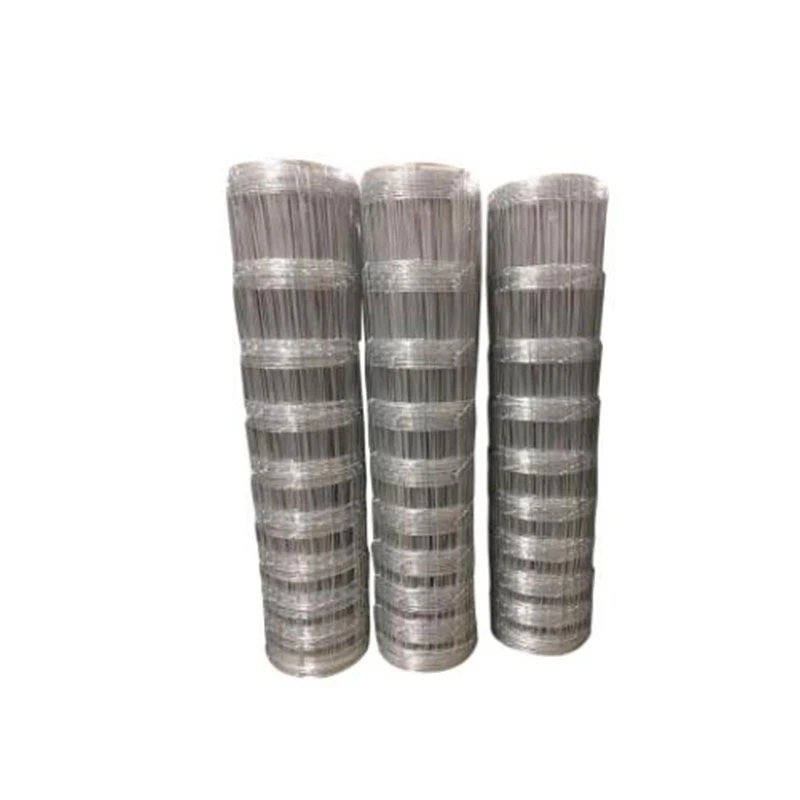
- Coiling & Packaging: The finished fence wire or panels are coiled into standard rolls or stacked, then securely packaged for transport.
Target industries include general agriculture, commercial ranching, wildlife management, and land conservation. The rigorous process ensures the finished product delivers advantages such as exceptional corrosion resistance, minimal maintenance, and extended operational lifespans even in challenging outdoor environments.
Technical Specifications of Cattle Fence Mesh
Understanding the precise technical parameters is crucial for selecting the appropriate cattle panel mesh for specific agricultural requirements. The following table outlines typical specifications:
| Parameter | Standard Range / Value | Description / Industry Standard |
|---|---|---|
| Material | High-tensile steel (HT) or Low-carbon steel (LC) | ASTM A641/A641M Grade 1 or 2 |
| Wire Gauge (Line Wires) | 10 ga (3.40mm) to 12.5 ga (2.49mm) | Commonly used for perimeter and high-stress applications. |
| Wire Gauge (Stay Wires) | 12.5 ga (2.49mm) to 14 ga (2.03mm) | Lighter gauge for vertical support, optimizing material use. |
| Tensile Strength | Low Carbon: 55-75 ksi (380-515 MPa); High Tensile: 75-100 ksi (515-690 MPa) | Measures resistance to breaking under tension. High tensile offers greater resilience. |
| Zinc Coating Type | Hot-Dip Galvanized (Class 1, 2, or 3) | ASTM A641/A641M standards. Class 3 provides the thickest and most durable coating. |
| Zinc Coating Weight | Class 1: 0.28 oz/ft²; Class 2: 0.40 oz/ft²; Class 3: 0.80 oz/ft² (minimum) | Crucial for corrosion resistance and service life. Higher class means longer lifespan. |
| Height Range | 32 inches (81 cm) to 60 inches (152 cm) | Determined by livestock type and desired containment level. |
| Roll Length | 100 ft (30.5 m) to 330 ft (100 m) | Standard lengths for efficient transport and installation. |
| Knot Type | Hinge Joint, Fixed Knot, Square Deal Knot | Affects flexibility, strength, and ease of installation. Fixed knot offers maximum rigidity. |
| Mesh Spacing (Graduated) | Smaller at bottom (e.g., 6"x3") larger at top (e.g., 6"x8") | Prevents smaller animals from passing through, while maintaining cost-effectiveness for height. |
These specifications ensure that cattle fence wire solutions meet the rigorous demands of agricultural environments, providing long-term reliability and animal security.
Technical Advantages and Features
The selection of advanced cattle fence wire systems offers a multitude of technical and operational benefits:
- Superior Corrosion Resistance: Multi-layer zinc coatings (Class 3 galvanization) provide exceptional protection against rust and environmental degradation from rain, humidity, and animal waste. This translates into a service life of 20-30 years, significantly reducing replacement frequency and maintenance costs.
- High Tensile Strength: Wires manufactured from high-carbon steel deliver superior elasticity and breaking strength, allowing the fence to absorb impact from livestock without permanent deformation or breakage. This minimizes the need for tensioning and reduces post requirements.
- Optimized Knot Systems: Fixed knot designs, for instance, create a rigid, vertical stay wire that resists buckling and sagging. This structural integrity means fewer posts are required per linear foot, leading to significant material and labor savings during installation (e.g., up to 30% fewer posts compared to traditional barbed wire).
- Graduated Mesh Design: Tighter spacing at the bottom prevents smaller animals (calves, pests) from passing through, while wider spacing at the top is cost-effective for containing larger animals, providing a versatile solution.
- Animal Safety: Smooth wire surfaces and well-formed knots minimize the risk of injury to livestock, a crucial factor for animal welfare and avoiding veterinary costs.
- Versatility: Suitable for a wide range of livestock, from cattle and horses to sheep and goats, making it a flexible investment for diversified farms.
Application Scenarios
The robust nature and specialized design of cattle fence wire make it indispensable across numerous agricultural and land management applications:
- Perimeter Fencing for Ranches and Farms: Establishing secure boundaries for large grazing areas, preventing livestock escape and deterring unauthorized entry or wildlife intrusion.
- Pasture Subdivision and Rotational Grazing: Creating internal divisions within pastures to manage grazing patterns, improve forage utilization, and promote pasture health, aligning with sustainable farming practices.
- Feedlot and Holding Pen Construction: Providing strong, durable enclosures for concentrated animal feeding operations where impact resistance and long-term stability are critical.
- Wildlife Exclusion: When combined with appropriate height and gauge, certain types of farm fence with wire mesh can effectively deter larger wildlife (e.g., deer, coyotes) from entering crop fields or sensitive areas.
- Roadway and Property Boundary Fencing: Used along public roads or property lines to ensure livestock safety and demarcate ownership.
- Temporary or Portable Enclosures: Modular cattle panel fencing is ideal for temporary corrals, working pens, or exhibition setups due to its ease of assembly and relocation.
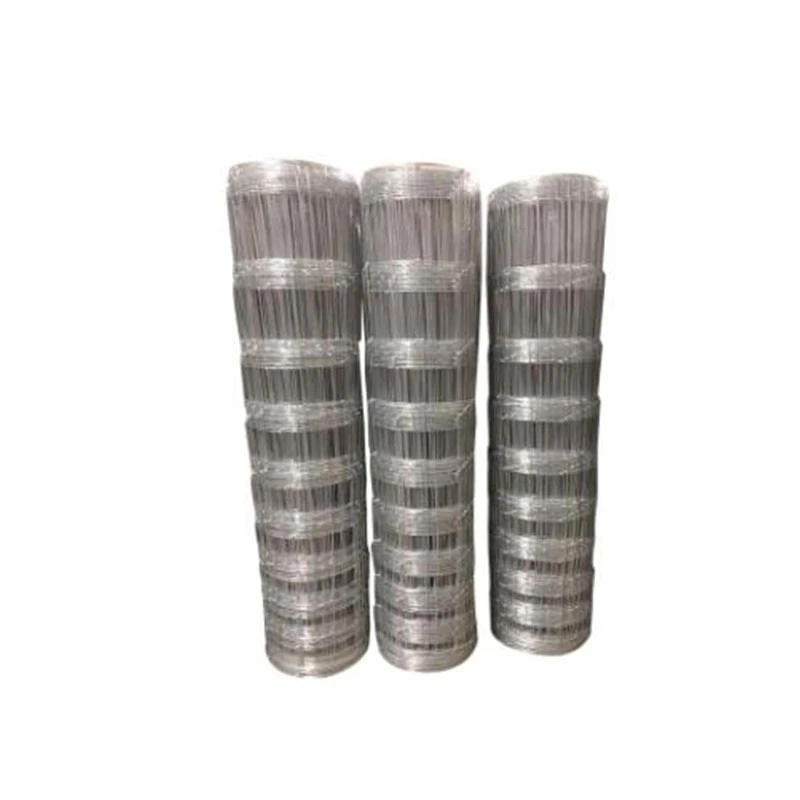
Image: High-tensile fixed knot cattle fence wire in a pasture setting, showcasing its robust construction.
Vendor Comparison: Key Differentiators
Choosing the right supplier for cattle fence wire is a strategic decision that impacts project longevity and total cost of ownership. Vendors differentiate themselves through material quality, manufacturing precision, adherence to international standards, and customer service. Below is a comparative overview of common vendor approaches:
| Feature/Vendor Type | Premium Manufacturer (e.g., YJD Wire Mesh) | Standard Manufacturer | Budget Supplier |
|---|---|---|---|
| Material Grade | High-tensile, ASTM A641/A641M Grade 2 steel | Low-carbon, ASTM A641/A641M Grade 1 steel | Often unspecified/lower grade steel |
| Galvanization Class | Class 3 (Min. 0.80 oz/ft²) for superior corrosion resistance | Class 1 or 2 (0.28-0.40 oz/ft²) | Lightly galvanized or electro-galvanized (minimal coating) |
| Knot Type | Fixed Knot, ensuring maximum rigidity and animal safety | Hinge Joint, good for uneven terrain | Basic hinge joint or twisted wire, prone to sagging |
| Service Life (Estimated) | 20-30+ years | 10-15 years | 3-7 years |
| Certifications & Standards | ISO 9001, ASTM, relevant national standards (e.g., AS/NZS) | May meet basic national standards, limited international certs | Often lacks verifiable certifications |
| Customization Options | Extensive (height, gauge, spacing, coating) | Limited standard options | Very few to none |
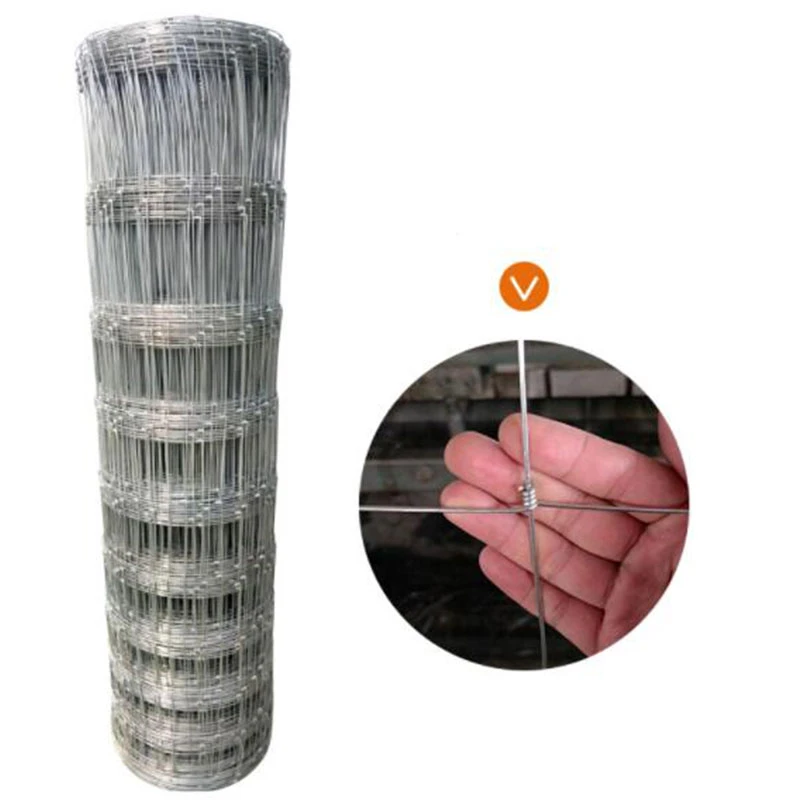
Image: A close-up view of the fixed knot system, illustrating the structural integrity of advanced cattle panel fencing.
While budget options may offer a lower upfront cost, the long-term investment in premium cattle fence wire from reputable manufacturers like YJD Wire Mesh consistently yields superior performance, reduced maintenance, and a significantly lower total cost of ownership due to extended service life and enhanced reliability.
Customized Solutions
Recognizing that every agricultural operation has unique challenges, leading manufacturers offer extensive customization options for cattle fence wire to precisely match specific project requirements. These tailor-made solutions optimize performance and cost-efficiency.
Areas of Customization:
- Wire Gauge and Material Composition: Specifying exact wire diameters (e.g., 10ga, 11ga, 12.5ga) and choosing between low-carbon for flexibility or high-tensile for maximum strength, based on the livestock type and environmental stressors.
- Mesh Spacing Configuration: Adjusting the graduated spacing of horizontal and vertical wires to precisely contain specific animal sizes, from small calves to large bulls, and to deter particular wildlife. For instance, a denser mesh at the bottom can protect against predators while a wider spacing at the top saves material.
- Fence Height and Roll Length: Producing rolls of specific heights (e.g., 39", 47", 60", 72") and lengths (e.g., 50m, 100m, 200m) to minimize waste and optimize installation logistics for large-scale projects.
- Galvanization Level: Tailoring the zinc coating thickness (Class 1, 2, or 3) to suit the expected corrosive environment, balancing cost with required service life. For coastal areas, a Class 3 or even a zinc-aluminum alloy coating might be specified for enhanced resistance.
- Knot Type Selection: Offering hinge joint for flexibility on uneven terrain, or fixed knot for superior rigidity and impact resistance, crucial for aggressive livestock.
- Additional Coatings: For extreme environments, specialized PVC or powder coatings can be applied over galvanization for an extra layer of protection and aesthetic considerations.
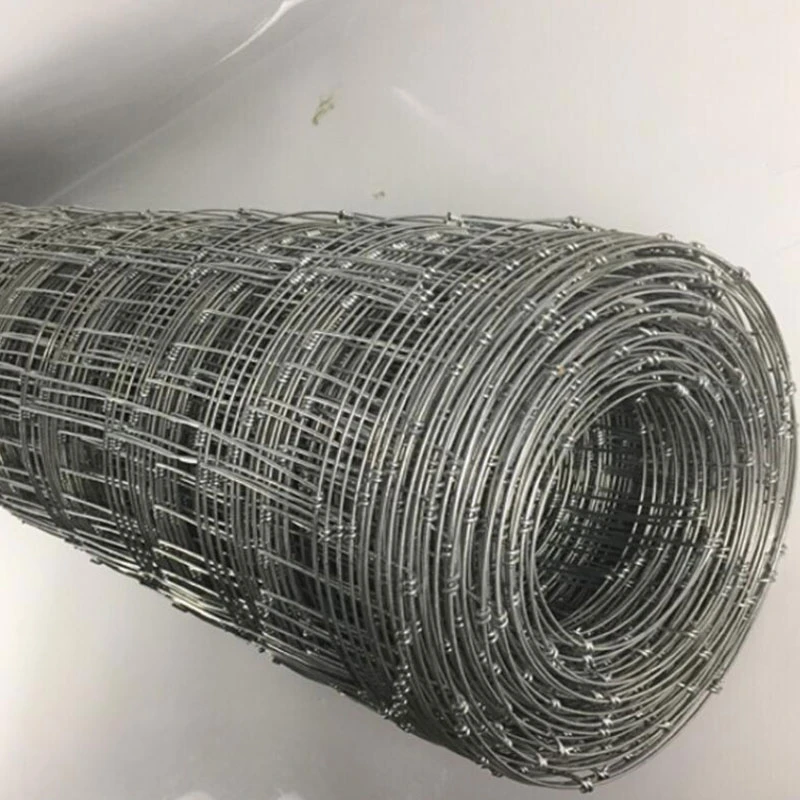
Image: Various gauges and mesh patterns of cattle fence wire, illustrating customization possibilities.
Working with a manufacturer capable of providing these bespoke options ensures that the fencing solution is not merely a commodity but a precisely engineered component of a larger, optimized agricultural infrastructure.
Application Case Studies
Real-world implementations highlight the tangible benefits of high-quality cattle fence wire and galvanized cattle panel solutions.
Case Study 1: Large-Scale Rotational Grazing in the Midwest U.S.
A 5,000-acre cattle ranch in Nebraska required a durable, low-maintenance fencing system for rotational grazing across diverse topographies. The previous fencing, a mix of barbed wire and aging mesh, frequently failed, leading to livestock escapes and high repair costs. They opted for a fixed-knot cattle fence wire system, 12.5 gauge high-tensile wire with Class 3 galvanization, in 47-inch height with graduated mesh. The solution enabled the ranch to subdivide pastures effectively, leading to:
- Improved Pasture Health: By implementing controlled grazing, forage recovery time was optimized, increasing grass yield by an estimated 20% in the first two years.
- Reduced Labor Costs: The robust fixed-knot design allowed for wider post spacing (up to 20 feet on flat terrain), cutting installation time by 35% and ongoing maintenance by 70%.
- Enhanced Animal Containment: Zero reported cattle escapes through the fence line in five years, significantly improving livestock security.
Case Study 2: Feedlot Modernization in Australia
An established commercial feedlot in Queensland, facing issues with pen integrity and corrosion due to high animal density and humid conditions, decided to upgrade its internal cattle panel fencing. They deployed heavy-duty galvanized cattle panel mesh (8-gauge, Class 3 galvanized) for its superior impact resistance and long-term corrosion protection. The outcome was:
- Increased Durability: The robust panels withstood constant pressure and impact from large cattle without bending or breaking, eliminating frequent panel replacements.
- Reduced Maintenance: The thick Class 3 galvanization showed no signs of rust after three years, drastically cutting down on repair and repainting needs.
- Enhanced Operational Safety: The rigid structure minimized animal injury risk and improved the overall safety for farm workers handling livestock within the pens.
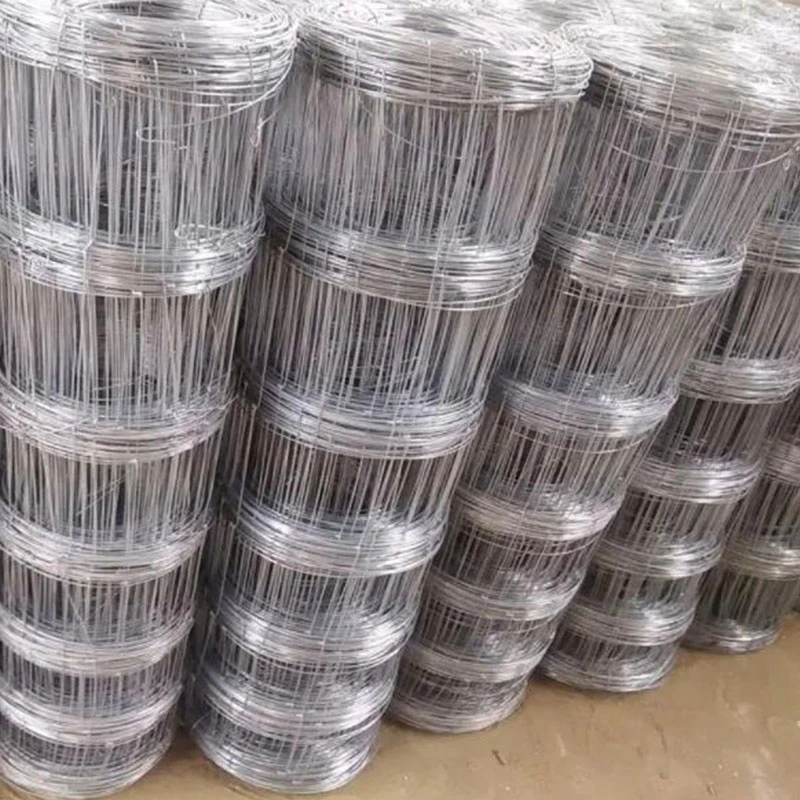
Image: Durable galvanized cattle panel fencing effectively containing livestock in a modern feedlot.
Authoritativeness and Trustworthiness
Establishing trust and authority is fundamental in B2B engagements. Our commitment to quality and reliability is demonstrated through adherence to stringent industry standards and transparent operational practices.
Certifications and Compliance:
Our manufacturing processes for cattle fence wire are rigorously certified to international standards. This includes ISO 9001:2015 for Quality Management Systems, ensuring consistent product quality from raw material sourcing to final production. Products consistently meet or exceed specifications outlined by ASTM International (e.g., ASTM A641/A641M for galvanized steel wire, ASTM A116 for metallic-coated steel woven wire fence fabric) and relevant national standards such as AS/NZS 4534 in Australia/New Zealand. Regular third-party audits validate our adherence to these benchmarks, providing verifiable assurance of product integrity.
Years of Service and Partner Clients:
With over two decades of specialized experience in wire mesh and fencing solutions, we have cultivated a deep understanding of agricultural requirements. Our extensive client portfolio includes leading agricultural cooperatives, commercial ranching operations, and government land management agencies across North America, Europe, and Australasia. These long-standing partnerships are a testament to our consistent delivery of high-performance products and reliable service.
Quality Control and Testing:
Every batch of cattle fence wire undergoes comprehensive testing:
- Spectroscopic Material Analysis: Verifies steel composition.
- Universal Tensile Testing: Measures ultimate tensile strength and elongation.
- Galvanized Coating Weight Test (e.g., Gravimetric Method): Ensures zinc thickness meets specified Class 3 standards.
- Salt Spray Corrosion Testing (ASTM B117): Provides accelerated corrosion data, simulating years of environmental exposure to predict real-world performance and substantiate our 20+ year service life claims for Class 3 galvanized products.
Frequently Asked Questions (FAQ)
Q: What is the primary difference between low-carbon and high-tensile cattle fence wire?
A: Low-carbon wire is more flexible and easier to work with, but has lower tensile strength. High-tensile wire, made from higher carbon steel, is significantly stronger and more elastic, allowing it to withstand greater impact and requiring fewer posts, but it is less forgiving to work with during installation. For perimeter fencing of active livestock, high-tensile is generally preferred due to its resilience and longevity.
Q: How does Class 3 galvanization extend the service life of farm fence with wire mesh?
A: Class 3 galvanization applies a significantly thicker layer of zinc (minimum 0.80 oz/ft²) compared to Class 1 or 2. This thicker sacrificial coating provides superior barrier protection against environmental corrosion (e.g., rust from moisture, acidic soils, animal urine), drastically slowing down the degradation process and extending the fence's functional lifespan to 20-30 years in typical conditions, reducing the frequency and cost of replacement.
Q: Can your cattle panel mesh be customized for specific animal types or terrain?
A: Absolutely. We offer extensive customization for mesh spacing (graduated to contain different animal sizes), wire gauges for varying strength requirements, fence heights, and even specialized coatings for highly corrosive environments. Our technical team works closely with clients to engineer solutions that are perfectly matched to their operational needs and geological conditions.
Q: What are the typical lead times for large orders?
A: Standard product lead times are typically 3-4 weeks from order confirmation, depending on volume. For customized solutions, lead times may vary from 4-8 weeks to account for specialized manufacturing and quality assurance. We maintain robust inventory levels and efficient production lines to minimize delays and accommodate urgent requirements where feasible. Expedited options are available upon request.
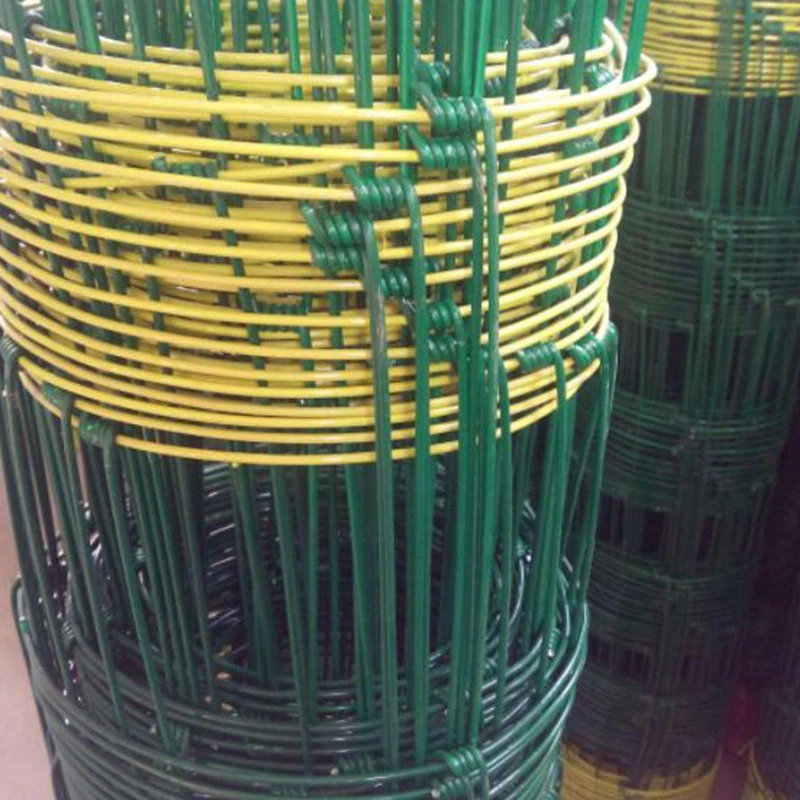
Image: High-strength cattle fence wire installed with durable posts, demonstrating a typical farm application.
Logistics, Warranty, and Support
Lead Time & Fulfillment:
Our streamlined supply chain and efficient manufacturing capabilities ensure timely delivery. For standard cattle fence wire products, lead times typically range from 3-4 weeks, depending on order volume and current production schedules. Custom orders may require 4-8 weeks for specialized fabrication and quality assurance. We operate a global logistics network, facilitating both domestic and international shipments, with options for LCL (Less than Container Load) and FCL (Full Container Load) to optimize freight costs and delivery timelines for our B2B clients.
Warranty Commitments:
We stand behind the quality of our cattle fence wire products with comprehensive warranties. All Class 3 galvanized products come with a minimum 20-year limited warranty against rust-through corrosion under normal agricultural use. Specific warranties for other product lines are detailed in our product documentation and available upon request. This commitment underscores our confidence in the durability and longevity achieved through our material selection and manufacturing processes.
Customer Support and After-Sales Service:
Our dedicated technical support team is available to assist with product selection, installation guidance, and troubleshooting. We offer:
- Technical Consultations: Expert advice on fence design, material specifications, and regulatory compliance.
- Installation Guides: Comprehensive documentation and video resources for efficient and correct product deployment.
- Responsive Issue Resolution: A streamlined process for addressing any product concerns or warranty claims promptly and effectively.
Conclusion
The strategic investment in high-quality cattle fence wire is more than just a purchase of materials; it is an investment in the long-term productivity, security, and sustainability of agricultural operations. From advanced manufacturing processes ensuring superior tensile strength and corrosion resistance to customized solutions designed for specific environmental and livestock needs, modern fencing provides unparalleled value.
By prioritizing products that adhere to rigorous international standards, backed by robust warranties and comprehensive support, B2B stakeholders can significantly enhance operational efficiency, reduce maintenance overheads, and ensure optimal animal welfare. The evolution of cattle panel fencing, galvanized cattle panel, and related farm fence with wire mesh solutions continues to shape the future of effective livestock management globally.
References:
- American Society for Testing and Materials (ASTM) International. ASTM A641/A641M-03, "Standard Specification for Zinc-Coated (Galvanized) Carbon Steel Wire."
- American Society for Testing and Materials (ASTM) International. ASTM A116-00, "Standard Specification for Metallic-Coated Steel Woven Wire Fence Fabric."
- International Organization for Standardization (ISO). ISO 9001:2015, "Quality Management Systems — Requirements."
- Australia/New Zealand Standard. AS/NZS 4534:2006, "Zinc-coated and aluminium/zinc-coated steel wire for fencing purposes."
- University of Kentucky Cooperative Extension Service. "Planning and Building Fences." Publication ID: ID-74.