Industry Trends and the Evolution of Poultry Housing Solutions
The global poultry industry is undergoing significant transformation, driven by increasing consumer demand for protein, advancements in animal welfare standards, and the need for enhanced operational efficiency. Modern poultry farming necessitates robust, hygienic, and sustainable housing solutions capable of withstanding diverse environmental conditions while optimizing bird health and productivity. Traditional wooden or plastic coops often fall short in terms of durability, sanitation, and longevity, leading to higher maintenance costs and increased biosecurity risks. This paradigm shift has propelled the demand for advanced materials and manufacturing techniques in poultry equipment.
At the forefront of this evolution is the galvanized steel chicken coop, a solution engineered to address the critical challenges faced by commercial poultry operations. The intrinsic properties of galvanized steel – notably its exceptional corrosion resistance and structural integrity – make it an ideal material for environments characterized by high humidity, ammonia exposure, and constant cleaning requirements. The market trend indicates a clear preference for infrastructure that minimizes disease transmission, simplifies waste management, and offers superior protection against predators, all while delivering a superior return on investment over its lifecycle.
Manufacturers are continuously innovating, integrating smart farming technologies and ergonomic designs to further enhance the functionality and cost-effectiveness of these advanced poultry housing systems, ensuring they meet the stringent demands of modern agricultural practices globally.
The Manufacturing Process of Hot Galvanized Chicken Cages
The production of a galvanized steel chicken coop involves a meticulously controlled manufacturing process, ensuring the final product's superior durability and performance. This process primarily utilizes hot-dip galvanization, a method renowned for providing robust corrosion protection.
Detailed Process Flow:
- Material Selection and Preparation: High-quality low-carbon steel wire (typically Q195 or Q235 grade, conforming to ASTM A853 standards) is selected for its optimal balance of strength and ductility. The wire undergoes descaling and degreasing to remove impurities, preparing its surface for subsequent processing.
- Wire Drawing and Straightening: The raw steel wire is drawn through a series of dies to achieve the precise diameters required for different cage components (e.g., 2.3mm for cage mesh, 3.2mm for frame structure). It is then straightened and cut to specific lengths.
- Mesh Fabrication (Welding): Advanced automated welding machines are used to precisely weld the individual steel wires into mesh panels. Resistance welding ensures strong, consistent joints, creating the floors, walls, and roofs of the cages. This stage adheres to strict tolerances to ensure structural integrity and bird safety.
- Component Bending and Assembly: Depending on the design, fabricated mesh panels are bent into the required shapes (e.g., egg roll-out sections, feeder troughs). Structural support components are then assembled, forming the basic cage units.
-
Pre-Treatment for Galvanization: Before hot-dipping, the fabricated steel components undergo a rigorous pre-treatment process:
- Caustic Cleaning: Removes organic contaminants, oils, and grease.
- Rinsing: Washes away residual cleaning solutions.
- Acid Pickling: Submerging in hydrochloric or sulfuric acid removes mill scale and rust, creating a chemically clean surface. This typically adheres to ISO 1461 standards.
- Rinsing: Removes residual pickling acid.
- Fluxing: Dipping in a flux solution (e.g., zinc ammonium chloride) prepares the steel surface for wetting by molten zinc, preventing oxidation and promoting alloy formation.
- Hot-Dip Galvanization: The cleaned and fluxed steel components are immersed in a bath of molten zinc at approximately 450°C (840°F). During this immersion, the iron in the steel reacts metallurgically with the molten zinc to form a series of zinc-iron alloy layers, topped by a layer of pure zinc. This process creates a metallurgically bonded coating, significantly enhancing corrosion resistance. The coating thickness typically ranges from 65 to 100 micrometers, meeting or exceeding ASTM A123/A123M specifications.
- Cooling and Finishing: After withdrawal from the zinc bath, the components are cooled, either by quenching in water or ambient air. Excess zinc drips are removed.
- Quality Inspection and Testing: Each galvanized chicken cage undergoes stringent quality control checks. This includes visual inspection for coating uniformity, adherence, and surface defects. Coating thickness is measured using magnetic or eddy current gauges, and adherence tests (e.g., knife tests) confirm the metallurgical bond. Compliance with ISO 9001 quality management standards and relevant ASTM galvanization standards (e.g., ASTM A653/A653M for sheet products or ASTM A123/A123M for fabricated articles) is rigorously maintained.
This meticulous process ensures a service life often exceeding 15-20 years for the galvanized metal chicken coop, even in challenging agricultural environments. The primary advantages include superior corrosion resistance against ammonia and moisture, reduced maintenance, and enhanced hygiene, contributing to energy saving in the long run by preventing equipment replacement. Target industries include commercial poultry farms, breeding facilities, and large-scale egg production operations.
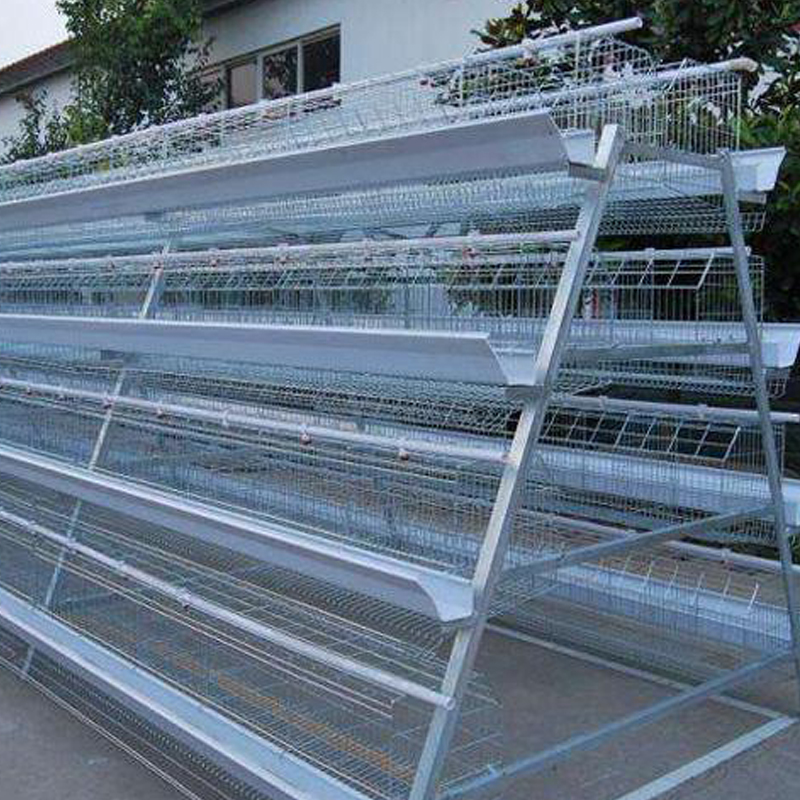
High-Quality Construction of a Galvanized Steel Chicken Coop
Technical Specifications and Performance Parameters
Understanding the technical specifications of a galvanized steel chicken coop is crucial for poultry operators making informed procurement decisions. These parameters dictate the coop's suitability for specific bird types, its structural integrity, and its long-term performance.
Product Specification Table: Hot Galvanized Layer Chicken Cage
| Parameter | Specification (Typical) | Technical Significance |
|---|---|---|
| Material | Low-carbon steel wire (Q195/Q235), Hot-dip galvanized | Ensures robust structure and superior corrosion resistance. |
| Wire Gauge (Mesh) | 2.3mm - 2.8mm (0.09 - 0.11 inches) | Optimal for preventing bird escape while allowing waste passage. |
| Wire Gauge (Frame) | 3.2mm - 3.8mm (0.13 - 0.15 inches) | Provides structural rigidity and load-bearing capacity. |
| Mesh Size (Bottom) | 2.5cm x 5cm (1" x 2") | Designed for bird comfort, egg roll-out, and manure fall-through. |
| Mesh Size (Side/Top) | 5cm x 10cm (2" x 4") | Ensures ventilation and structural integrity. |
| Zinc Coating Thickness | Min. 65 microns (ASTM A123/A123M) | Critical for sacrificial protection and extending service life in corrosive environments. |
| Cage Unit Dimensions (L x W x H) | 1.8m x 0.45m x 0.43m (6ft x 1.5ft x 1.4ft) | Optimized for bird density, ventilation, and operator access. |
| Capacity per Unit (Typical) | 96-120 birds (e.g., 3-4 birds/cell, 4 cells/tier, 3-4 tiers) | Facilitates efficient space utilization and management. |
| Tensile Strength of Wire | 400-550 MPa (ASTM A853) | Ensures the cage can withstand operational stresses and resist deformation. |
| Coating Adhesion | No peeling or flaking (ASTM A123/A123M) | Indicates strong metallurgical bond, critical for long-term corrosion protection. |
These detailed specifications underscore the engineering precision inherent in modern galvanized chicken coops. The "sacrificial protection" offered by the zinc coating, where zinc corrodes preferentially to steel, is a key technical advantage, extending the equipment's lifespan significantly. The multi-layered zinc-iron alloy formation during hot-dip galvanization provides a resilient barrier, superior to mere surface coatings.
Key Technical Advantages of Galvanized Steel Chicken Coops
The adoption of galvanized chicken cage solutions in modern poultry farming is driven by a suite of compelling technical advantages that directly translate into operational efficiencies and economic benefits for B2B stakeholders.
- Exceptional Corrosion Resistance: Hot-dip galvanization provides a robust, metallurgically bonded zinc coating that acts as a physical barrier and offers cathodic (sacrificial) protection to the underlying steel. This is critical in poultry environments, which are highly corrosive due to high humidity, ammonia from manure, and frequent washing with disinfectant chemicals. Unlike painted or electro-galvanized alternatives, hot-dip galvanization ensures protection even if the surface is scratched, as the surrounding zinc continues to protect the exposed steel. This extends the service life by more than 3-5 times compared to non-galvanized or electro-galvanized options.
- Superior Durability and Longevity: The inherent strength of steel, combined with the protective zinc coating, results in a product with a service life often exceeding 15-20 years, even under intensive use. This significantly reduces the frequency and cost of equipment replacement, offering a superior long-term ROI. The robust construction minimizes damage from impact, cleaning, and routine handling.
- Enhanced Biosecurity and Hygiene: The smooth, non-porous surface of galvanized steel is less hospitable for bacterial growth compared to wood or plastic. It facilitates easy and thorough cleaning and disinfection, crucial for preventing disease outbreaks (e.g., Avian Influenza, Salmonella). This contributes directly to improved bird health, reduced medication costs, and lower mortality rates.
- Structural Integrity and Stability: Engineered to withstand the rigors of commercial poultry farming, chicken coop galvanised steel maintains its structural integrity over time. This includes resistance to warping, bending, and collapse, even when fully loaded with birds, feed, and water, ensuring safe and stable housing.
- Cost-Effectiveness Over Lifecycle: While the initial investment might be higher than non-galvanized or lower-quality alternatives, the extended lifespan, minimal maintenance requirements, and reduced disease incidence lead to significantly lower total cost of ownership (TCO). This long-term economic advantage makes galvanized steel the preferred choice for sustainable poultry operations.
- Environmental Resistance: These coops are designed to perform reliably across a wide range of climatic conditions, from arid to humid, without compromising their structural or protective qualities. This adaptability is vital for poultry operations in diverse geographical locations.
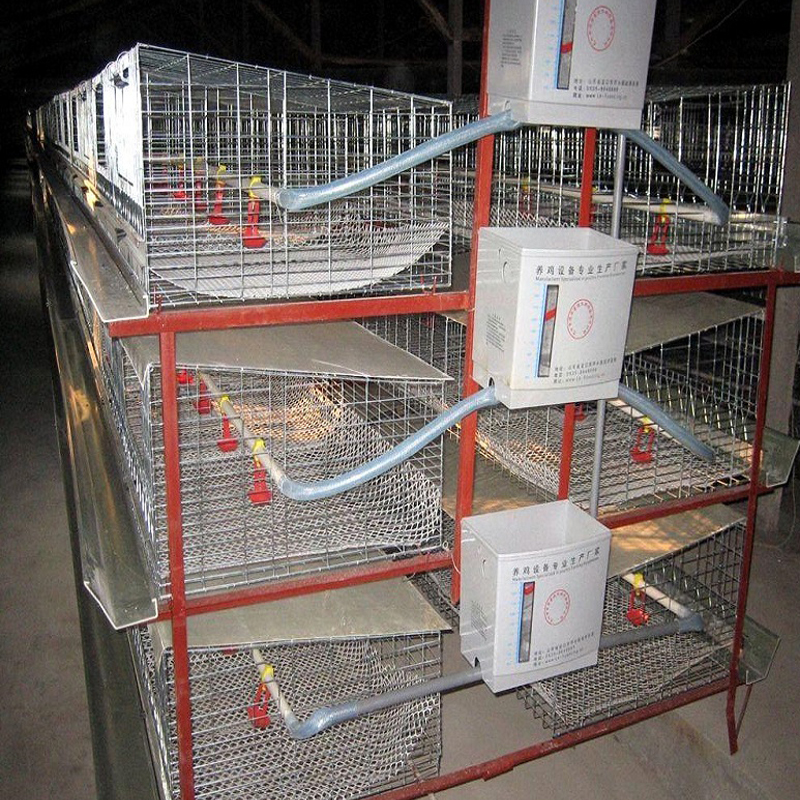
Layer Chicken Cages Offering Long-Term Value and Durability
Application Scenarios and Target Industries
The versatility and robust performance of galvanized chicken coops make them indispensable across various segments of the poultry industry. Their design and material advantages are particularly beneficial in environments demanding high standards of hygiene, durability, and operational efficiency.
Primary Application Scenarios:
- Commercial Layer Operations: Large-scale egg production farms extensively utilize multi-tier galvanized chicken cage systems. These systems optimize space, facilitate automated feeding, watering, and egg collection, and enhance biosecurity. The smooth surface of galvanized steel allows for efficient cleaning, reducing egg contamination and improving overall flock health.
- Broiler Production Facilities: While often raised in floor systems, specialized galvanized broiler cages are used in specific intensive farming models, particularly where space is at a premium or strict hygiene protocols are paramount. These cages are designed for rapid growth cycles and ease of cleaning between batches.
- Breeder Farms: For producing hatching eggs, breeder coops require exceptional cleanliness and precise environmental control. Galvanized steel cages support these requirements by providing a durable, sanitary housing solution that can withstand rigorous cleaning and disinfection cycles.
- Pullet Rearing Systems: Young pullets are often housed in smaller galvanized cages tailored for their growth stage, preparing them for transfer to layer or breeder cages. The durable construction ensures the cages can be reused across multiple cycles.
- Small to Medium-Scale Poultry Enterprises: Beyond mega-farms, smaller commercial operations also benefit from the longevity and low maintenance of galvanized metal chicken coop solutions, ensuring sustainable growth without frequent capital expenditure on housing.
Target Industries:
- Commercial Poultry Farming: This encompasses all forms of egg and meat production facilities, from initial pullet rearing to end-stage production.
- Poultry Equipment Distributors and Integrators: Companies that supply and install complete poultry farm solutions, often integrating cages with feeding, watering, and waste management systems.
- Agricultural Investment Groups: Entities investing in large-scale agricultural projects where long-term durability and low operational costs are paramount.
- Veterinary and Biosecurity Consultants: These professionals often recommend galvanized solutions due to their superior hygiene characteristics and ease of sanitation, which are critical for disease prevention.
The robust nature of chicken coop galvanised steel ensures reliable performance in demanding environments, directly contributing to energy savings by reducing resource expenditure on maintenance and replacement.
Vendor Comparison: Selecting the Right Galvanized Steel Chicken Coop Supplier
The market for galvanized chicken coops features several manufacturers, each offering varying levels of product quality, customization, and support. For B2B buyers, a thorough vendor comparison is essential to secure a solution that aligns with long-term operational goals and budget constraints.
Key Evaluation Criteria for Suppliers:
- Material Quality and Galvanization Standards: Verify the use of high-grade steel wire and adherence to international galvanization standards (e.g., ASTM A123/A123M, ISO 1461). Insist on certifications and third-party test reports for zinc coating thickness and adhesion.
- Design and Engineering Capabilities: Assess the vendor's ability to offer ergonomic, bird-friendly designs that optimize space, ventilation, and access for feeding/cleaning. Look for evidence of robust engineering, such as strong welding points and stable structural supports.
- Customization Options: Evaluate flexibility in design for specific farm layouts, bird types, and automation levels (e.g., integration with automatic feeding, drinking, manure removal, and egg collection systems).
- After-Sales Support and Warranty: Understand the extent of installation support, spare parts availability, technical assistance, and the warranty period offered on the galvanized coating and structural components.
- Certifications and Reputation: Look for ISO 9001 certification (quality management), CE marking (for European markets), and industry recognition. Customer testimonials and case studies provide valuable insights into reliability and service.
Comparison Table: Standard vs. Premium Galvanized Chicken Cages
| Feature/Criterion | Standard Galvanized Cage | Premium Hot-Dip Galvanized Cage |
|---|---|---|
| Galvanization Method | Often Electro-Galvanized or Lighter Hot-Dip | Heavy Hot-Dip Galvanized (ASTM A123/A123M) |
| Zinc Coating Thickness | 20-40 microns | 65-100+ microns |
| Corrosion Resistance | Moderate, prone to rust in humid/ammonia-rich environments over time. | Excellent, significantly extended resistance to corrosive elements. |
| Expected Service Life | 5-10 years | 15-25 years |
| Wire Material Quality | Standard carbon steel (varied consistency) | High-grade low-carbon steel (Q195/Q235 consistent) |
| Welding Quality | Basic spot welding, potential for weaker joints. | Automated precision resistance welding, strong and uniform joints. |
| Customization & Automation Integration | Limited standard configurations. | Extensive customization, designed for full automation integration. |
| Cost (Initial) | Lower | Higher |
| Total Cost of Ownership (TCO) | Higher (due to maintenance & replacement) | Lower (due to longevity & low maintenance) |
Investing in a premium galvanized steel chicken coop from a reputable vendor translates to superior longevity, reduced maintenance, and improved biosecurity, ultimately driving greater profitability for the poultry operation.
Customized Solutions for Optimized Poultry Production
In modern poultry farming, a "one-size-fits-all" approach to housing is rarely optimal. Leading manufacturers of galvanized metal chicken coop understand that farm-specific conditions – including climate, bird type, flock size, and degree of automation – necessitate tailored solutions. Customized cages are designed to maximize bird welfare, operational efficiency, and overall farm profitability.
Key Areas of Customization:
- Cage Dimensions and Tier Configuration: Custom sizing allows for optimal utilization of available barn space, whether it's for multi-tier "A-frame" or "H-frame" systems. The number of tiers can be adjusted based on ceiling height and desired bird density, adhering to local animal welfare regulations.
- Wire Gauge and Mesh Size Adaptation: While standard sizes are common, customization can involve altering wire gauges for enhanced strength in high-stress areas or modifying mesh sizes to suit different bird ages (e.g., pullets requiring finer mesh) or specific egg collection needs.
-
Integrated Automation Systems: A significant advantage of a customizable galvanized chicken cage is its seamless integration with automated systems. This includes:
- Automatic feeding lines (chain feeders, trough feeders).
- Nipple drinking systems with water regulators.
- Automated manure removal belts or scraper systems for enhanced hygiene.
- Egg collection conveyors and gentle roll-out mechanisms to minimize egg breakage.
- Climate Control Integration: Designs can incorporate features that facilitate better airflow, ventilation fan placement, and adaptation to specific insulation requirements, crucial for maintaining optimal temperatures and air quality within the coop.
- Specialized Accessories: Custom solutions often include specialized feeders (e.g., for specific feed types), enhanced water filtration systems, supplementary lighting fixtures, or even bird-friendly perches/nesting boxes for enriched cage environments.
- Site-Specific Installation Adaptations: For existing farm structures, customization extends to modifying cage layouts and support structures to fit unique building dimensions, uneven floors, or specific access points.
By partnering with a manufacturer capable of delivering bespoke galvanized steel chicken coop solutions, poultry producers can ensure their housing infrastructure is perfectly aligned with their operational model, leading to maximized output, reduced labor costs, and improved animal welfare outcomes. This strategic investment in customization yields significant long-term competitive advantages.
Application Case Studies: Proving the Value of Galvanized Steel Cages
Case Study 1: Large-Scale Layer Farm Modernization in Southeast Asia
A leading commercial egg producer in a high-humidity region of Southeast Asia faced persistent challenges with their existing poultry housing, which utilized electro-galvanized cages. Within 5-7 years, these cages exhibited significant corrosion, particularly around welding points and in manure collection areas, leading to frequent repairs, increased bird mortality from rough surfaces, and compromised hygiene.
- Challenge: Premature cage degradation, high maintenance costs, elevated biosecurity risks, and reduced flock productivity due to poor housing conditions.
- Solution: The farm opted to replace 80,000 bird capacity with multi-tier A-frame galvanized chicken cage systems, featuring heavy hot-dip galvanization and integrated automatic feeding, watering, and manure removal systems.
- Results (within 3 years):
- Extended Equipment Lifespan: Zero visible corrosion or structural issues, projected service life now exceeds 18 years.
- Reduced Maintenance Costs: Over 60% reduction in annual cage repair and replacement expenses.
- Improved Bird Health: 1.5% decrease in overall bird mortality, attributed to better hygiene and smoother cage surfaces.
- Increased Egg Production: A measurable 2% increase in average daily egg production, due to reduced bird stress and optimal environment.
- Enhanced Operational Efficiency: Automated systems reduced labor requirements by 25%.
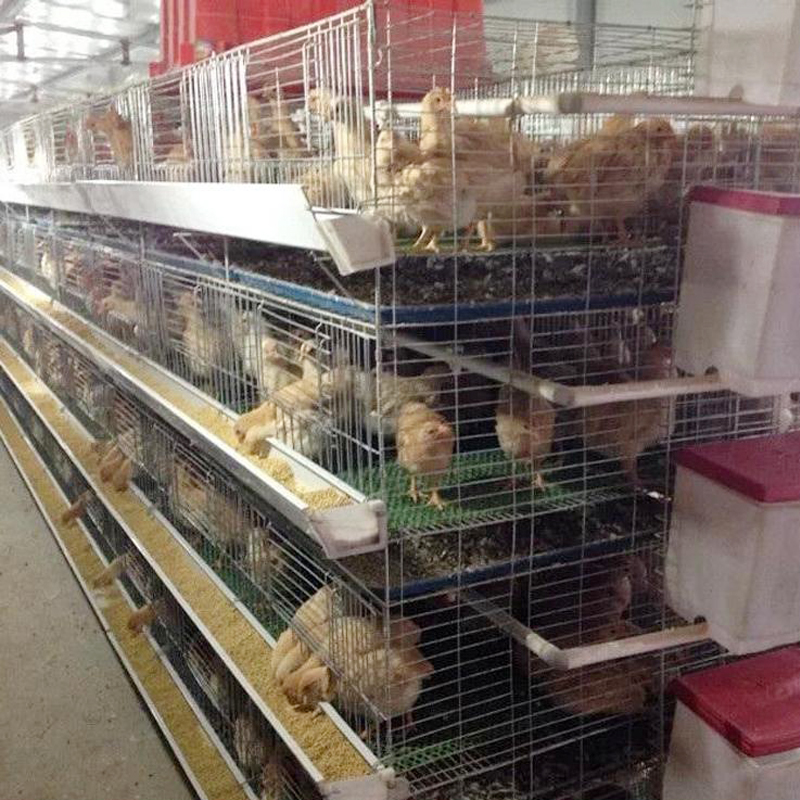
Modern Galvanized Steel Chicken Coops Ready for Installation
Case Study 2: New Poultry Enterprise in Arid Climate
A start-up poultry farm in a desert region, prone to dust and extreme temperature fluctuations, sought a durable and low-maintenance housing solution for 50,000 broiler chickens. Initial considerations included local, ungalvanized options, but the long-term cost of rust and structural failure was a concern.
- Challenge: Establishing a robust, sustainable poultry operation in a harsh climate with minimal long-term operational overhead.
- Solution: The farm invested in bespoke chicken coop galvanised steel systems, designed for broiler grow-out, incorporating wider mesh openings and enhanced ventilation options suitable for the arid environment. The decision was primarily based on the proven longevity and low maintenance of hot-dip galvanized steel.
- Results (within 2 years):
- Zero Corrosion Issues: Despite frequent cleaning and high dust levels, the cages remained free of rust, validating the galvanization quality.
- Consistent Production Cycles: Enabled uninterrupted broiler production, maximizing farm output and profitability from day one.
- Minimal Repair Needs: No significant repairs or structural concerns were reported, keeping operational costs low.
- Improved Biosecurity: Easy-to-clean surfaces contributed to maintaining excellent flock health, exceeding initial projections for broiler growth rates and feed conversion ratios.
These case studies underscore the tangible benefits of investing in high-quality galvanized steel chicken coop solutions, demonstrating superior durability, reduced operational costs, and enhanced performance across diverse poultry farming environments.
Ensuring Trustworthiness: FAQ, Lead Time, Warranty, and Support
Building and maintaining trust with B2B clients involves more than just product quality; it extends to transparency in operations, clear commitments, and reliable after-sales support. For purchasers of galvanized chicken coops, understanding these aspects is paramount.
Frequently Asked Questions (FAQ)
A: Hot-dip galvanization involves immersing steel in molten zinc, creating a thick, metallurgically bonded coating (typically 65-100+ microns) with superior corrosion resistance and longevity (15-25 years). Electro-galvanization applies a thinner zinc layer (20-40 microns) via electrolysis, offering less protection and a shorter lifespan (5-10 years), especially in corrosive poultry environments.
A: The smooth, non-porous surface of our hot-dip galvanized steel chicken coop resists pathogen adhesion and is easy to clean and disinfect thoroughly. This minimizes environments for bacterial and viral growth, significantly reducing the risk of disease transmission within the flock.
A: Yes, our galvanized metal chicken coop designs are highly adaptable and can be customized to seamlessly integrate with various automated feeding, watering, egg collection, and manure removal systems. We can consult on compatibility and necessary modifications.
A: With proper maintenance, our hot-dip galvanized cages are designed to last 15-25 years, significantly outperforming alternatives and offering long-term value.
Lead Time & Fulfillment
Our manufacturing capabilities allow for efficient production cycles. Typical lead times for standard configurations of chicken coop galvanised steel range from 3 to 6 weeks, depending on order volume and current production schedules. For highly customized solutions, lead times may extend to 8-12 weeks. We utilize robust logistics networks to ensure timely and secure delivery to your farm location, with detailed shipping updates provided throughout the process.
Warranty Commitments
We stand behind the quality of our hot-dip galvanized cages. Our products come with a comprehensive warranty:
- 10-Year Anti-Corrosion Warranty: Covers significant rust-through on the galvanized coating under normal operational conditions.
- 2-Year Structural Integrity Warranty: Covers defects in materials and workmanship for structural components under normal use.
This commitment reflects our confidence in the durability and longevity of our manufacturing processes and materials.
Customer Support & After-Sales Service
Our dedication to client success extends beyond the sale. We offer:
- Technical Consultation: Expert advice on cage selection, farm layout design, and system integration.
- Installation Guidance: Detailed manuals and, upon request, on-site supervision or training for efficient assembly.
- Spare Parts Availability: A readily available inventory of replacement parts to minimize downtime.
- Responsive Support: A dedicated customer service team accessible via phone and email to address any queries or concerns promptly.
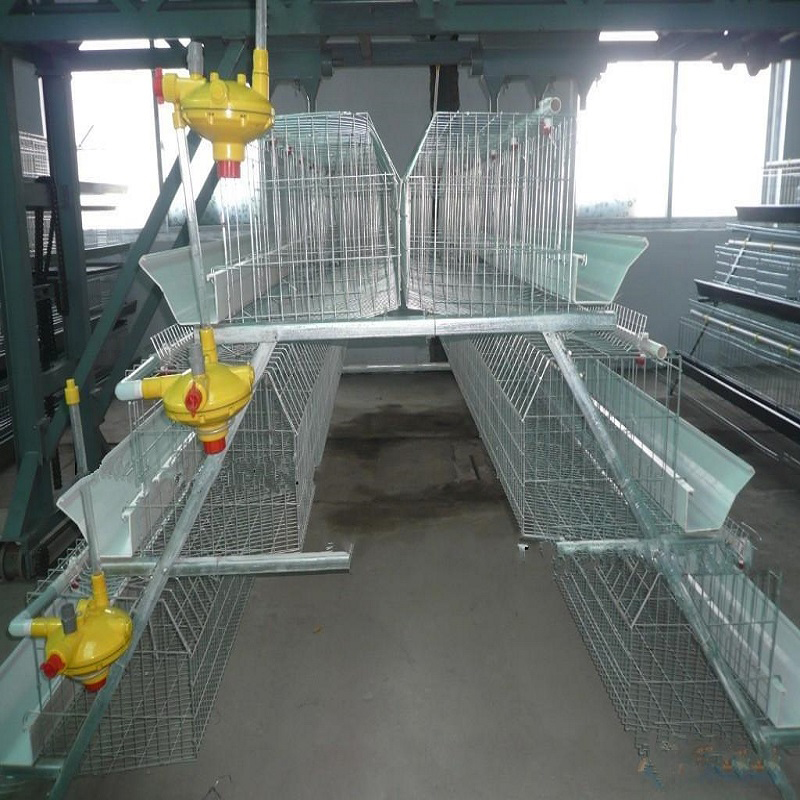
Automated Battery Cages for Efficient Poultry Production
Conclusion: The Future of Sustainable Poultry Housing
The demand for efficient, hygienic, and durable poultry housing solutions continues to grow, driven by global food security needs and evolving animal welfare standards. The galvanized steel chicken coop stands as a testament to engineering excellence in agricultural infrastructure. Its superior corrosion resistance, extended lifespan, and ease of sanitation offer unmatched advantages over conventional materials.
For B2B decision-makers and engineers in the poultry industry, investing in high-quality hot-dip galvanized chicken coops is not merely a purchase but a strategic commitment to long-term operational efficiency, reduced total cost of ownership, and enhanced animal health. As the industry advances, such robust and adaptable solutions will remain critical in meeting the challenges of modern poultry production, ensuring profitability and sustainability for years to come.
References
- American Society for Testing and Materials (ASTM). ASTM A123/A123M - Standard Specification for Zinc (Hot-Dip Galvanized) Coatings on Iron and Steel Products.
- International Organization for Standardization (ISO). ISO 1461: Hot dip galvanized coatings on fabricated iron and steel articles — Specifications and test methods.
- Galvanizers Association. (2023). The Durability of Hot Dip Galvanizing. Retrieved from galvanizing.org.uk.
- Poultry World. (2022). Advances in Poultry Housing and Equipment. Retrieved from poultryworld.net.
- Food and Agriculture Organization of the United Nations (FAO). (2021). The Future of Food and Agriculture. Retrieved from fao.org.